Letter Tracing Practice Tracing Letters Worksheets for Ages 5-9
5 filtered results
-
From - To
Help your child master the alphabet with our "Letter Tracing Practice" worksheets, designed for ages 5-9. Our engaging worksheets provide a fun and effective way for young learners to practice tracing letters, developing essential handwriting and fine motor skills. Each page features clear, dotted lines that guide children in forming both uppercase and lowercase letters correctly. Perfect for kindergarten and early elementary students, these worksheets support skill-building in letter recognition, phonics, and reading readiness. With enjoyable activities and colorful designs, Kids Academy ensures that learning the alphabet is a fun and rewarding experience for your child. Start tracing today!
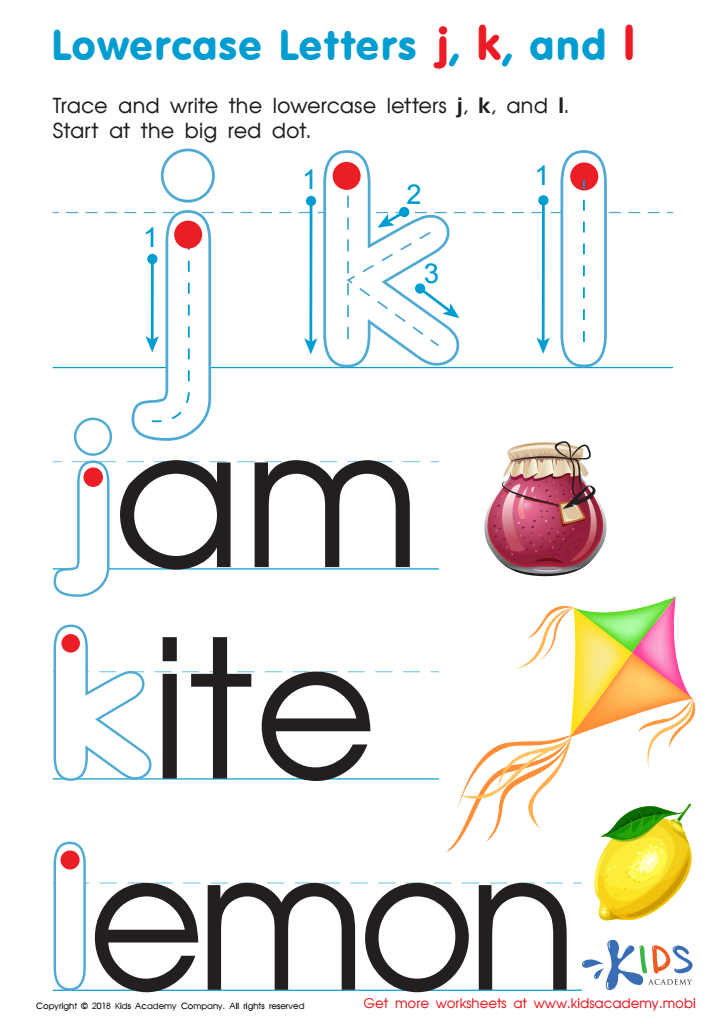
Lowercase Letters j k l Worksheet
 Assign to My Students
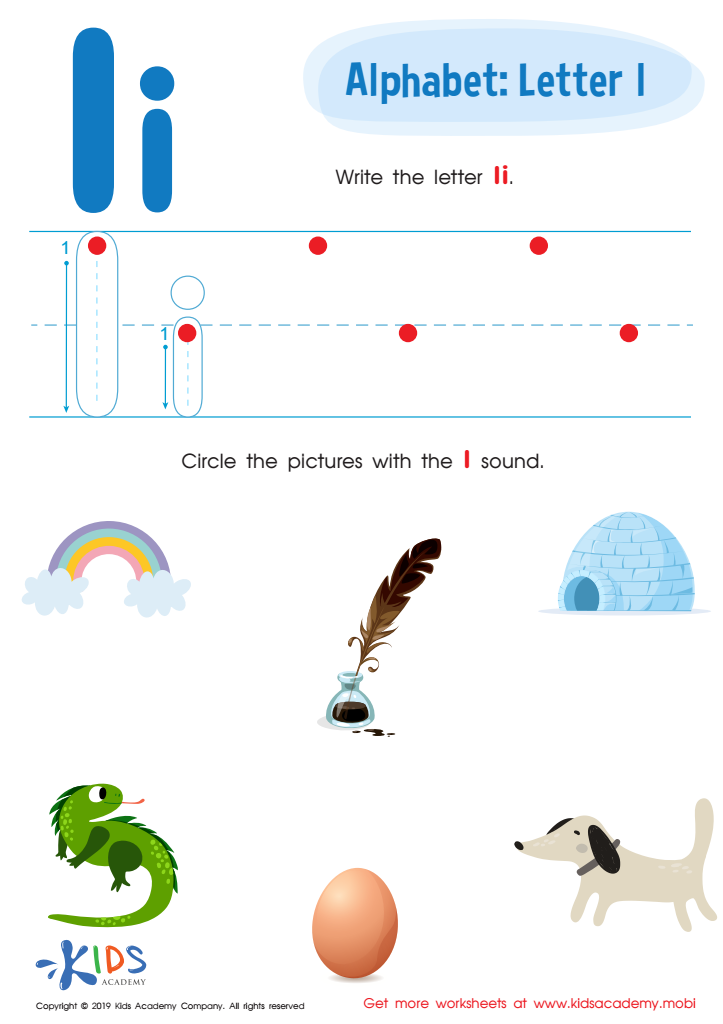
Letter I Tracing Worksheet
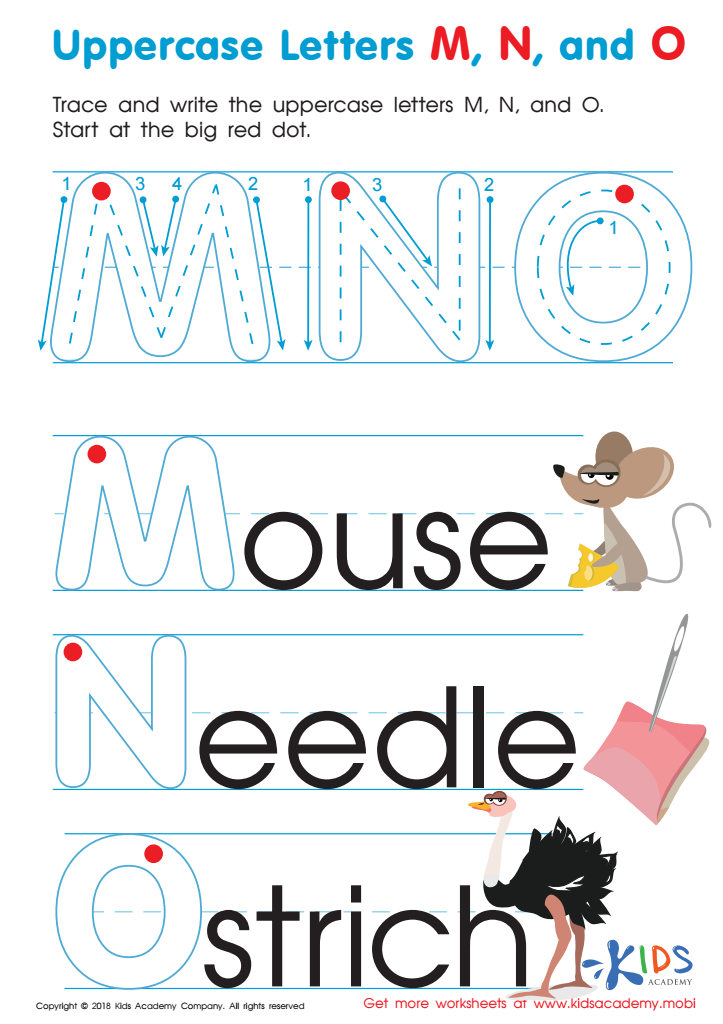
Uppercase Letters M, N, and O Worksheet
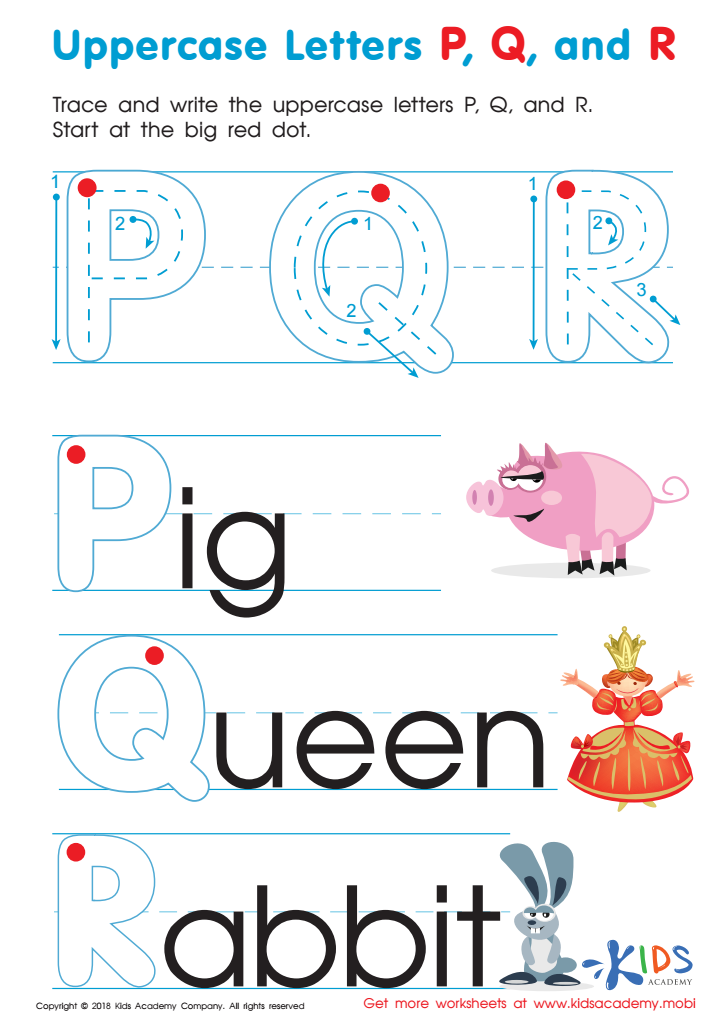
Uppercase Letters P, Q, and R Worksheet
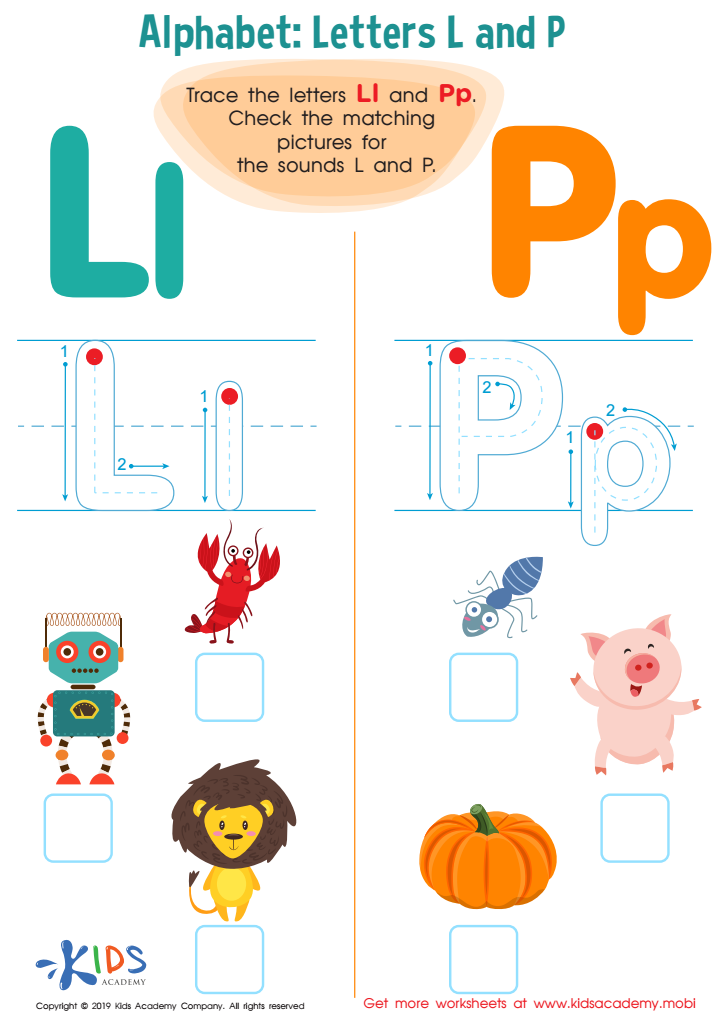
Letter L and P Tracing Worksheet







Parents and teachers should prioritize Letter Tracing Practice for children ages 5-9 because it is foundational for literacy and cognitive development. At these ages, children are in a critical phase of motor skill refinement and cognitive growth. Tracing letters helps them develop fine motor skills, such as hand-eye coordination and dexterity, which are essential for writing. These exercises also reinforce letter recognition, a key component in the ability to read and write effectively.
Additionally, letter tracing practices cultivate focus, patience, and attention to detail. As children learn to follow defined paths for each letter, they are developing habits of precision and consistency, which are valuable across all areas of learning.
Integrating these activities early establishes a solid groundwork for literacy. Children with proficient handwriting skills are more likely to express their ideas fluidly and confidently in written form, enhancing overall communication skills. Moreover, successful engagement in tracing letters often boosts children's confidence and engenders a positive attitude toward learning.
Ultimately, letter tracing is a simple yet powerful tool that reinforces educational fundamentals, aiding children in becoming competent and enthusiastic learners. The continued development in these early stages pays dividends throughout their educational journey.








