Visual discrimination skills Upper & Lowercase Letters Worksheets for Ages 5-9
4 filtered results
-
From - To
Enhance your child's visual discrimination skills with our engaging Upper and Lowercase Letters Worksheets, designed for ages 5-9. These worksheets offer a fun and interactive way for young learners to differentiate between upper and lowercase letters. By participating in various activities, children will improve their recognition skills, crucial for reading and writing development. Our worksheets are carefully crafted with colorful visuals and stimulating exercises that captivate and maintain children's interest while fostering essential literacy skills. Perfect for homeschooling or classroom settings, our resources encourage independent learning and help build confidence in early readers. Explore the joy of learning with us today!

Find Uppercase Letters A, B, and C Worksheet
 Assign to My Students





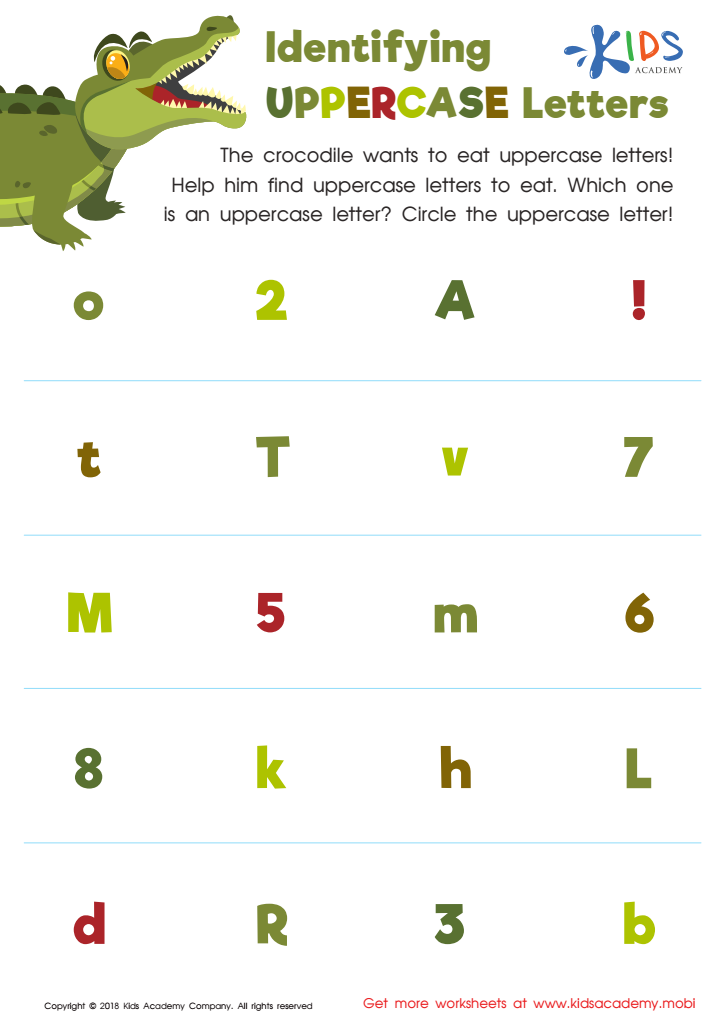
Identifying Uppercase Letters Worksheet

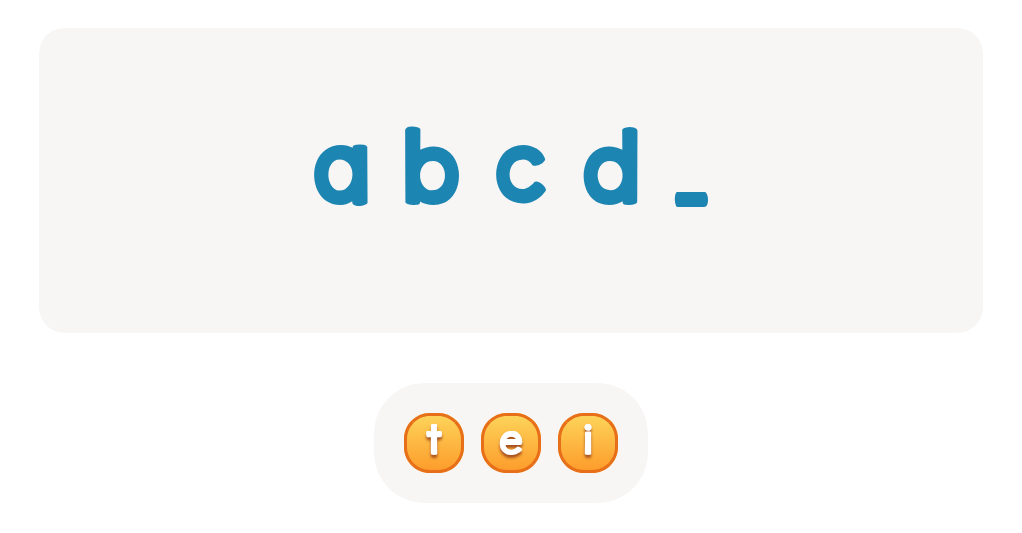
Find lowercase letters a b c Worksheet

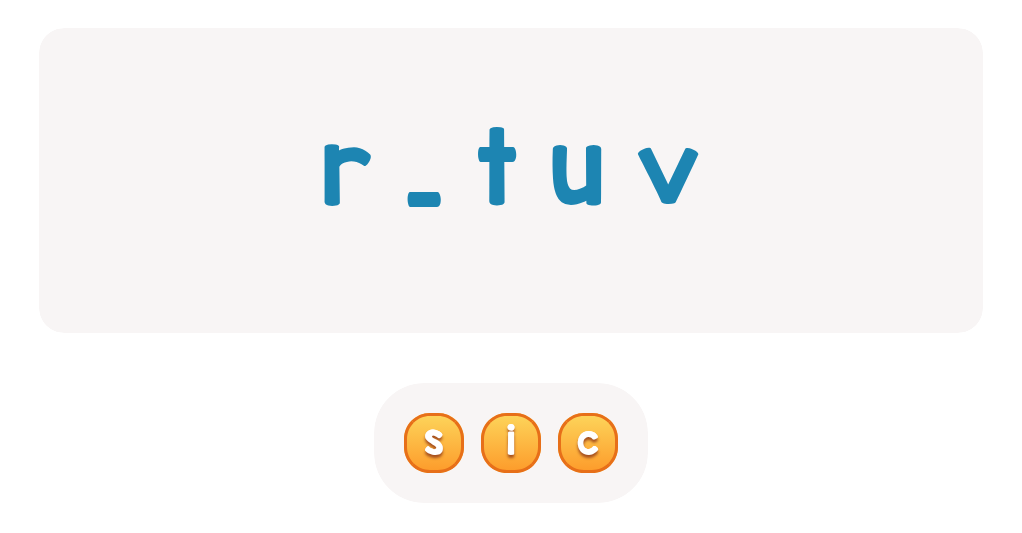
Find Lowercase Letters v w x Worksheet






Visual discrimination skills are crucial for children aged 5-9 as they form the foundation for reading and writing proficiency. These skills enable learners to distinguish between similar-looking letters, such as ‘b’ and ‘d’ or uppercase 'P' and lowercase 'p.' Developing these skills is essential for early literacy since recognizing and processing these differences directly influences a child's ability to decode words and comprehend texts.
For parents and teachers, fostering visual discrimination in letters ensures that students can more easily learn to read and write, thereby boosting their confidence and willingness to engage with language arts. Struggles with letter recognition can lead to frustration, impacting a child's overall attitude towards learning.
Moreover, refined visual discrimination can contribute to broader cognitive skills, enhancing focus and attention to detail. This is beneficial not just in literacy but also across various subjects. For parents and teachers, nurturing these skills through targeted activities, games, and assessments is vital. By prioritizing visual discrimination, caregivers can help children build a strong literacy foundation that supports lifelong learning and academic success. In turn, this lays the groundwork for future reading enjoyment, critical thinking, and effective communication.







