Letter recognition English for Beginners Worksheets for Ages 5-9 - Page 2
41 filtered results
-
From - To
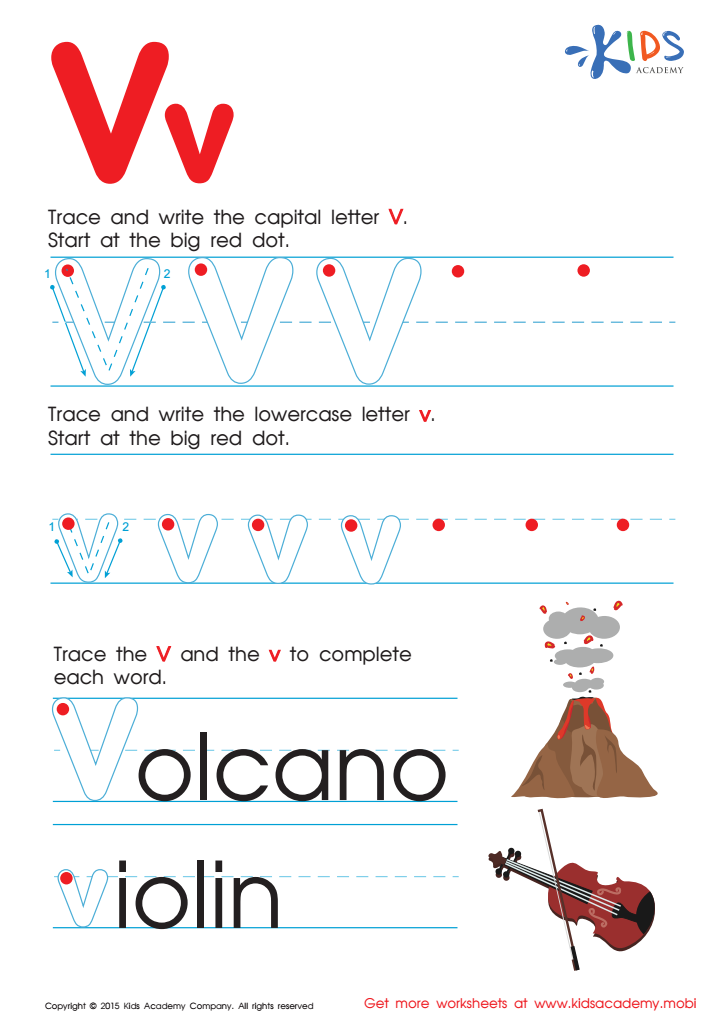
Letter V Tracing Page
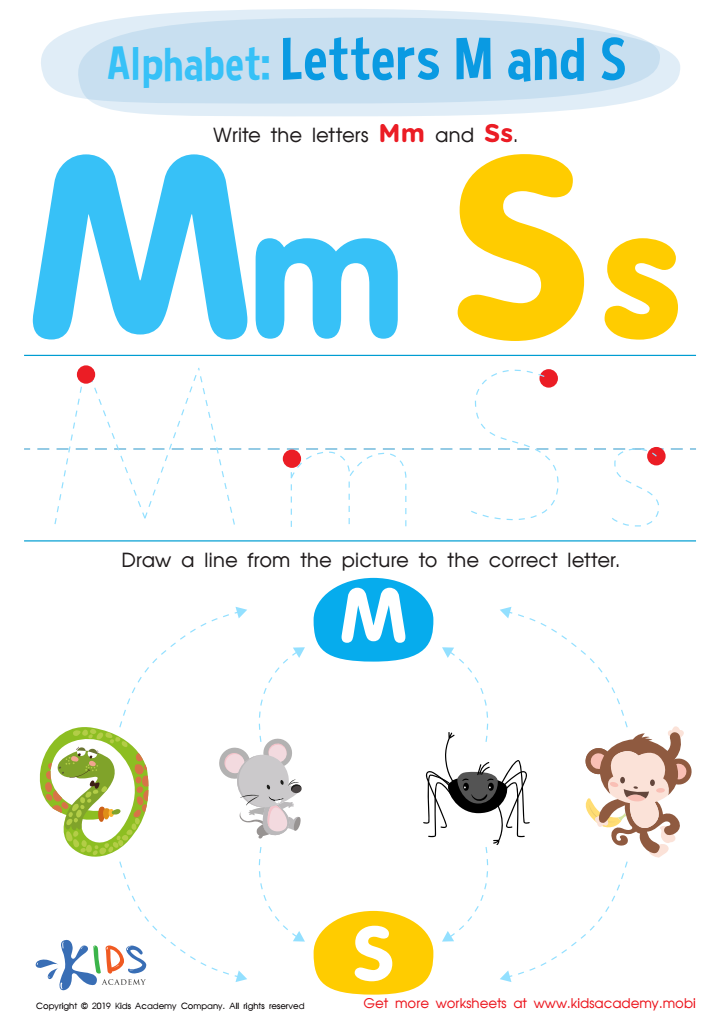
Letters M and S Tracing Worksheet
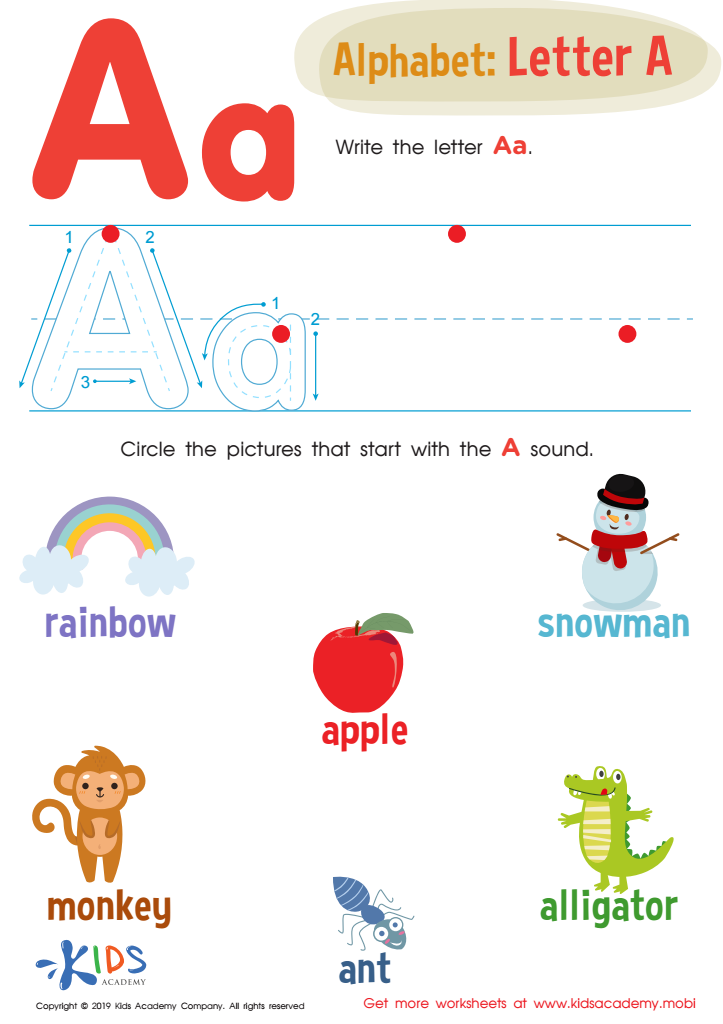
Letter A Tracing Worksheet
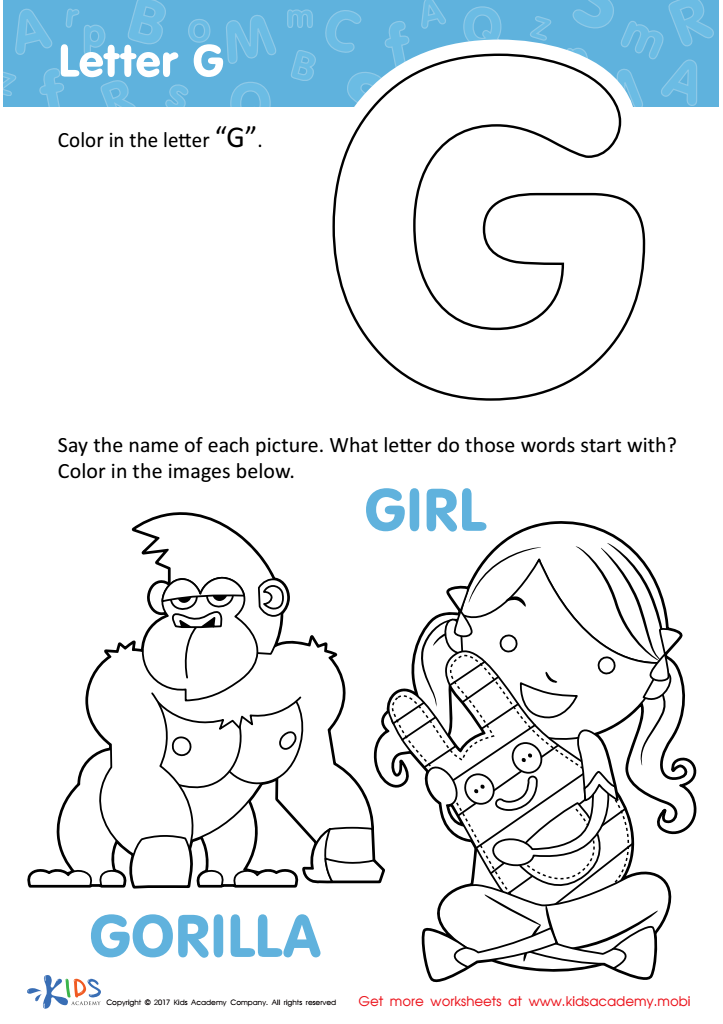
Letter G Coloring Sheet
 Assign to My Students
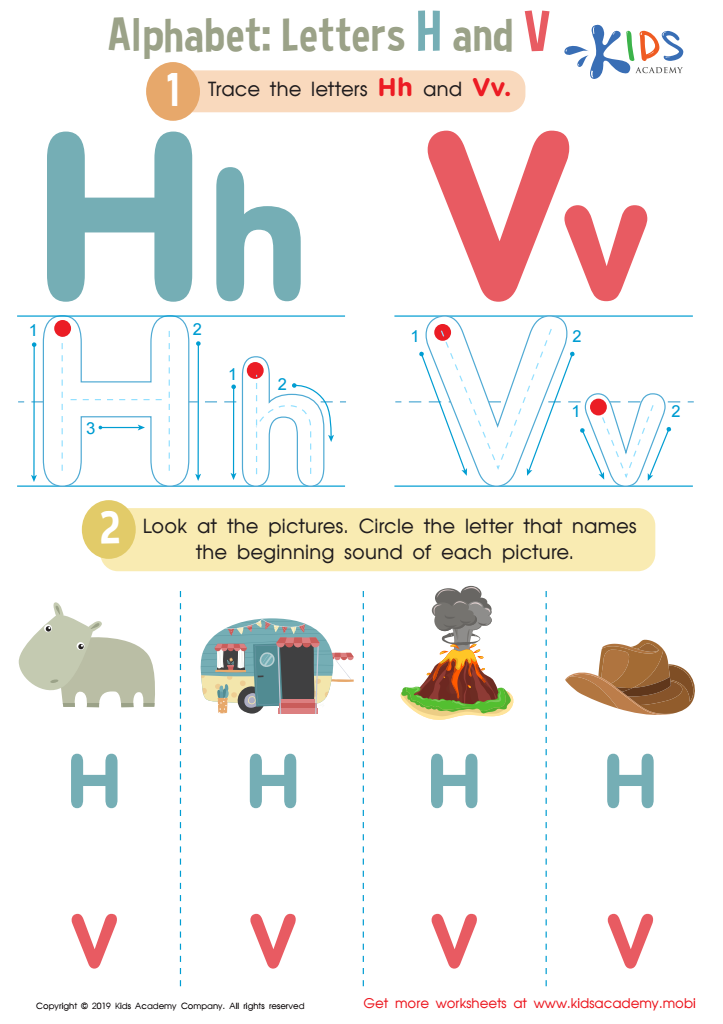
Letters H and V Tracing Worksheet
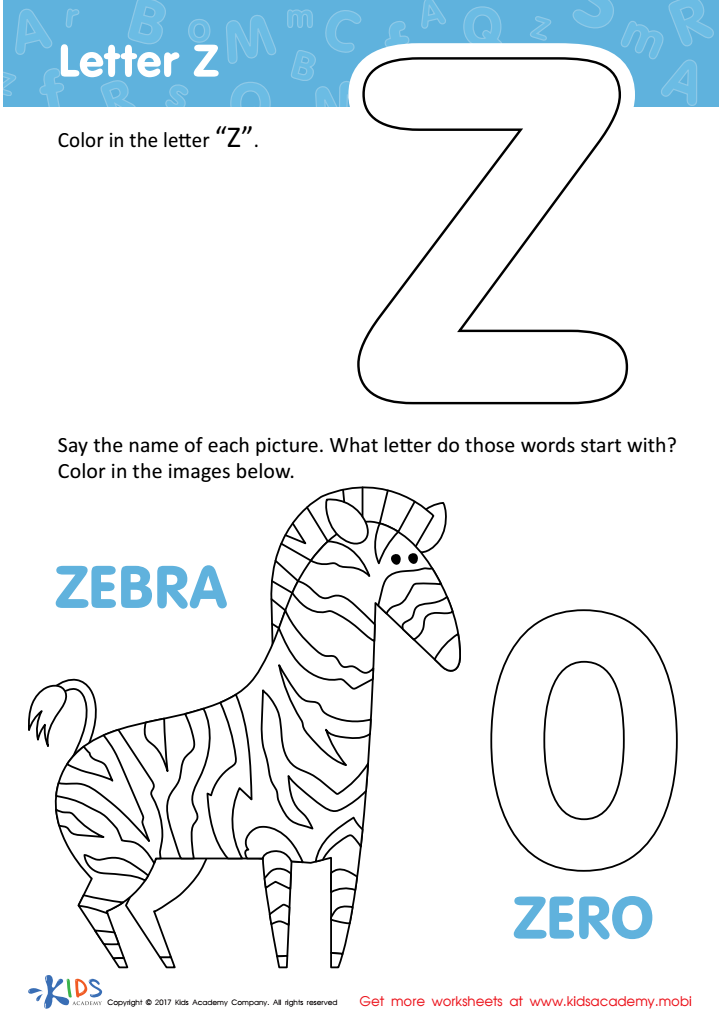
Letter Z Coloring Sheet
Assign to My Students
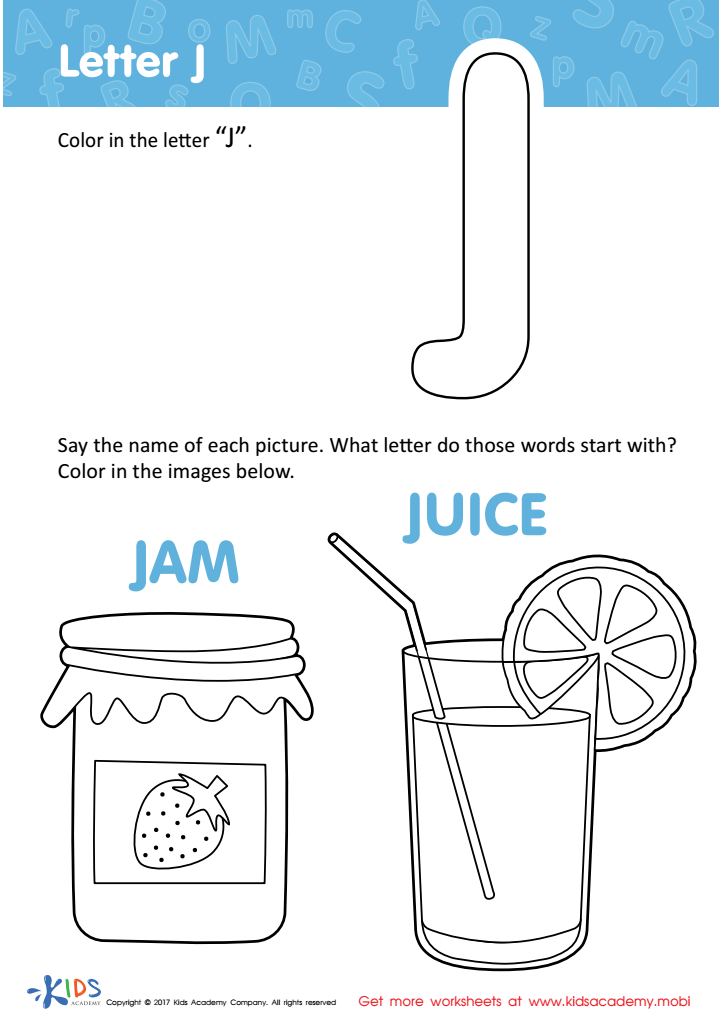
Letter J Coloring Sheet
Assign to My Students
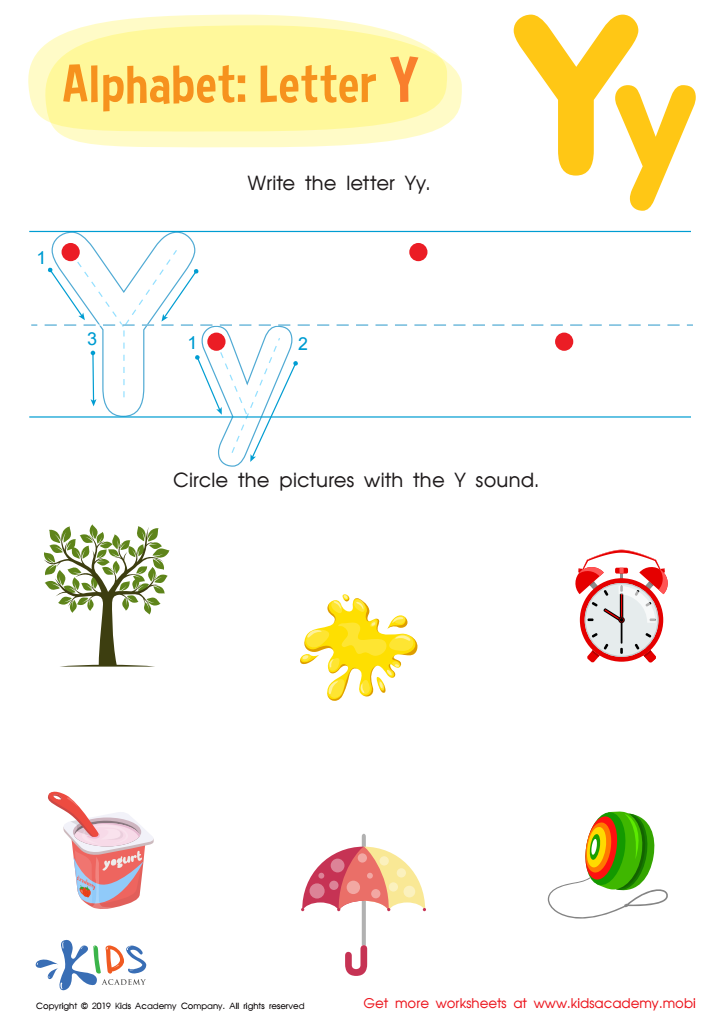
Letter Y Tracing Worksheet
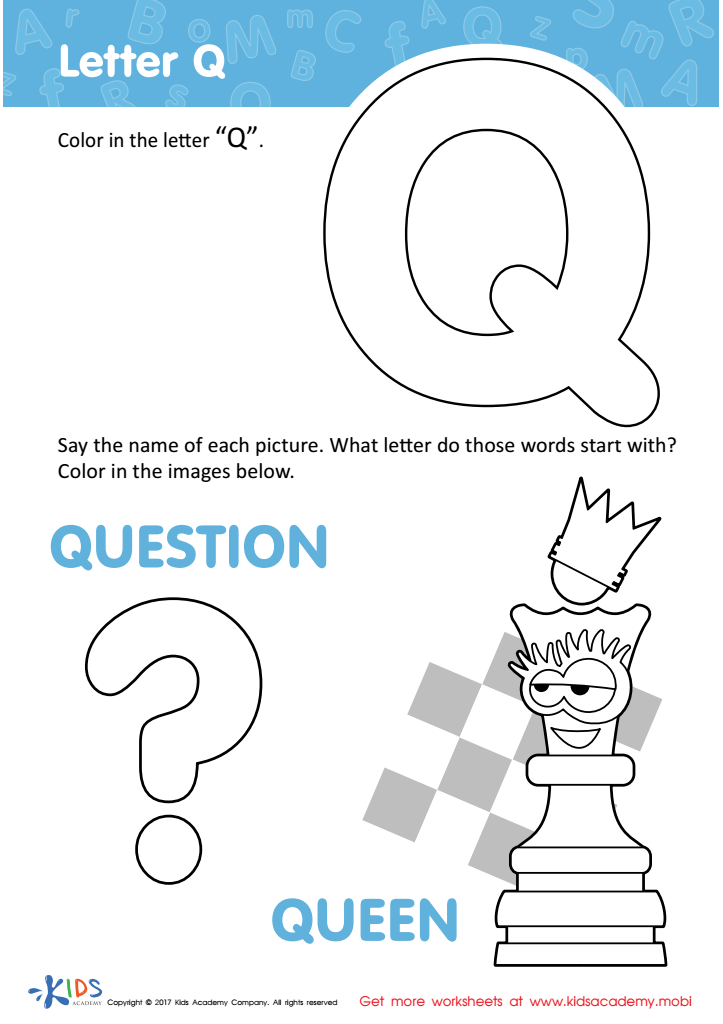
Letter Q Coloring Sheet
Assign to My Students
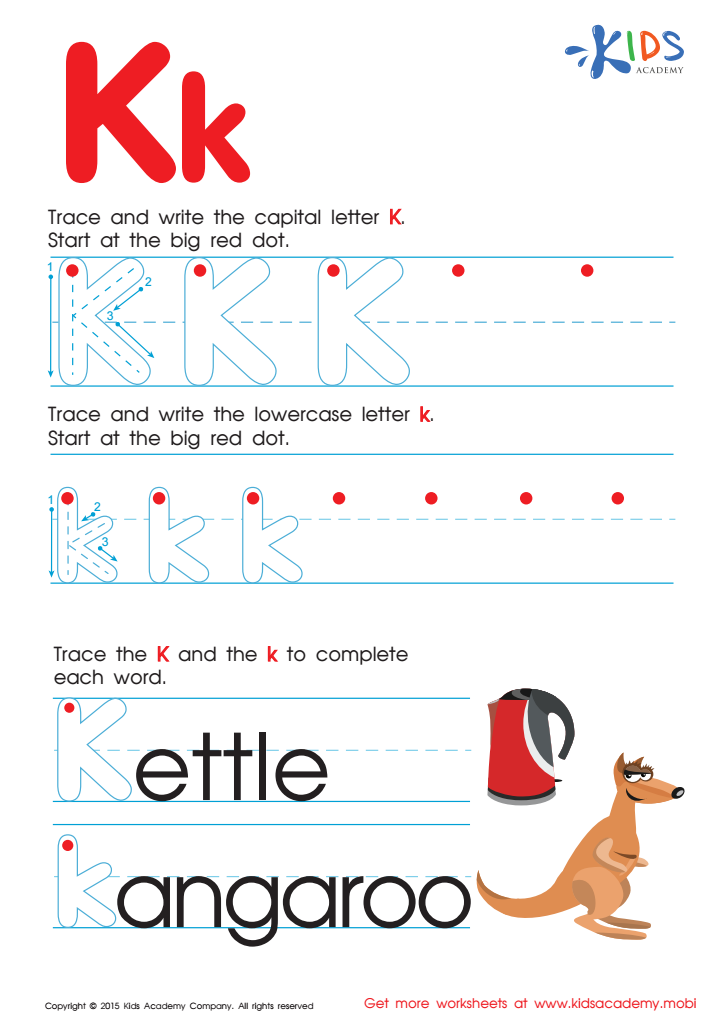
Letter K Tracing Page
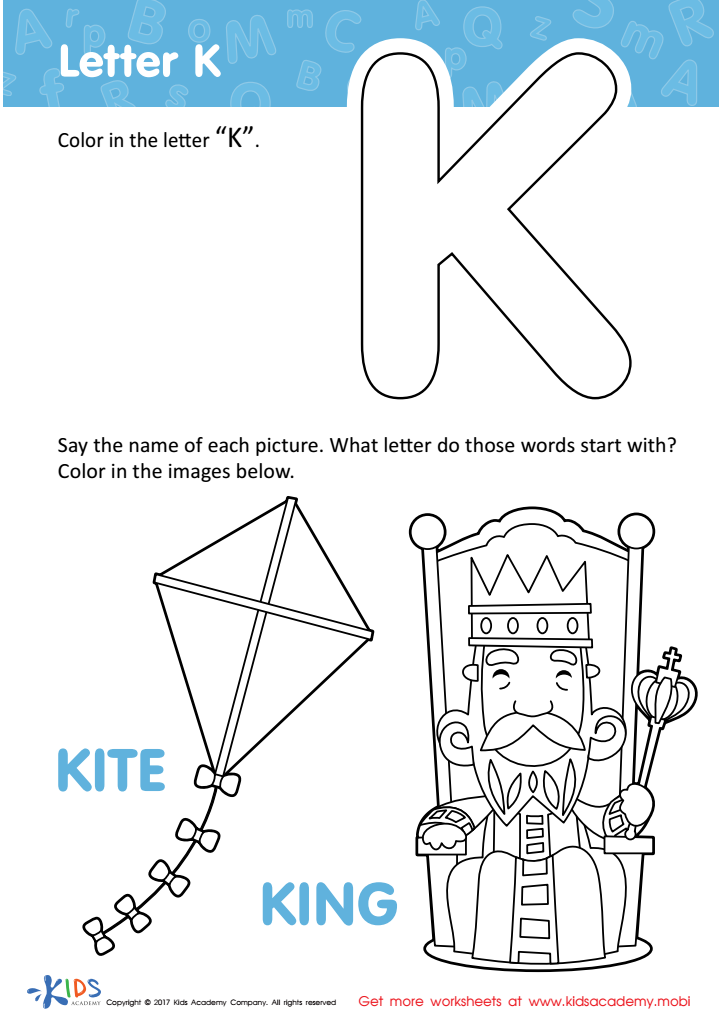
Letter K Coloring Sheet
Assign to My Students

Letter F Tracing Page
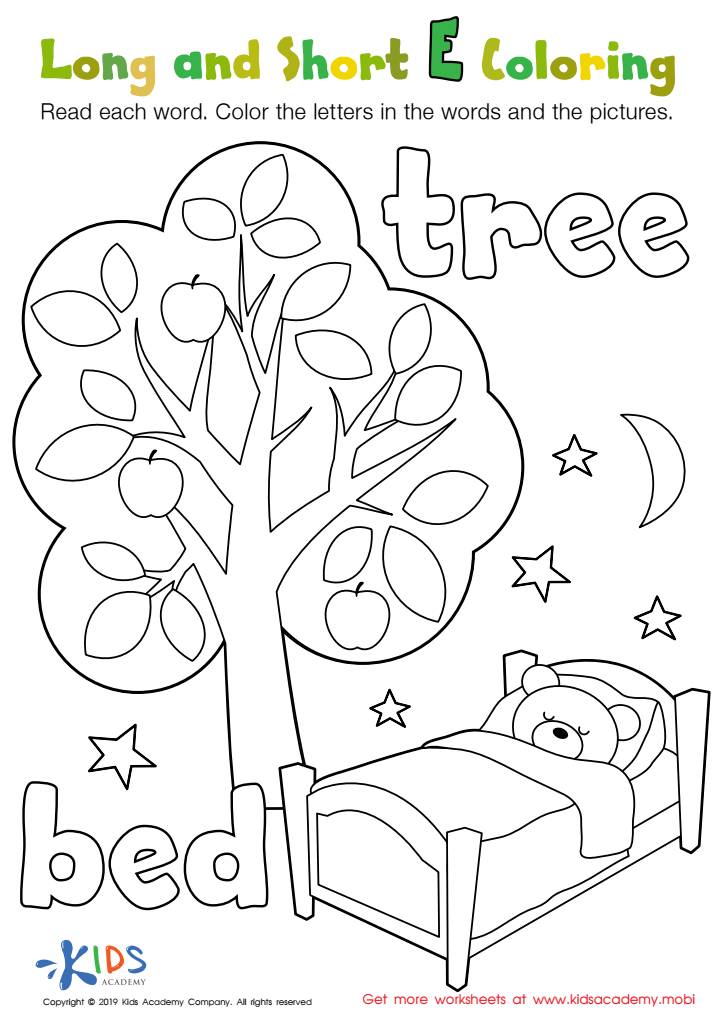
Long and Short E Worksheet
Assign to My Students
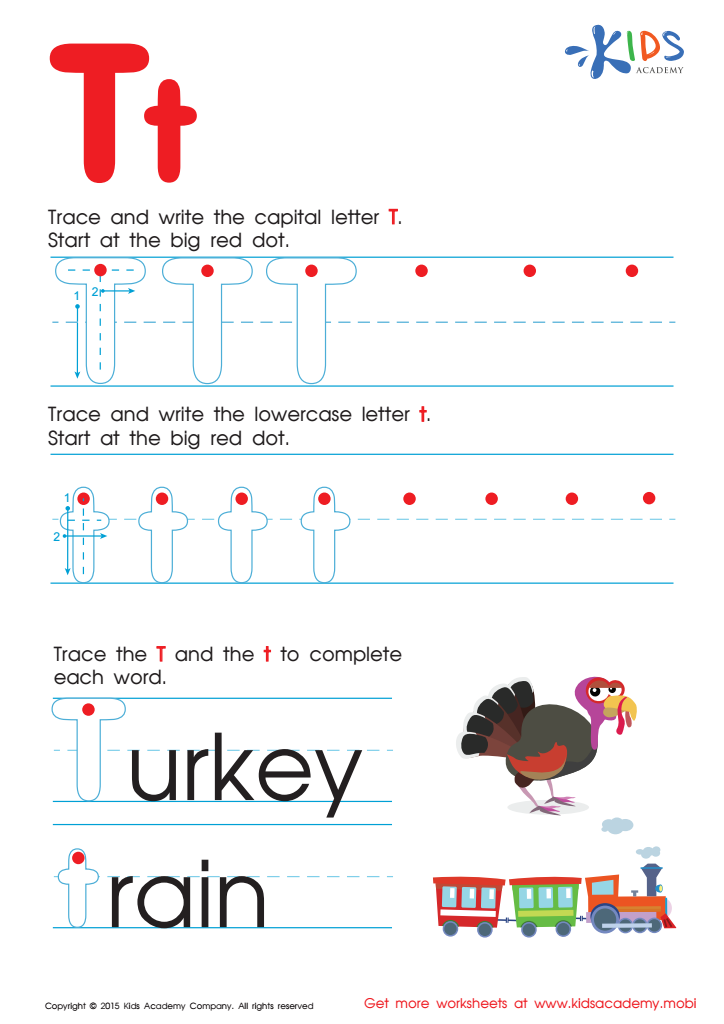
Letter T Tracing Page
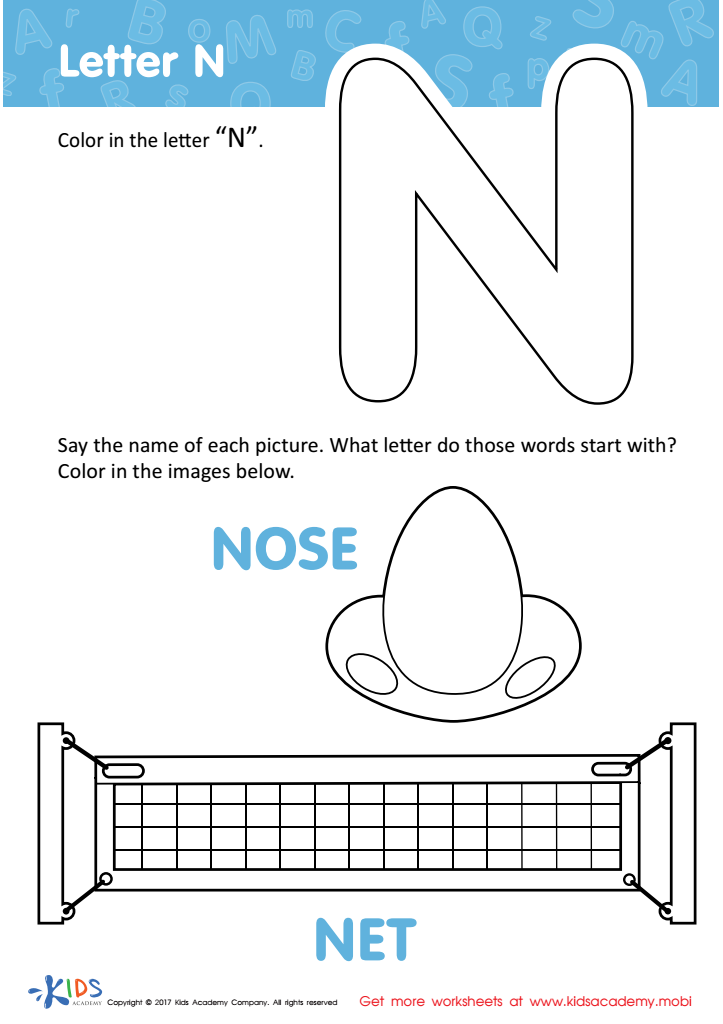
Letter N Coloring Sheet
Assign to My Students
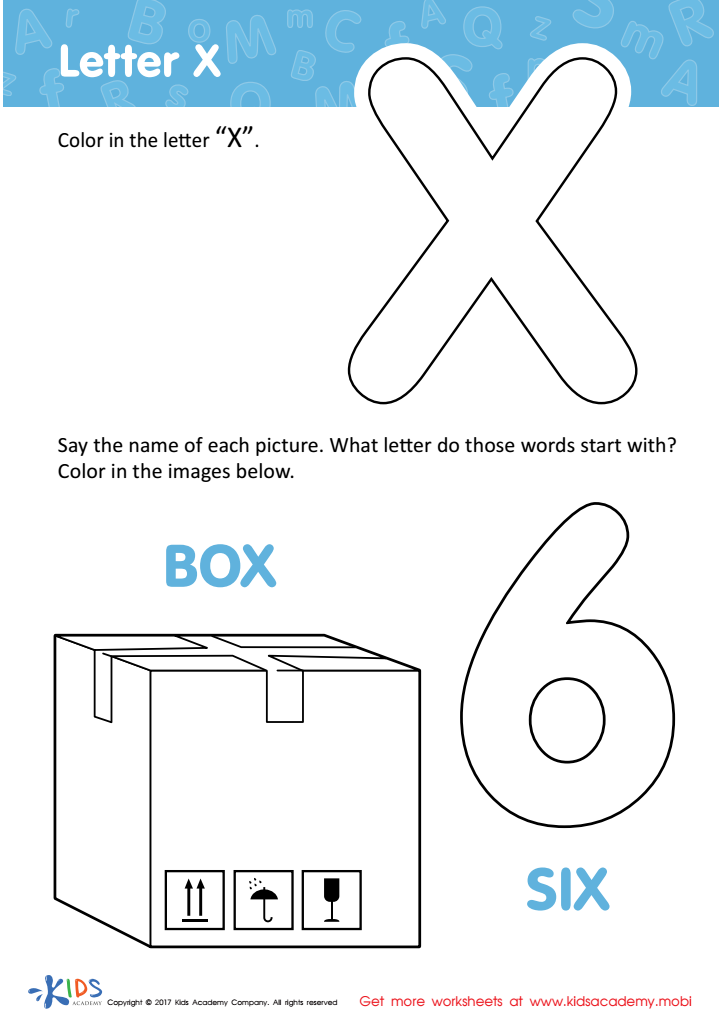
Letter X Coloring Sheet
Assign to My Students

Letter D Tracing Page





Letter recognition is a foundational skill for young learners in the early primary years. For children aged 5-9, mastering the alphabet is crucial as it serves as the building block for reading and writing. Parents and teachers should prioritize letter recognition because it fosters literacy development, crucial for academic success. Recognizing letters helps children understand the connection between sounds and symbols, facilitating phonetic awareness, which is essential for decoding words.
Moreover, letter recognition enhances children’s confidence and ability to express themselves. When they can identify letters and sounds, they can start reading simple words, leading to improved comprehension and a love for reading. This skill also supports language development, allowing children to expand their vocabulary and increase their cognitive skills through storytelling and discussions.
Additionally, in today’s digital age, where communication is often text-based, mastering letter recognition helps kids navigate academic and social environments more effectively. When parents and teachers actively engage in promoting letter recognition, they equip children with essential tools for lifelong learning, making it a vital focus during these formative years. Overall, fostering letter recognition is not just about learning the alphabet; it is about building a foundation for future educational achievements and personal growth.