Letter Tracing English for Beginners Worksheets for Ages 5-9
6 filtered results
Difficulty Level
Grade
Age
-
From - To
Subject
Activity
Standards
Introduce your child to the foundational skills of writing with our "Letter Tracing English for Beginners Worksheets for Ages 5-9." These engaging, easy-to-follow printables help young learners master the alphabet through fun tracing activities, ideal for ages 5 to 9. Perfect for both native speakers and ESL students, our worksheets offer step-by-step guidance to develop fine motor skills and letter recognition. With a diverse collection of themed sheets, kids can enjoy practicing their ABCs in an exciting, interactive way. Boost your child's confidence and handwriting abilities with our expertly designed letter tracing resources.
Favorites
With answer key
Interactive
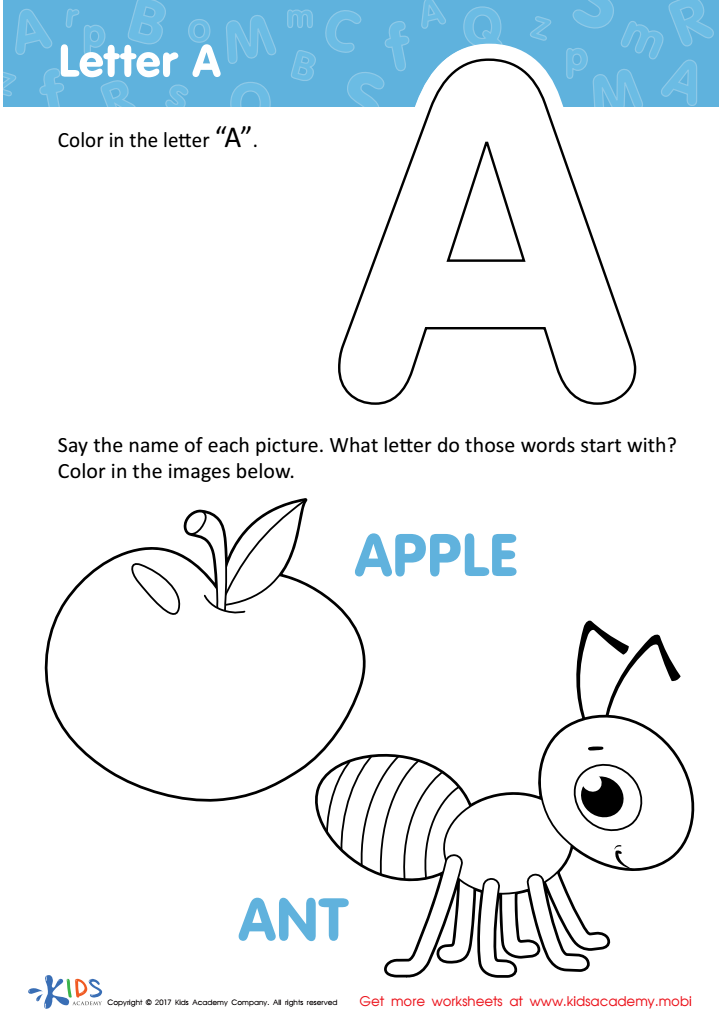
Letter A Coloring Sheet
This letter "A" coloring page is great for introducing kids to the alphabet! Let them exercise their creativity while they learn to recognize letters and sounds - it's a fun and easy way to help them get started.
Download (PDF)
 Assign to My Students
Assign to My Students
Letter A Coloring Sheet
Worksheet
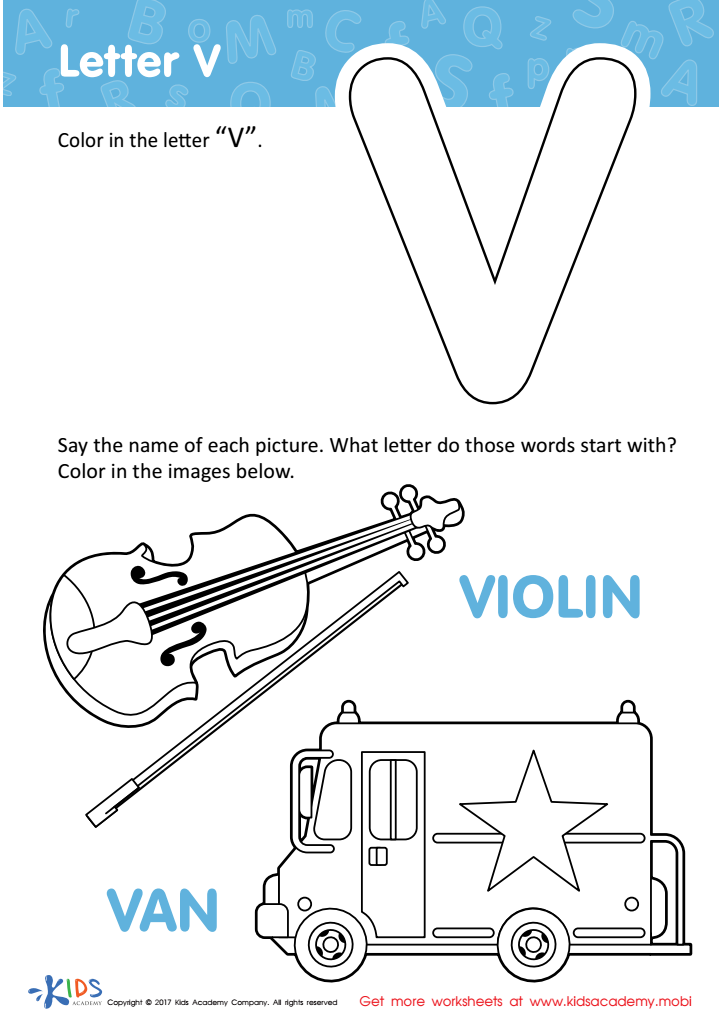
Letter V Coloring Sheet
This fun letter V coloring page can boost your child's knowledge of the letter "V" and its sound. Help them pronounce it correctly, too!
Download (PDF)
Assign to My Students
Assign to My Students
Letter V Coloring Sheet
Worksheet
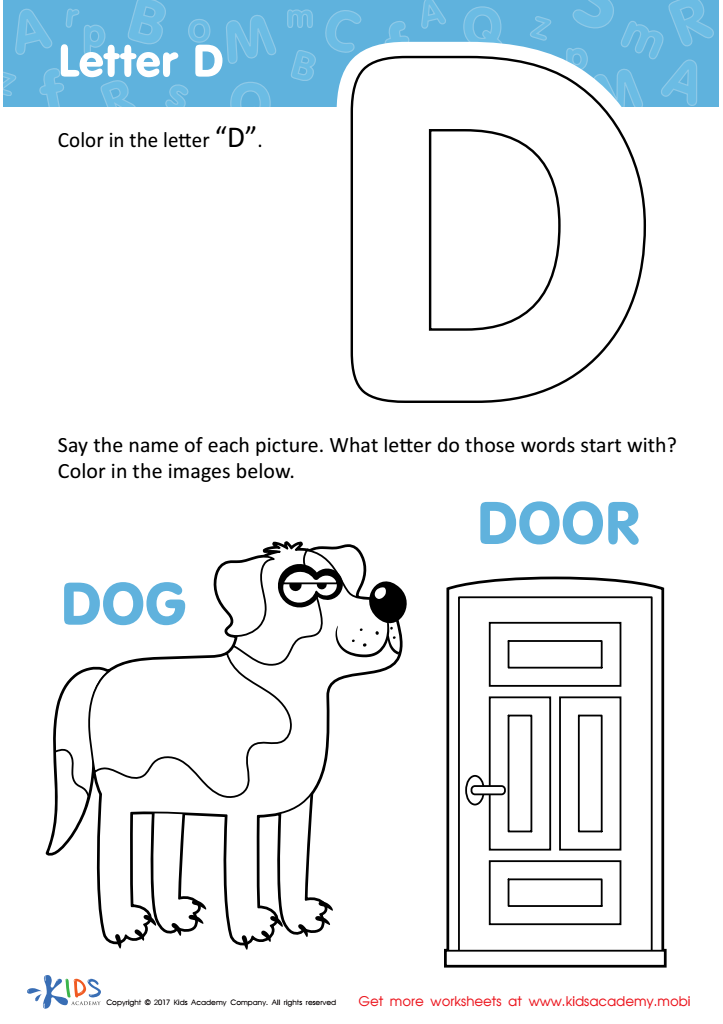
Letter D Coloring Sheet
Coloring with this letter "D" page is a great way to encourage your child's creativity while they learn the letter "D" and its sound. It's a fun activity to stimulate their imagination!
Download (PDF)
Assign to My Students
Assign to My Students
Letter D Coloring Sheet
Worksheet
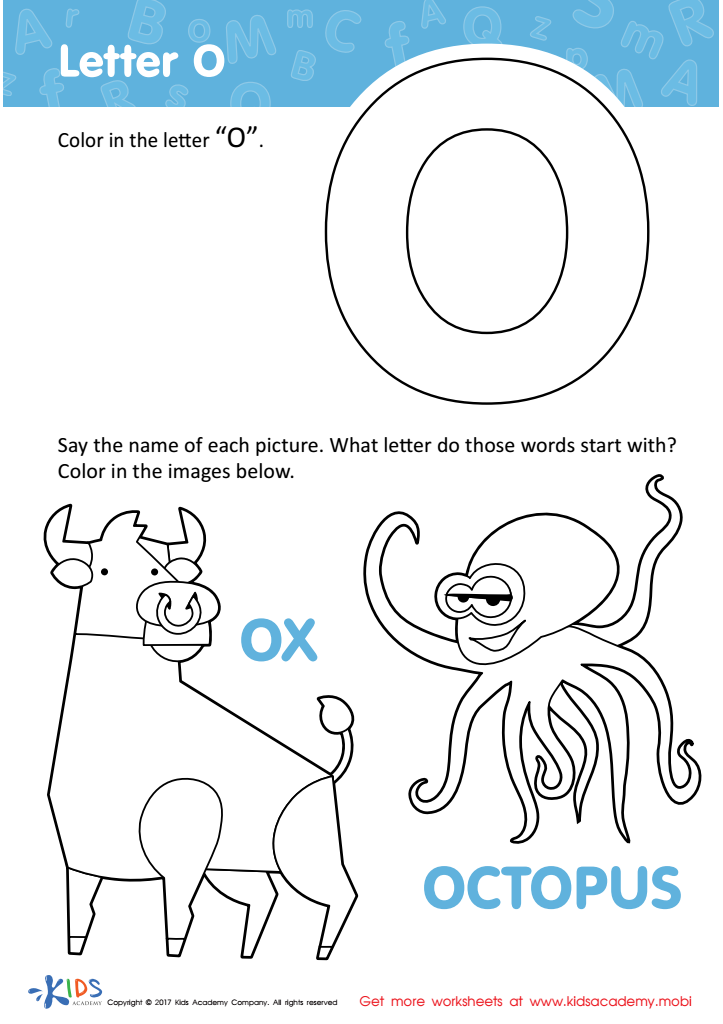
Letter O Coloring Sheet
Oh my! The letter "O" is so much fun. Coloring in the octopus and ox on this delightful letter "O" coloring page can help your child have fun while strengthening their recognition of the letter and sound.
Download (PDF)
Assign to My Students
Assign to My Students
Letter O Coloring Sheet
Worksheet
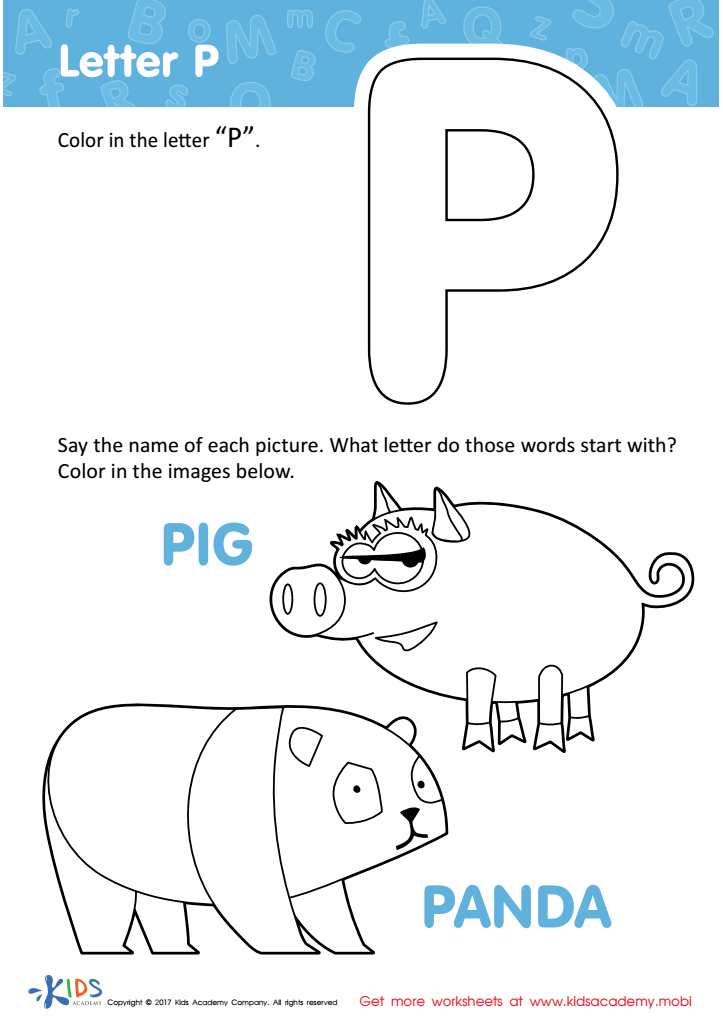
Letter P Coloring Sheet
Encourage your child's creativity and letter recognition with this "P" coloring page! Through coloring animals such as pigs and pandas, your little one will get to know the sound of the letter "P" and have fun too!
Download (PDF)
Assign to My Students
Assign to My Students
Letter P Coloring Sheet
Worksheet
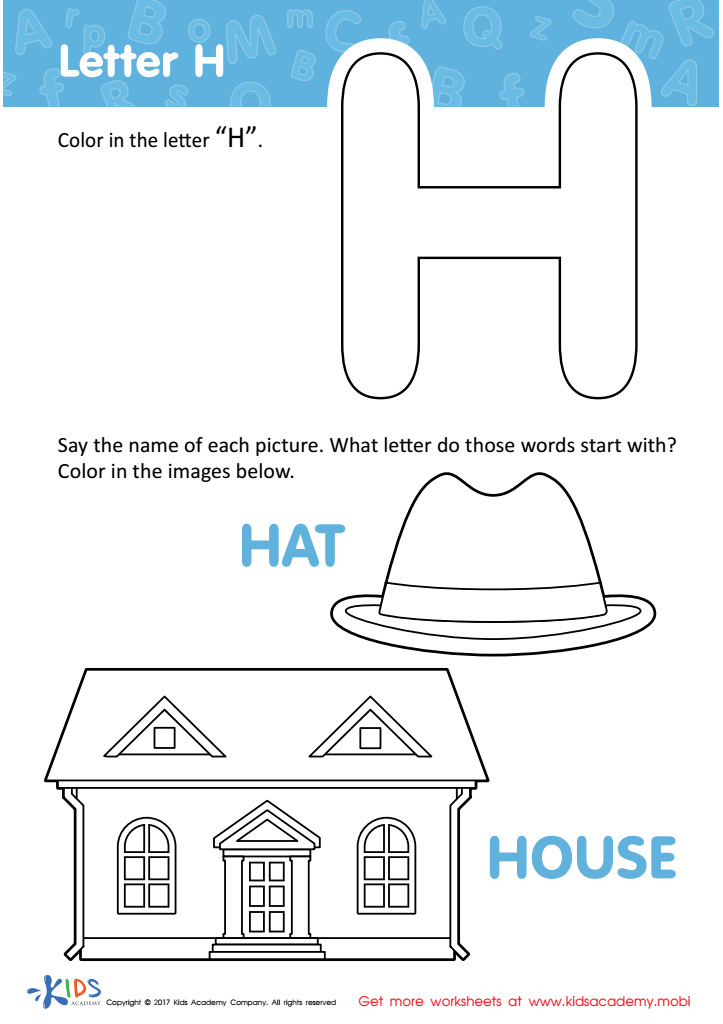
Letter H Coloring Sheet
This fun "H" coloring page will help your child recognize the letter and sound of "H"! With a hat and house to color, your little learner will have a blast picking colors and creating designs, all while learning about the letter "H"!
Download (PDF)
Assign to My Students
Assign to My Students
Letter H Coloring Sheet
Worksheet
Join Kids Academy for Free
Who is primarily going to use this learning content?




Letter tracing for young children, particularly those aged 5-9, is a foundational activity that significantly impacts early literary skills. In this crucial developmental stage, mastering letter formation lays the groundwork for effective writing and reading skills. Parents and teachers should pay attention to letter tracing because it enhances fine motor skills necessary for writing. The repetitive act of tracing curves and lines helps strengthen hand muscles and improves hand-eye coordination, critical for holding and controlling writing instruments.
Moreover, letter tracing aids in letter recognition and phonetic awareness. As kids repeatedly trace and say the letters, they develop a strong association between the visual symbol and its corresponding sound. This is not just about creating legible writing; it forms the basis for fluent reading. By learning to identify and differentiate letters early, children find it easier to decode words and sentences, which boosts their reading confidence and enjoyment.
In addition to cognitive and motor benefits, letter tracing instills a sense of achievement and concentration in young learners. As they see their own progress, their confidence grows, fostering a positive attitude towards future literacy challenges. Thus, introducing letter tracing at an early age is a meaningful step in nurturing capable, confident, and enthusiastic learners.