Applying math skills Worksheets for Ages 5-9
3 filtered results
-
From - To
Discover our engaging "Applying Math Skills Worksheets" designed specifically for children ages 5-9! These worksheets provide young learners with fun, interactive activities that promote essential math concepts such as addition, subtraction, counting, and problem-solving. Each worksheet is crafted with bright visuals and relatable scenarios to captivate children's interest and enhance their understanding of math in everyday situations. Perfect for home practice or classroom use, our resources align with educational standards and foster independent learning. Watch your child build confidence and mastery in math while enjoying the process! Explore our selection today and make math an exciting adventure!
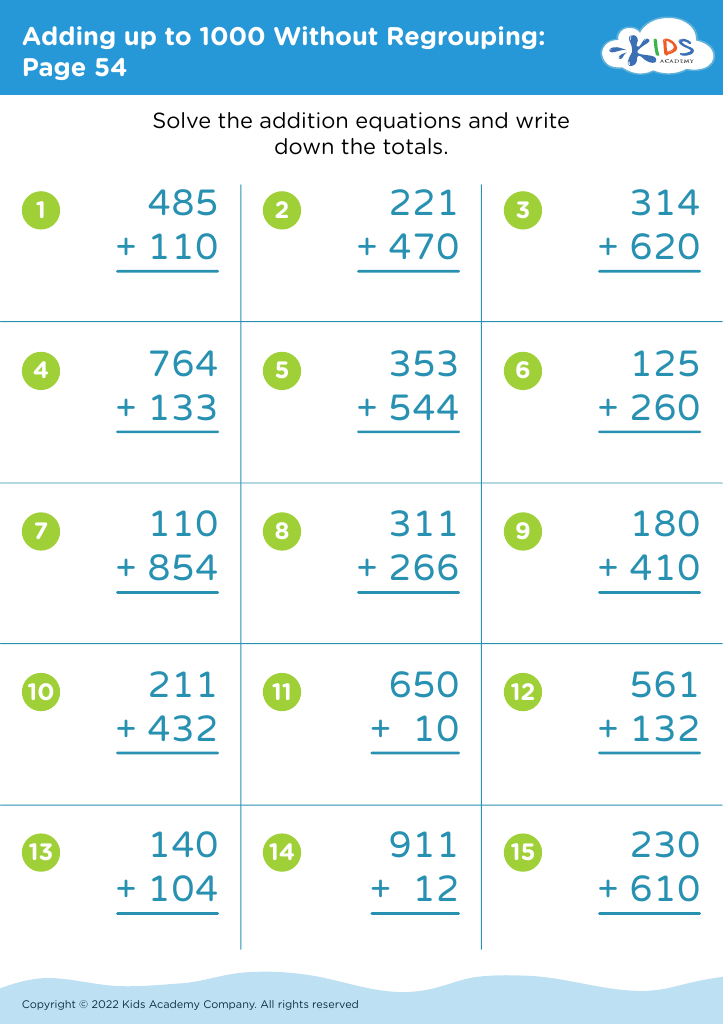
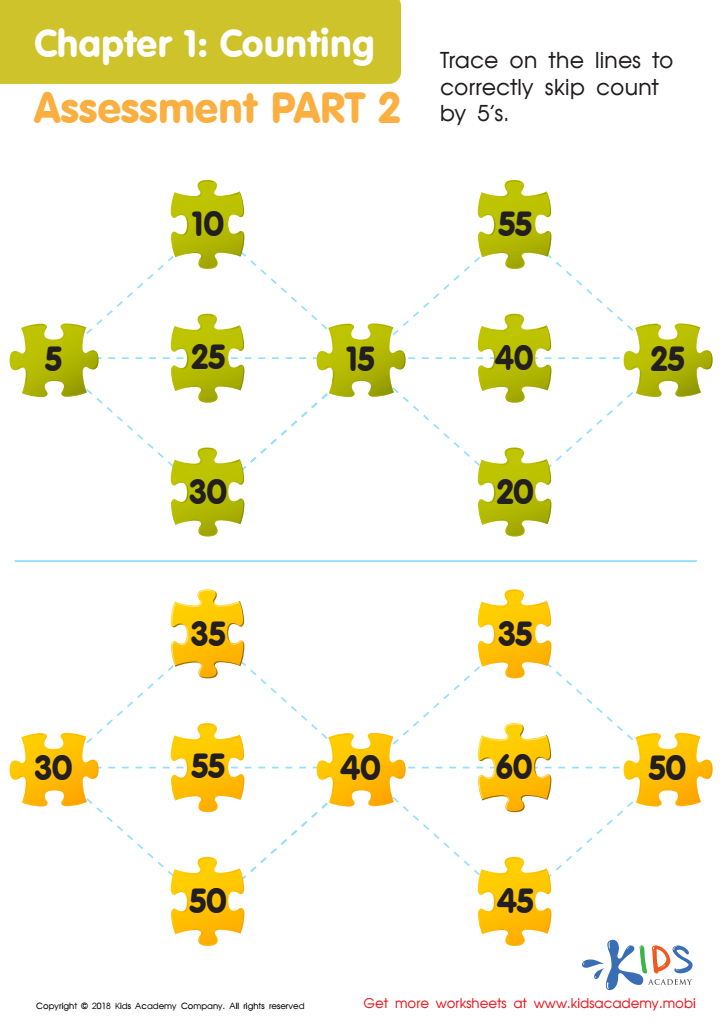
Counting: Assessment 2 Worksheet
 Assign to My Students
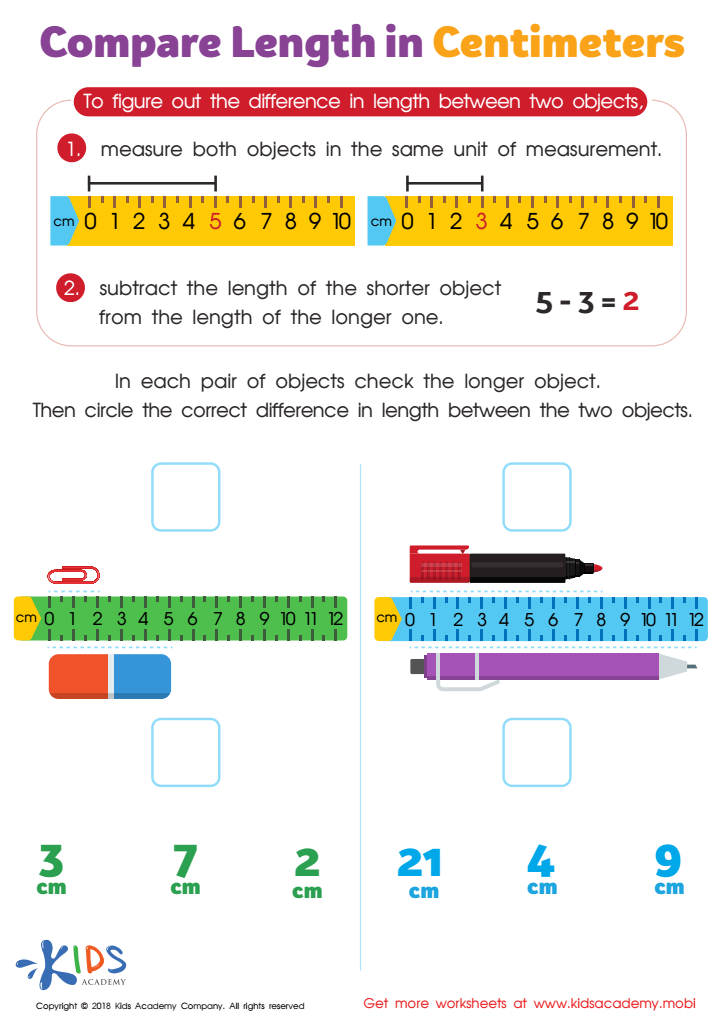
Compare Length in Centimeters Worksheet








Parents and teachers should prioritize the application of math skills for children ages 5-9 due to the foundational role these skills play in early cognitive development. During these formative years, children build essential numeracy skills that will support their future academic success. Engaging children in practical math activities helps them understand concepts such as counting, addition, and subtraction in real-life contexts, making learning meaningful and relevant.
Furthermore, math skills are intertwined with problem-solving abilities and logical reasoning. By applying math in varied settings—like cooking, shopping, or playing games—children learn to think critically and make decisions based on quantitative information. This not only builds their math confidence but also cultivates a positive attitude toward mathematics as they see its usefulness in daily life.
Additionally, fostering early math skills enhances children's social interaction when they collaborate on exercises or projects. Collaborative problem-solving also boosts communication skills. Overall, integrating math into everyday activities helps reinforce the learning content, making it engaging and enjoyable. For parents and teachers, supporting the application of math skills ensures that children develop solid foundations for not only future math learning but essential life skills as well.








