Associative learning Worksheets for Ages 5-9
7 filtered results
-
From - To
Boost cognitive development with our engaging Associative Learning Worksheets for ages 5-9! Designed to foster connections between concepts, these worksheets help children identify patterns, enhance memory, and improve problem-solving skills. Through fun and interactive activities, kids will learn to relate new information to familiar ideas, making learning meaningful and enjoyable. Perfect for early learners, our printable resources cover a variety of subjects and are ideal for reinforcing classroom learning or for at-home practice. Empower your child's learning journey with these valuable tools from Kids Academy - where education meets excitement!
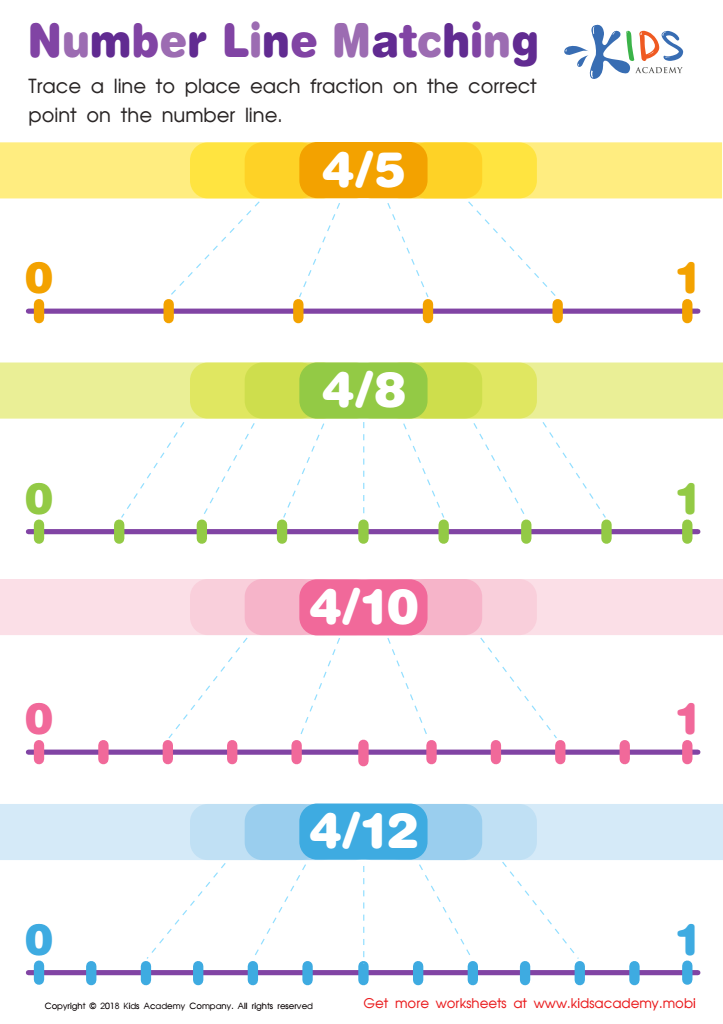
Number Line Matching Worksheet
 Assign to My Students
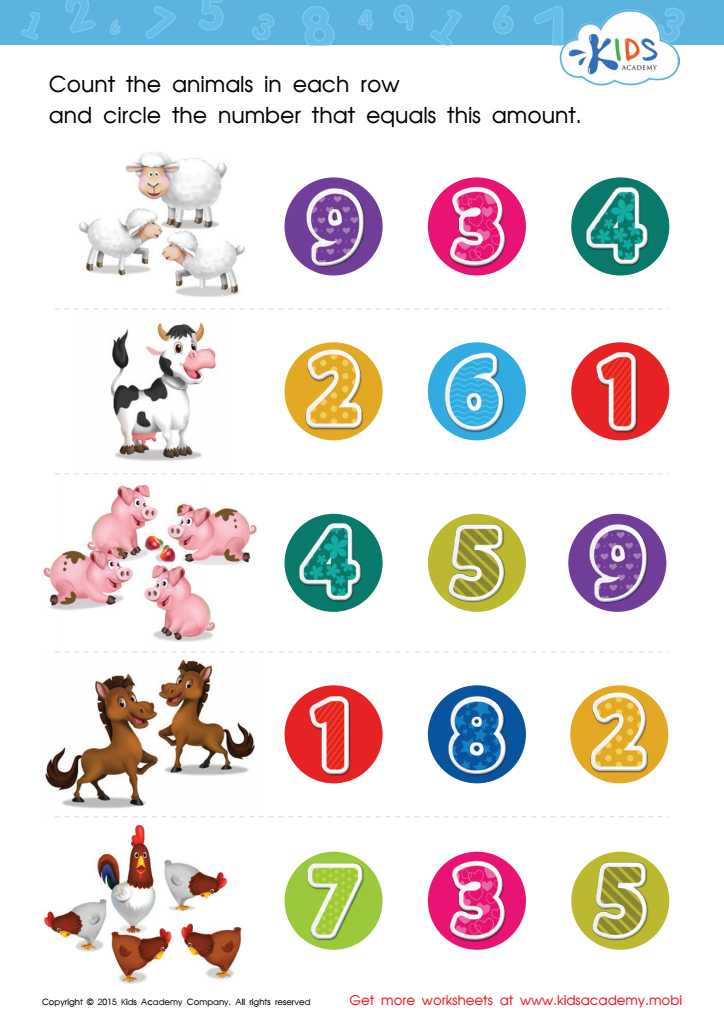
Count and Match 1 – 5 Math Worksheet
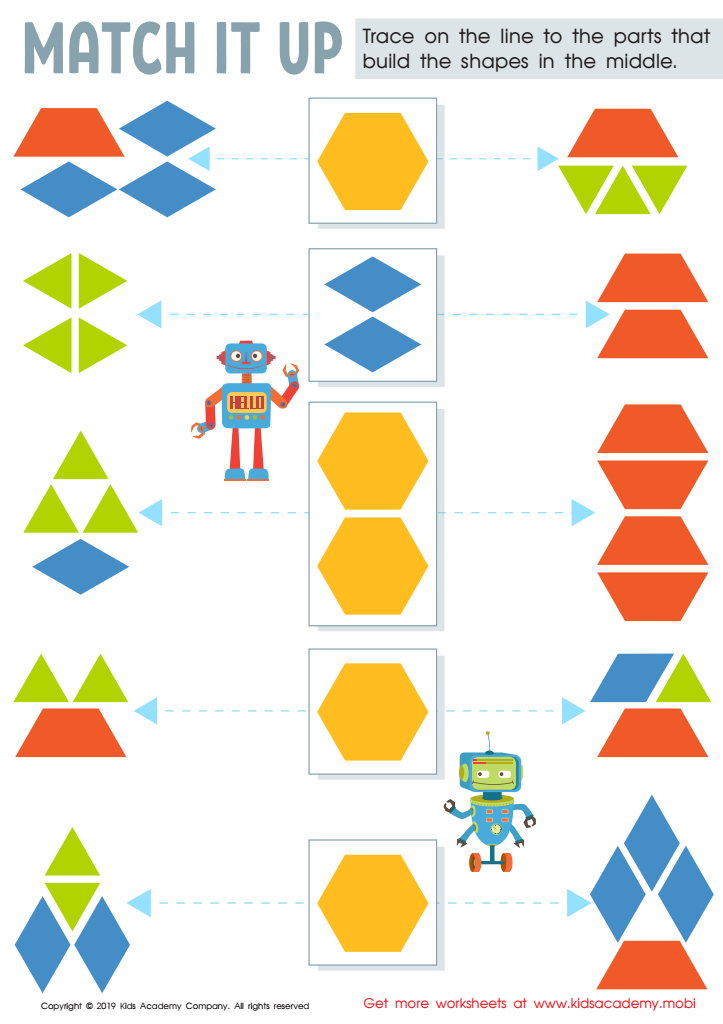
Match It up Worksheet
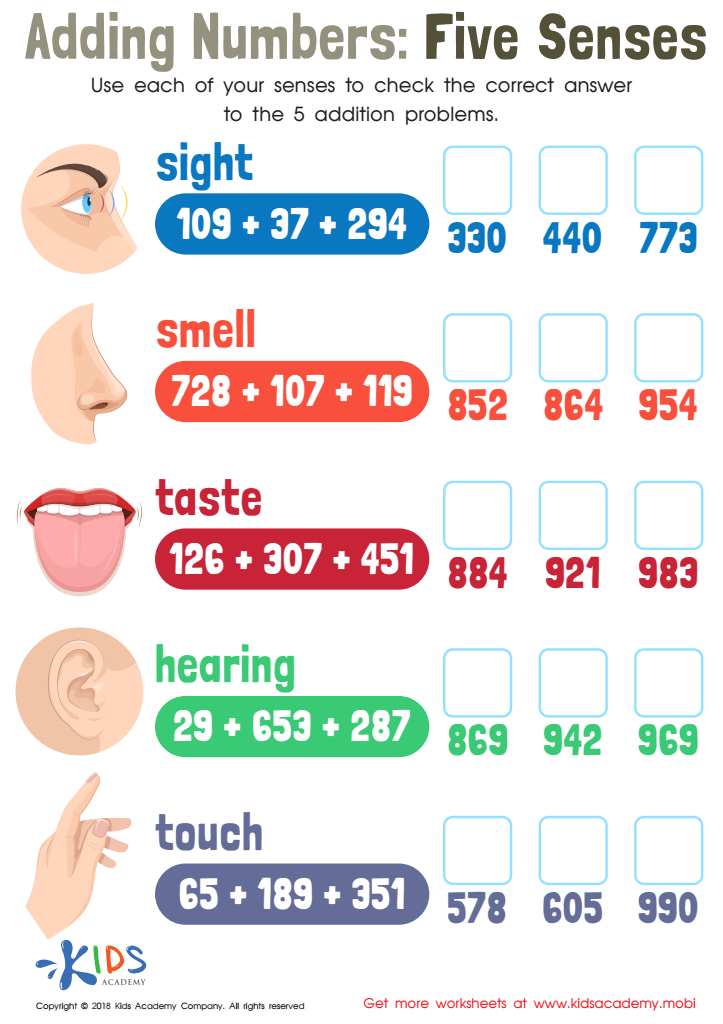
Adding Numbers: Five Senses Worksheet
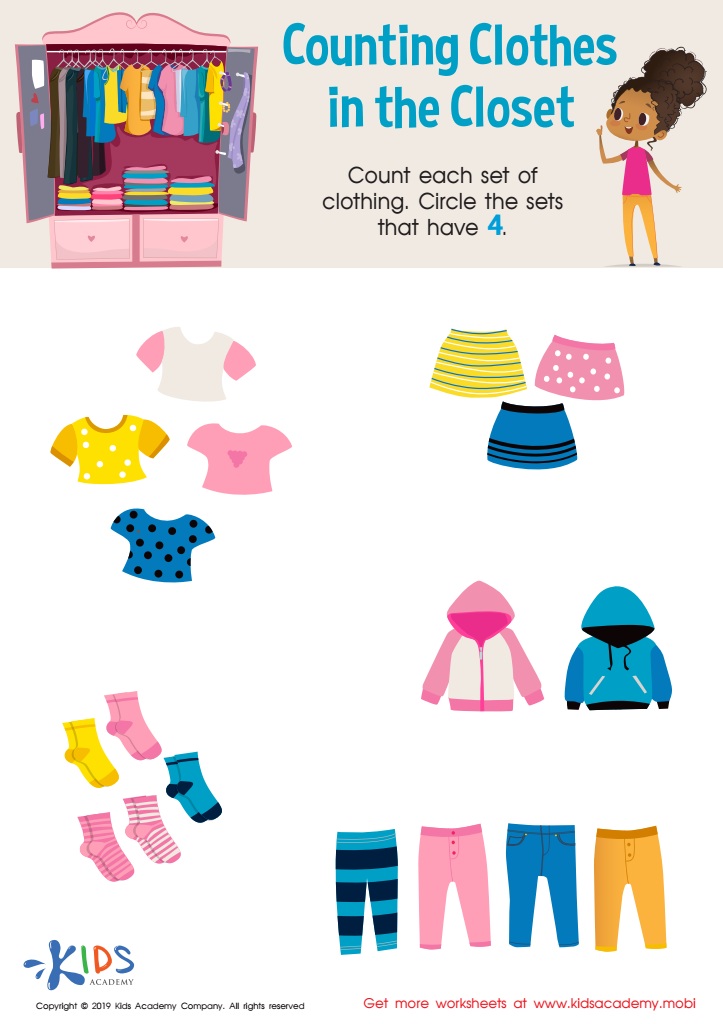
Counting Clothes Worksheet






Associative learning is a fundamental aspect of cognitive development in children aged 5-9, and understanding its importance can significantly benefit parents and teachers. This type of learning involves making connections between concepts, ideas, or events, which underpin much of a child's ability to understand the world and acquire new skills.
For young children, associative learning is central to vocabulary development. By associating words with images, sounds, or experiences, children can expand their language skills more effectively. It is also crucial for developing critical thinking and problem-solving abilities. When children link cause and effect, such as understanding that flipping a light switch makes the light turn on, they build vital logical and reasoning skills.
Moreover, associative learning plays a significant role in emotional and social development. Children learn to associate facial expressions with feelings or behaviors with social consequences. This helps them build empathy, form stronger social bonds, and navigate social environments more successfully.
From a parental or educational perspective, incorporating associative learning strategies—like using multimedia materials or hands-on activities—can make lessons more engaging and memorable. By fostering an environment where associative learning is encouraged, adults can provide children with a stronger, more interconnected cognitive foundation that supports academic success and overall development.








