Basic addition practice Worksheets for Ages 5-9 - Page 2
26 filtered results
-
From - To
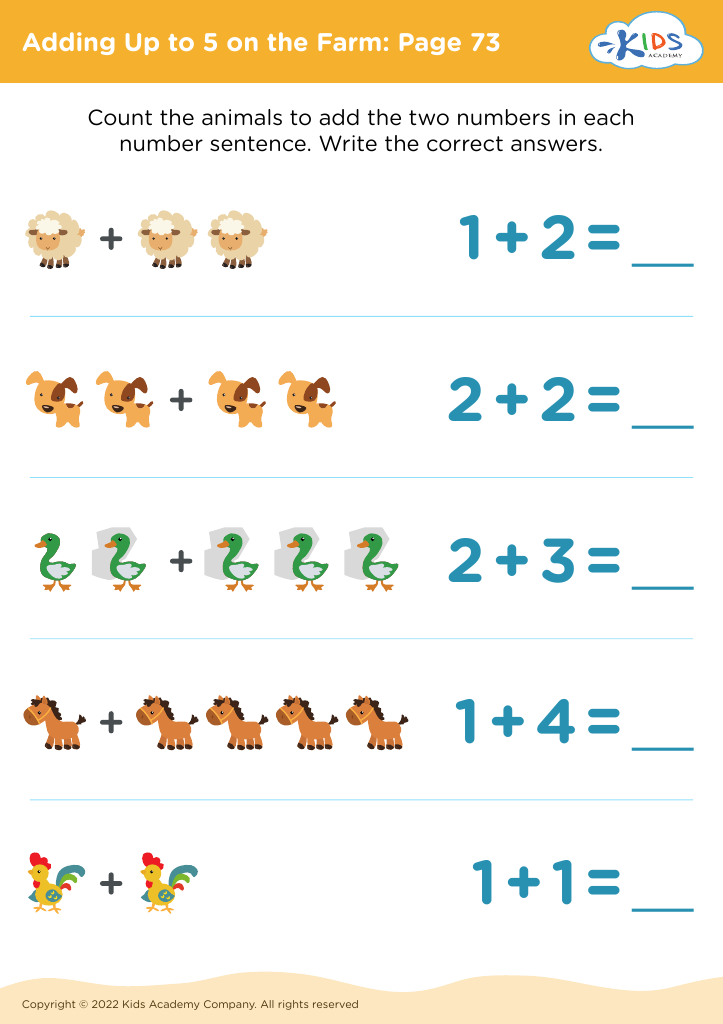
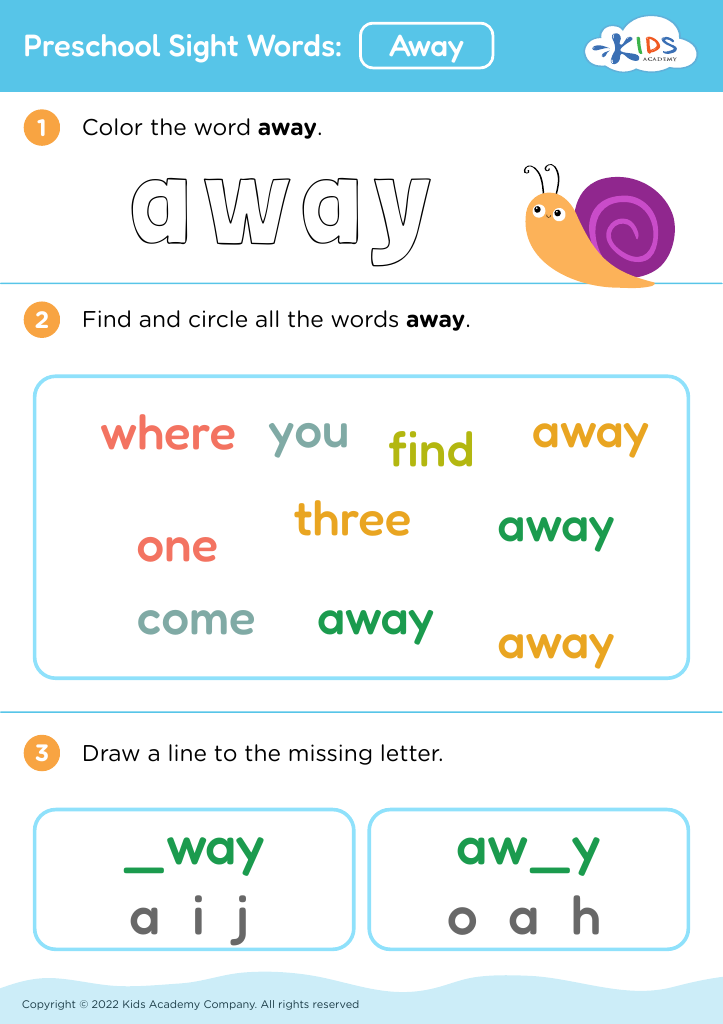








Parents and teachers should prioritize basic addition practice for children aged 5-9 as it lays the foundational building blocks for all future mathematics. At this crucial developmental stage, children are not only learning to add numbers but also developing critical thinking skills, problem-solving abilities, and cognitive functions. Mastery of basic addition allows kids to feel confident in their math abilities, forming a positive attitude towards learning.
Engaging in regular addition practice helps enhance mental math skills, promoting numerical fluency which is essential for later mathematical concepts like subtraction, multiplication, and division. It also encourages pattern recognition and assists in the development of logical thinking abilities.
Furthermore, consistent practice can often reveal preferred learning styles, guiding educators and parents in tailoring their approach to fit the individual child's needs. Incorporating fun activities—like games and interactive quizzes—into daily routines can help solidify these concepts, making learning enjoyable.
Finally, building a strong foundation in basic addition not only contributes to academic success but also instills a lifelong love for math and learning. In a world where numerical literacy is increasingly vital, ensuring children grasp these early concepts will serve them well into their future education and beyond.








