Basic Addition Worksheets for Ages 5-9 - Page 4
79 filtered results
-
From - To
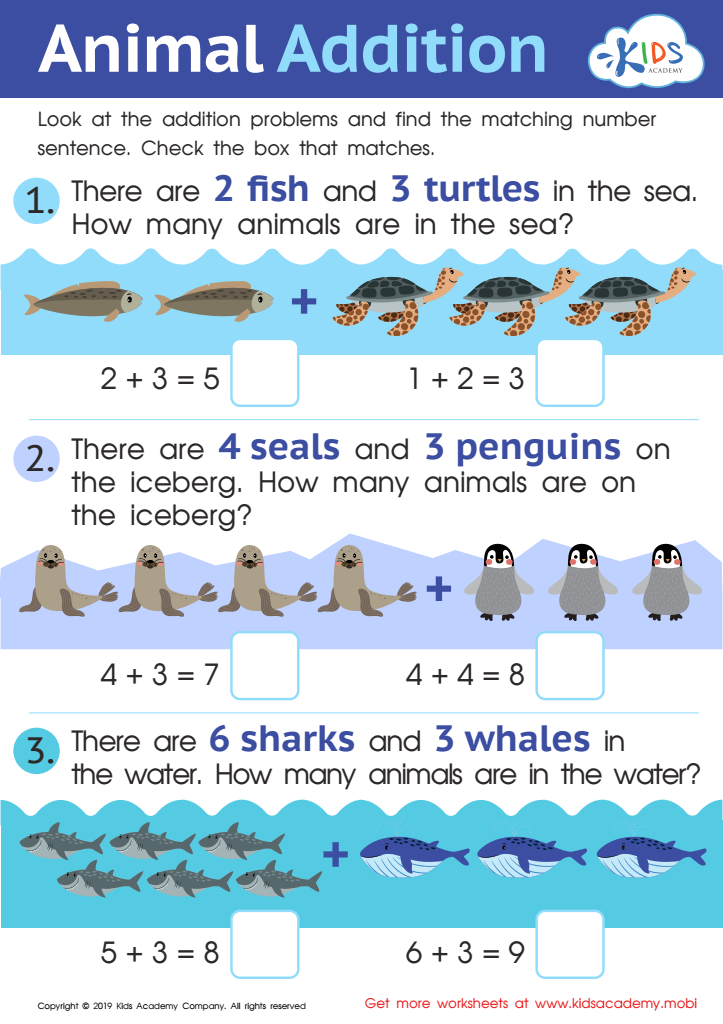
Animal Addition Worksheet
 Assign to My Students
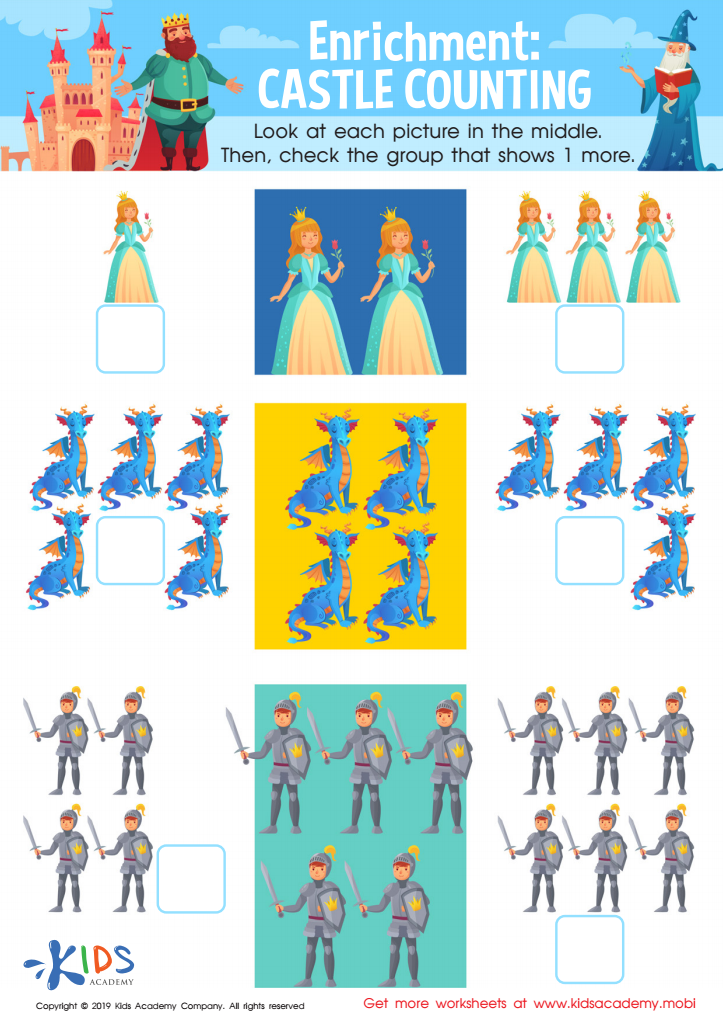
Enrichment: Castle Counting Worksheet
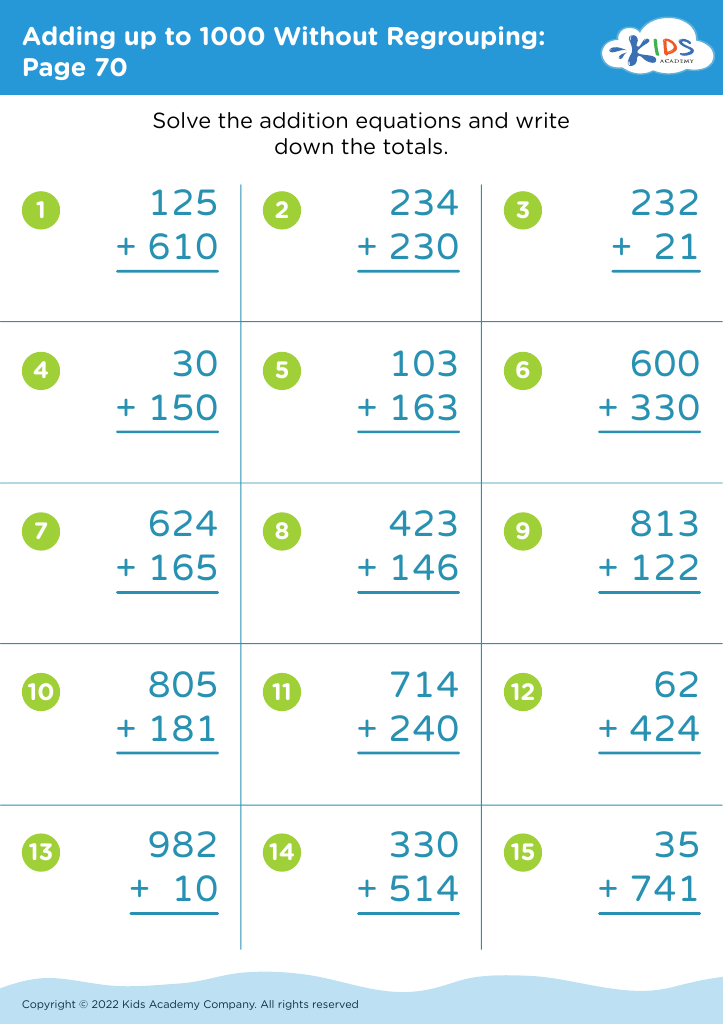
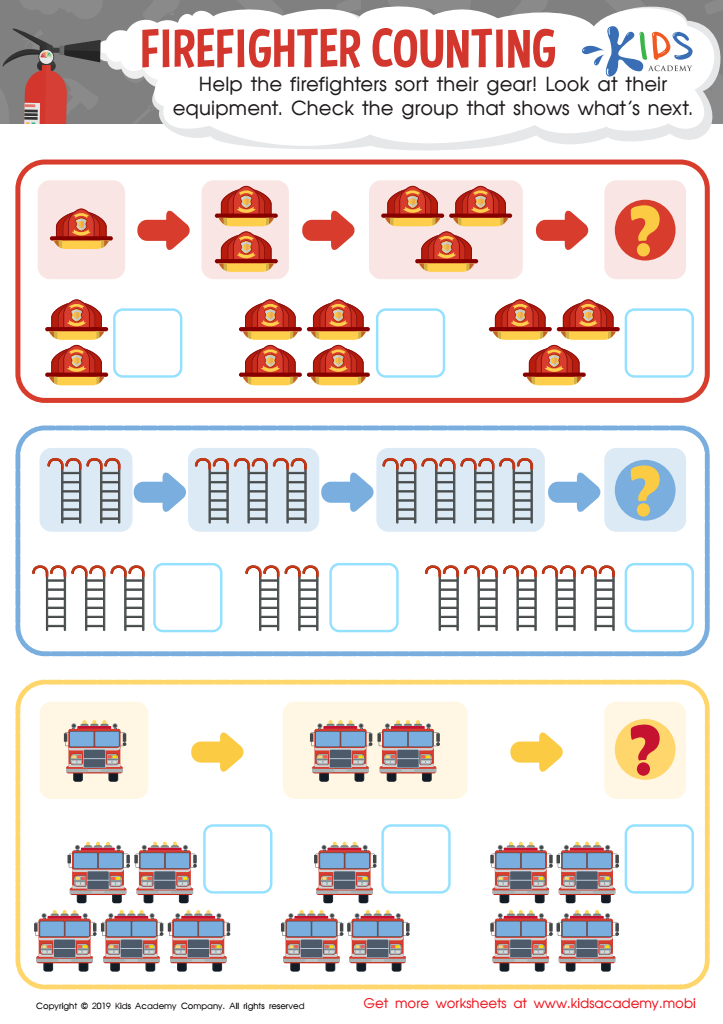
Firefighter Counting Worksheet
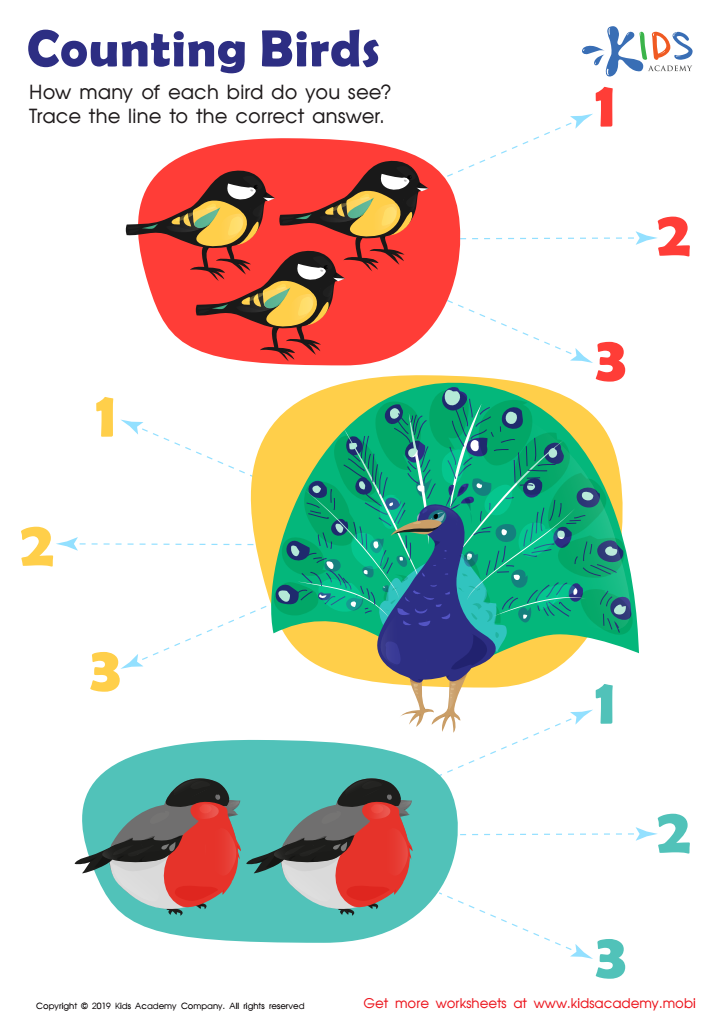
Counting Birds Worksheet






Basic addition is a fundamental building block in a child's mathematical development, particularly essential for children aged 5-9. At this developmental stage, children are highly receptive and are starting to form the core skills that will support their entire educational journey. Mastering basic addition lays the concrete foundation for more complex arithmetic, including subtraction, multiplication, and division.
For parents and teachers, ensuring that children grasp these basic concepts is crucial. Proficiency in addition not only boosts a child's confidence in mathematics but also enhances their problem-solving abilities. Additionally, it fosters logical thinking and the ability to follow sequential steps, skills applicable beyond mathematics to daily life and future learning scenarios.
When children struggle with basic addition and it is not addressed early, it can create a ripple effect impacting their overall academic achievement and causing potential math anxiety or aversion. On the other hand, consistent practice in addition nurtures a positive attitude toward learning, building a resilient mindset.
Furthermore, engaging children with practical and interactive methods of learning addition – like using physical objects, educational games, and immersive activities – makes learning fun and anchors these crucial skills firmly in their academic repertoire. Therefore, focusing on basic addition intermittently catalyzes a holistic and rewarding educational experience.








