Basic counting skills Worksheets for Ages 5-9 - Page 2
28 filtered results
-
From - To
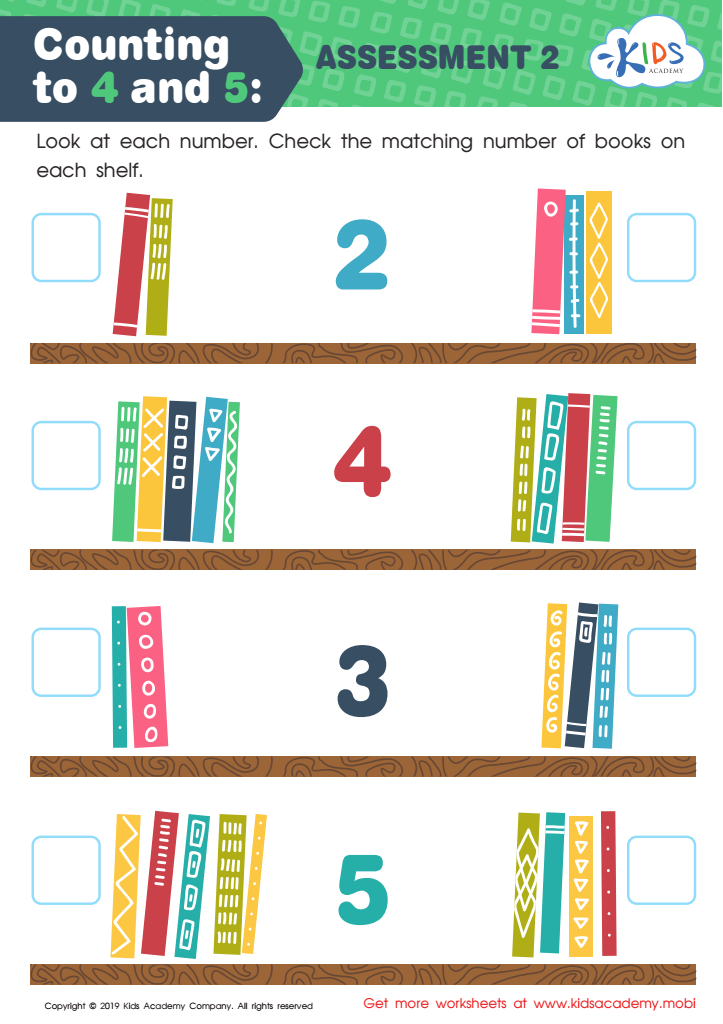
Counting to 4 and 5: Assessment 2 Worksheet
 Assign to My Students
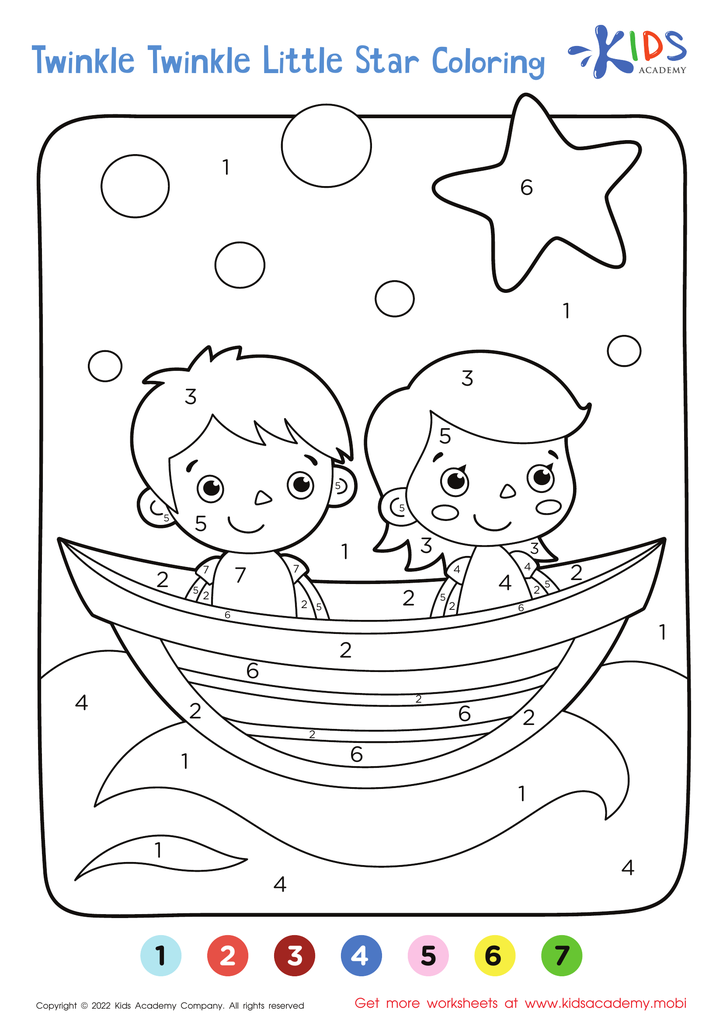
Twinkle, Twinkle, Little Star – Coloring by Numbers
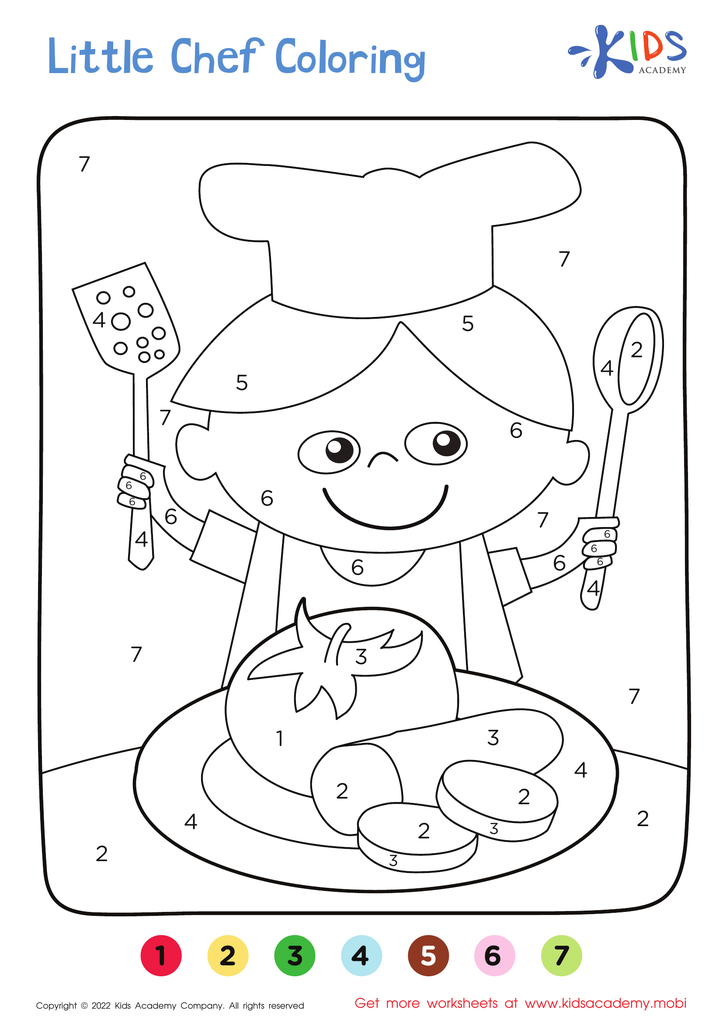
Little Chef – Coloring by Numbers







Basic counting skills are foundational for children's overall cognitive development and play a pivotal role in their academic success, especially in mathematics. For children aged 5-9, these skills foster number sense, which is vital for understanding more complex mathematical concepts later on, such as addition, subtraction, and place value. Mastering counting helps children recognize patterns and relationships between numbers, enhancing their problem-solving abilities.
Moreover, counting skills contribute to children’s confidence and independence. When children can count, they are empowered to approach tasks that involve numbers, whether it's handling money, telling time, or organizing objects. This sense of competence lays the groundwork for a positive attitude towards learning.
In early childhood, children are naturally curious, and introducing counting through games, songs, and everyday activities can make learning engaging. Additionally, counting skills are not limited to math; they support skills needed in reading, science, and critical thinking.
Investing time and effort in developing basic counting skills helps set robust educational foundations, ensuring that children are well-prepared for future learning challenges. Parents and teachers play an essential role in nurturing these skills, ultimately setting the stage for lifelong learning and success.








