Building vocabulary Worksheets for Ages 5-9
7 filtered results
-
From - To
Welcome to our comprehensive collection of Building Vocabulary Worksheets designed specifically for children aged 5-9! These engaging and interactive worksheets provide young learners with essential tools to expand their vocabulary in a fun and stimulating way. Our carefully crafted activities focus on word recognition, phonetics, and contextual usage, ensuring children develop a robust language foundation. Perfect for classrooms or at-home learning, our worksheets encourage creativity and critical thinking through puzzles, games, and illustrative exercises. Empower your child's language skills and watch their confidence soar as they embark on an exciting vocabulary-building journey. Explore our diverse resources today!
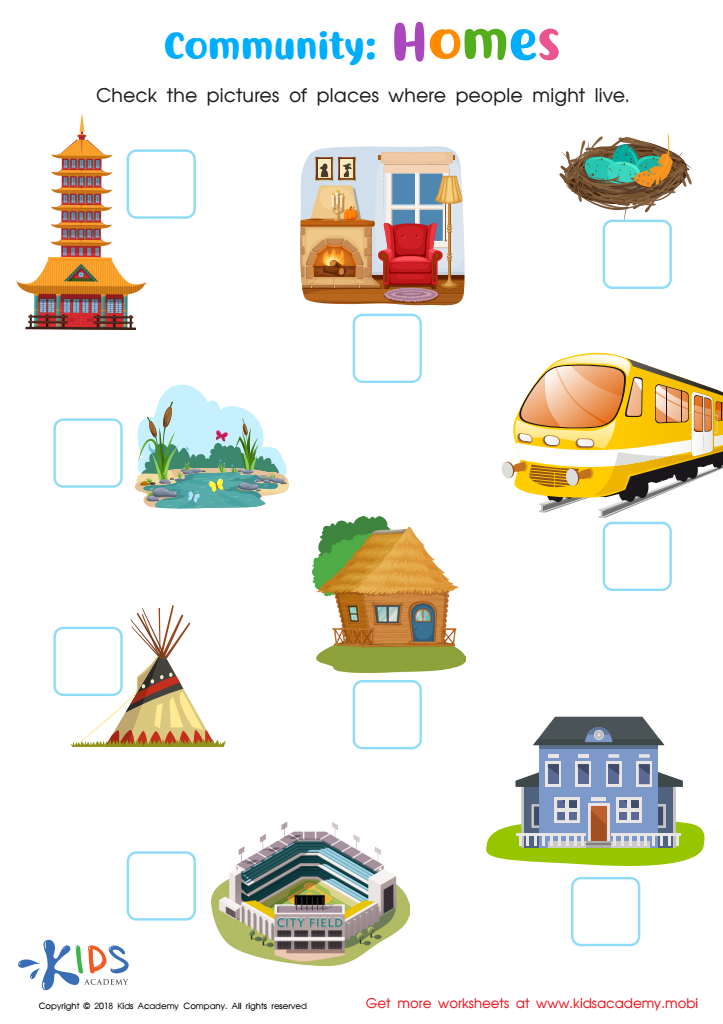
Community: Homes Worksheet
 Assign to My Students
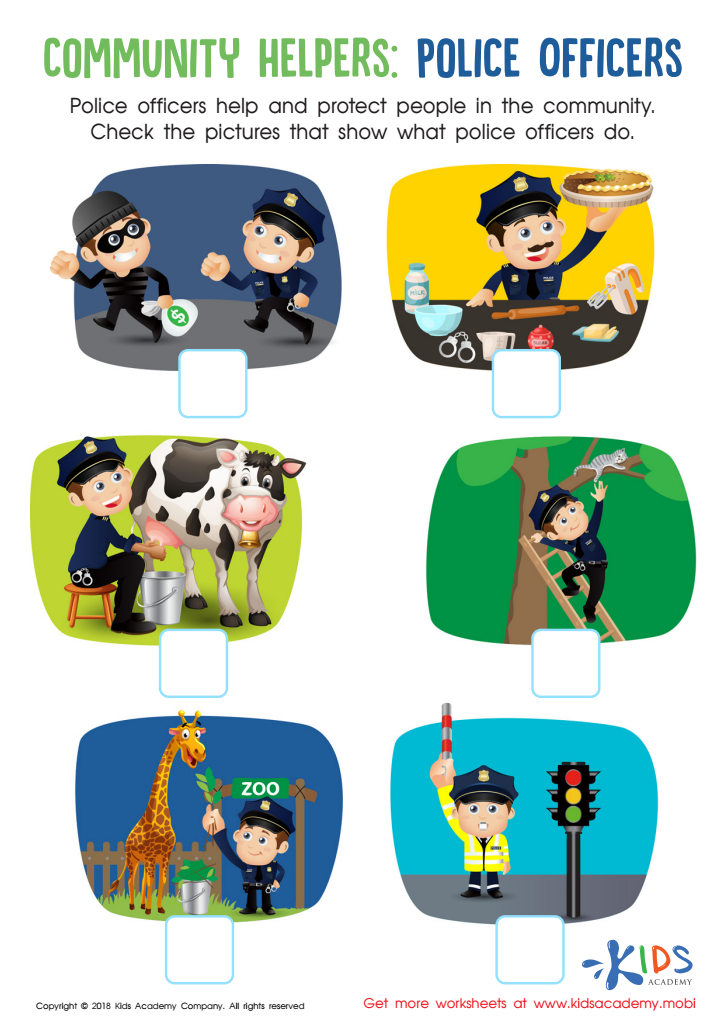
Police Officers Community Helpers Worksheet
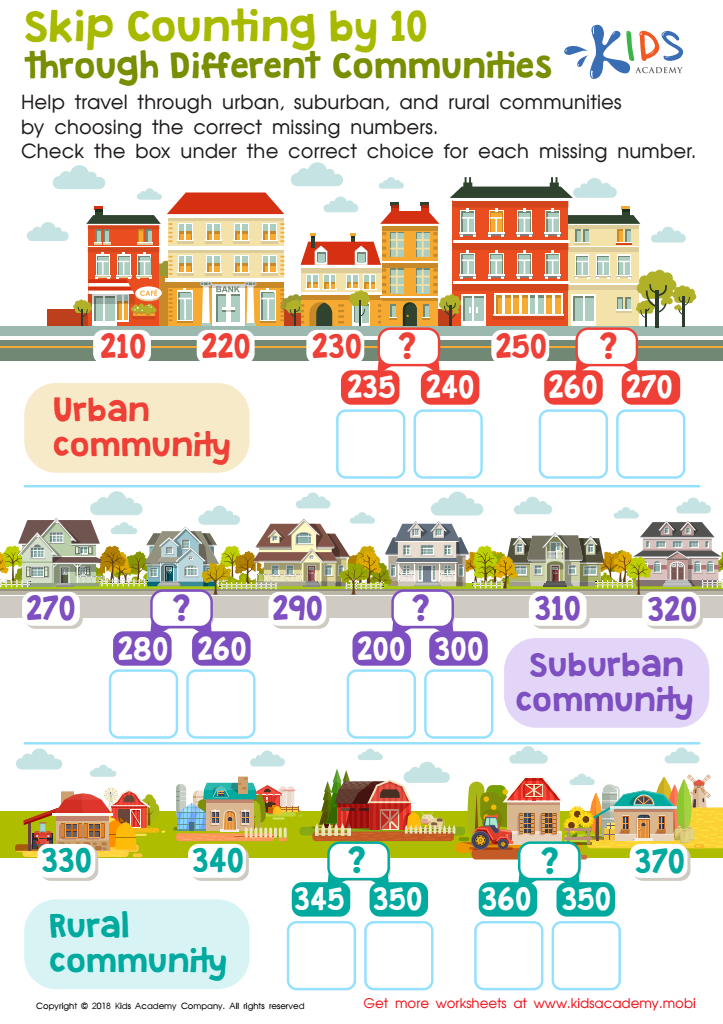
Skip Counting by 10 through Different Communities Worksheet
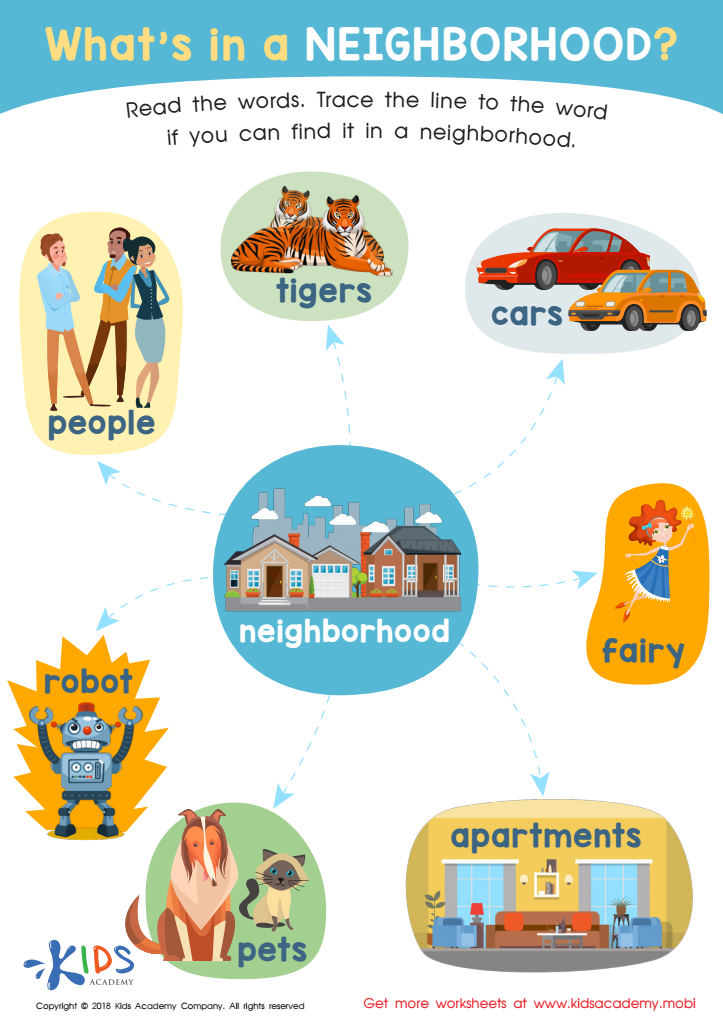
What's in a Neighborhood? Worksheet
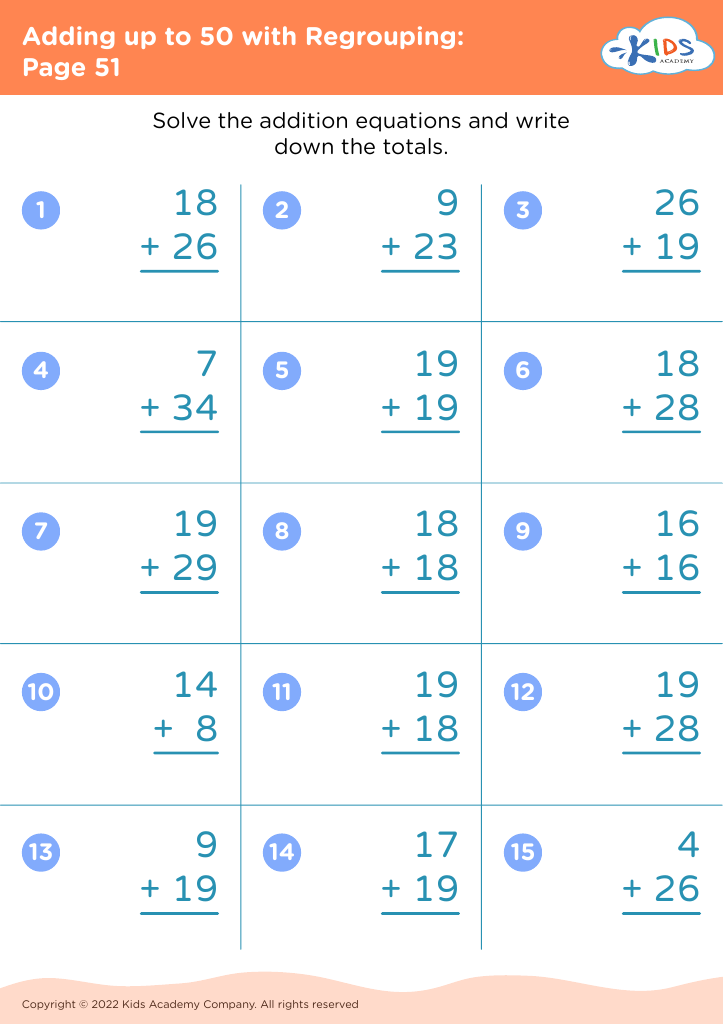
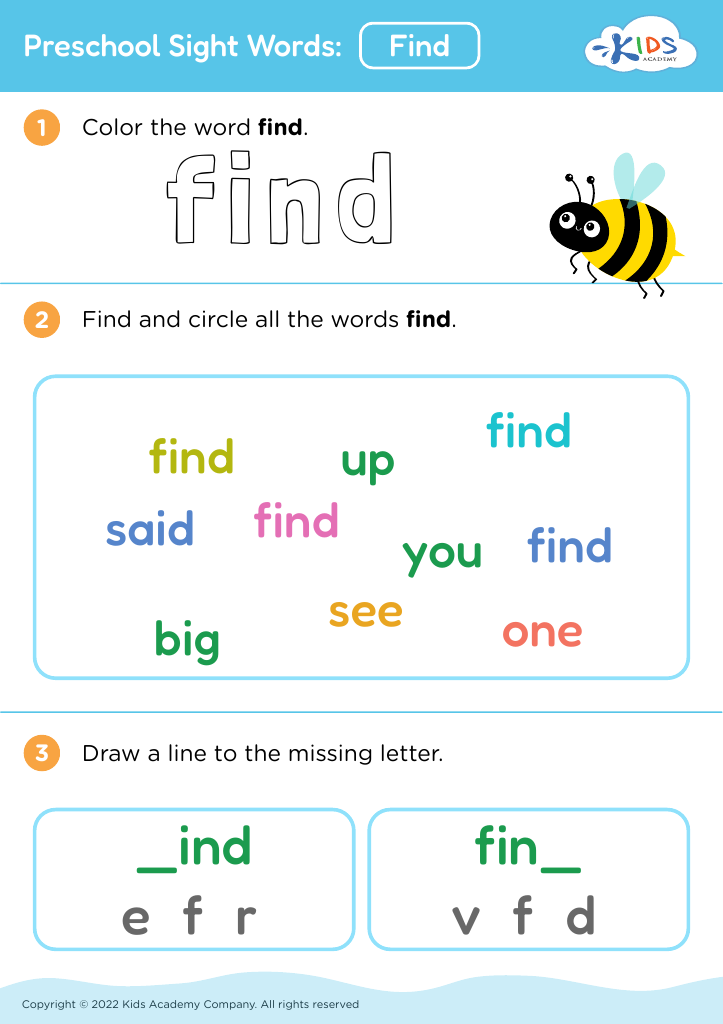








Building vocabulary for children ages 5-9 is crucial as it forms the foundation for their future academic success and effective communication. At this developmental stage, children's brains are extremely receptive to language acquisition. A rich vocabulary enhances reading comprehension, enabling them to understand and analyze texts better, which is essential for all subjects in school.
Moreover, a strong vocabulary fosters critical thinking and intellectual development. When children learn new words, they also learn how to articulate their thoughts, express feelings, and share ideas, encouraging confidence in social interactions and academic discussions.
Teachers play a significant role in vocabulary building through interactive activities, storytelling, and engaging lessons that expose students to various words in different contexts. Parents can support this development by reading with their children, discussing new terms, and incorporating vocabulary games at home.
In today's increasingly complex world, strong communication skills are vital. By prioritizing vocabulary growth, parents and teachers equip children with the tools they need for lifelong learning, effective self-expression, and ultimately, better opportunities in the future. Investing time and resources into vocabulary development during early childhood is an investment in a child's success.








