Categorization skills Worksheets for Ages 5-9 - Page 2
34 filtered results
-
From - To
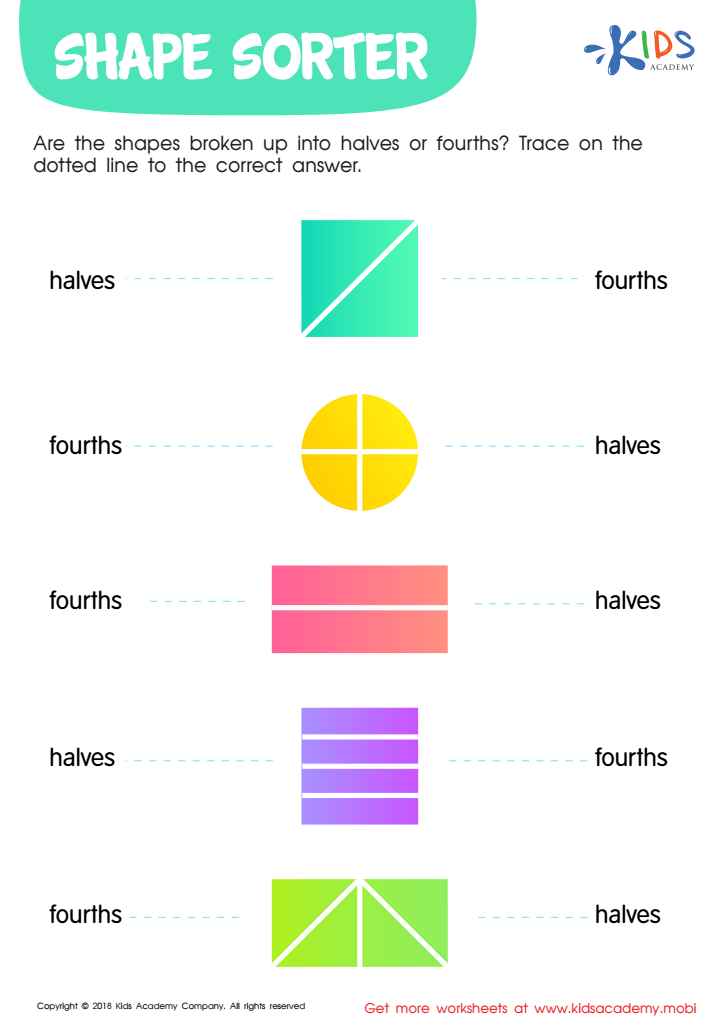
Shape Sorter Worksheet
 Assign to My Students
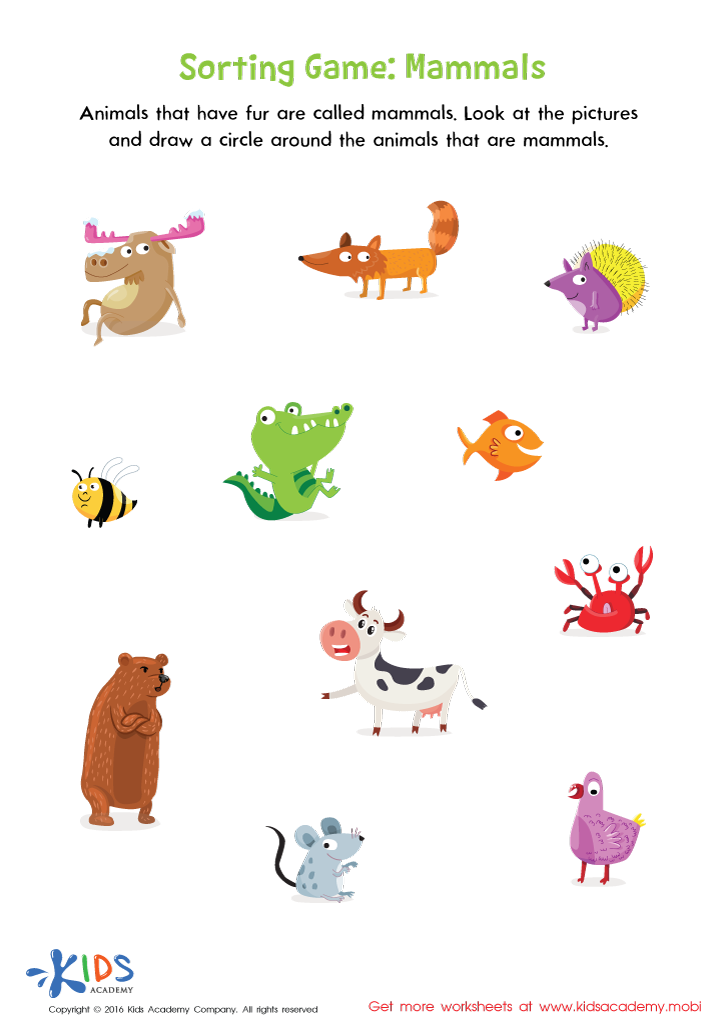
Mammals Sorting Worksheet
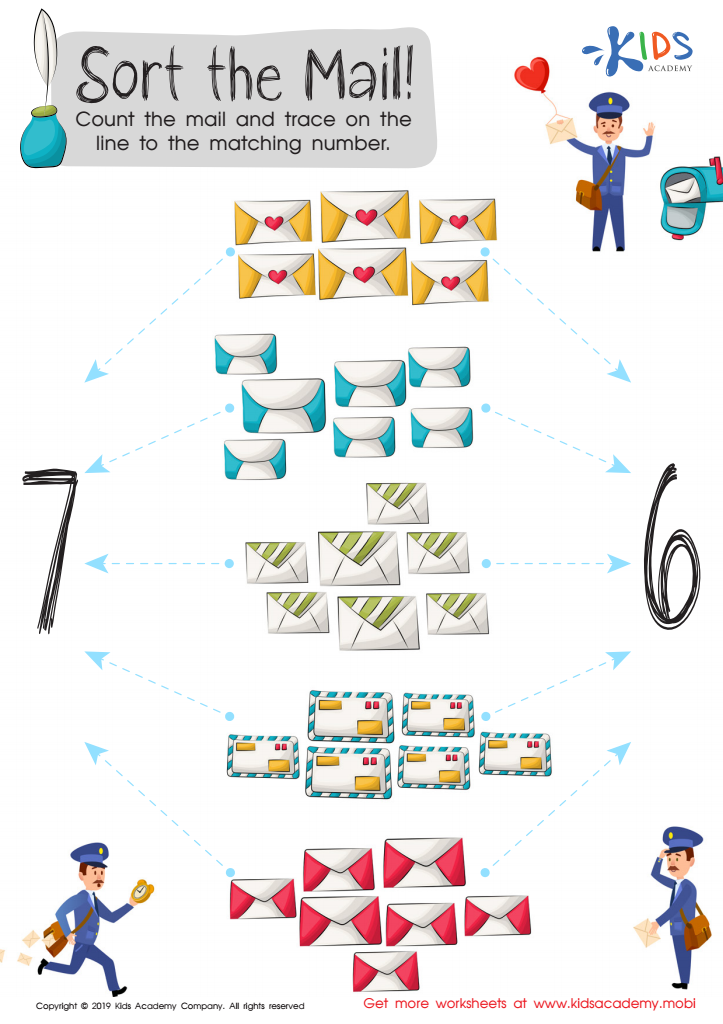
Sort the Mail Worksheet
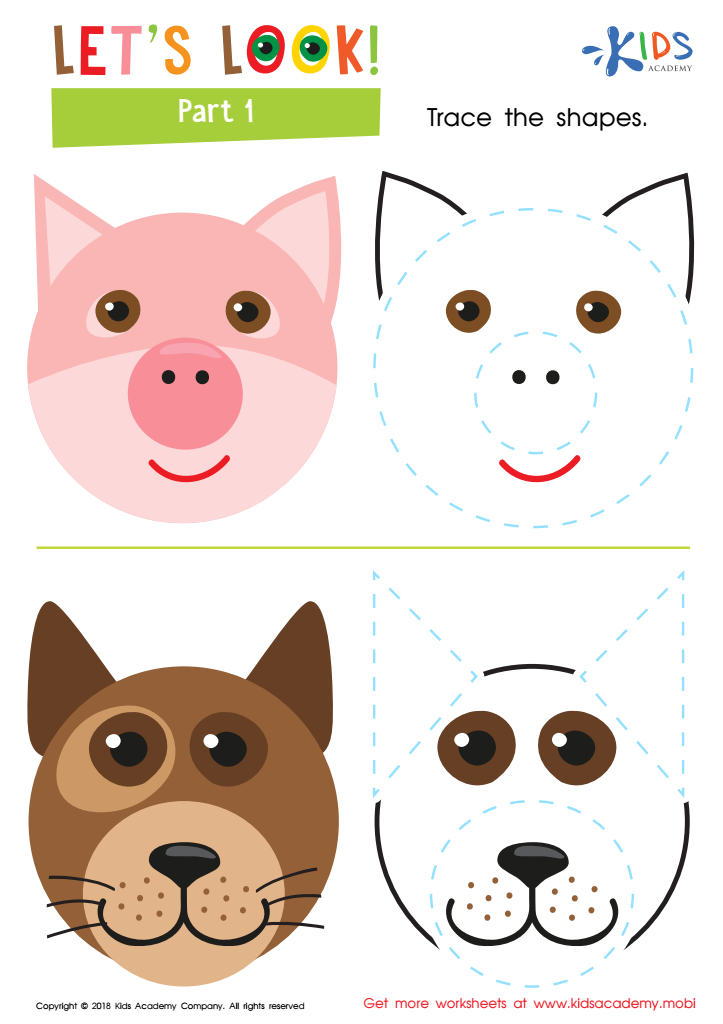
Let's Look! Part 1 Worksheet
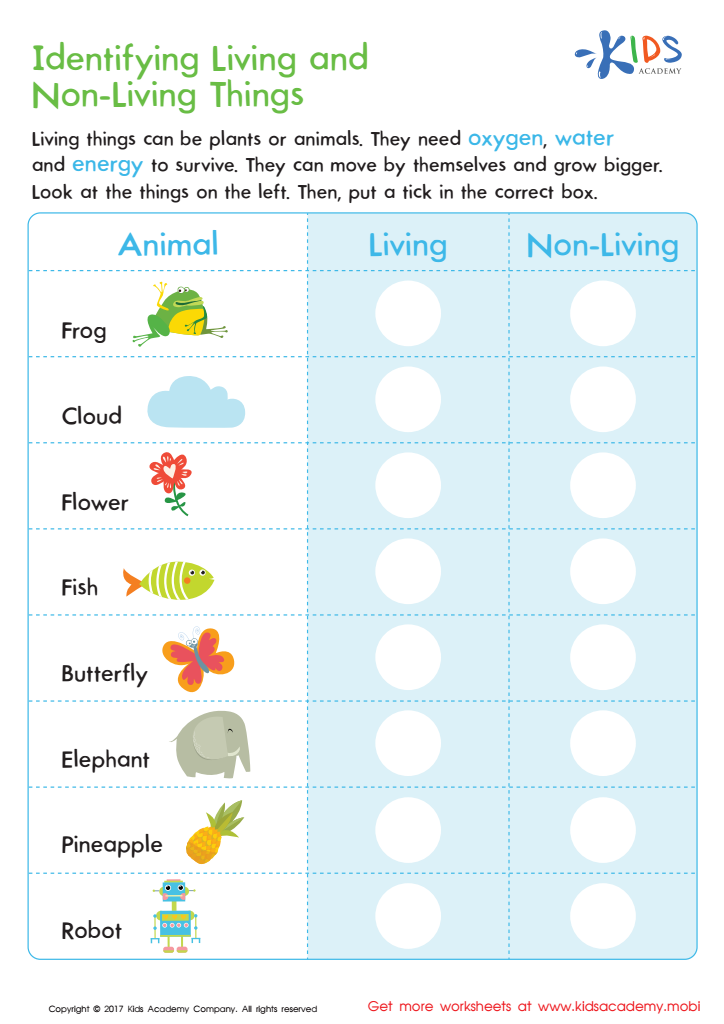
Identifying Living or Non–living Worksheet
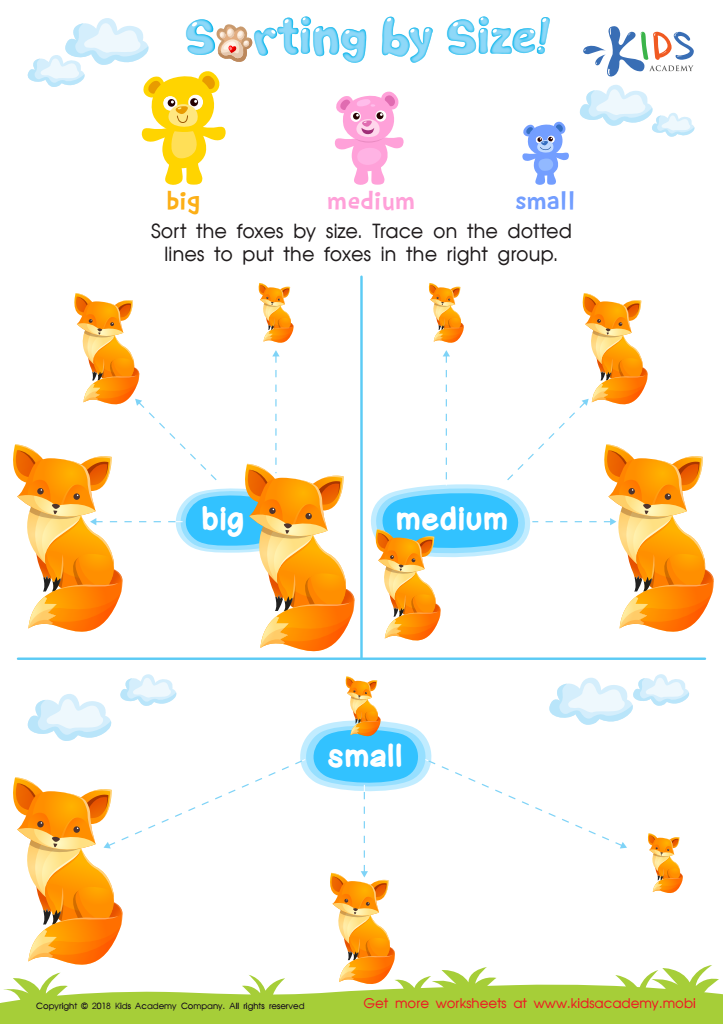
Sorting by Size Worksheet
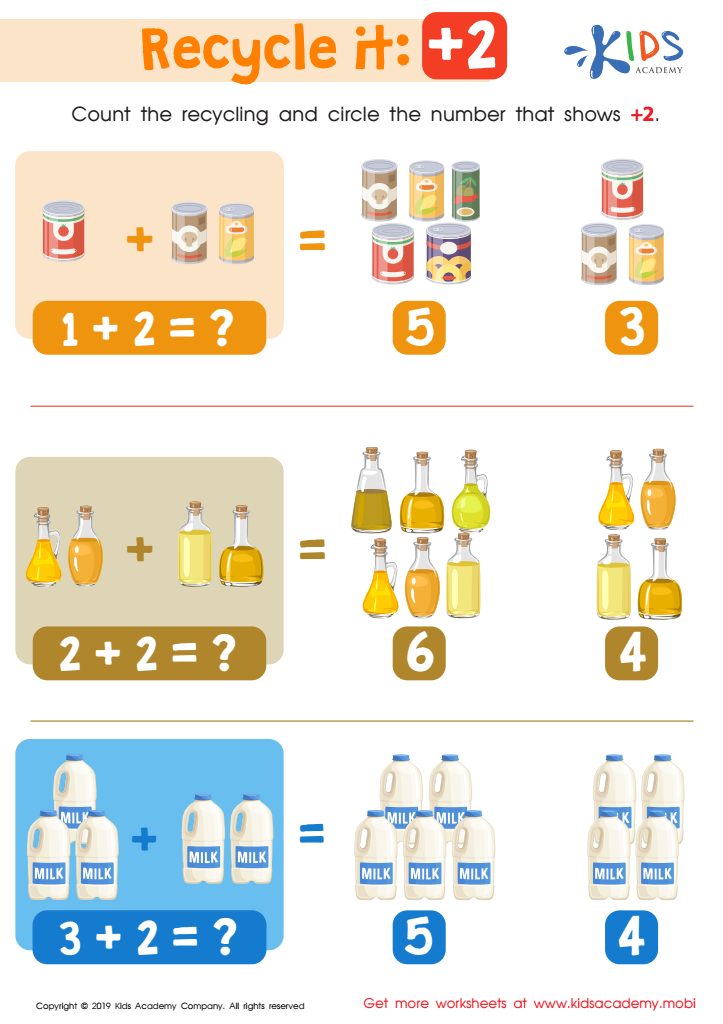
Recycle It: +2 Worksheet
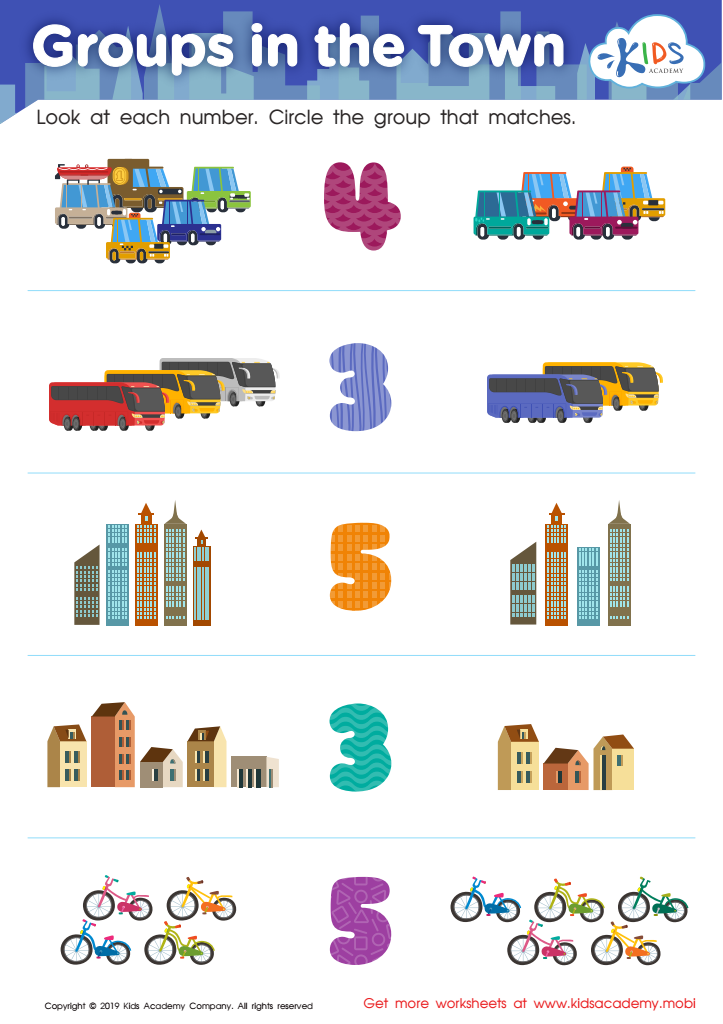
Groups in the Town Worksheet
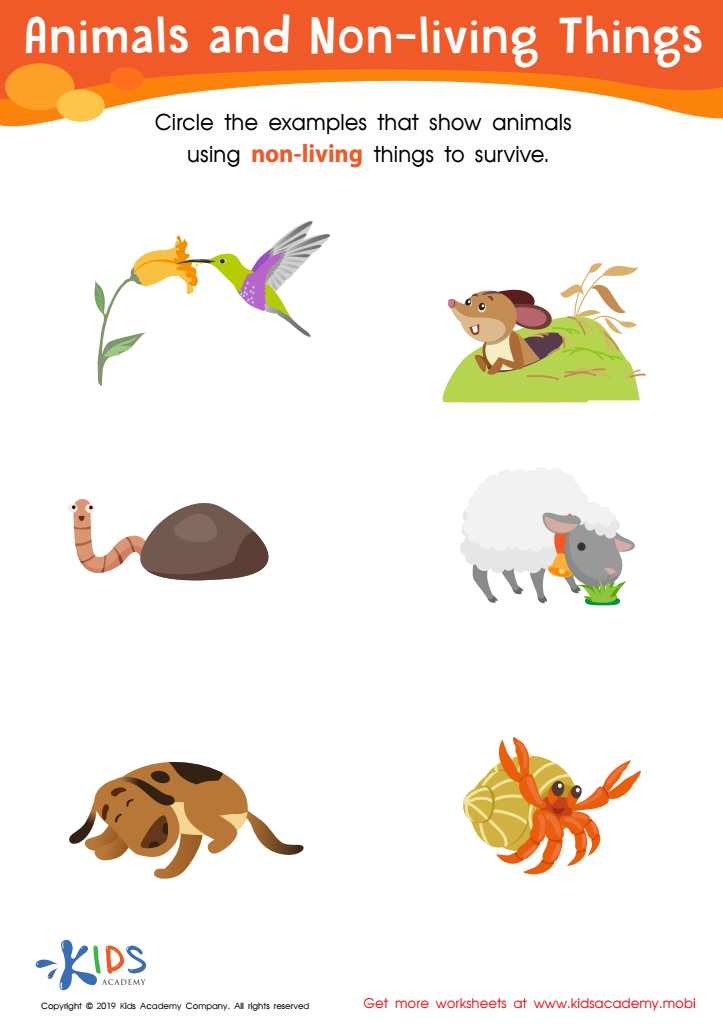
Animals and Non-Living Things Worksheet








Categorization skills are crucial for children aged 5-9 as they serve as a foundational aspect of cognitive development and learning. At this stage, children are beginning to make sense of their environment, and categorization helps them understand relationships between objects, concepts, and ideas. By grouping items based on shared characteristics such as color, shape, or size, children enhance their critical thinking and problem-solving abilities.
Parents and teachers should care about these skills because they are interlinked with other fundamental competencies, including language development and numerical understanding. When children categorize, they learn to communicate their thoughts clearly and build vocabulary as they describe the classifications they make. Moreover, categorization strengthens observational skills and encourages creativity, as children begin to notice the similarities and differences in their surroundings.
Furthermore, strong categorization skills are essential for academic success. Children who effectively categorize information are better equipped to organize their thoughts, making learning more efficient. This capability sets a solid baseline for more complex subjects, such as science and math. By fostering these skills at a young age, parents and teachers can nurture confident and capable learners prepared for future educational challenges.








