Comparing quantities Worksheets for Ages 5-9
16 filtered results
-
From - To
Our "Comparing Quantities Worksheets for Ages 5-9" are designed to make learning both fun and effective. These colorful, engaging worksheets help children develop essential math skills, such as understanding greater than, less than, and equal to concepts. With a variety of exercises tailored for different skill levels, children can practice counting, comparing groups, and mastering basic number principles. Whether they are in kindergarten or elementary school, these worksheets are perfect for reinforcing classroom learning at home. Ideal for parents and teachers alike, our resources support early math development and build a strong foundation for future mathematical success.
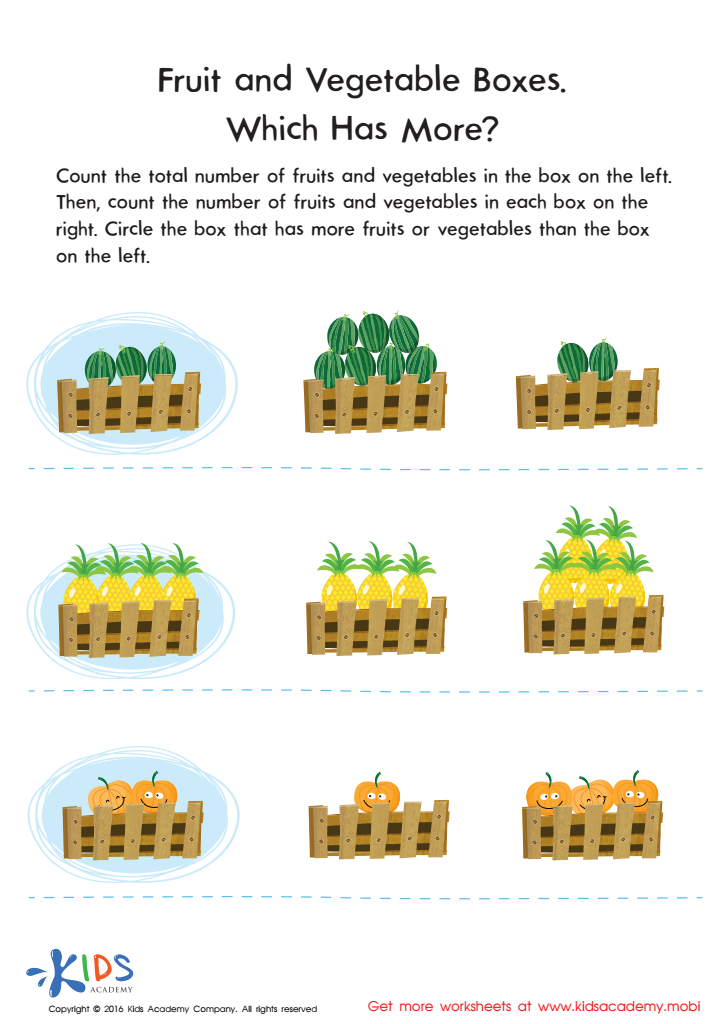
Which Has More? Size Worksheet
 Assign to My Students
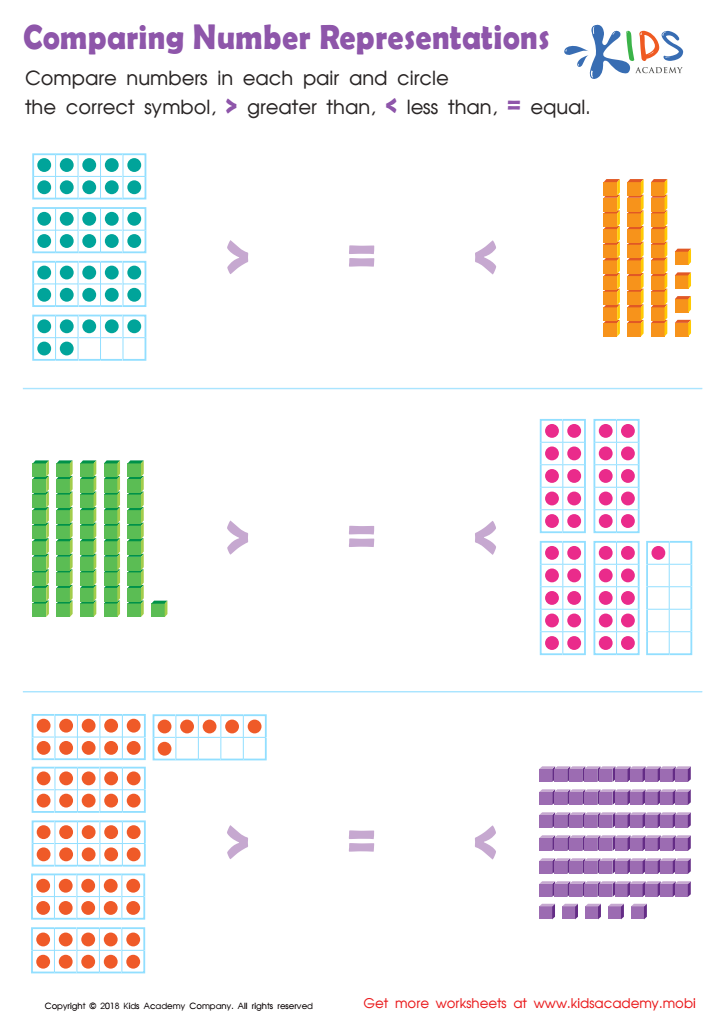
Comparing Number Representations Worksheet
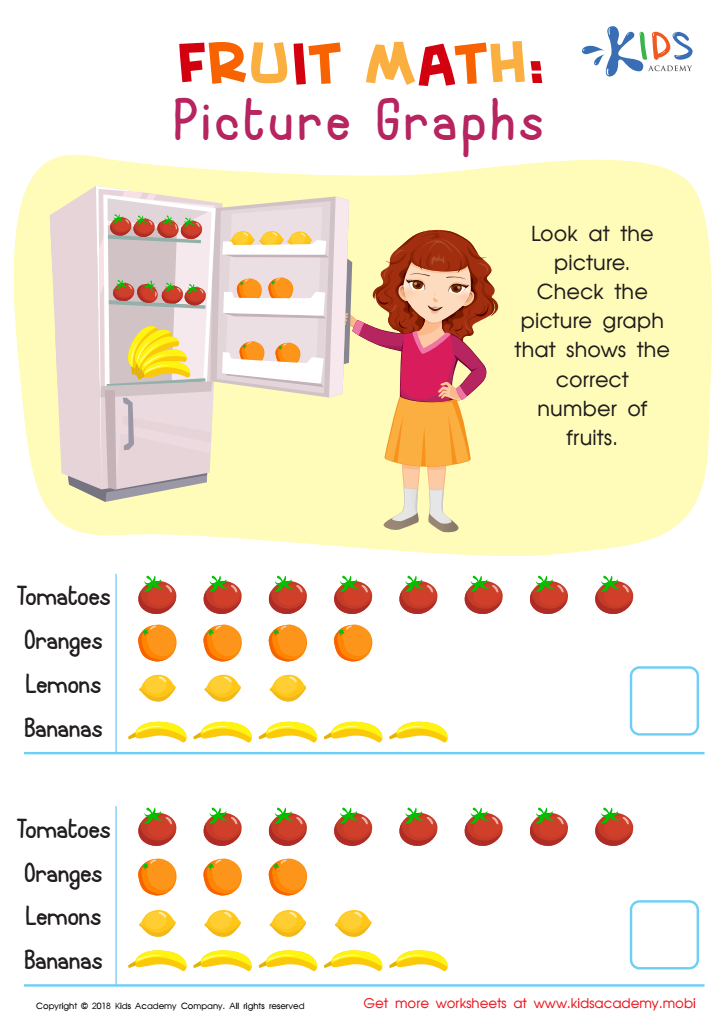
Fruit Math: Picture Graphs Worksheet
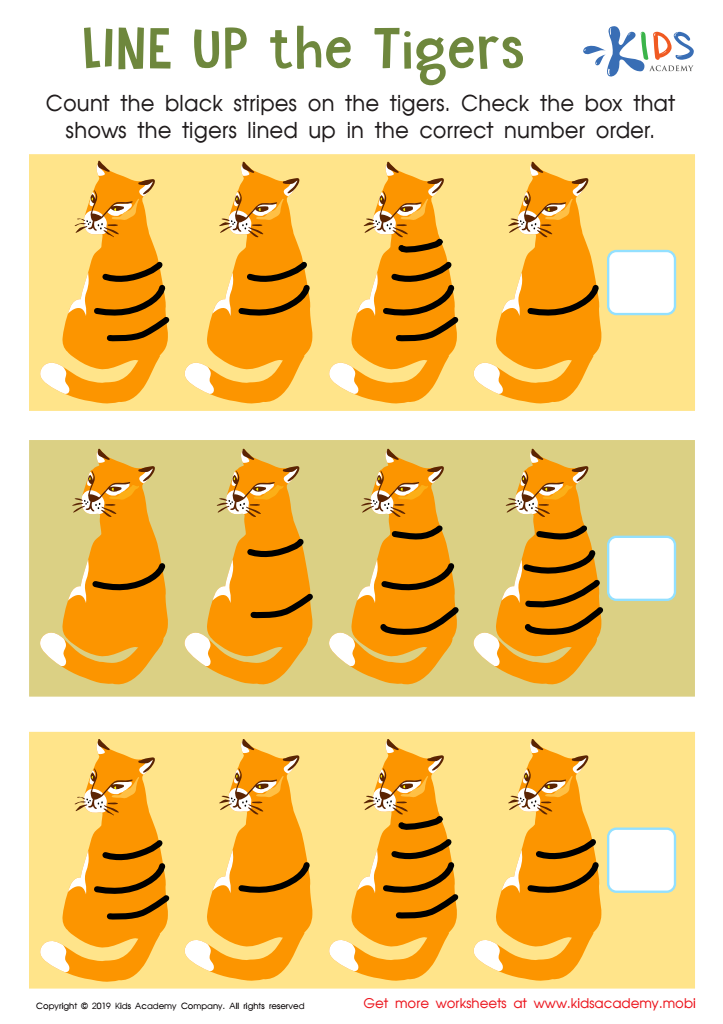
Line up the Tigers Worksheet
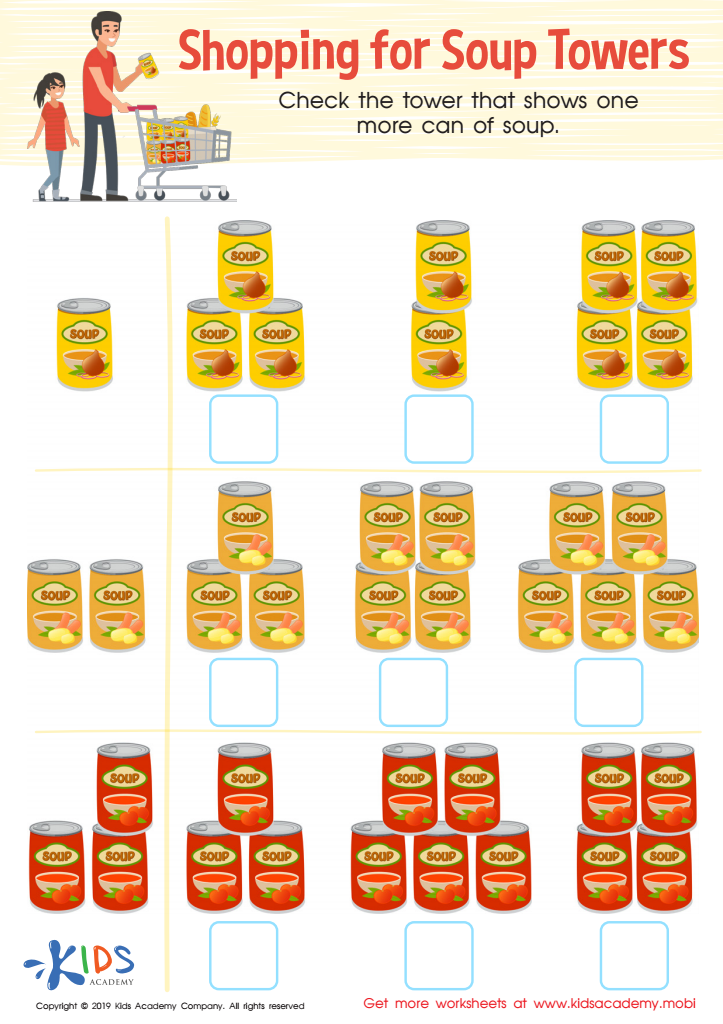
Soup Towers Worksheet
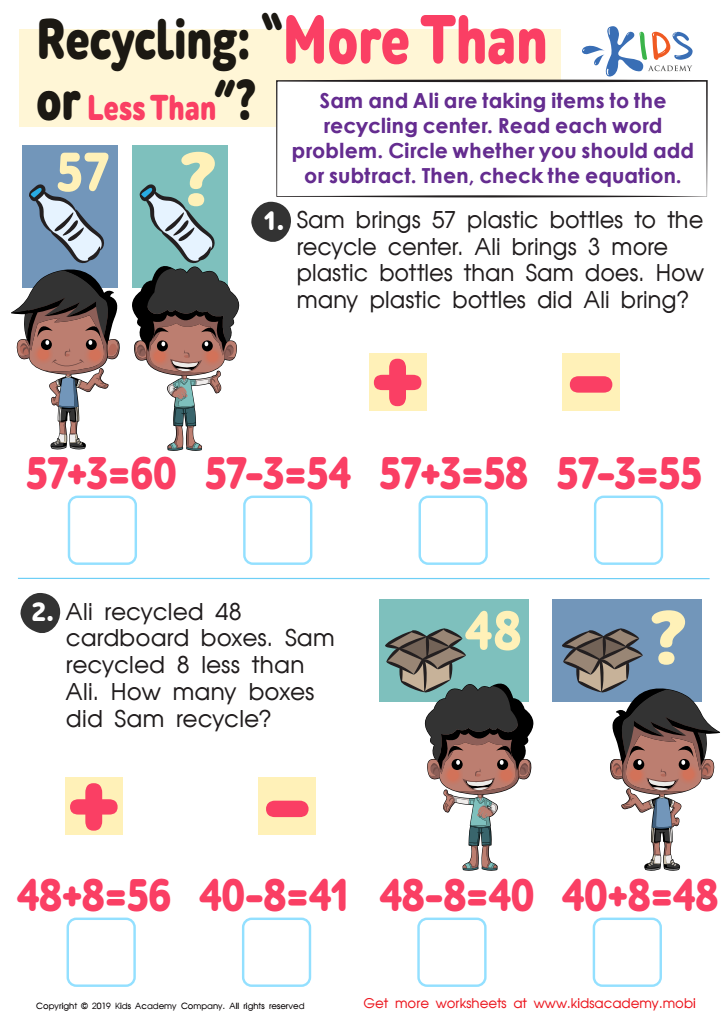
Recycling - More or Less Worksheet
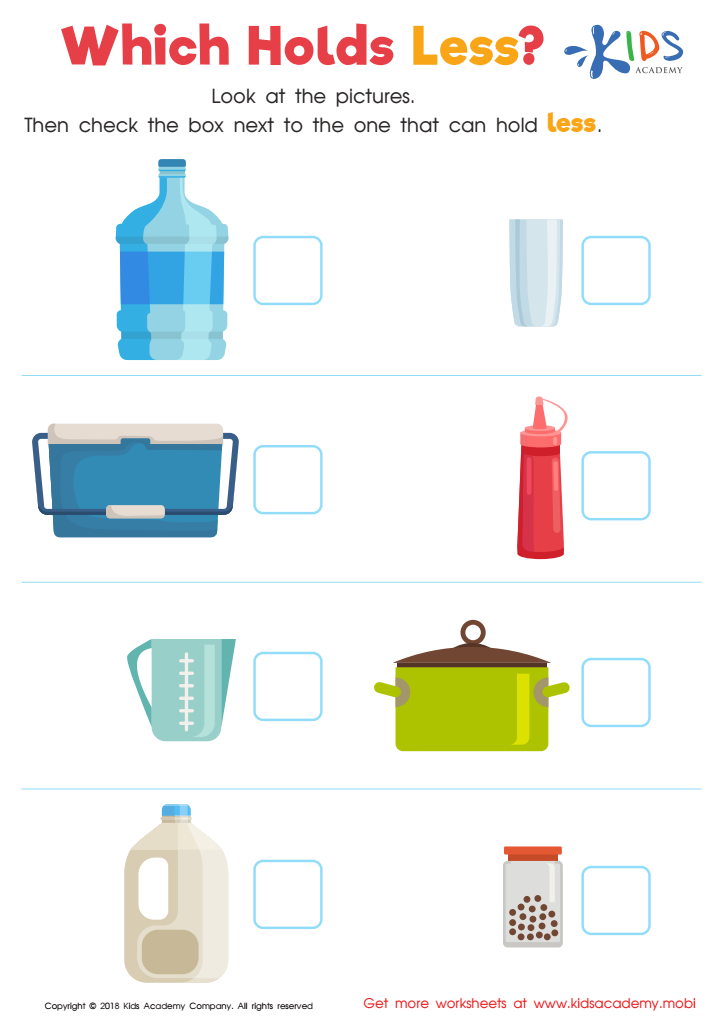
Which Holds Less? Worksheet
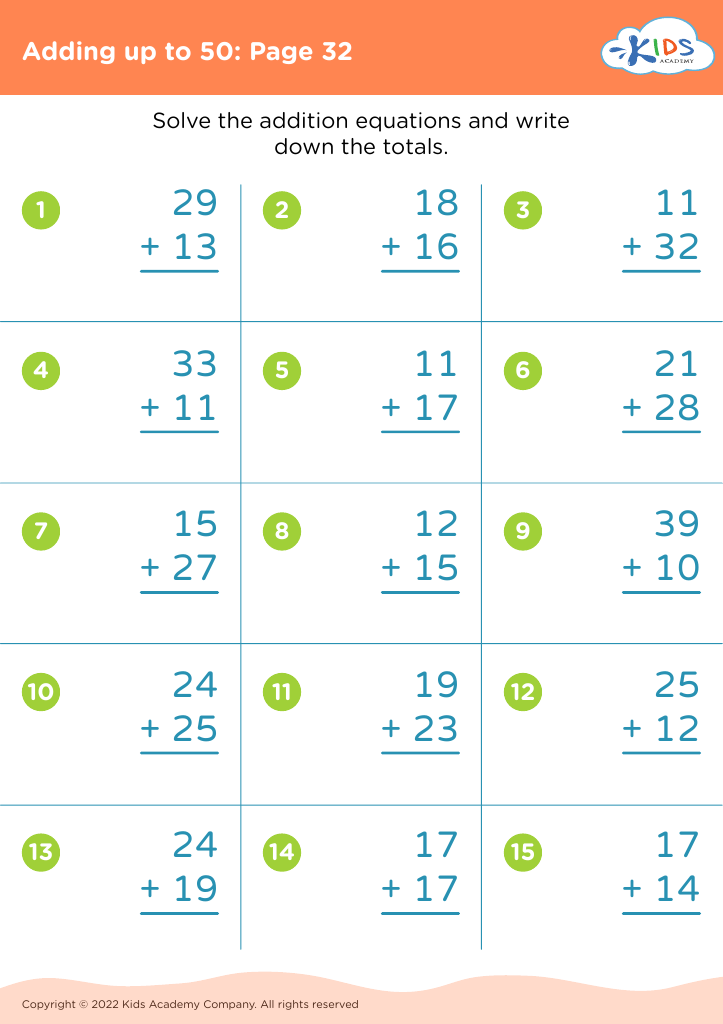








Understanding comparing quantities is vital for children aged 5-9 as it lays the foundation for several essential mathematical and real-world skills. This age group is in the crucial early stages of developing their cognitive abilities, and grasping basic comparison concepts like more/less, bigger/smaller, and heavier/lighter helps them in multiple areas of learning and daily life.
Firstly, comparing quantities is directly connected to numeracy, which is fundamental in reaching higher-level math skills, including addition, subtraction, and understanding value differences. When kids can compare amounts effectively, they can understand measurement concepts and relate them to their surroundings. This understanding is critical when they progress to more advanced math concepts in later grades.
Moreover, developing these skills encourages logical thinking and problem-solving. Questions like "Who has more apples?" or "Which container holds less water?" stimulate analytical reasoning. This noticing of patterns and relationships translates into better critical thinking skills that go far beyond math class, supporting subjects like science and even reading comprehension.
Finally, comparing quantities is necessary for everyday decision-making. For instance, figuring out the bigger toy on a shelf or the heaviest school bag train children to evaluate options, an ability they'll use lifelong. Thus, parents and teachers should emphasize this skill to build a solid foundation for academic progress and real-world everyday functioning.








