Develop sequencing skills Worksheets for Ages 5-9
3 filtered results
-
From - To
Explore our engaging "Develop Sequencing Skills" worksheets designed for children ages 5-9! These printable activities enhance critical thinking and foster creativity by guiding kids through the art of ordering and organizing events. Each worksheet features fun scenarios and vibrant illustrations, making learning enjoyable. Perfect for home or classroom activities, our resources help children develop essential sequencing skills, which are foundational for reading comprehension, storytelling, and logical reasoning. Watch your young learners thrive as they connect ideas and build confidence in their problem-solving abilities. Download our worksheets today and support your child's educational journey with exciting and interactive learning tools!
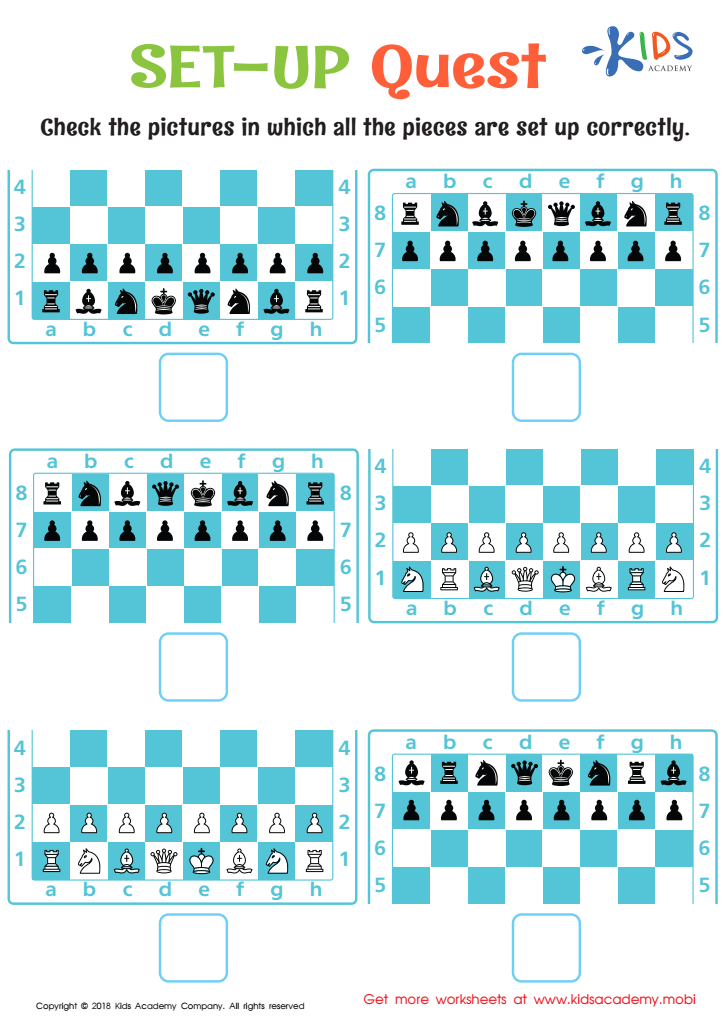
Set-up Quest Worksheet
 Assign to My Students
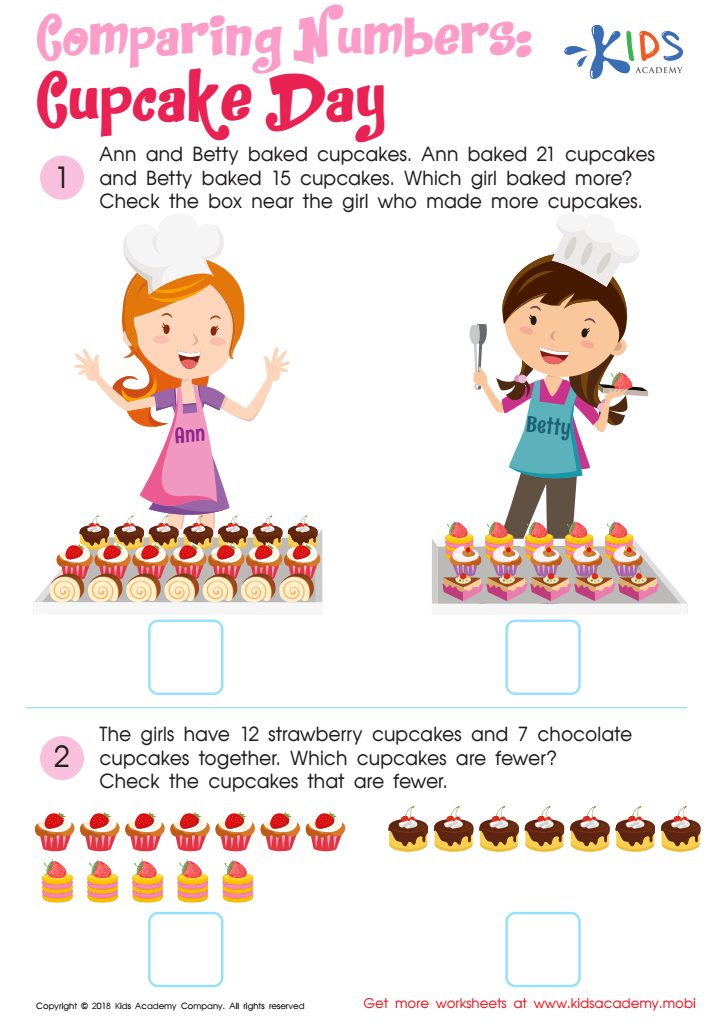
Cupcake Day Worksheet
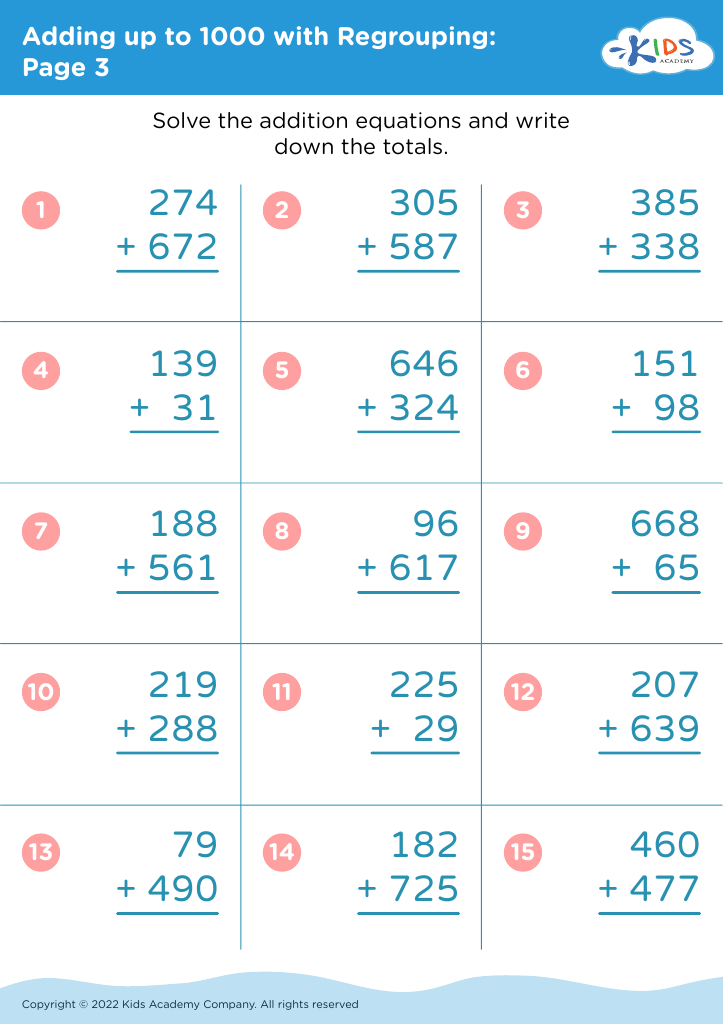







Developing sequencing skills in children aged 5-9 is essential for countless reasons. These skills enable children to understand the order of events, which is foundational for reading comprehension, storytelling, and following instructions. For instance, when kids learn to sequence the events of a story, they enhance their ability to grasp key concepts, convey meaningful narratives, and make connections, which are vital for academic success.
Moreover, sequencing fosters critical thinking and problem-solving. When children identify the steps needed to complete tasks or solve puzzles, they learn to analyze situations logically. This cognitive development promotes independence and boosts confidence as they navigate various activities, from simple daily routines to complex projects.
Parents and teachers play an instrumental role in nurturing these skills. Engaging children in activities such as cooking, crafting, or playing games that require sequential steps not only reinforces learning but also strengthens relationships through shared experiences. By prioritizing sequencing, caregivers equip children with essential life skills, contributing to their overall cognitive, social, and emotional development. Ultimately, fostering strong sequencing abilities ensures that children are better prepared for future learning challenges and everyday decision-making.








