Developing logic skills Worksheets for Ages 5-9
4 filtered results
-
From - To
Unlock your child's potential with our "Developing Logic Skills Worksheets" designed for ages 5-9! These engaging worksheets focus on enhancing critical thinking, problem-solving, and reasoning skills through fun activities tailored to young learners. From pattern recognition to sequencing puzzles, each worksheet is crafted to make learning enjoyable while building a solid foundation for future academic success. Our resources are perfect for classroom use or at-home practice, ensuring children develop essential logic skills in a relaxed and playful environment. Explore our wide range of worksheets and empower your child to think logically and creatively—because strong logic skills set the stage for lifelong learning!
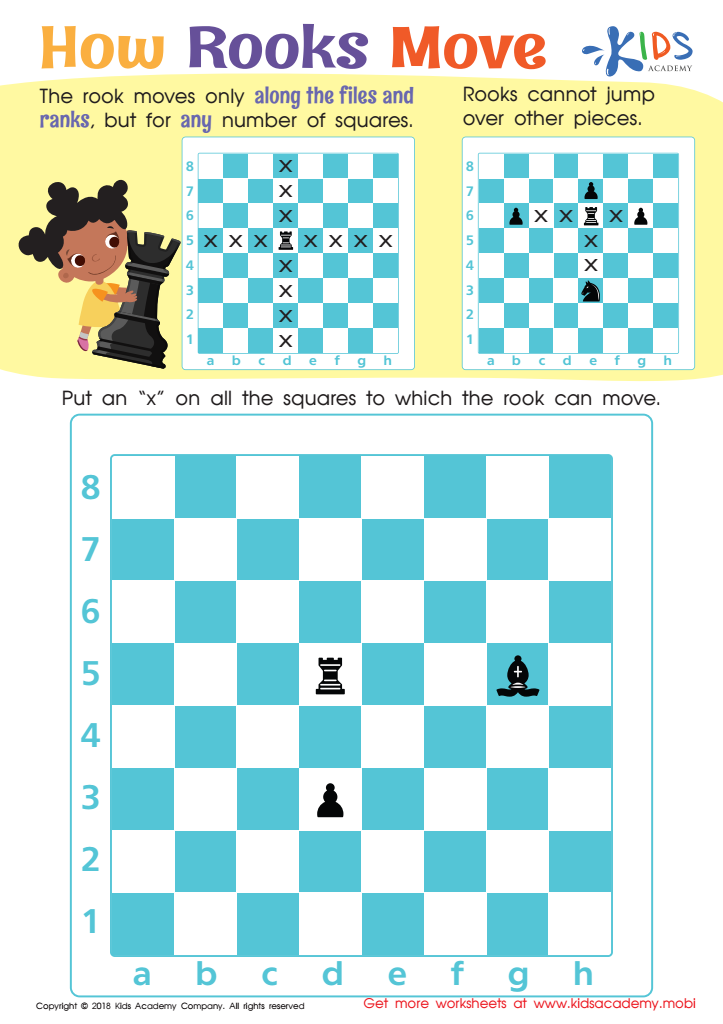
How Rooks Move Worksheet
 Assign to My Students
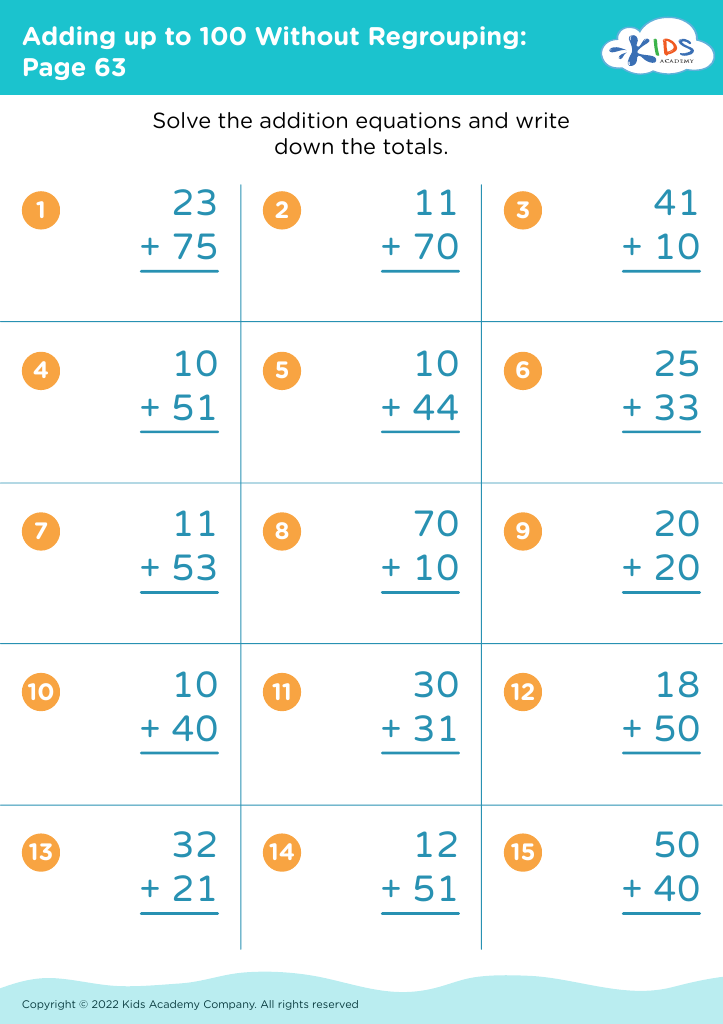
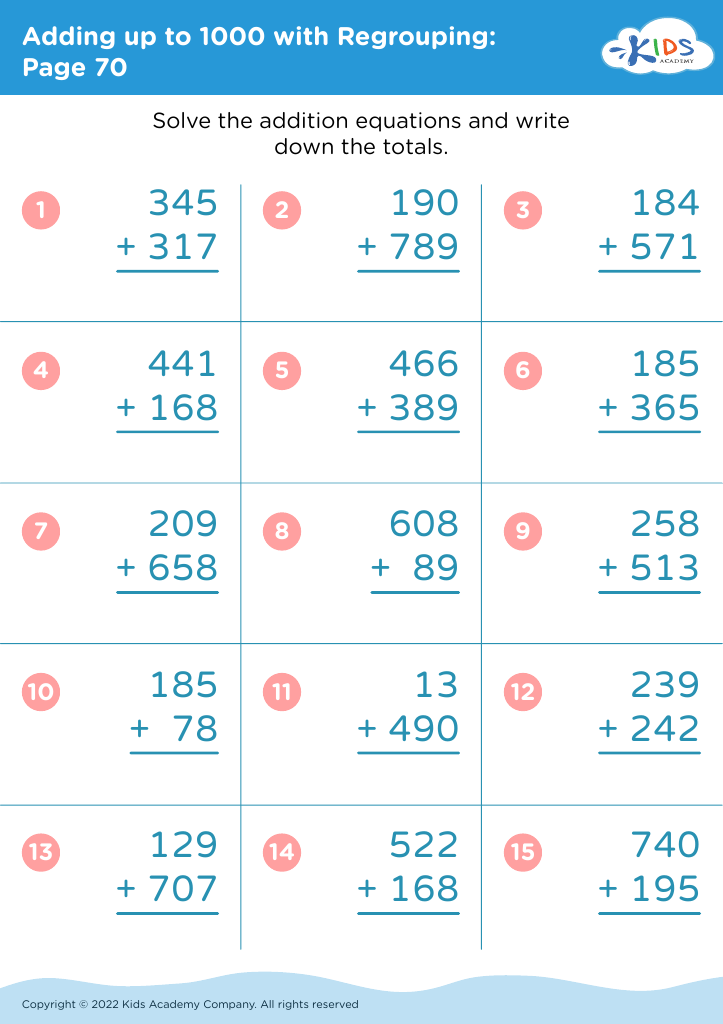
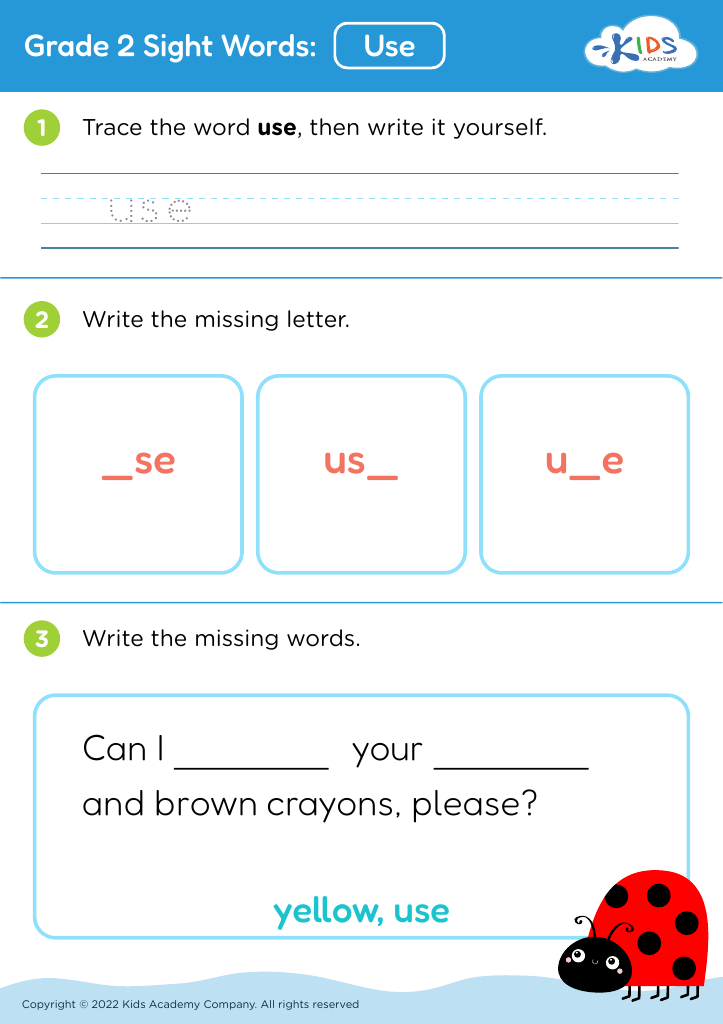







.jpg)
Developing logic skills in children aged 5 to 9 is essential for their overall cognitive growth and future success. During these formative years, children's brains are highly receptive and adaptable, making it the perfect time to cultivate critical thinking abilities. Logic skills lay the foundation for problem-solving, enabling children to analyze situations, make decisions, and evaluate outcomes.
Moreover, these skills enhance other academic areas such as mathematics and language arts. For instance, logical thinking is vital for understanding patterns, sequences, and relationships, which are crucial in math. In reading and writing, children use logic to comprehend narratives and structure their thoughts coherently.
Encouraging logical reasoning also aids in emotional and social development. Children learn to assess situations objectively, articulate their thoughts, and engage in constructive discussions. This contributes to effective conflict resolution and promotes healthy relationships with peers and family.
Finally, fostering logical skills early equips children with lifelong competencies. In a world where critical thinking is increasingly valued, these abilities empower children to thrive academically and personally. Therefore, parents and teachers should prioritize activities that enhance logic, ensuring that children not only perform well in school but also develop into thoughtful, analytical adults.








