Enhancing Counting Skills Worksheets for Ages 5-9 - Page 2
29 filtered results
-
From - To
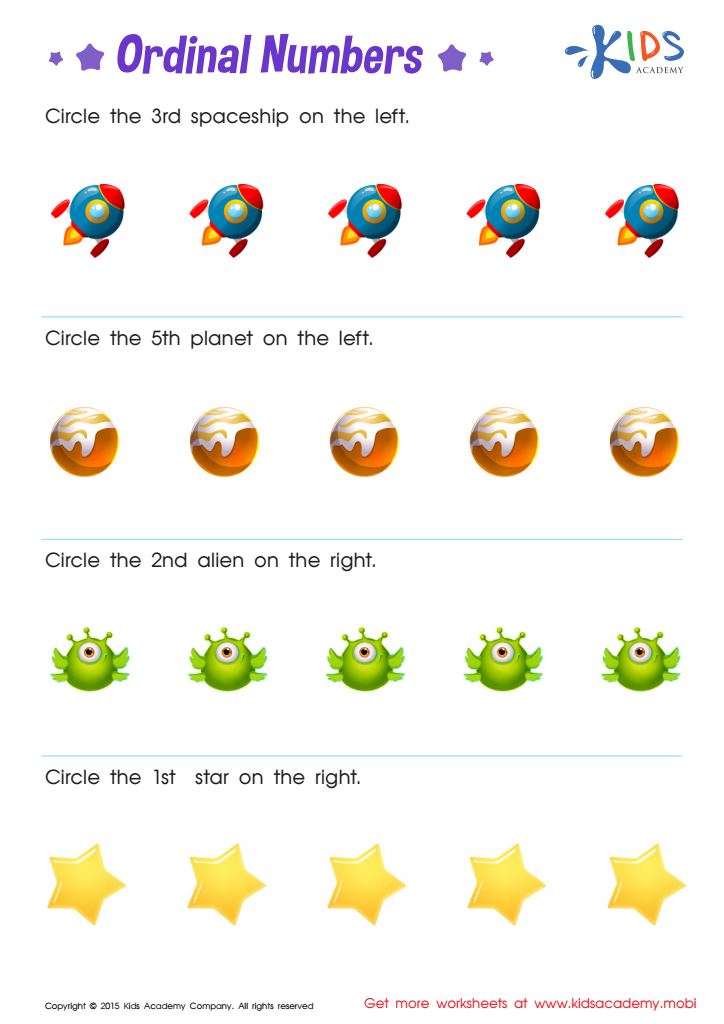
Ordinal Numbers: Space Ordinals Worksheet
 Assign to My Students
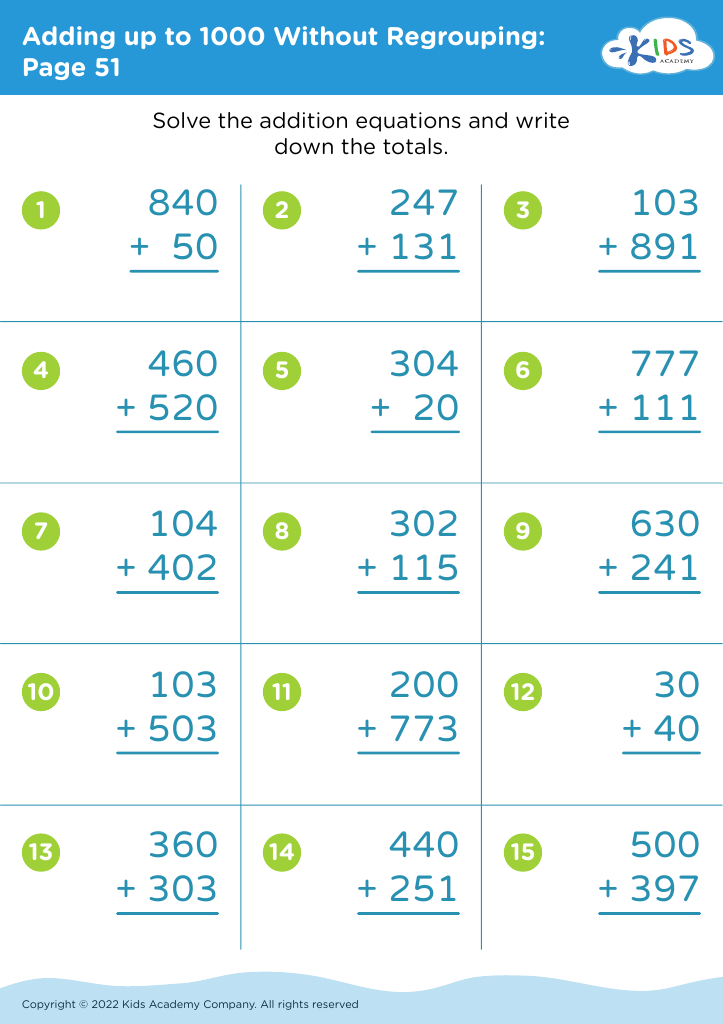
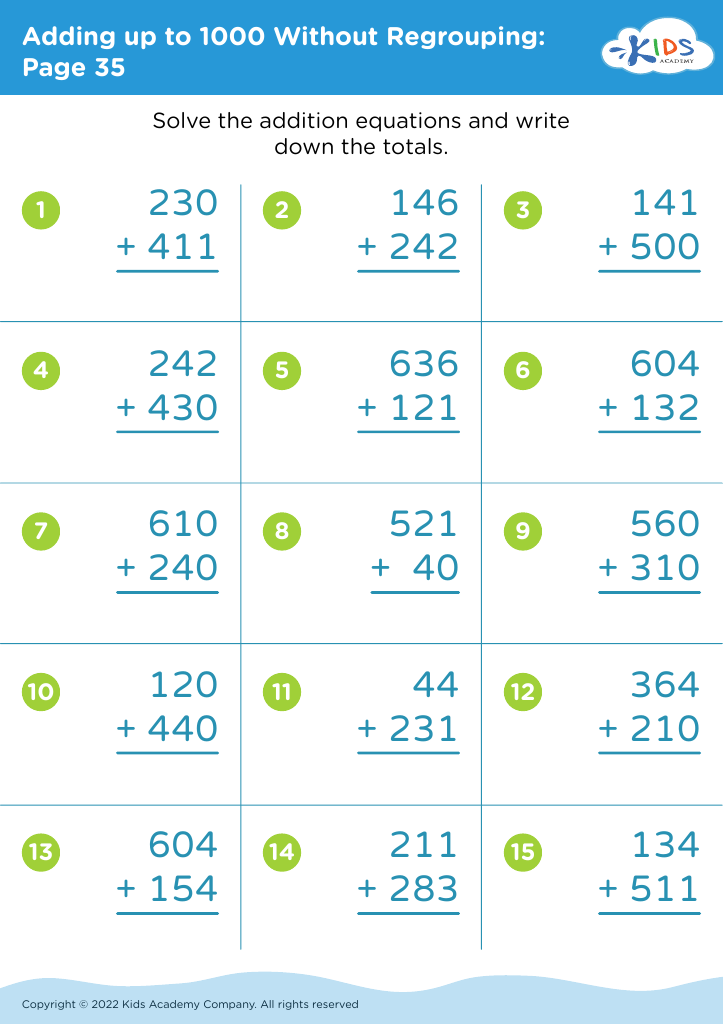
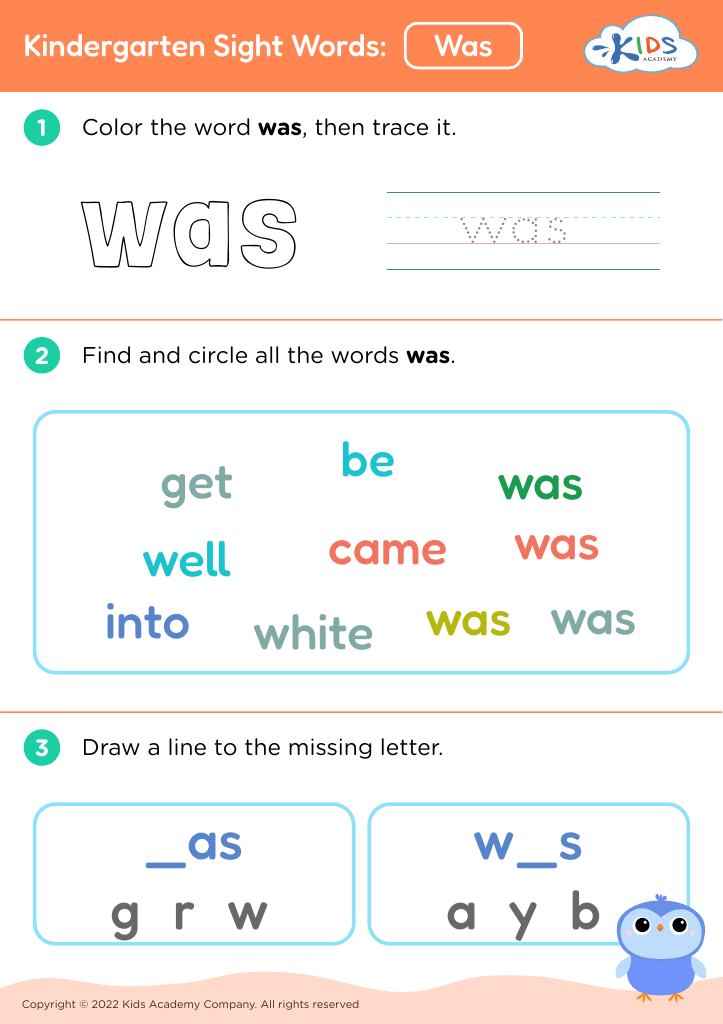






Enhancing counting skills for children aged 5-9 is crucial for their cognitive, social, and academic development. During these formative years, children are laying the groundwork for future mathematical understanding, and strong counting skills serve as the foundation for more complex concepts like addition, subtraction, and eventually, multiplication and division. When parents and teachers prioritize counting, they help children learn to recognize patterns and develop problem-solving abilities, which are essential for success in all areas of learning.
Furthermore, counting skills are not just limited to mathematics; they enhance logical thinking and boost confidence in tackling challenges both in and outside the classroom. Engaging children through various counting activities, such as games, songs, and hands-on manipulatives, makes learning enjoyable and interactive. This engagement fosters a love for learning and helps improve social skills through teamwork in group settings.
Moreover, supporting counting skills can address gaps in understanding early, reducing the likelihood of future difficulties in math-related topics. It also empowers children to feel secure in their abilities, enabling them to take risks and explore new challenges. Therefore, by investing time and resources into enhancing counting skills, parents and teachers can play a vital role in shaping well-rounded, confident learners.








