Enhancing observation skills Worksheets for Ages 5-9 - Page 2
26 filtered results
-
From - To
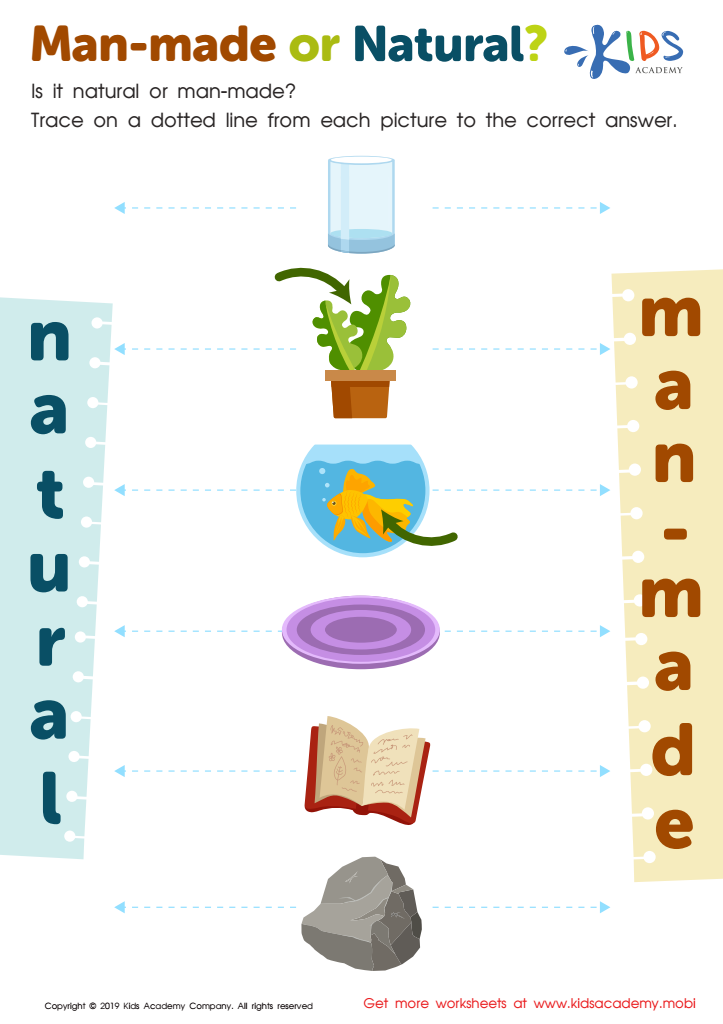
Man-Made or Natural? Worksheet
 Assign to My Students
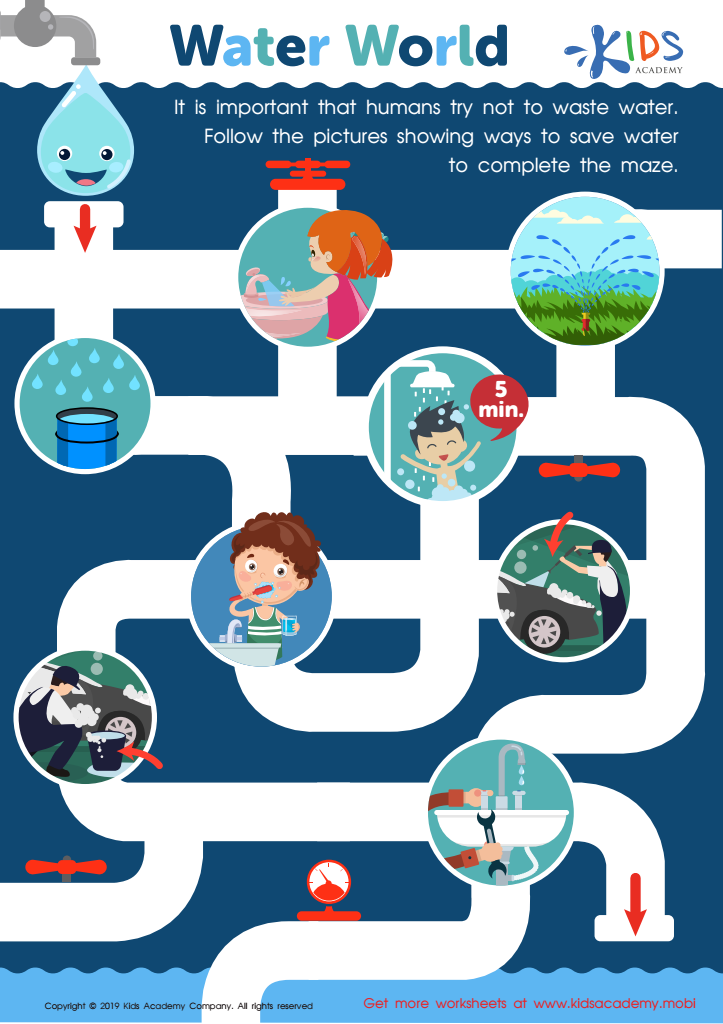
Water World Worksheet


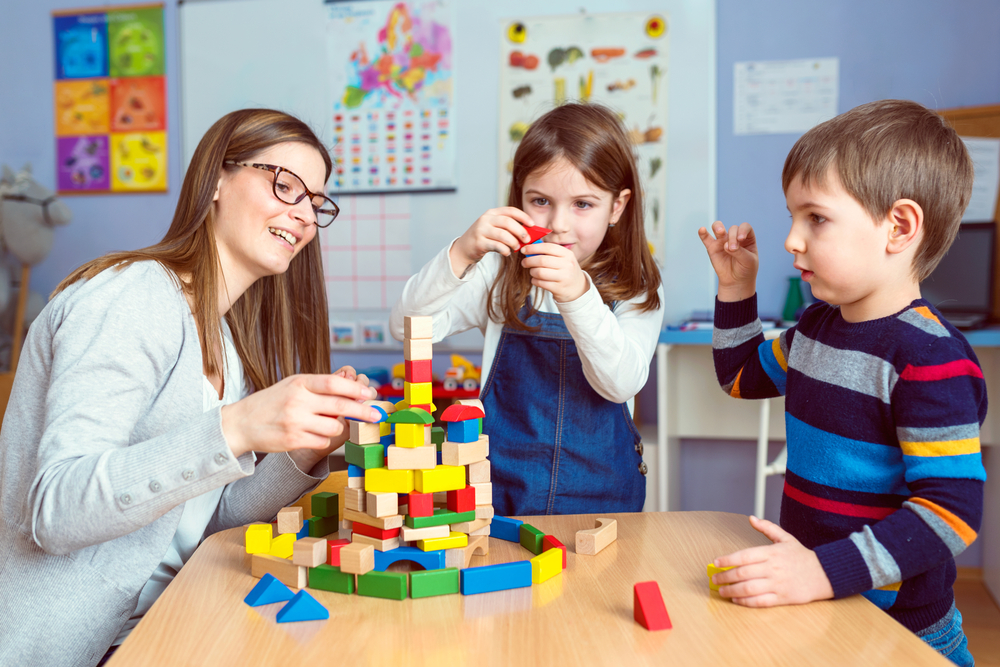



Enhancing observation skills in children aged 5-9 is crucial for their overall development and learning. At this stage, children are naturally curious and eager to explore their environments. By fostering strong observation skills, parents and teachers can help children become more engaged learners. These skills promote critical thinking, as children learn to analyze what they see and ask relevant questions, laying the foundation for problem-solving abilities.
Moreover, heightened observation skills contribute to improved communication and social interactions. When children learn to observe others' emotions and body language, they develop empathy and better understand social cues, fostering positive relationships with peers. This is particularly important as they navigate their early school years, building a sense of belonging and cooperation.
In academic contexts, strong observation skills enhance learning across subjects. Whether in science, art, or reading, the ability to notice details and patterns brings deeper understanding and retention of information. Additionally, employers and future educators consistently value strong observation and evaluation skills, which set the stage for future academic and professional success.
Investing time and effort into enhancing observation skills not only supports immediate academic achievements but also creates a lifetime of learning and adaptability. Parents and teachers play a pivotal role in nurturing these essential skills, positively impacting children's futures.








