
Increase vocabulary knowledge Worksheets for Ages 5-9
4 filtered results
Difficulty Level
Grade
Age
-
From - To
Subject
Activity
Standards
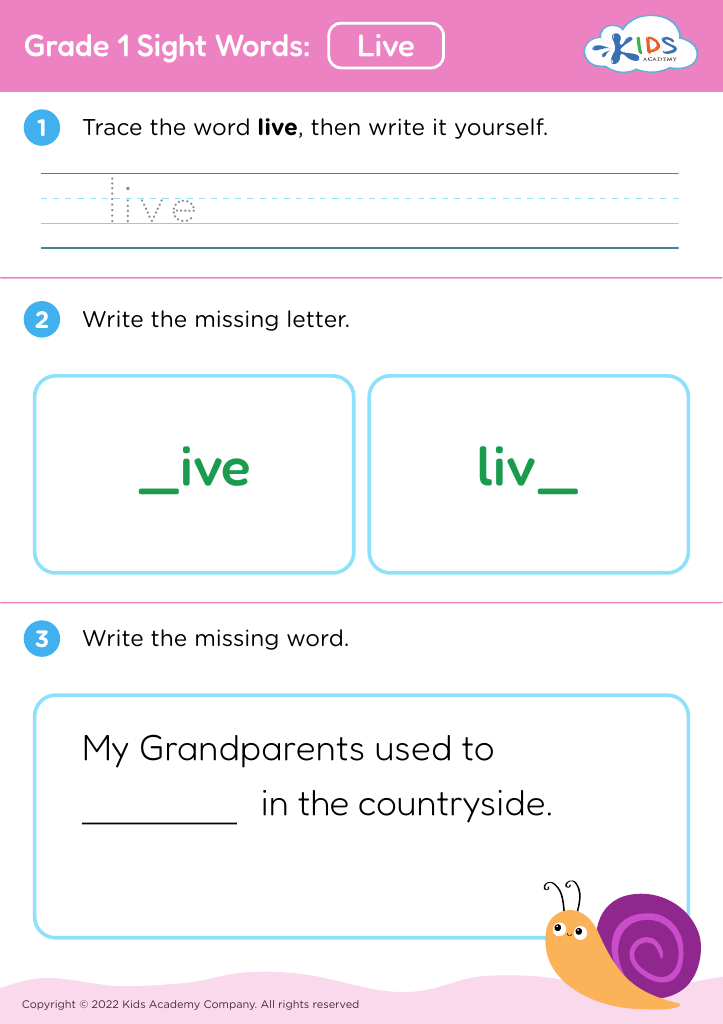
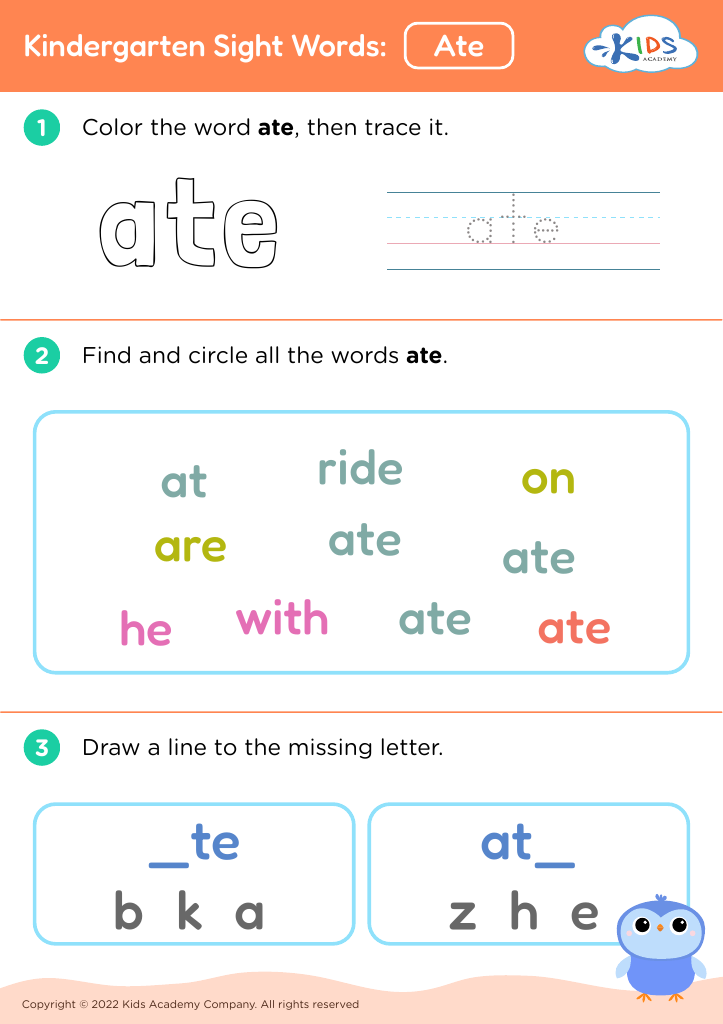
Unlock the wonders of language with our "Increase Vocabulary Knowledge Worksheets" designed specifically for ages 5-9! These engaging and interactive worksheets are perfect for young learners eager to expand their word bank. Each worksheet is crafted to enhance vocabulary skills through fun activities such as matching words with pictures, fill-in-the-blanks, and context-based exercises. Parents and educators will appreciate the variety of topics covered, ensuring that children build language confidence while enjoying the learning process. Perfect for classroom use or at-home learning, our worksheets are a valuable resource to support a lifetime of communication and literacy skills. Start exploring today!
Favorites
With answer key
Interactive
Join Kids Academy for Free
Who is primarily going to use this learning content?



.jpg)




Parents and teachers play a crucial role in a child’s early language development, particularly in the ages of 5 to 9, when vocabulary acquisition is foundational. A robust vocabulary is linked to improved reading comprehension, academic success, and effective communication skills. As children expand their vocabulary, they also develop their ability to express themselves, which fosters confidence and social interactions.
At this age, children are intensely curious and eager to learn; hence, creating an engaging atmosphere where new words are introduced can significantly enhance their cognitive development. Understanding a broader range of words helps children make sense of their experiences, think critically, and navigate their surroundings. Moreover, a strong vocabulary can reduce frustration during communication and decrease behavioral issues related to misunderstandings.
Parents and teachers can employ various strategies, such as reading diverse literature, engaging in discussions, and using new words in context, to make vocabulary learning enjoyable. Additionally, developing vocabulary at this age not only prepares children for future academic challenges but also instills a lifelong love for learning and reading. In short, investing in vocabulary growth is an essential component of helping children become competent and confident learners.








