Number formation Worksheets for Ages 5-9
3 filtered results
-
From - To
Discover our engaging Number Formation Worksheets designed for children aged 5 to 9! These worksheets help young learners master the art of writing numbers accurately and confidently. Our resources offer a variety of activities that promote fine motor skills and number recognition, ensuring a fun and interactive learning experience. With colorful illustrations and easy-to-follow instructions, children will enjoy tracing and practicing number shapes while enhancing their mathematical foundation. Perfect for homeschooling, classrooms, or extra practice at home, these worksheets are an essential tool for nurturing young mathematicians. Start building strong number writing skills today for a brighter future in math!
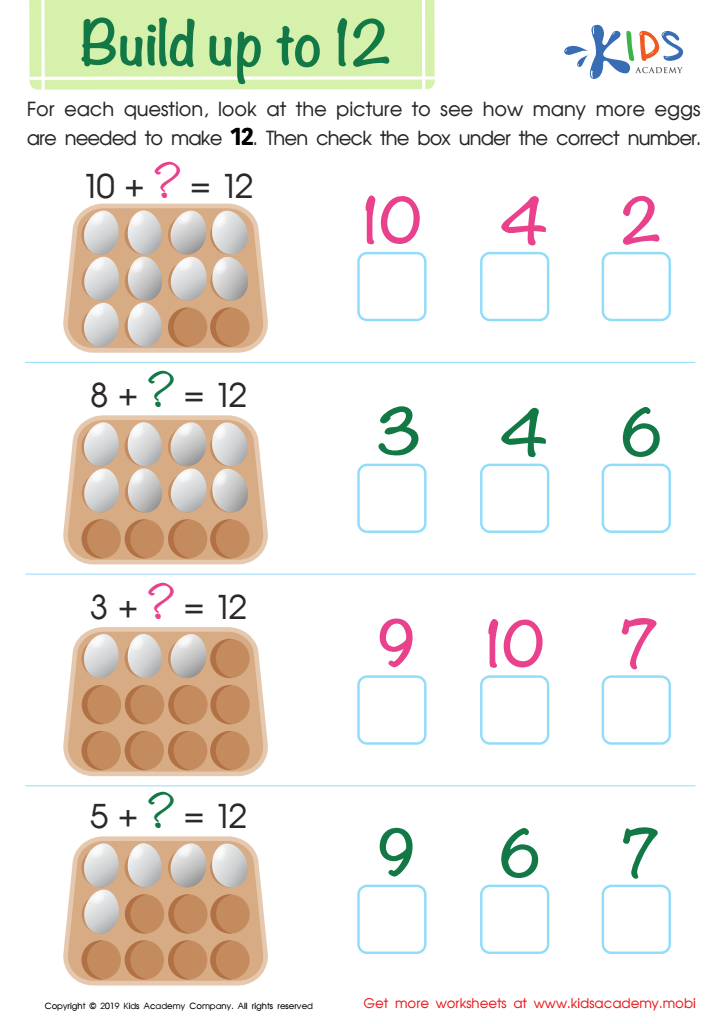
Build up to 12 Worksheet
 Assign to My Students
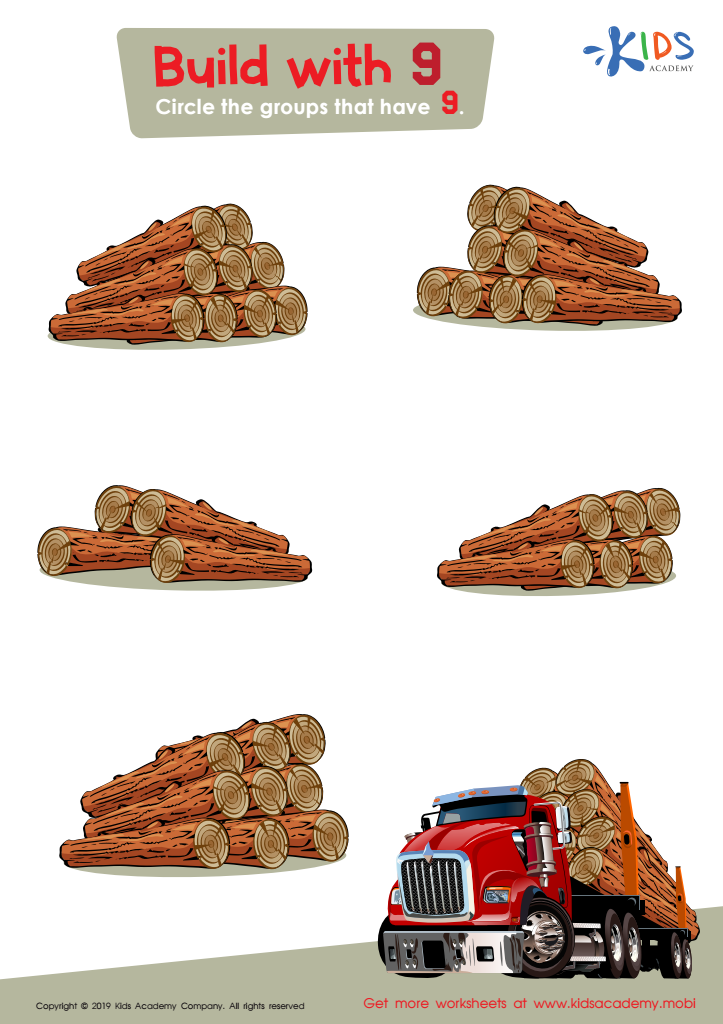
Build with 9 Worksheet
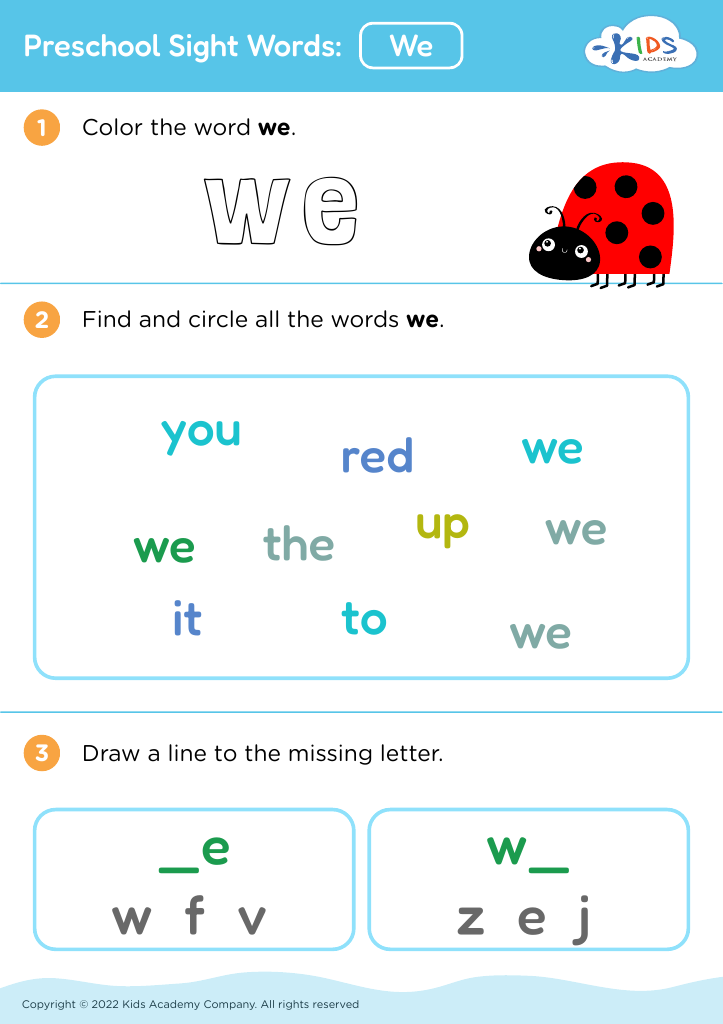




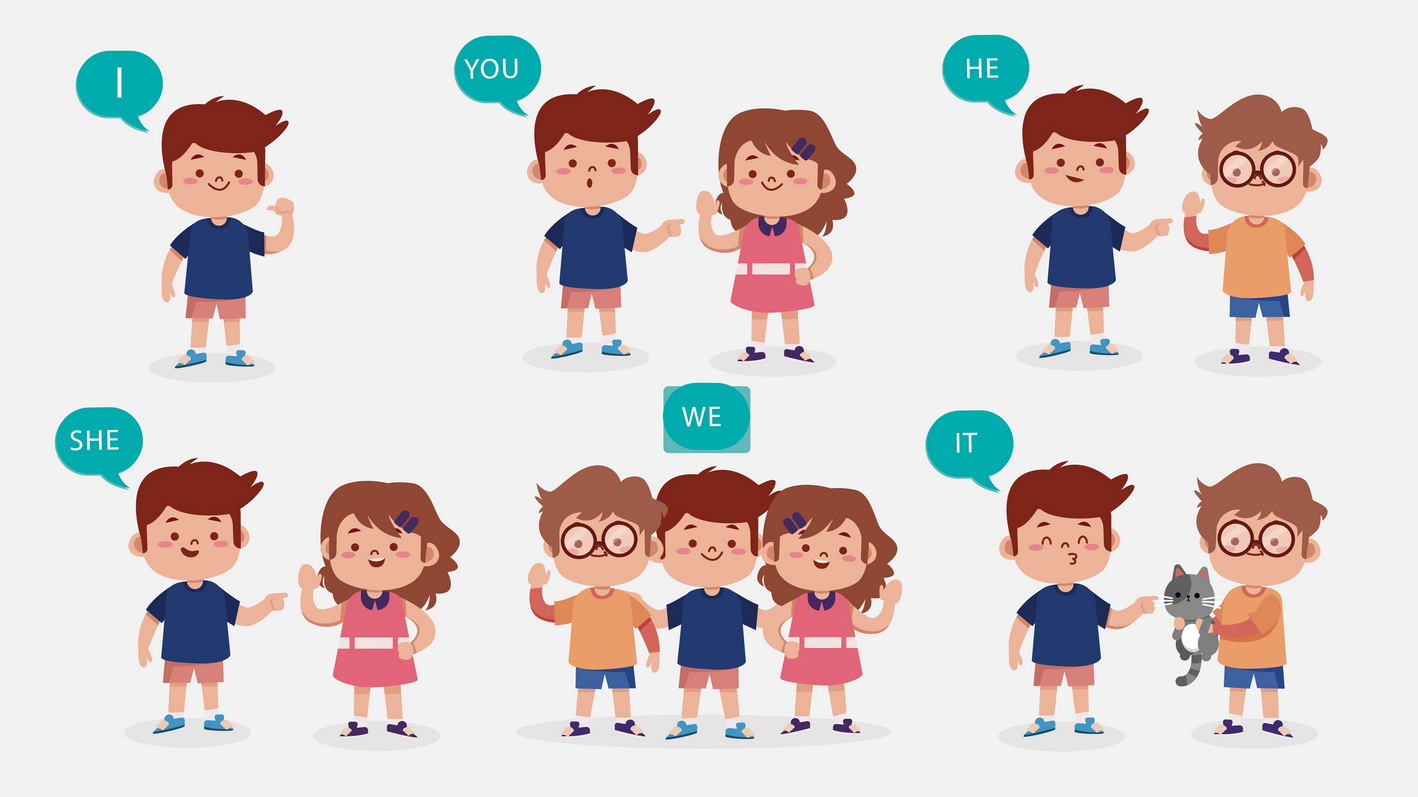

Number formation is crucial for children ages 5-9 as it lays the foundation for their mathematical development and literacy skills. During this formative stage, children are not just learning to identify numbers but also developing fine motor skills and cognitive abilities essential for future learning.
Parents and teachers should care about this process because proper number formation enhances a child's ability to write numbers legibly, improving their confidence in math-related tasks. When children struggle with the physical aspect of writing numbers, it can lead to frustration, impacting their overall attitude towards math.
Additionally, learning correct number formation helps reinforce number sense – understanding quantities, the relationship between numbers, and operations. This foundational knowledge promotes fluency in mathematics and is linked to performing better in more advanced topics in later grades, such as addition, subtraction, and even algebra.
Moreover, encouraging good habits in number formation early on can lead to more efficient learning styles. It instills discipline and focus, making children more likely to persist in difficult tasks. Therefore, both parents and teachers play a vital role in guiding children through this developmental stage, ensuring they are well-prepared for their future academic journey.








