Numerical comparisons Worksheets for Ages 5-9
3 filtered results
-
From - To
Explore our engaging Numerical Comparisons Worksheets designed specifically for children aged 5-9. These educational resources aim to help young learners develop essential math skills by comparing numbers, helping them understand concepts like greater than, less than, and equality. Each worksheet features fun visuals and interactive activities that make learning enjoyable while fostering critical thinking skills. Perfect for homeschooling, classroom use, or extra practice, our worksheets cater to different learning styles and progress levels. Encourage your child's mathematical growth and confidence with our easy-to-use printables, ensuring a solid foundation for future math success! Download now and watch your child excel!
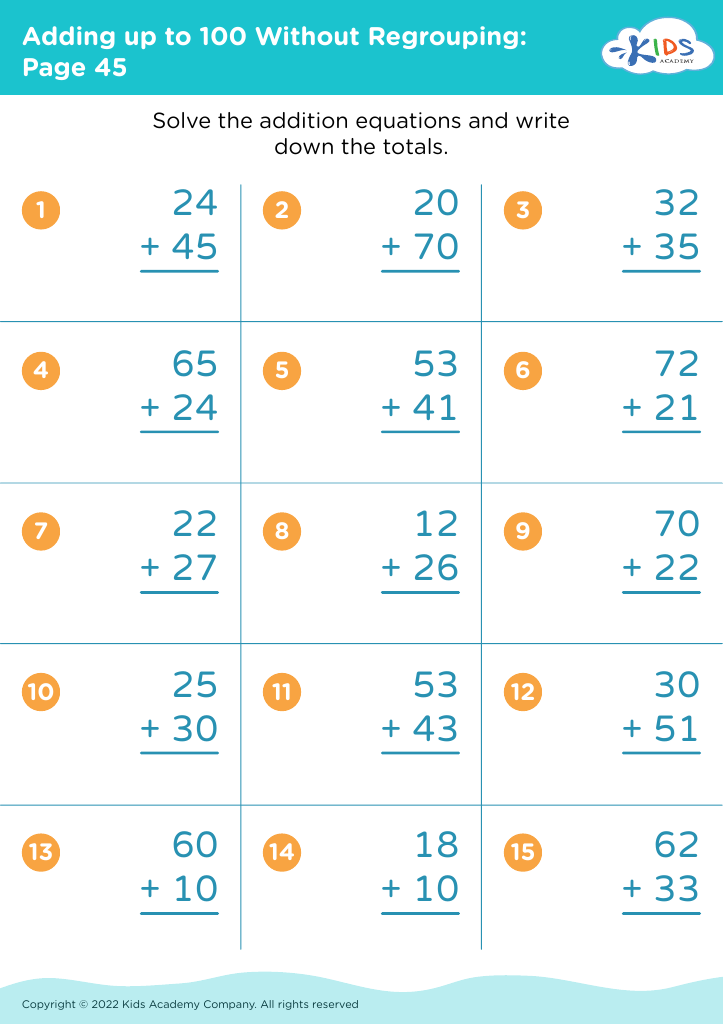
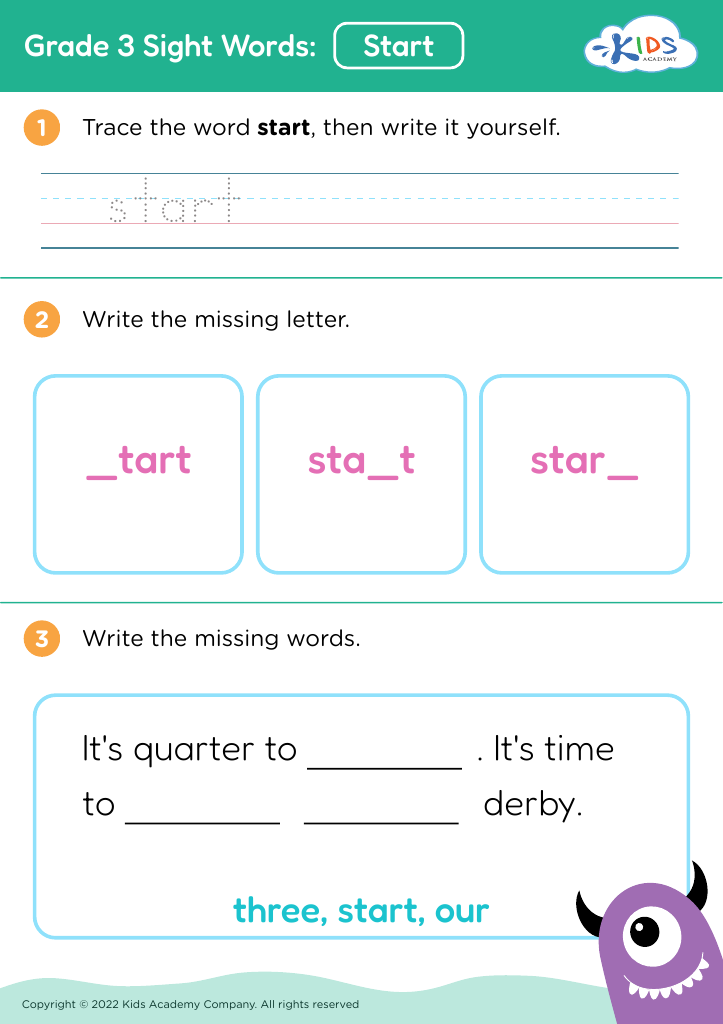
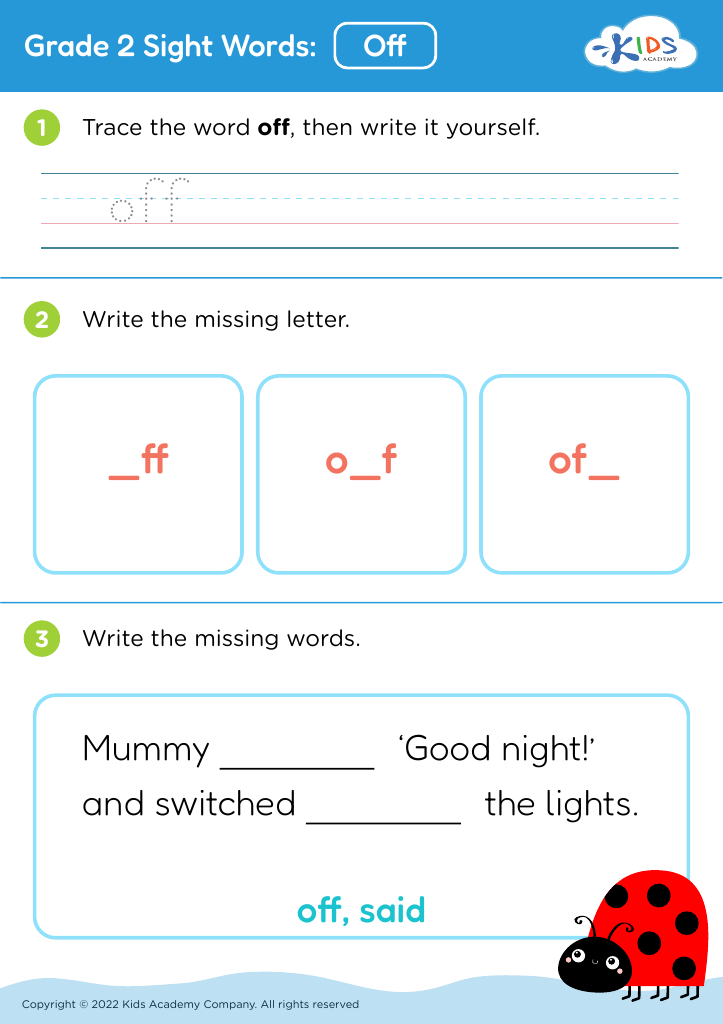








Numerical comparisons are crucial for children aged 5-9 as they form the foundation of mathematical understanding and critical thinking skills. At this stage, children begin to grasp the concept of quantities and relationships between numbers, which is vital for their overall cognitive development. By learning numerical comparisons, such as greater than, less than, and equal to, children enhance their ability to analyze and make sense of the world around them.
Parents and teachers should care about this aspect of learning as it fosters problem-solving skills and encourages logical reasoning. Engaging in numerical comparisons helps children develop confidence in their math abilities, setting a positive tone toward learning mathematics in the future. Additionally, these skills support everyday decision-making, such as measuring ingredients for cooking or comparing prices while shopping.
Moreover, understanding numerical comparisons lays the foundation for more complex mathematical concepts, such as addition, subtraction, and eventually, multiplication and division. By emphasizing these skills early, caregivers can instill a love for math and encourage children to embrace challenges, increasing their chances for academic success as they grow. Overall, fostering numerical comparison skills creates a well-rounded base for lifelong learning in mathematics and beyond.








