
Numerical problem solving Worksheets for Ages 5-9
6 filtered results
Difficulty Level
Grade
Age
-
From - To
Subject
Activity
Standards
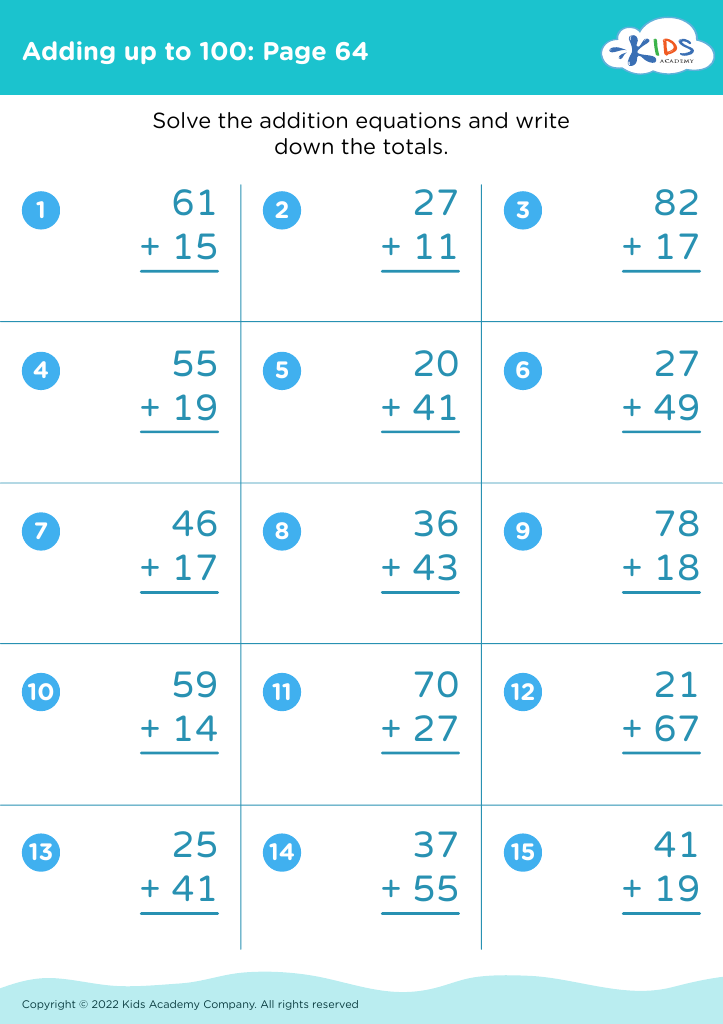
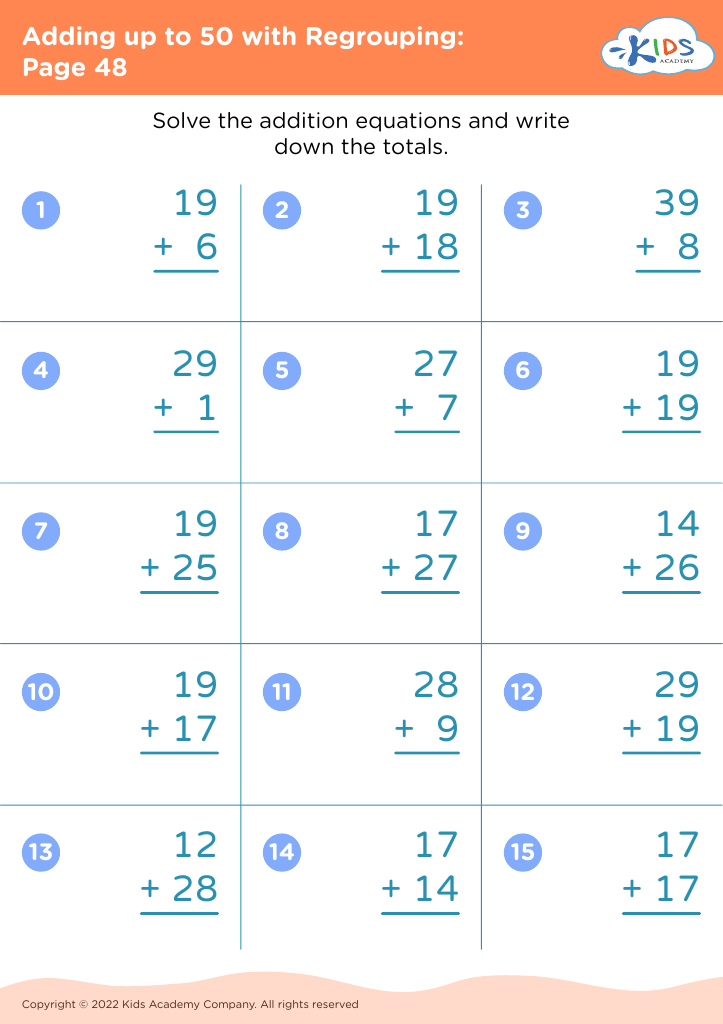
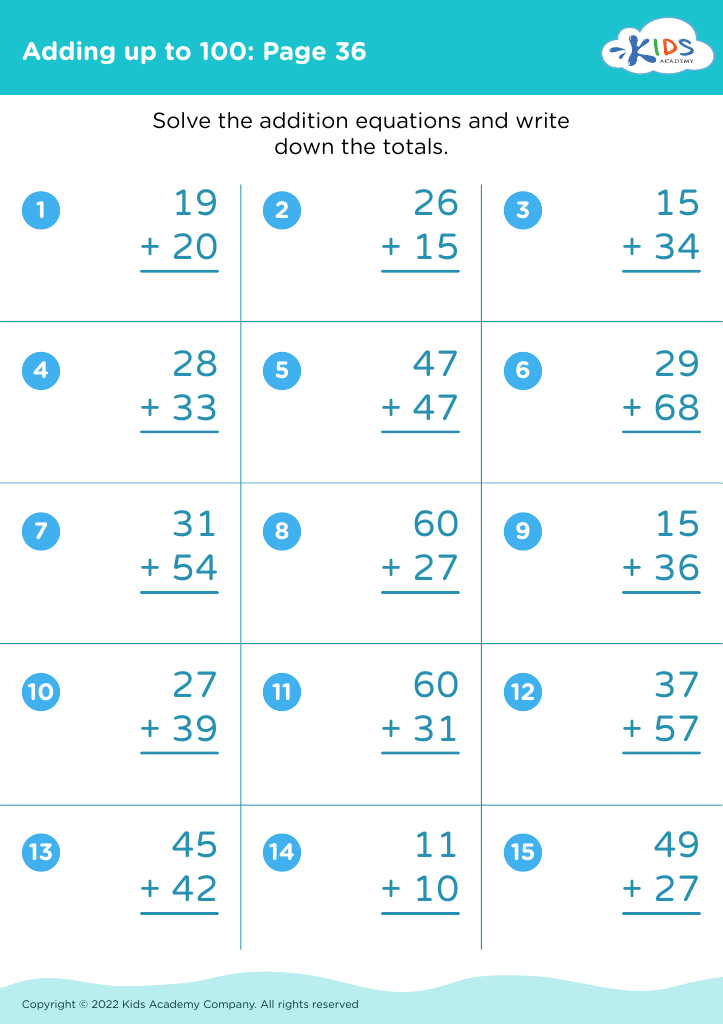
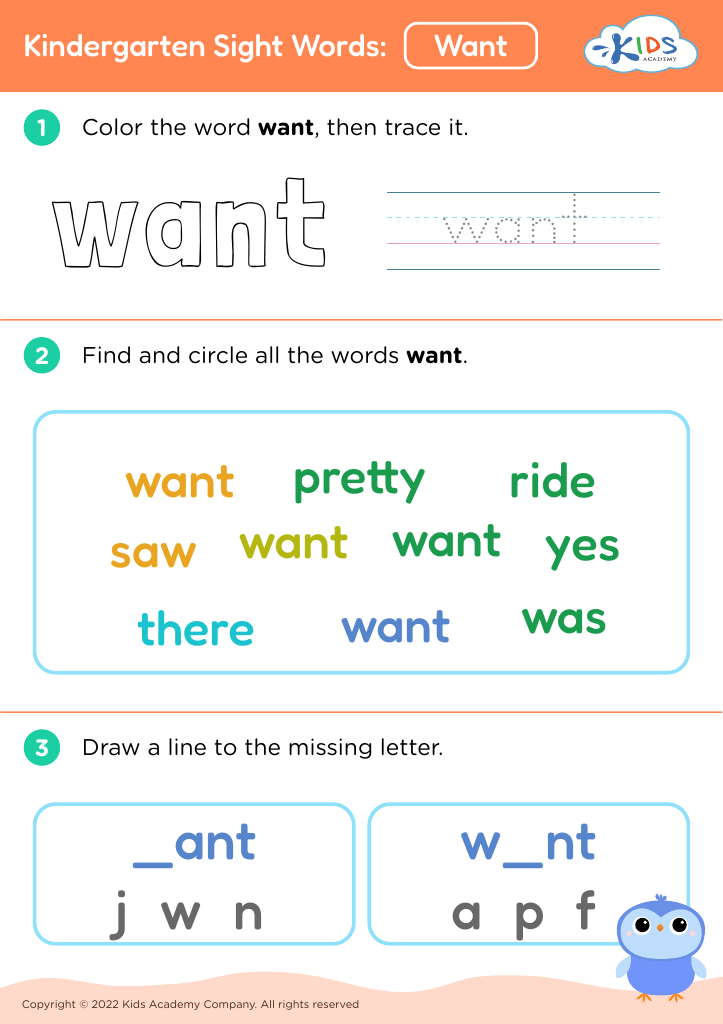
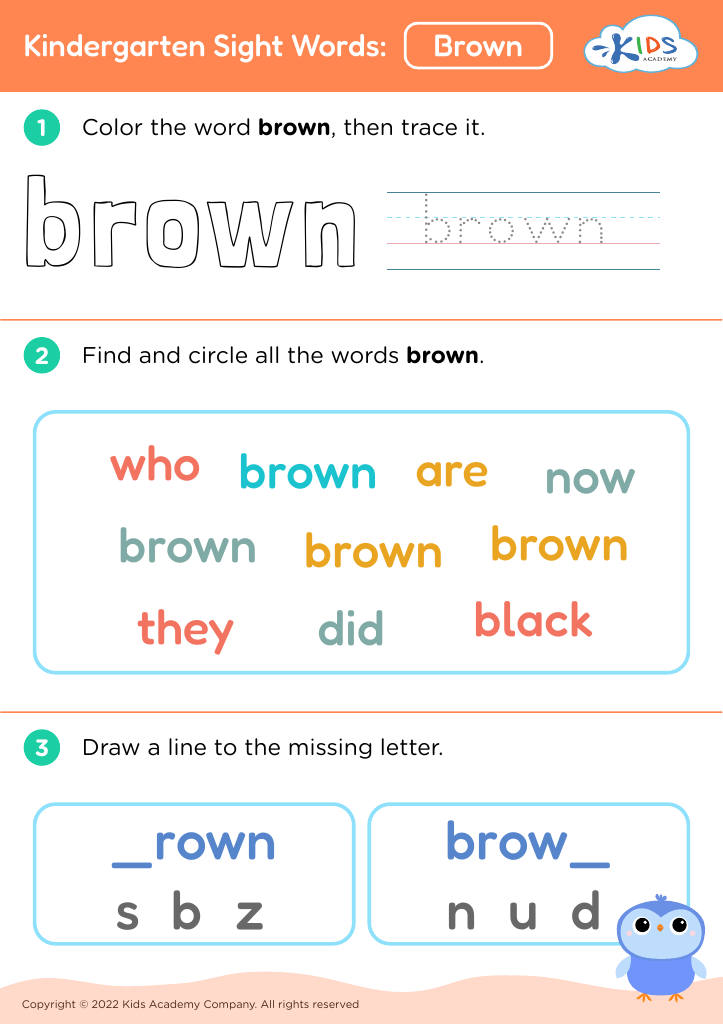
Discover engaging and interactive Numerical Problem Solving Worksheets designed for children ages 5 to 9! Our resources aim to enhance young learners' math skills through fun and relatable problems that encourage critical thinking. Each worksheet features vibrant illustrations and age-appropriate challenges tailored to build foundational skills in addition, subtraction, and basic problem-solving. Perfect for classroom activities or at-home learning, these worksheets promote active learning and help kids develop a love for math. Dive into the world of numbers with worksheets that not only educate but also entertain! Start your child’s numerical adventure today and watch their confidence soar!
Favorites
With answer key
Interactive
Join Kids Academy for Free
Who is primarily going to use this learning content?








Numerical problem solving is a crucial skill for children aged 5-9, and it deserves attention from both parents and teachers for several reasons. First, it lays the foundation for mathematical understanding. Young children are naturally curious, and engaging them in problem-solving nurtures their innate inquisitiveness and enhances critical thinking skills. This early engagement with numbers fosters a better grasp of concepts that will be vital as they progress to higher-level mathematics.
Moreover, numerical problem-solving develops persistence and resilience. Tackling challenging problems helps children develop a growth mindset, enabling them to embrace challenges rather than shy away from them. It encourages them to think creatively and explore multiple strategies, skills that are essential throughout their educational journey.
Additionally, numerical problem-solving can improve children's confidence in their abilities. Mastering new concepts boosts their self-esteem and encourages active participation in classroom settings. Lastly, skills acquired through problem-solving extend beyond math; they enhance overall cognitive abilities, and analytical thinking, and are applicable in everyday life situations.
Involving parents in this process can reinforce learning at home, creating a supportive environment that nurtures children's mathematical confidence and prepares them for future academic challenges.








