Pattern recognition Worksheets for Ages 5-9 - Page 2
31 filtered results
-
From - To
 Assign to My Students
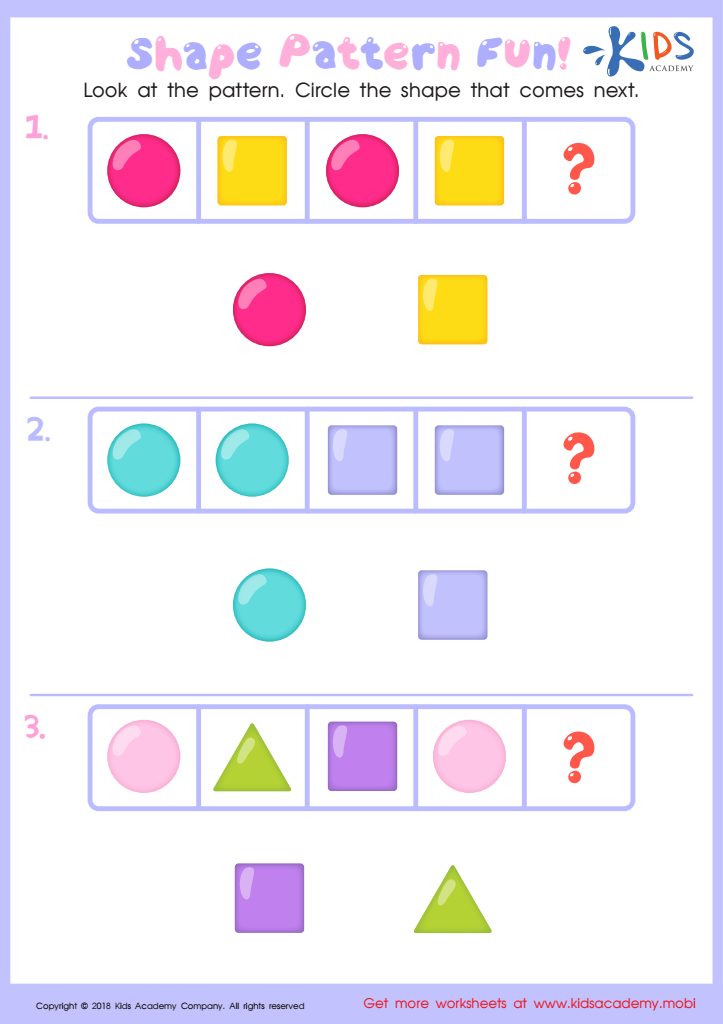
Shape Pattern Fun Worksheet
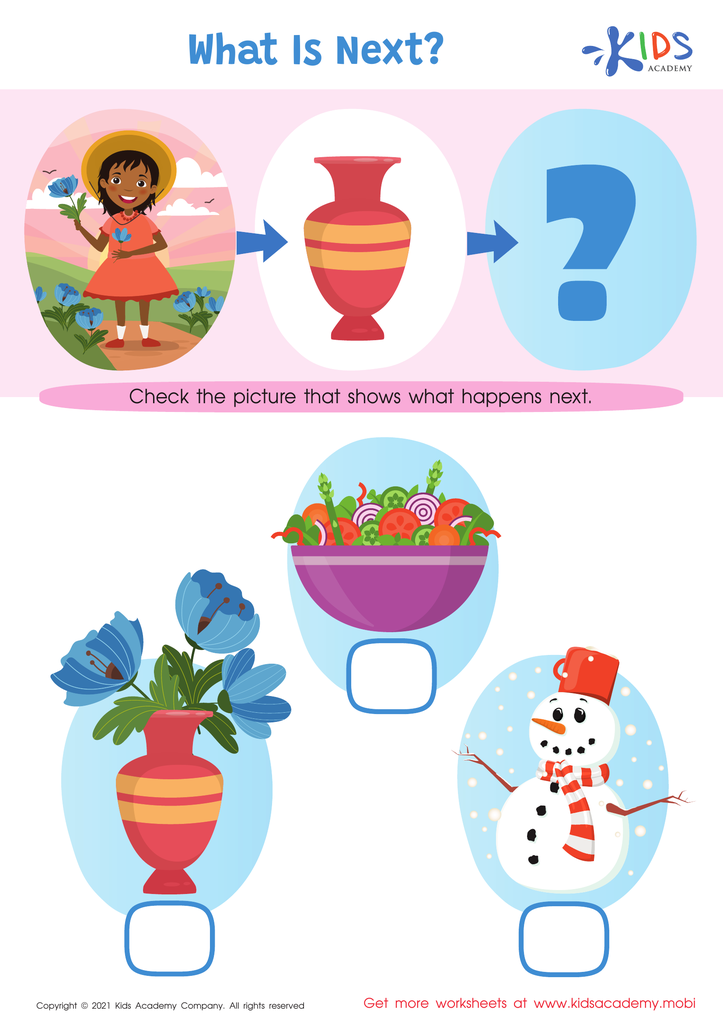
What is Next? Worksheet
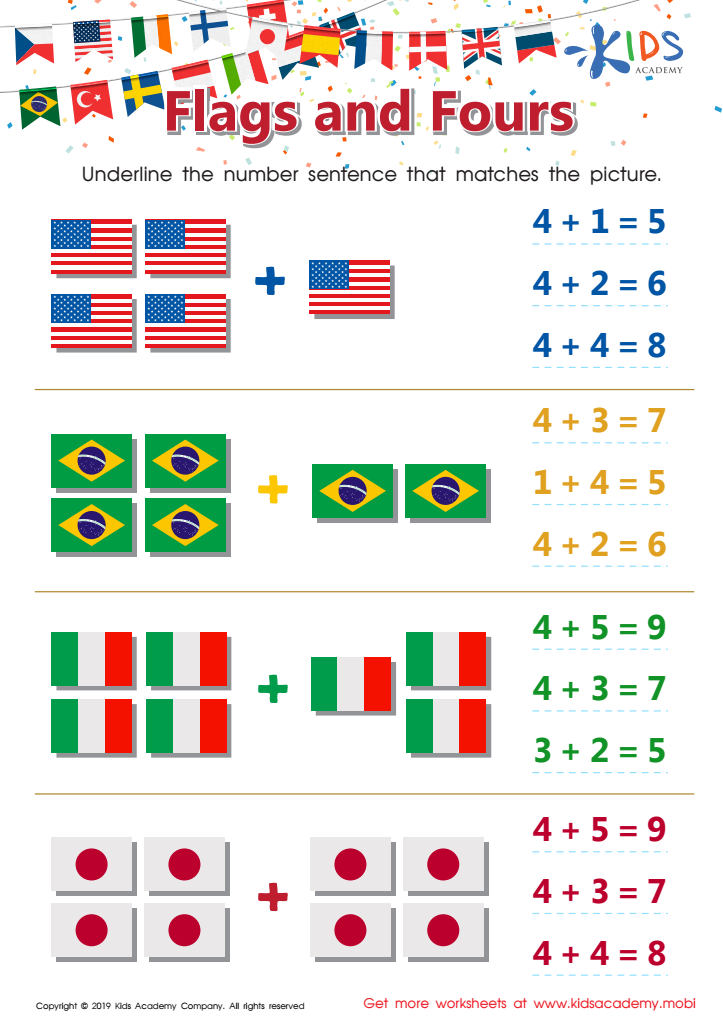
Flags and Fours Worksheet
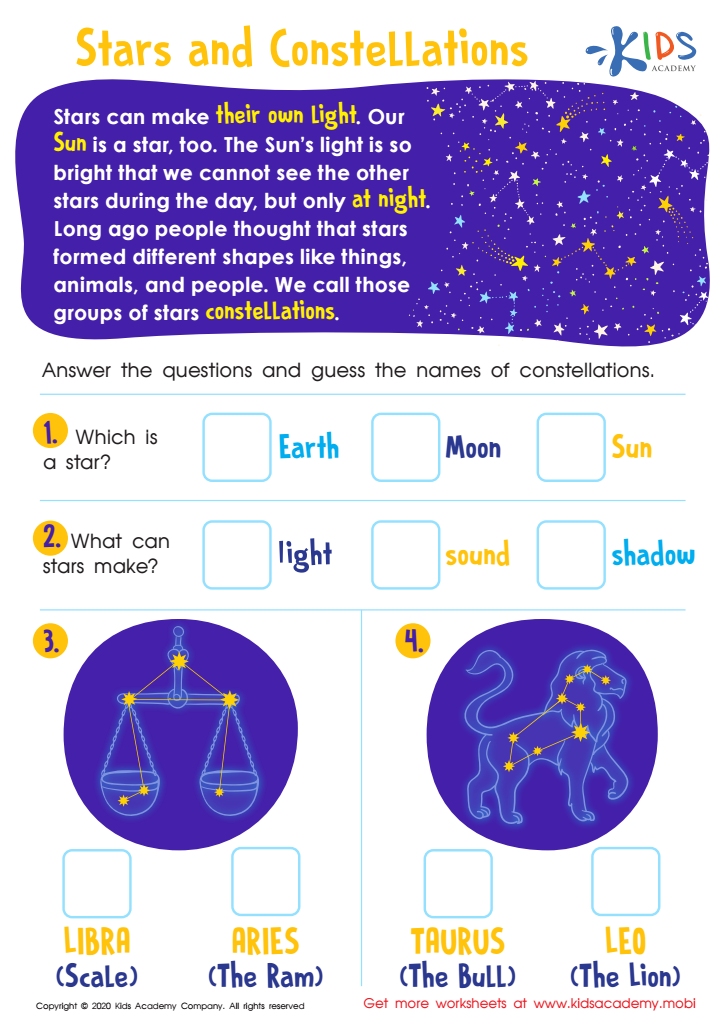
Stars and Constellations Worksheet
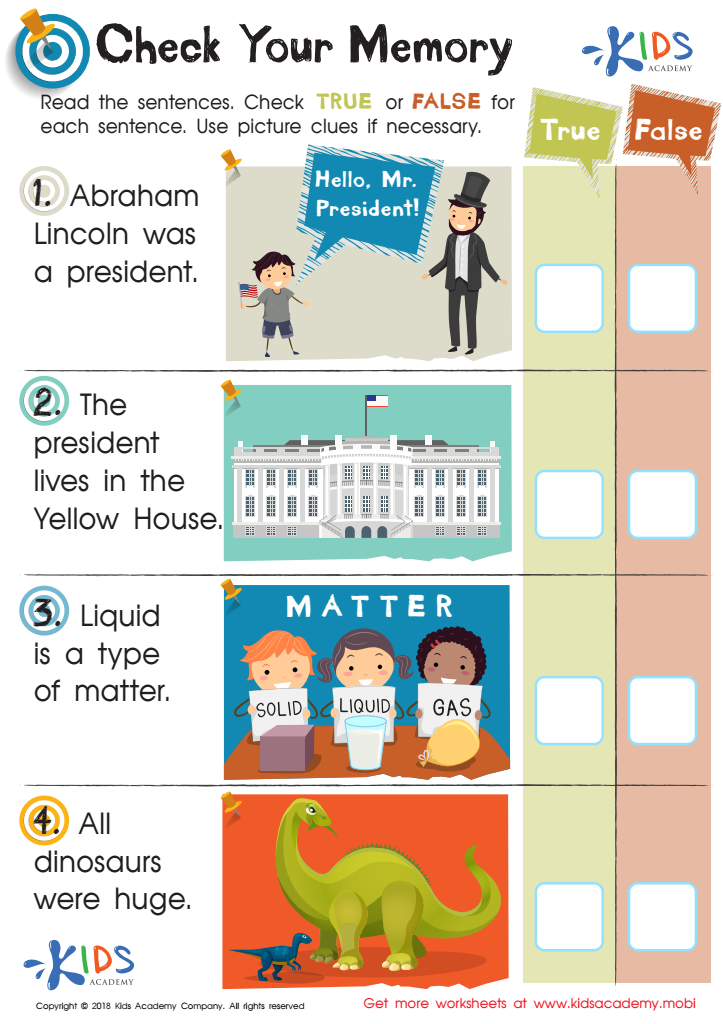
Check Memory Worksheet







Pattern recognition is a fundamental cognitive skill that plays a crucial role in the development of children aged 5-9. Parents and teachers should prioritize this skill for several reasons. Firstly, pattern recognition fosters critical thinking and problem-solving abilities. By recognizing patterns, children learn to make connections, derive rules, and predict outcomes, which are essential skills not only in mathematics but across all subjects.
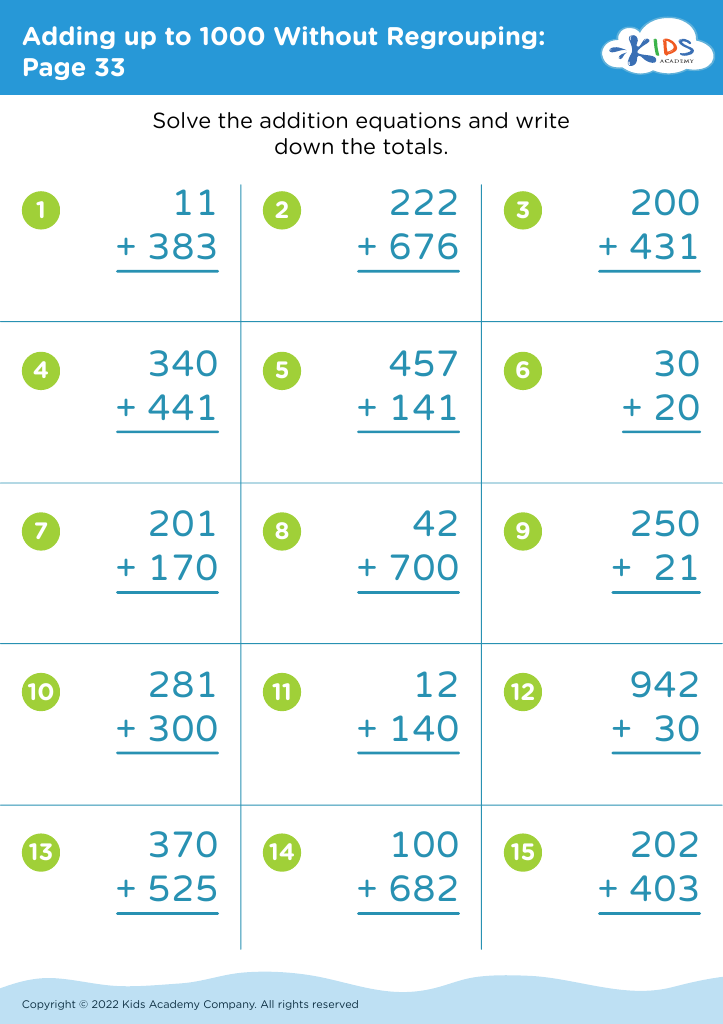
Moreover, developing pattern recognition supports early literacy and numeracy. For instance, understanding letter patterns contributes to reading proficiency, while recognizing numerical patterns lays the foundation for addition, subtraction, and even algebra in later years.
Engaging with patterns also enhances children's creativity and imagination. Activities like identifying patterns in nature, art, or music can stimulate innovative thinking and self-expression. Furthermore, it nurtures perseverance—children learn to experiment with different strategies when patterns aren’t immediately recognizable.
Finally, pattern recognition is fundamental to social skills. It helps children learn about relationships and social cues, fostering emotional intelligence. Overall, promoting pattern recognition can equip young learners with vital skills that underpin academic success and personal growth, making it a cornerstone of early education. Parents and teachers are encouraged to incorporate fun pattern-based activities into daily routines to harness these benefits.








