Practice counting Worksheets for Ages 5-9
6 filtered results
-
From - To
Welcome to our "Practice Counting Worksheets for Ages 5-9"! Our engaging and colorful worksheets are designed to help young learners develop and reinforce their counting skills through fun activities. Each worksheet provides a variety of counting exercises, such as number tracing, counting objects, and number recognition, tailored specifically for children aged 5 to 9. These resources not only support foundational math skills but also promote independence and confidence in young mathematicians. Whether at home or in the classroom, our worksheets make learning to count enjoyable and effective. Download today and watch your child excel in their counting abilities!
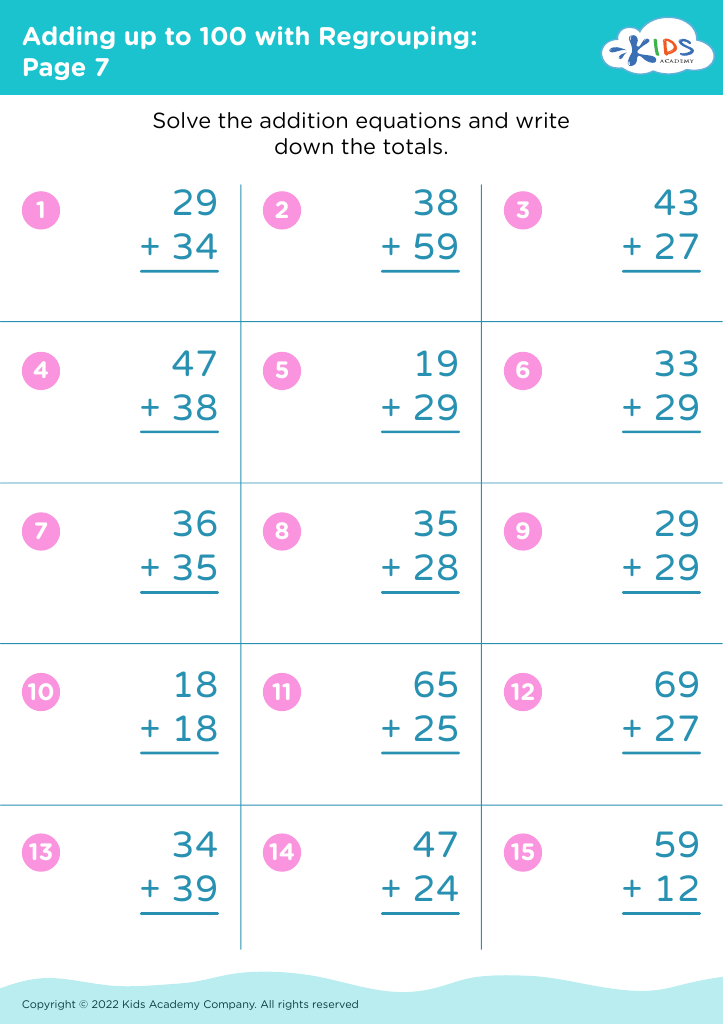
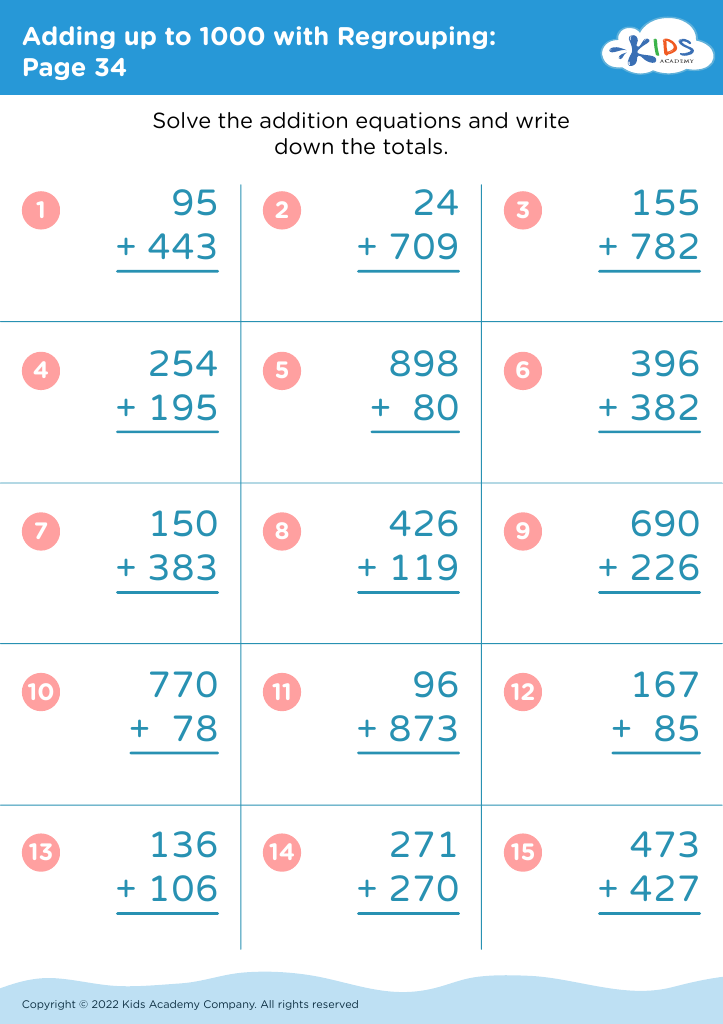
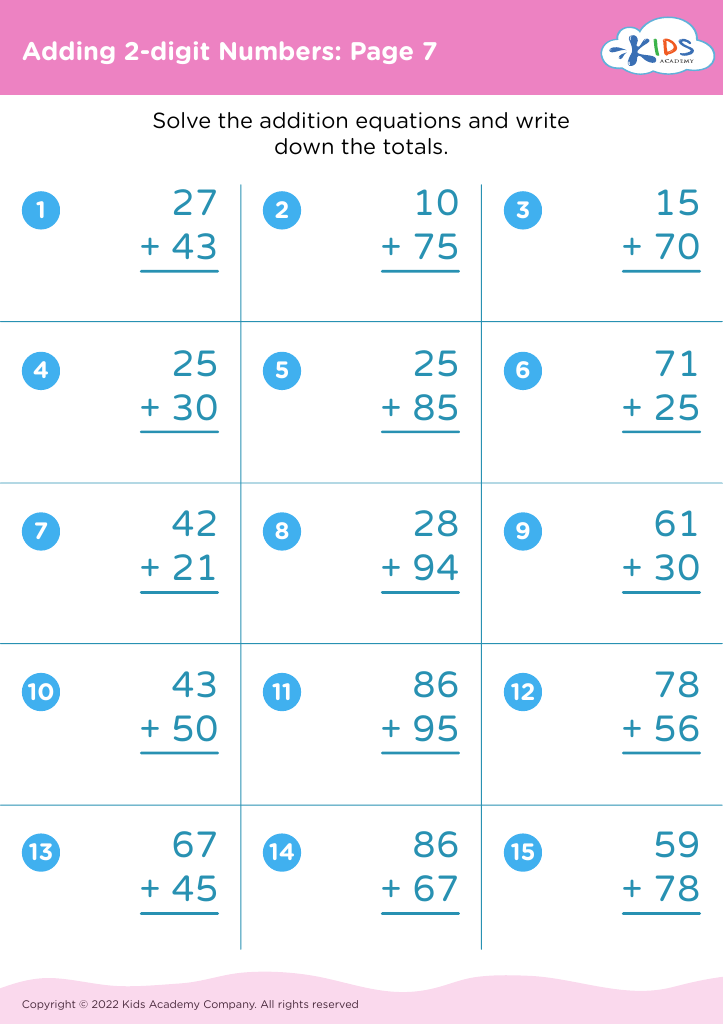
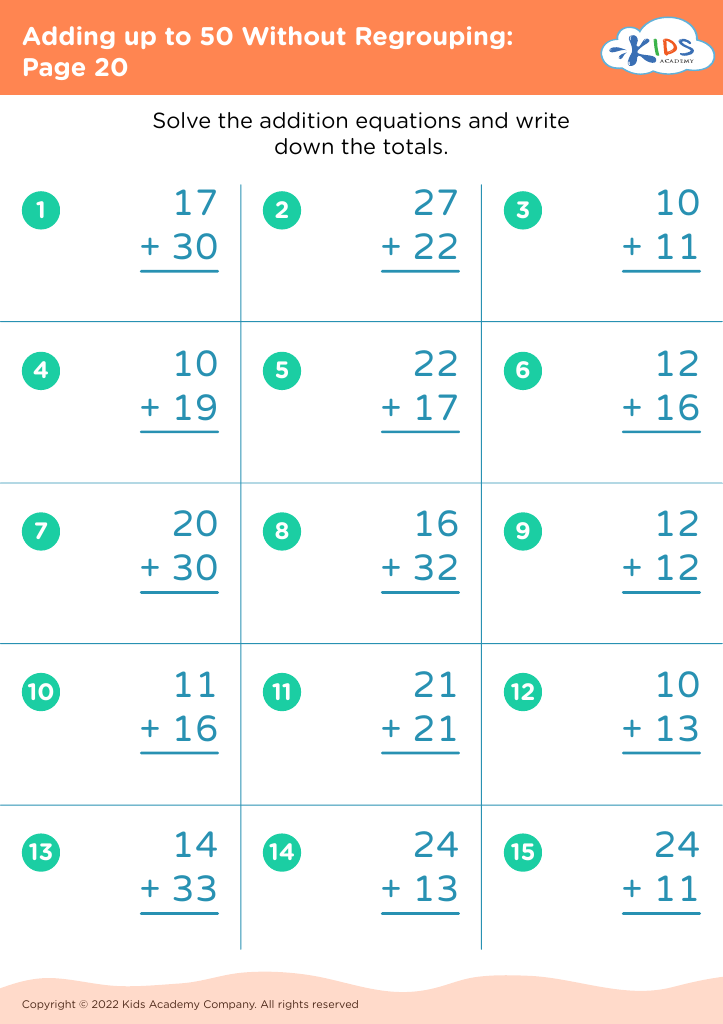
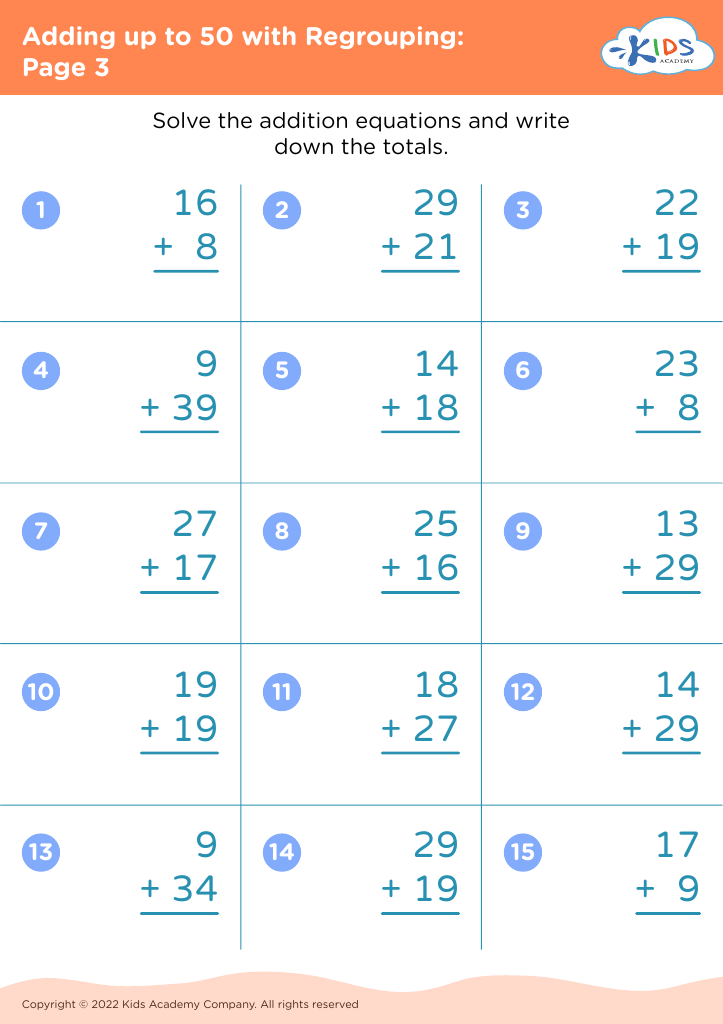
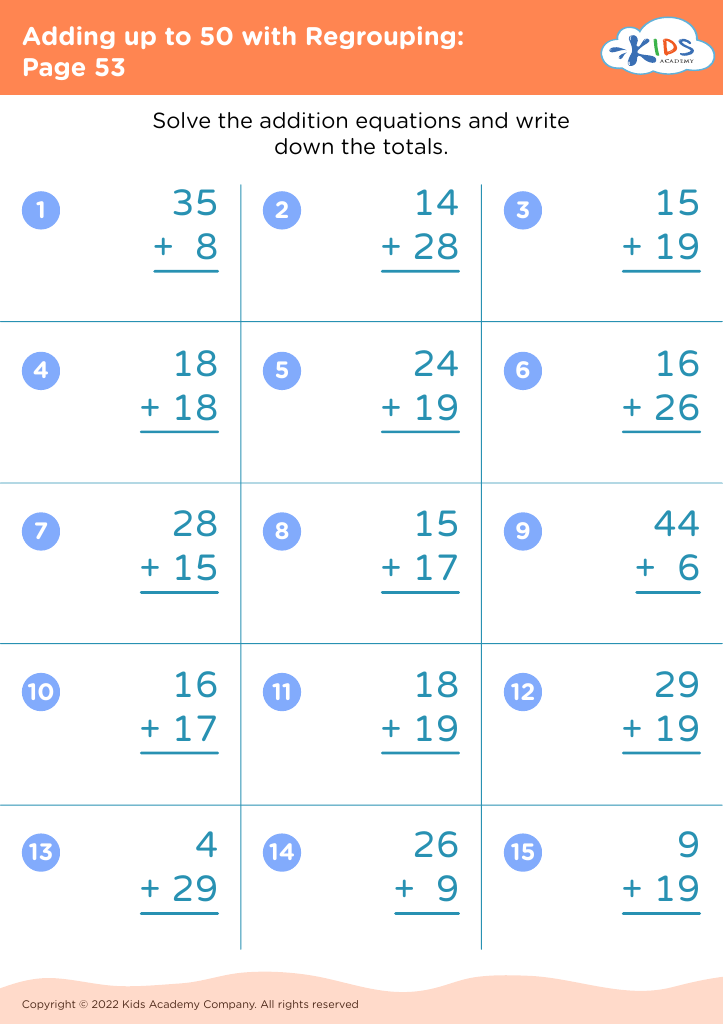







Practicing counting is essential for children aged 5-9 as it serves as a foundational skill for their mathematical development and overall cognitive growth. At this age, children are in a critical phase of learning where they are building their understanding of numbers and developing early numeracy skills. Counting is not merely a rote activity; it fosters essential concepts such as quantity, order, and relationships between numbers.
When parents and teachers prioritize practice counting, they help children enhance their readiness for more complex mathematical concepts, such as addition and subtraction. Engaging with counting games or everyday activities allows children to link abstract numbers to tangible items, reinforcing their understanding through practical experiences.
Additionally, counting encourages the development of fine motor skills, particularly when children use physical objects to count or interact with number-related activities. This hands-on approach makes learning fun and engaging.
Moreover, by fostering a strong counting foundation, parents and teachers instill confidence in children as they approach math-related tasks in the future. Overall, consistent practice counting not only equips children with essential skills but also lays the groundwork for a positive attitude toward mathematics, promoting a lifelong love for learning.








