Practice division Worksheets for Ages 5-9
4 filtered results
-
From - To
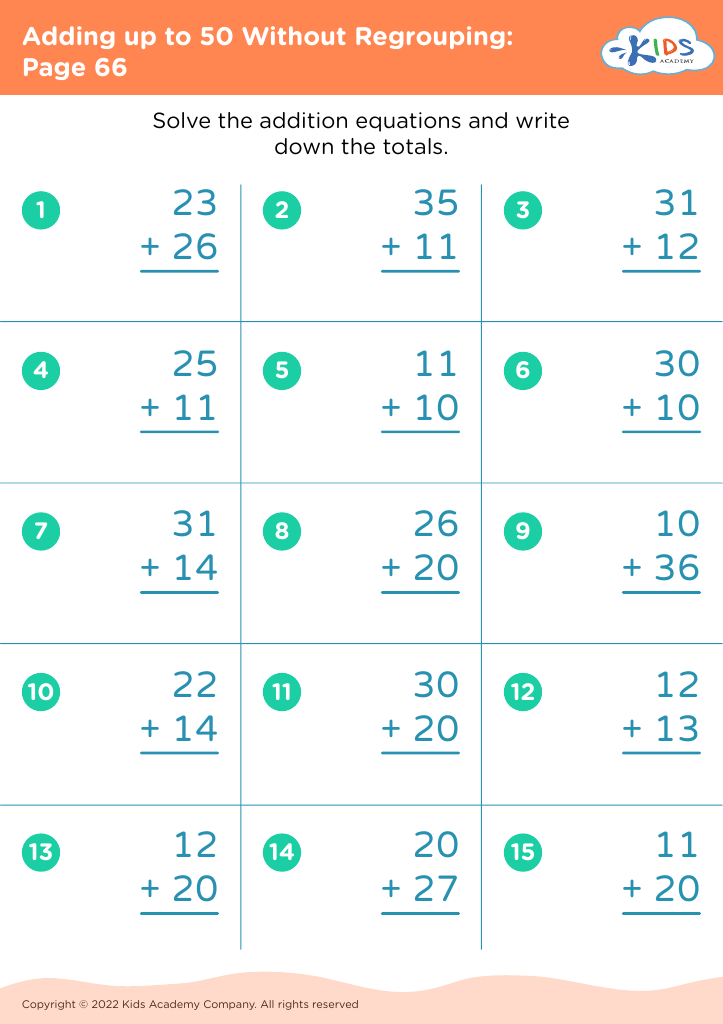
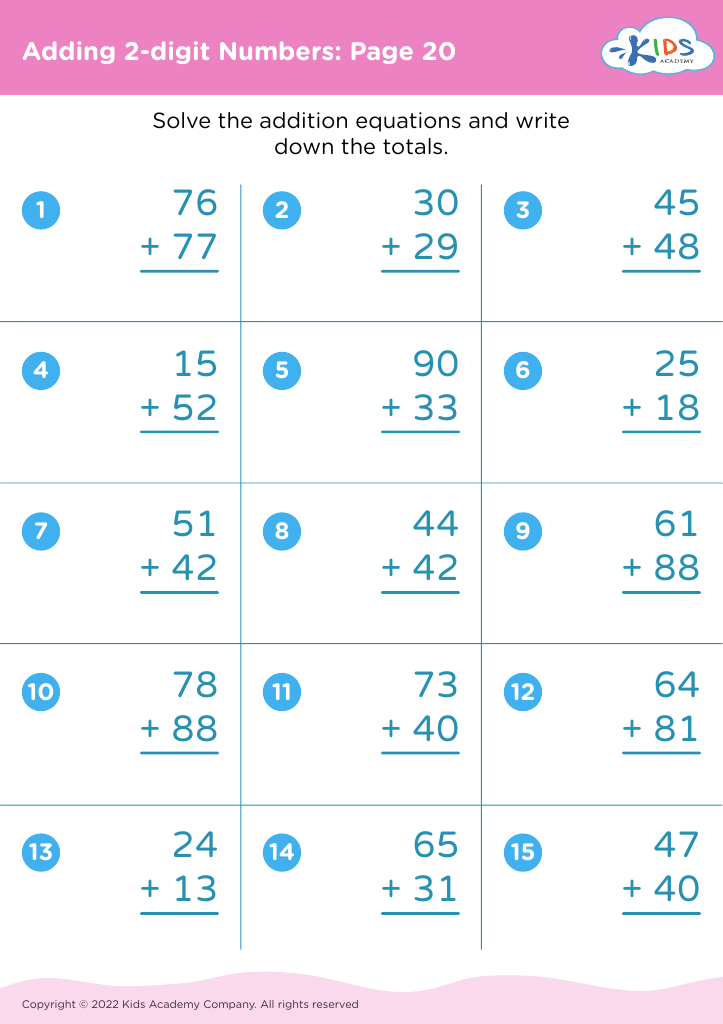
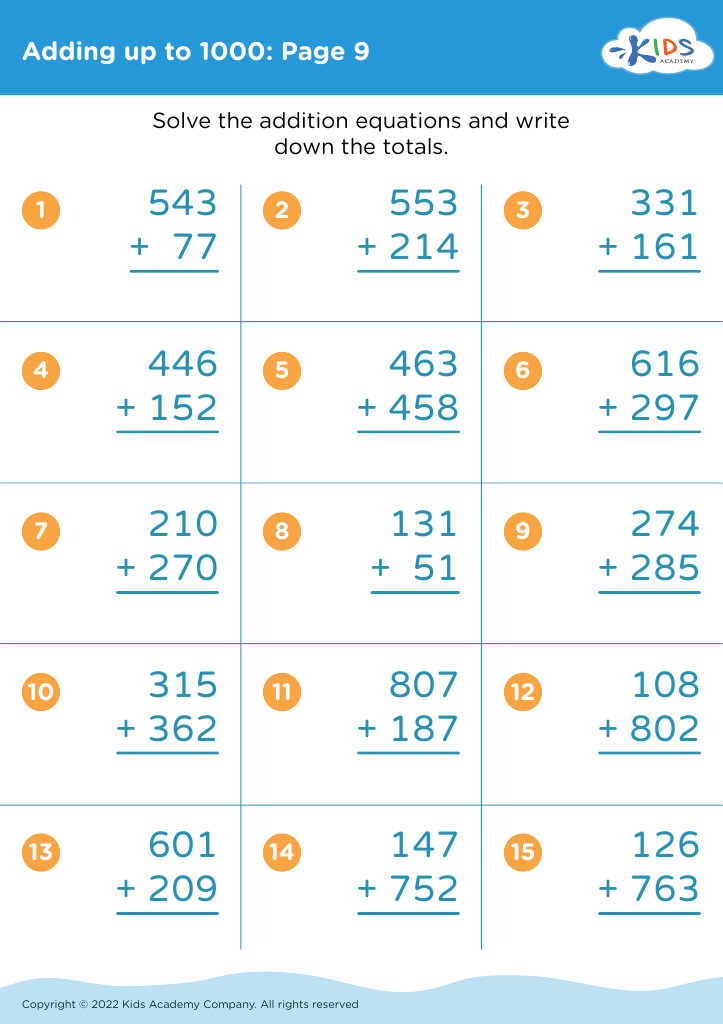
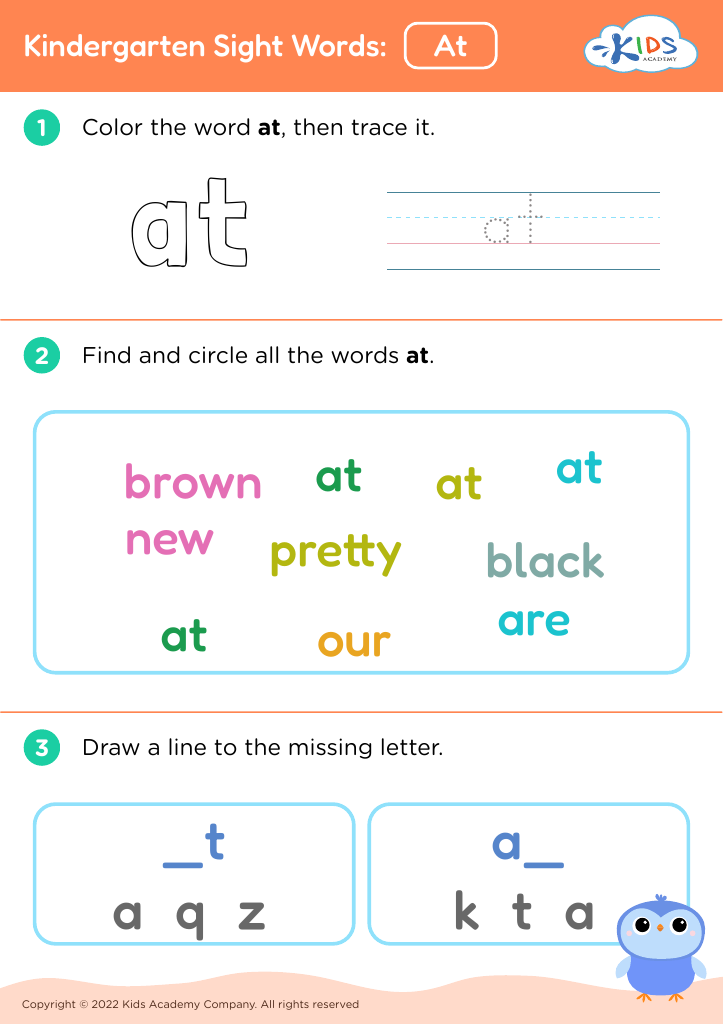
Discover our engaging division worksheets designed specifically for children ages 5-9! These interactive resources make learning division fun and effective, helping kids master essential math skills at their own pace. Our printable worksheets feature a variety of colorful, age-appropriate exercises that introduce division concepts through visual aids and playful illustrations. As children practice with these worksheets, they build confidence and understanding, setting a strong foundation for future math success. Perfect for at-home learning or classroom activities, our division worksheets encourage a positive learning experience while helping kids develop their mathematical abilities. Start learning today and watch your child thrive!








Practicing division for children aged 5-9 is essential for several reasons. Firstly, it lays the foundation for essential mathematical skills. By understanding division, children learn how to share, group, and solve problems, which enhances their overall number sense. This foundational knowledge supports their ability to tackle more complex concepts later in their education, such as fractions and percentages.
Furthermore, division practice helps to develop critical thinking and problem-solving skills. Children learn to break down larger problems into manageable parts, fostering resilience and adaptability. This cognitive flexibility extends beyond mathematics into everyday situations, encouraging children to approach challenges creatively.
In addition, division fosters cooperation and social skills. Activities that involve sharing objects or problems encourage children to communicate and collaborate with their peers. This is especially important for younger children, as it aids their social development and understanding of teamwork.
Moreover, practicing division enhances concentration and discipline. Regular practice helps children develop a routine, allowing them to focus their attention and establish a strong work ethic. Overall, investing time in division skills is crucial for children’s academic success and personal growth, making it a priority for both parents and educators.








