
Recognize shapes Worksheets for Ages 5-9
12 filtered results
Difficulty Level
Grade
Age
-
From - To
Subject
Activity
Standards
Discover our engaging "Recognize Shapes Worksheets" designed for children ages 5-9! These fun and interactive worksheets help young learners identify, differentiate, and understand various shapes through creative activities. With a blend of coloring, tracing, and matching exercises, our resources seamlessly enhance spatial awareness and shape recognition skills. Perfect for both classroom settings and at-home learning, these worksheets promote early math readiness while sparking creativity. Parents and teachers can effortlessly download and print the materials, making learning accessible and enjoyable. Start your child’s exciting adventure into the world of shapes today and watch their confidence soar!
Favorites
With answer key
Interactive
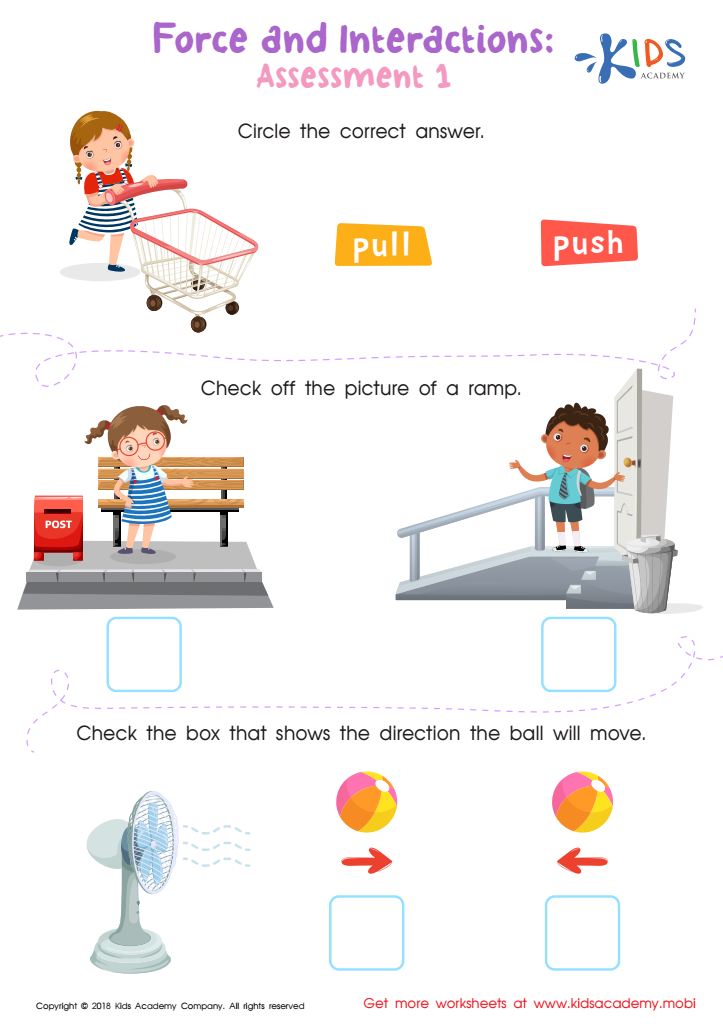
Force and Interactions: Assessment 1 Worksheet
Test your students' knowledge of pushing, pulling, ramps and wind with this worksheet. The first task requires them to identify push or pull pictures. The second asks them to identify a ramp and the third to explain which direction a ball will move when exposed to wind.
 Assign to My Students
Force and Interactions: Assessment 1 Worksheet
Worksheet
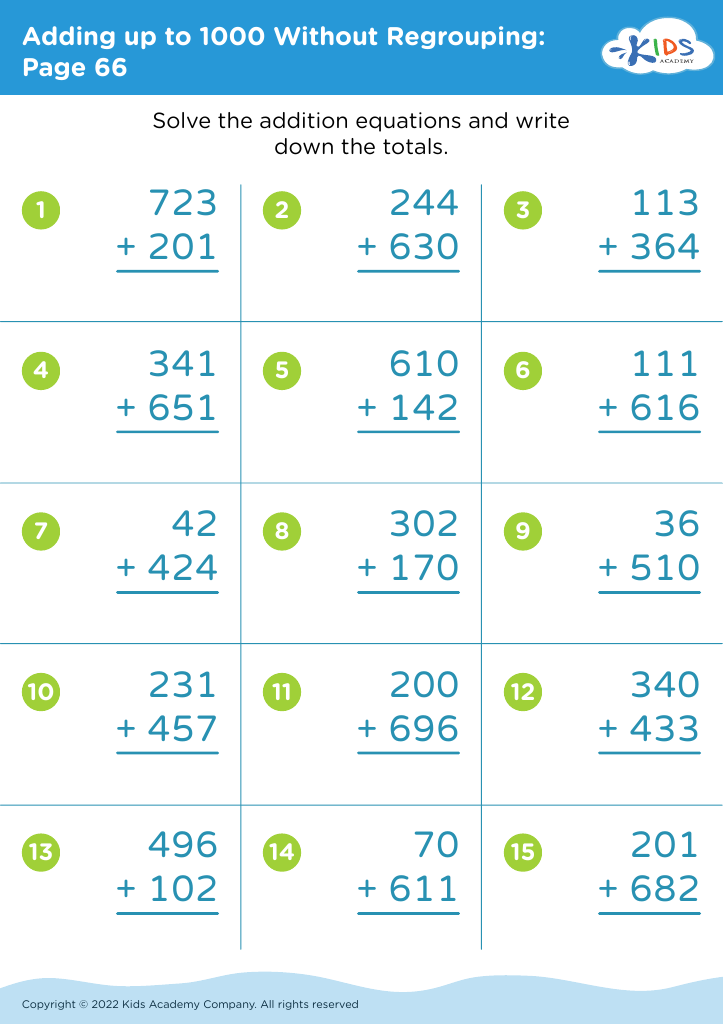
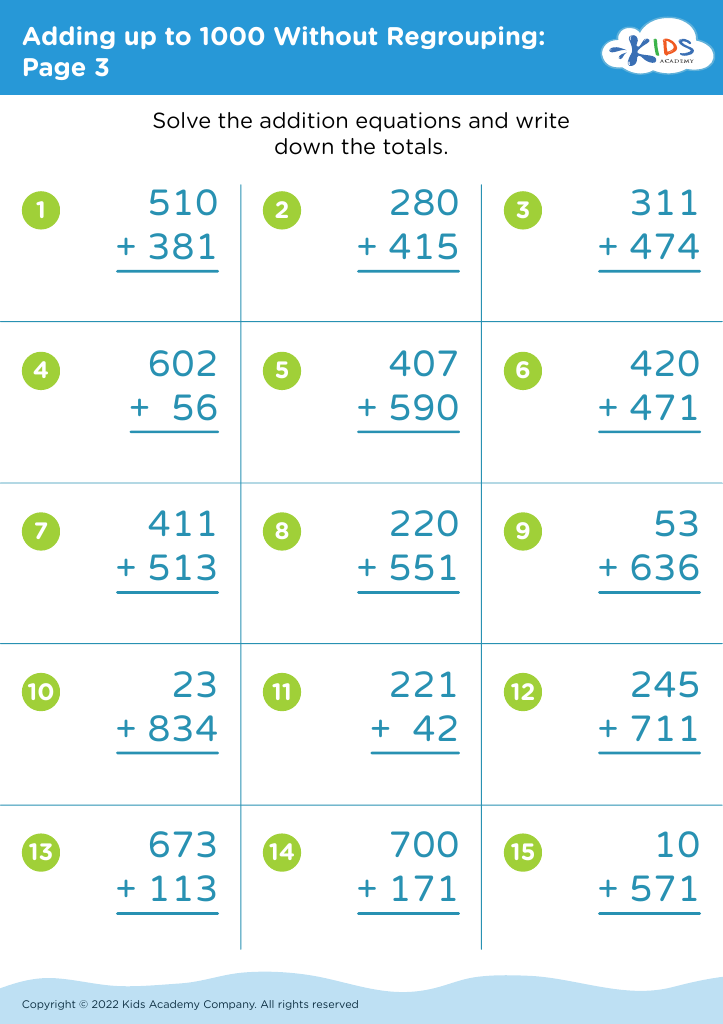
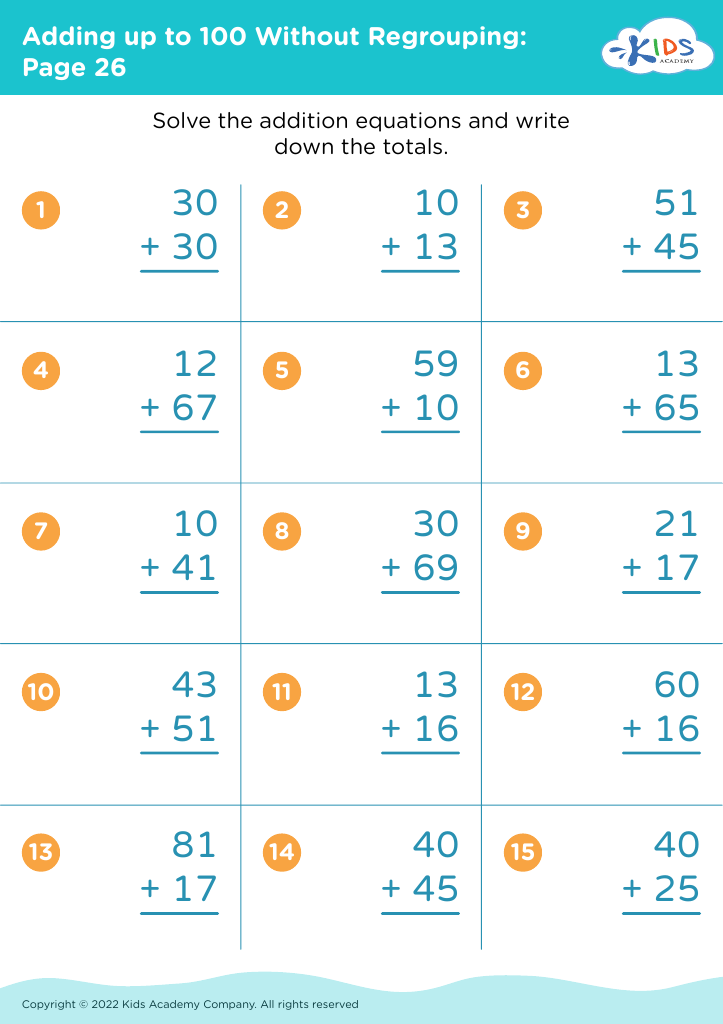
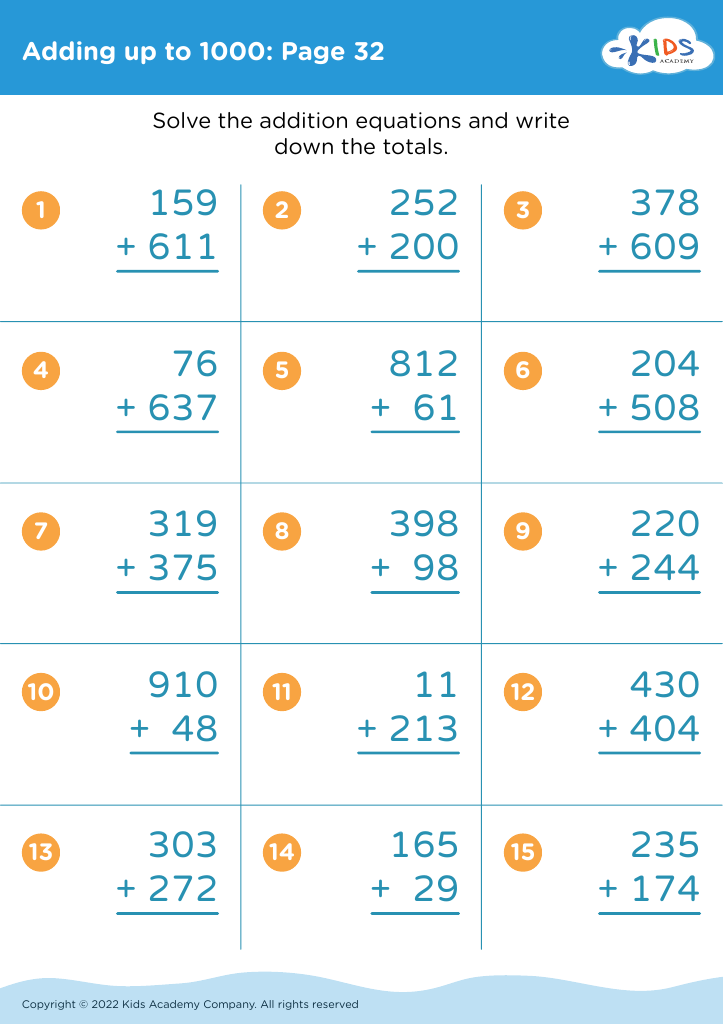
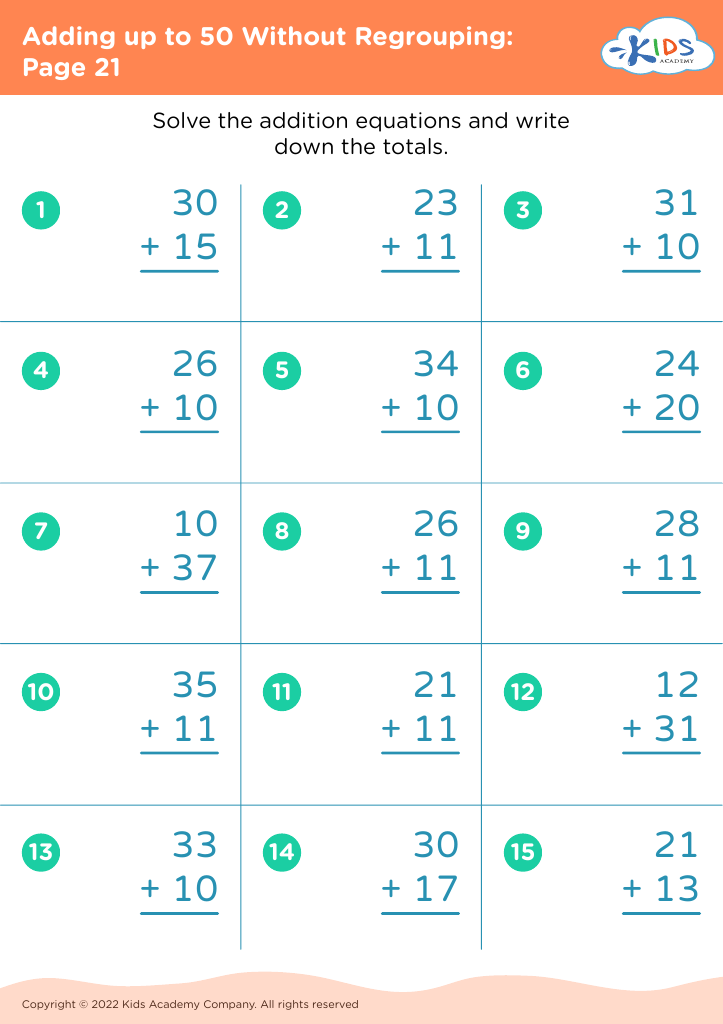
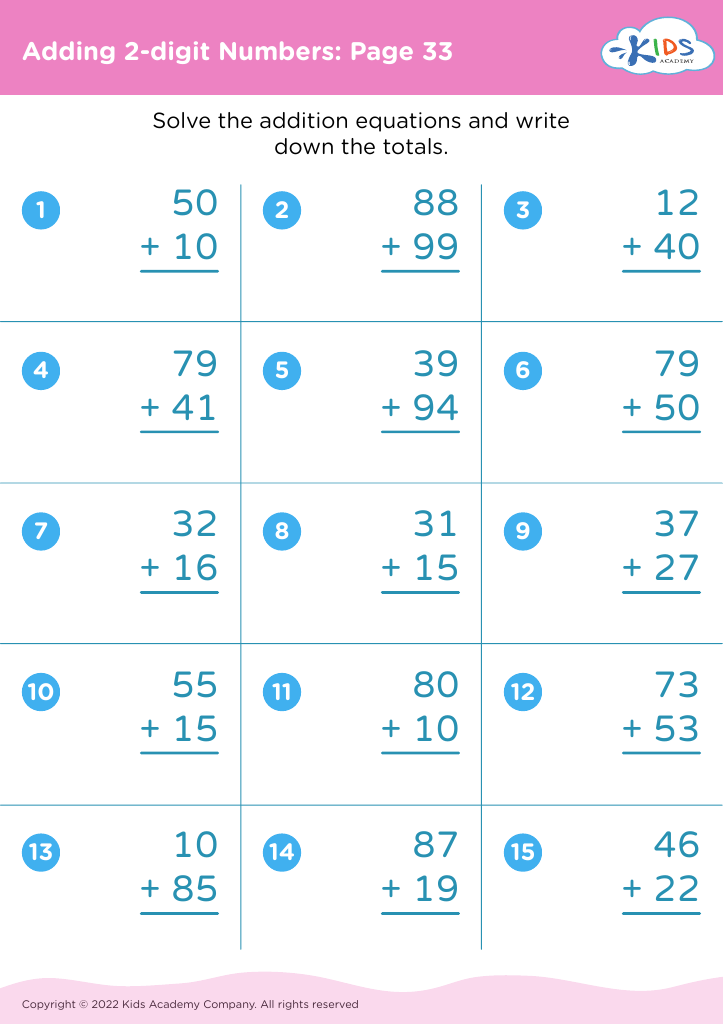
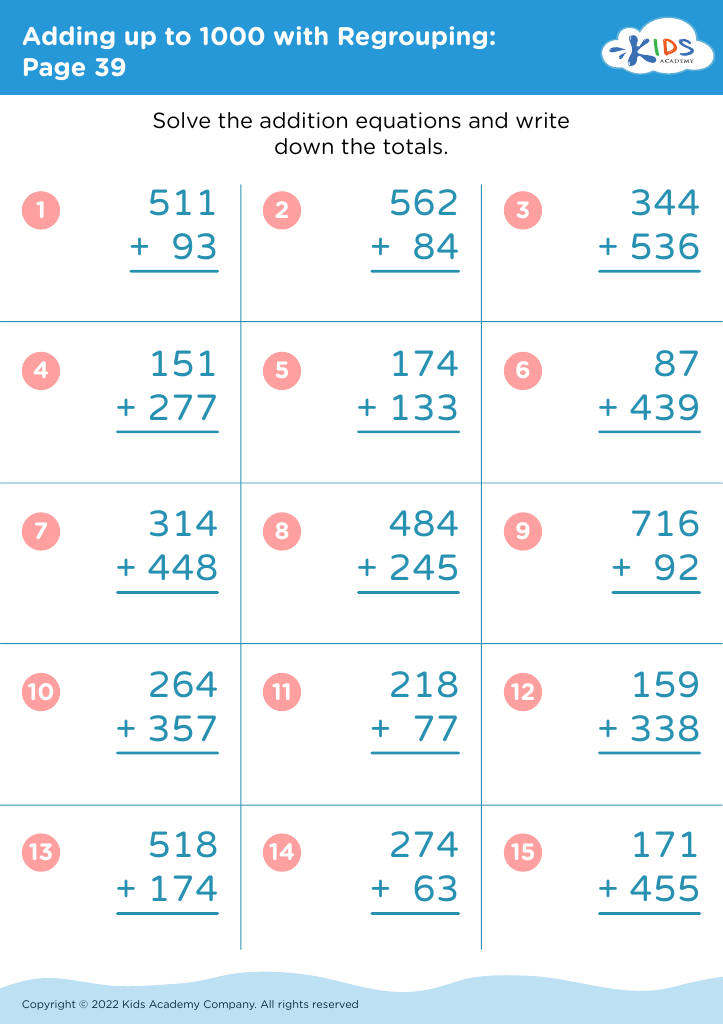
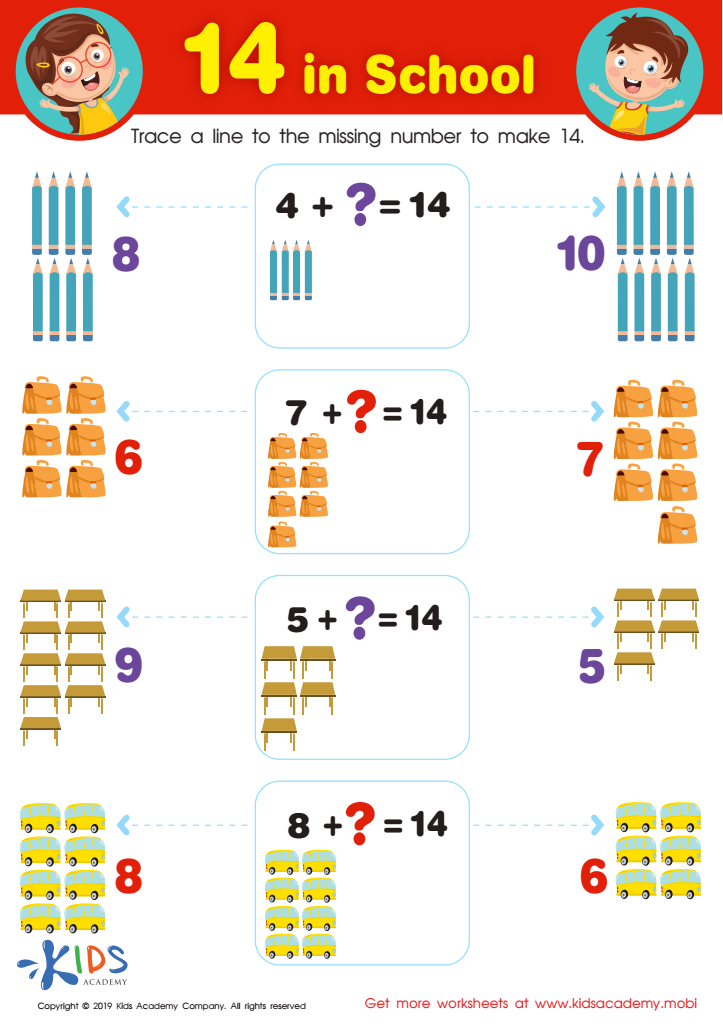
14 in School Worksheet
Remind your kids that adding different sets of numbers can give the same total (e.g. 2+3=5, 4+1=5). Ask them for more examples. Afterwards, work through the exercise. Help them count the objects and trace a line to the missing number that makes the total 14.
14 in School Worksheet
Worksheet
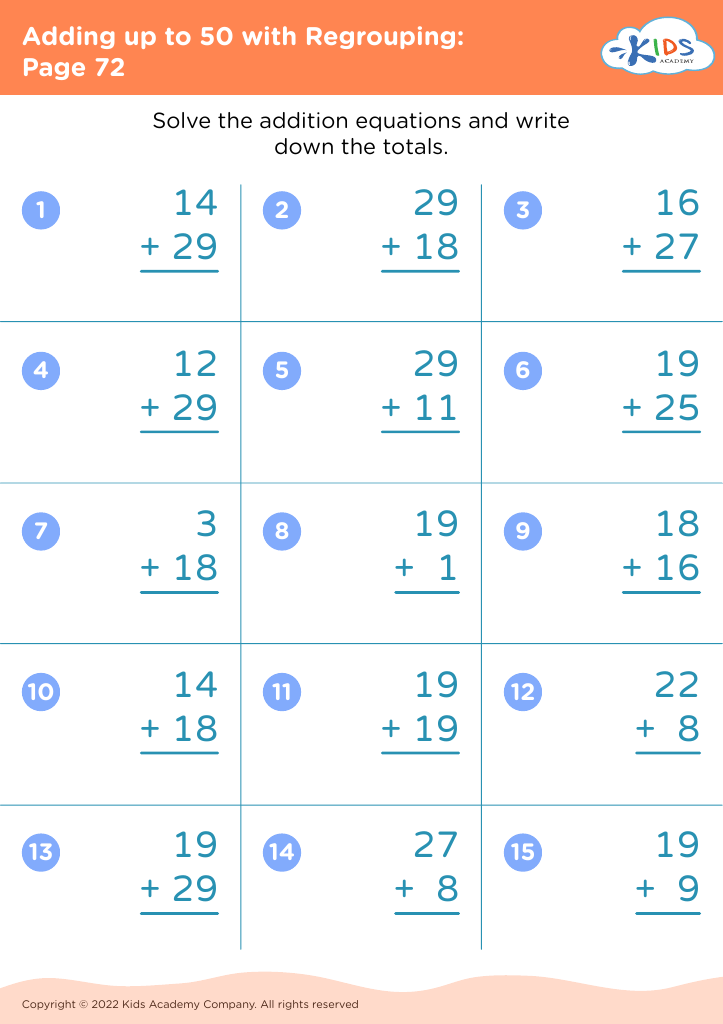
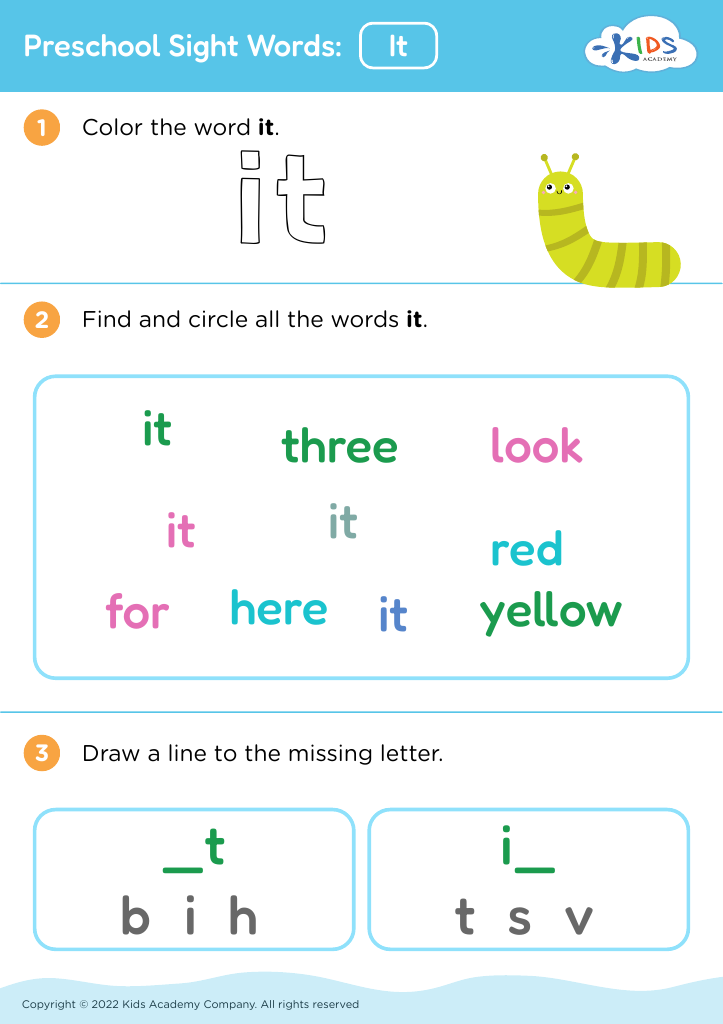
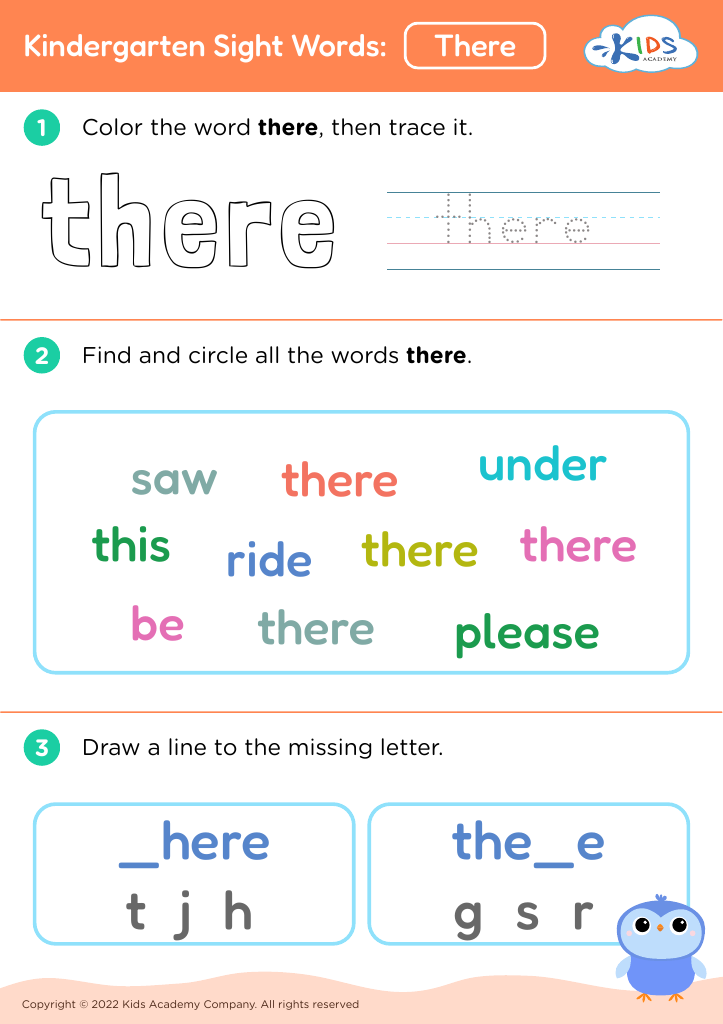
Join Kids Academy for Free
Who is primarily going to use this learning content?








Recognizing shapes is a fundamental skill that lays the groundwork for various cognitive, mathematical, and developmental abilities in children ages 5 to 9. Parents and teachers should care about this aspect of early education for several reasons.
Firstly, shapes are fundamental elements of visual literacy; understanding how to identify basic shapes enhances spatial awareness and observation skills, which are crucial for learning in subjects such as mathematics and science. For instance, children who can recognize geometric shapes are better equipped to understand more complex concepts later on, such as angles and symmetry.
Secondly, shape recognition promotes critical thinking and problem-solving skills. When children explore different shapes, they learn to classify and compare, encouraging their cognitive development. Moreover, engaging with shapes through hands-on activities fosters fine motor skills and coordination.
Lastly, recognizing shapes enhances creativity and artistic expression. As children learn to identify and manipulate shapes, they can incorporate these concepts into art, design, and storytelling.
Ultimately, emphasizing shape recognition cultivates a well-rounded educational foundation, equipping young learners with essential skills critical for their future academic success and creativity. Therefore, parents and teachers should prioritize this essential aspect of early childhood education.








