Recognizing Patterns Worksheets for Ages 5-9 - Page 2
35 filtered results
-
From - To
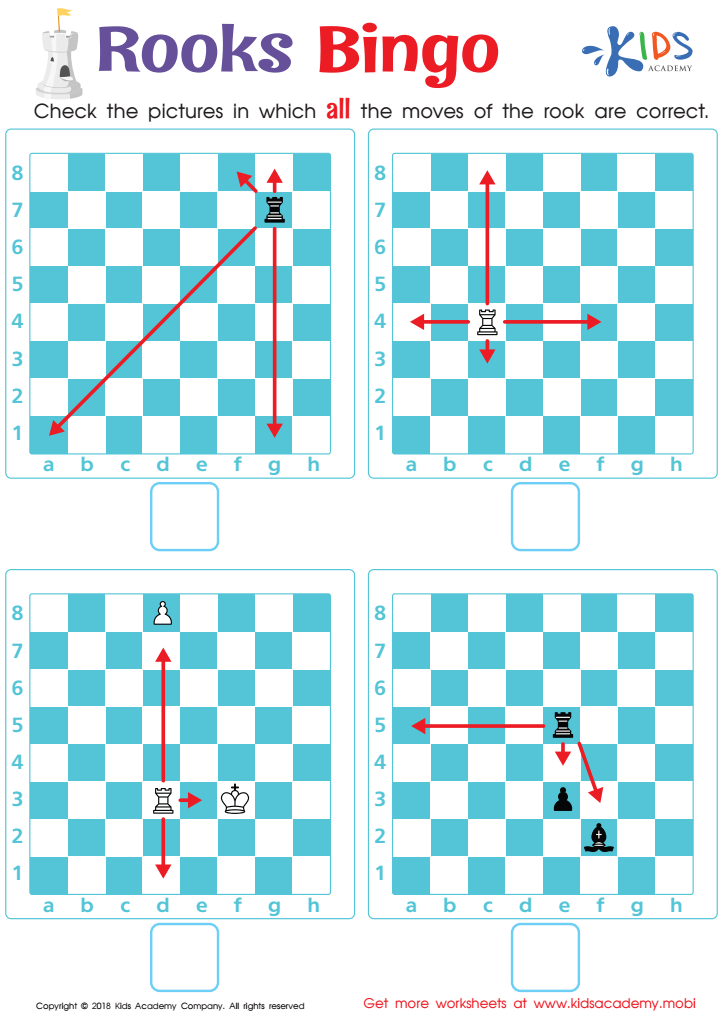
Rooks Bingo Worksheet
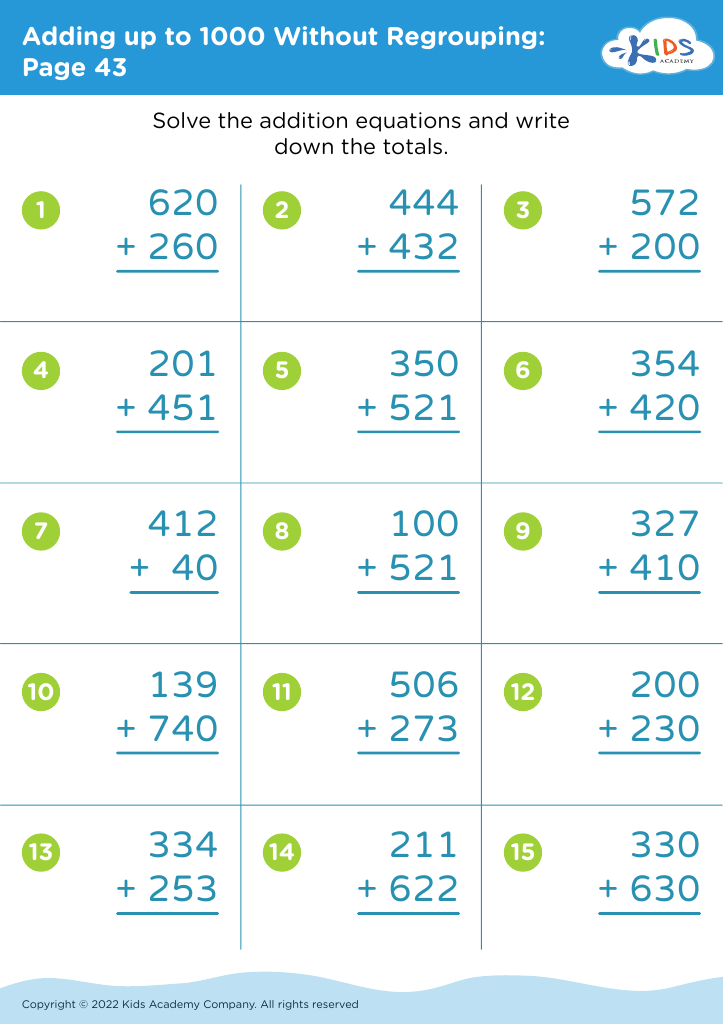
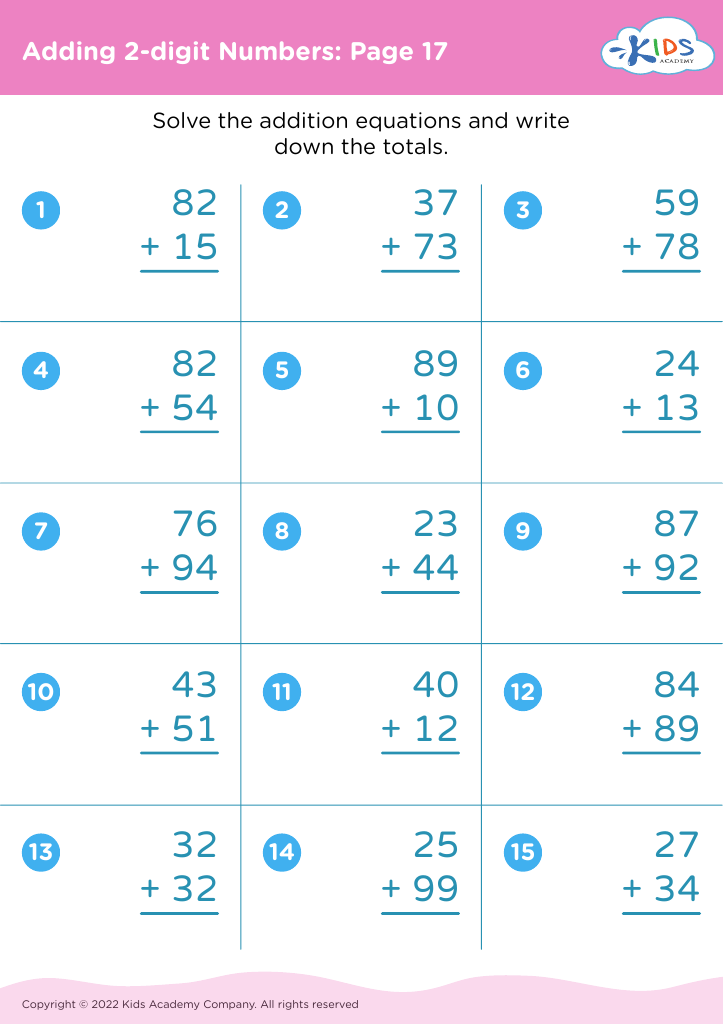
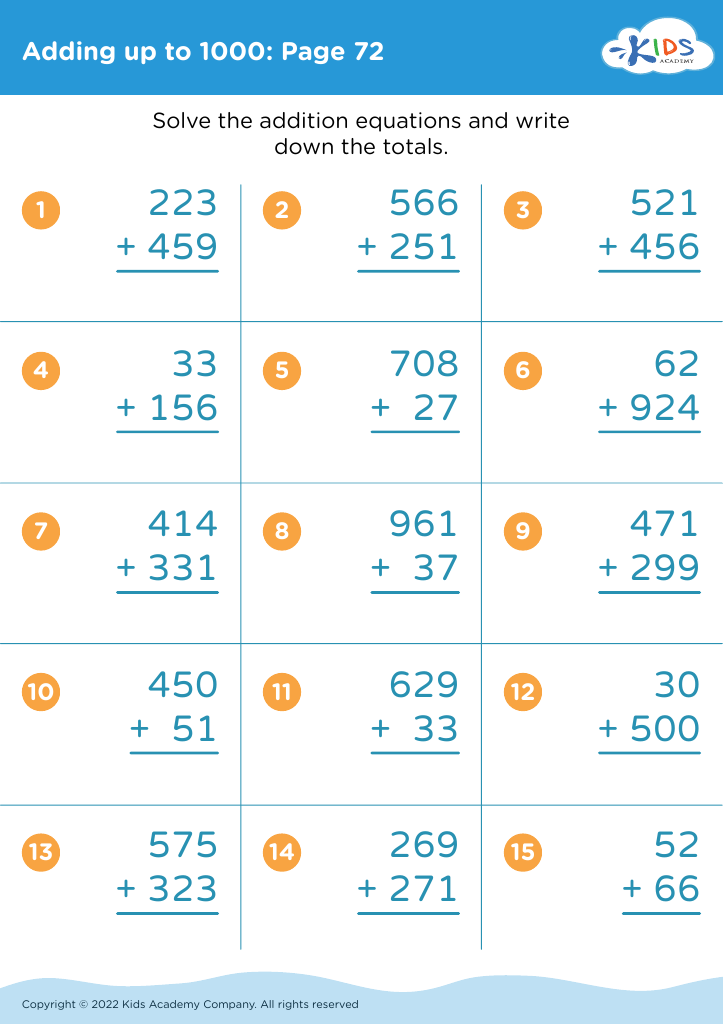








Recognizing patterns is a foundational skill that plays a crucial role in a child's cognitive development, particularly for those aged 5 to 9. Both parents and teachers should prioritize this skill because it transcends mere academic learning; it fosters critical thinking and problem-solving abilities.
When children engage in recognizing patterns, they develop an understanding of sequences and relationships, which is essential for grasping mathematical concepts like addition, subtraction, and even more complex operations later on. For example, identifying patterns in numbers helps pave the way for understanding multiplication and division.
Beyond mathematics, pattern recognition sharpens language skills and supports reading development. Children learn to anticipate and predict words and phrases, enhancing their comprehension and fluency.
Recognizing patterns also encourages creativity across various domains, from art to music. It instills a sense of curiosity, prompting children to explore and form connections in the world around them.
Moreover, fostering this skill cultivates perseverance and resilience. When they solve complex problems or decode patterns, children learn to approach challenges with confidence.
In summary, prioritizing the recognition of patterns equips children with essential life skills, ensuring they become capable, creative thinkers in an ever-evolving world.








