Spatial reasoning Worksheets for Ages 5-9
12 filtered results
-
From - To
Unlock your child's potential with Spatial Reasoning Worksheets for Ages 5-9 from Kids Academy. Designed to enhance critical thinking, problem-solving, and geometric skills, these engaging activities make learning fun. Perfect for young minds, the worksheets challenge kids to identify patterns, visualize shapes, and understand spatial relationships. From puzzles to hands-on exercises, each task fosters cognitive development, ensuring foundational growth in math and science. Offer your child a head start in their educational journey with our expertly crafted resources, perfect for both school and at-home practice. Explore our collection today and watch your child thrive!
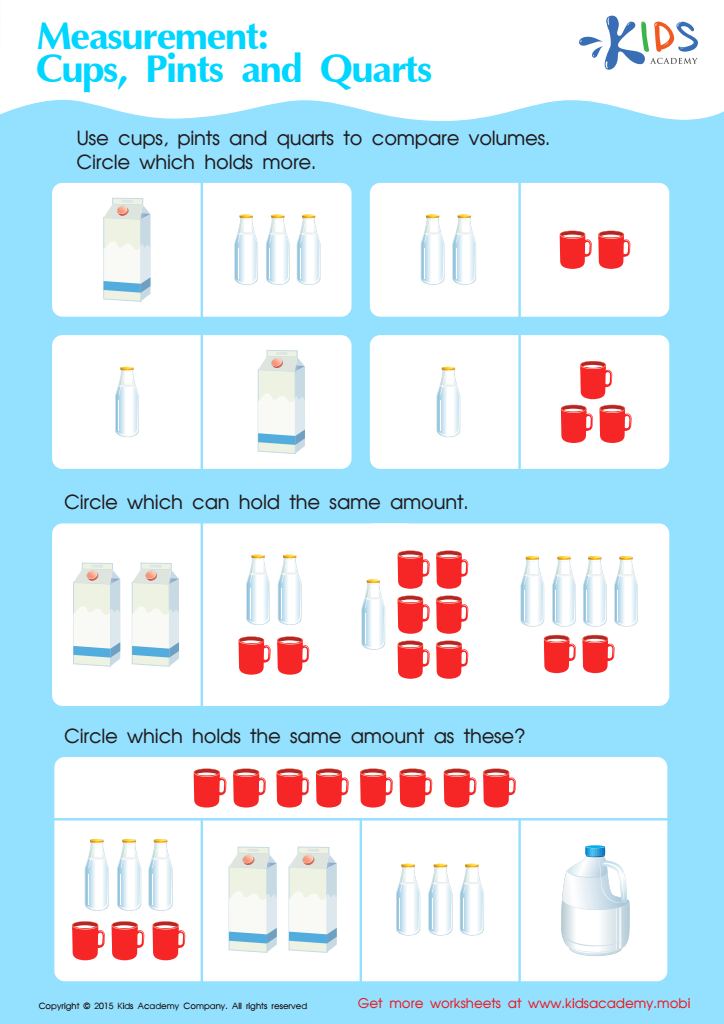
Measurement: Compare Volumes Worksheet
 Assign to My Students
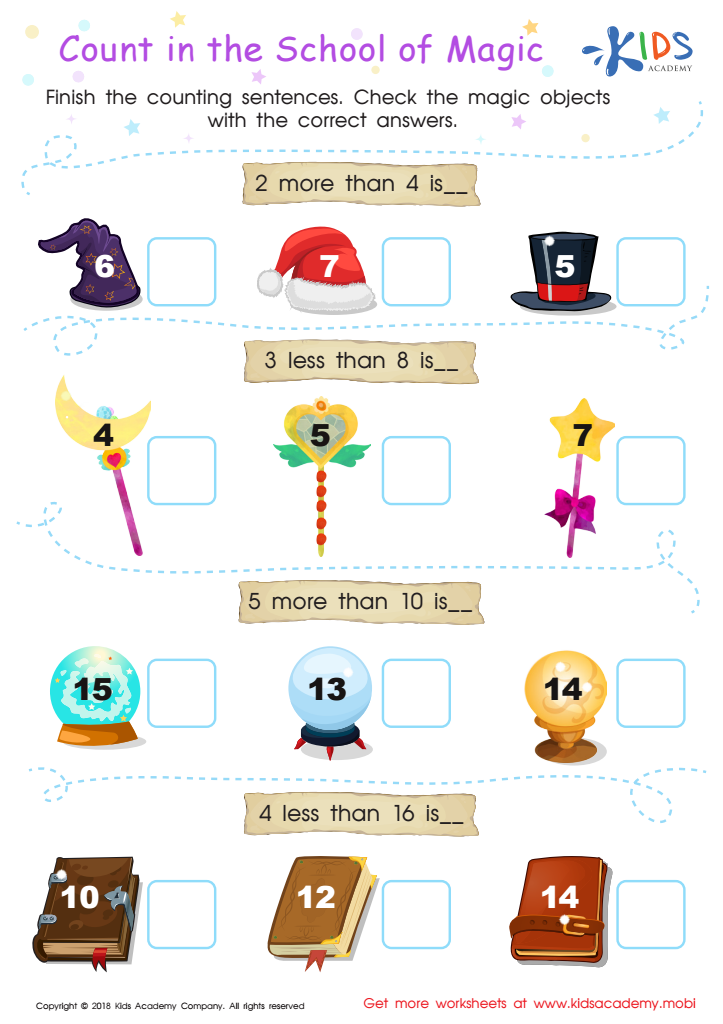
Count in the School of Magic Worksheet
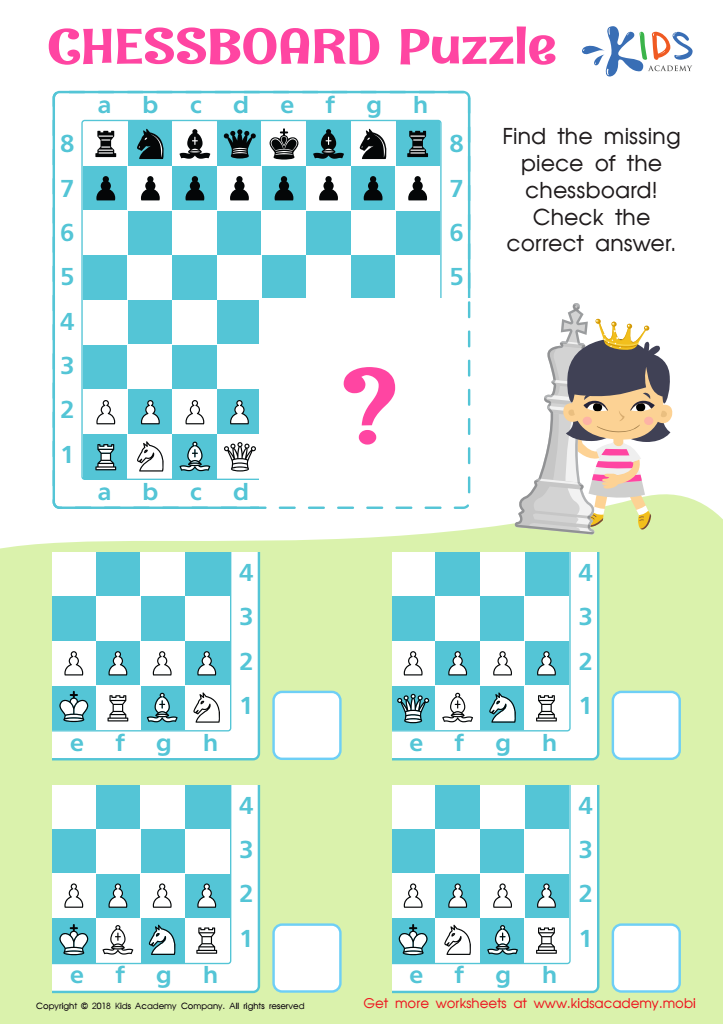
Chessboard Puzzle Worksheet
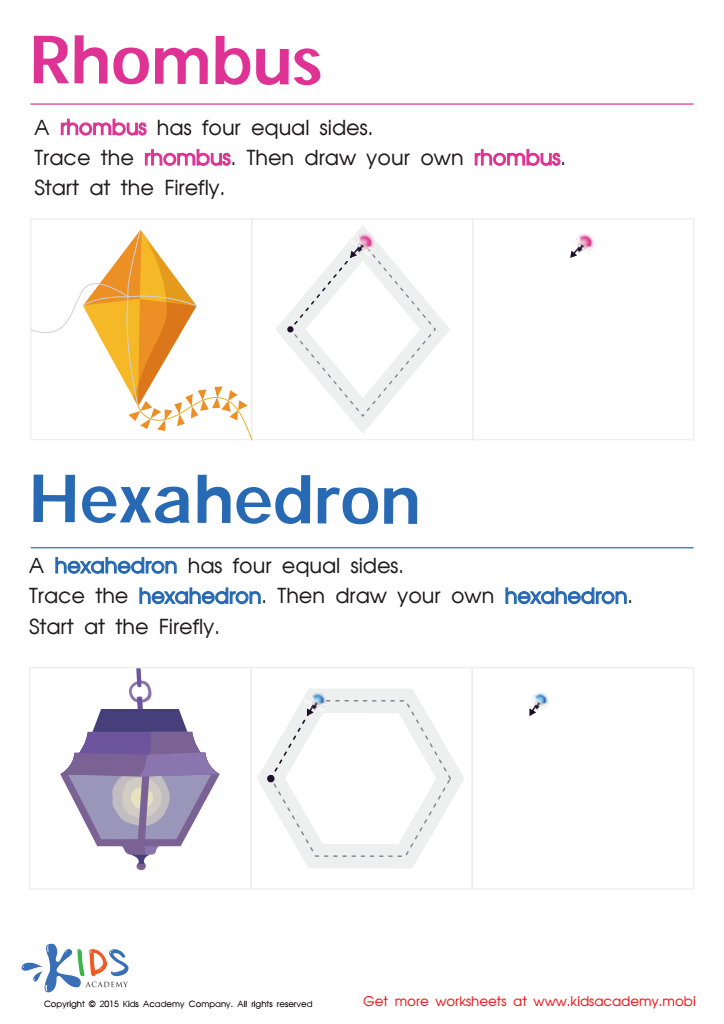
Draw a Rhombus And a Hexahedron Printable
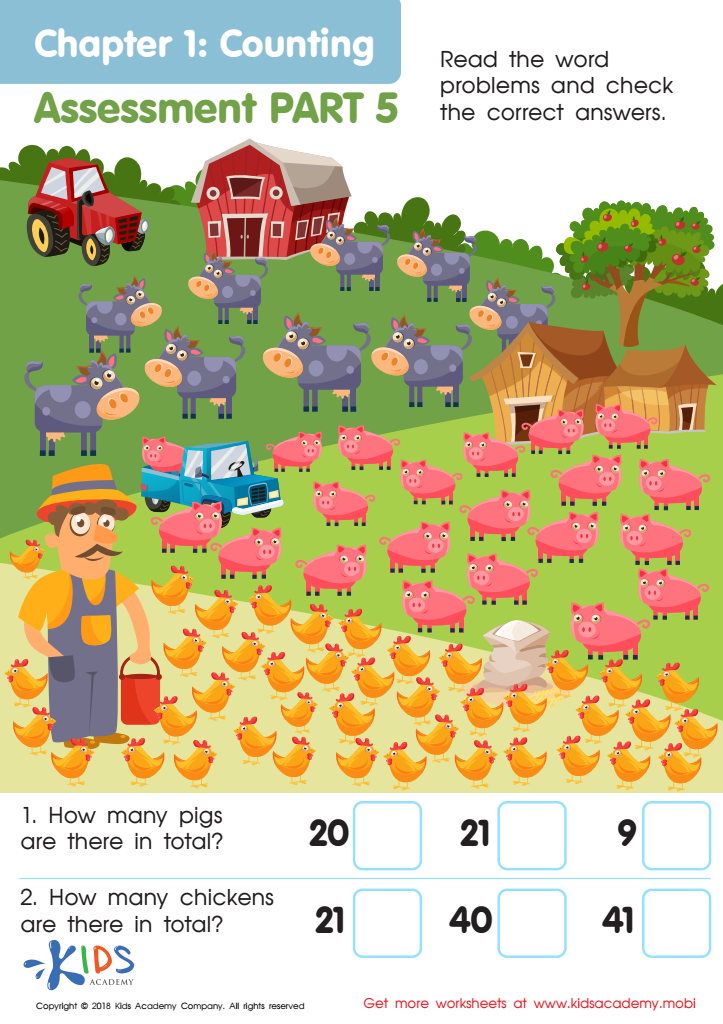
Counting: Assessment 5 Worksheet
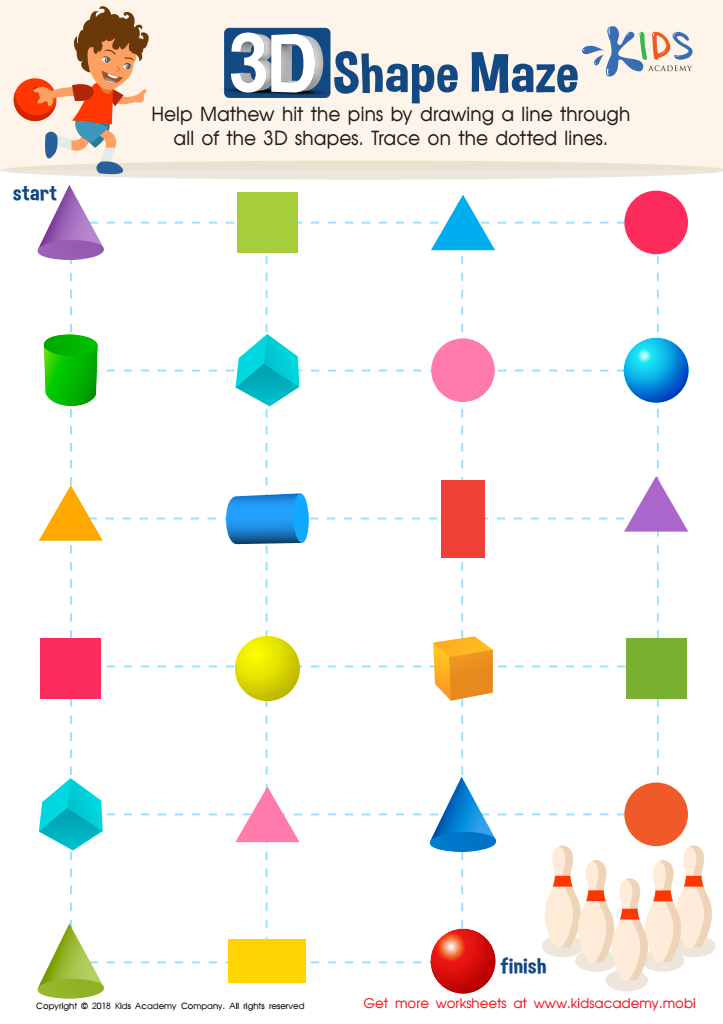
Shapes Maze Geometry Worksheet
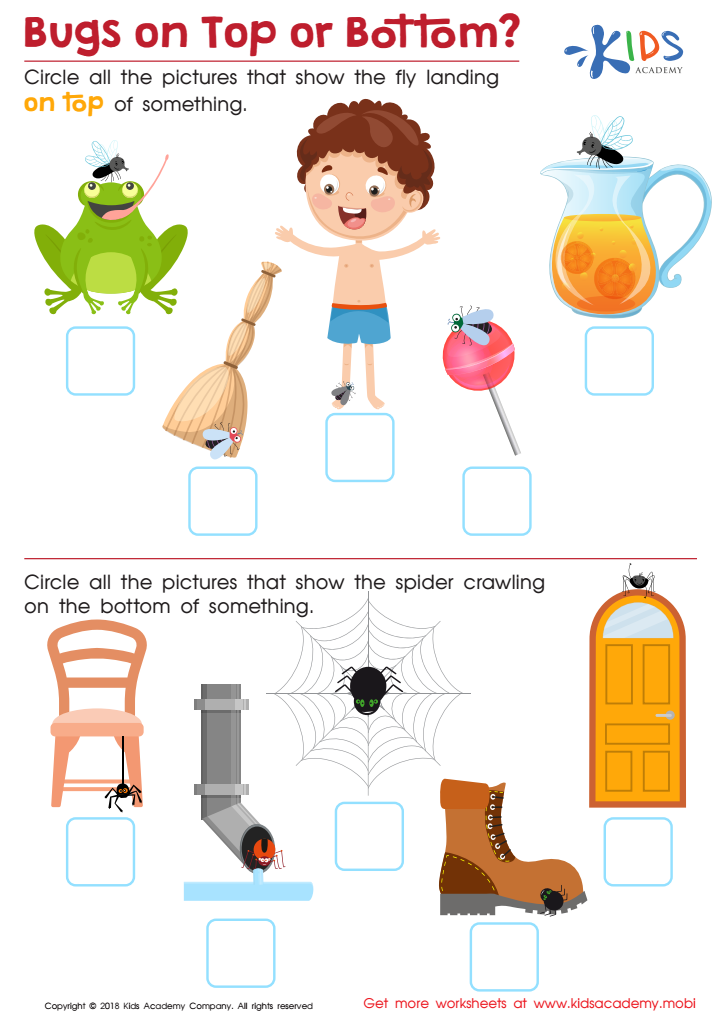
Bugs on Top or Bottom? Worksheet
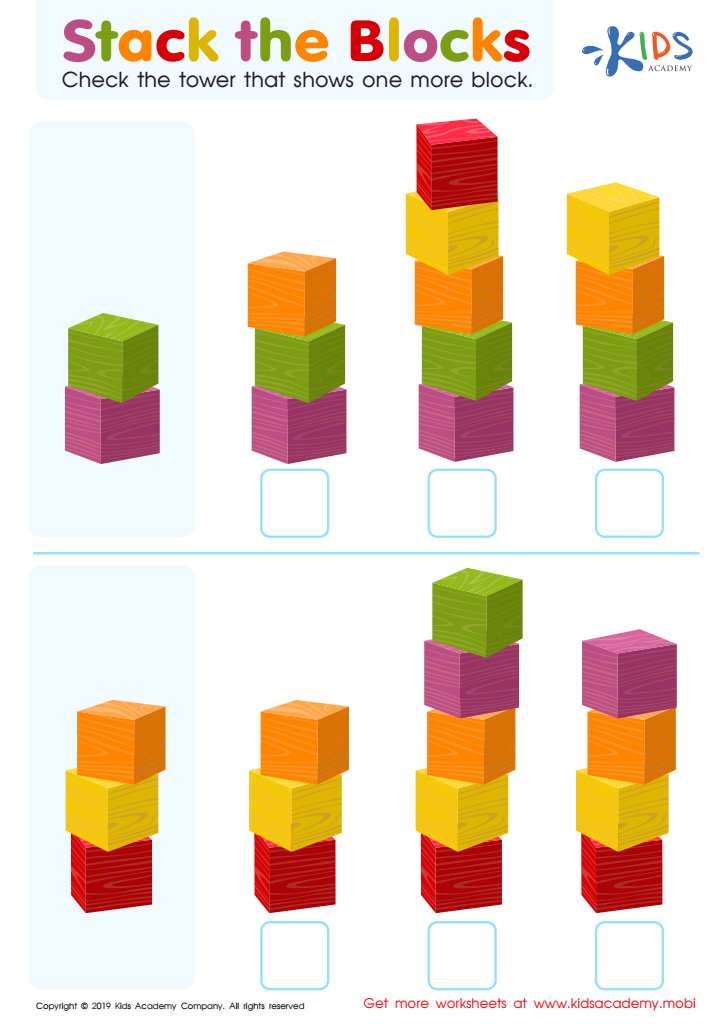
Stack the Blocks Worksheet
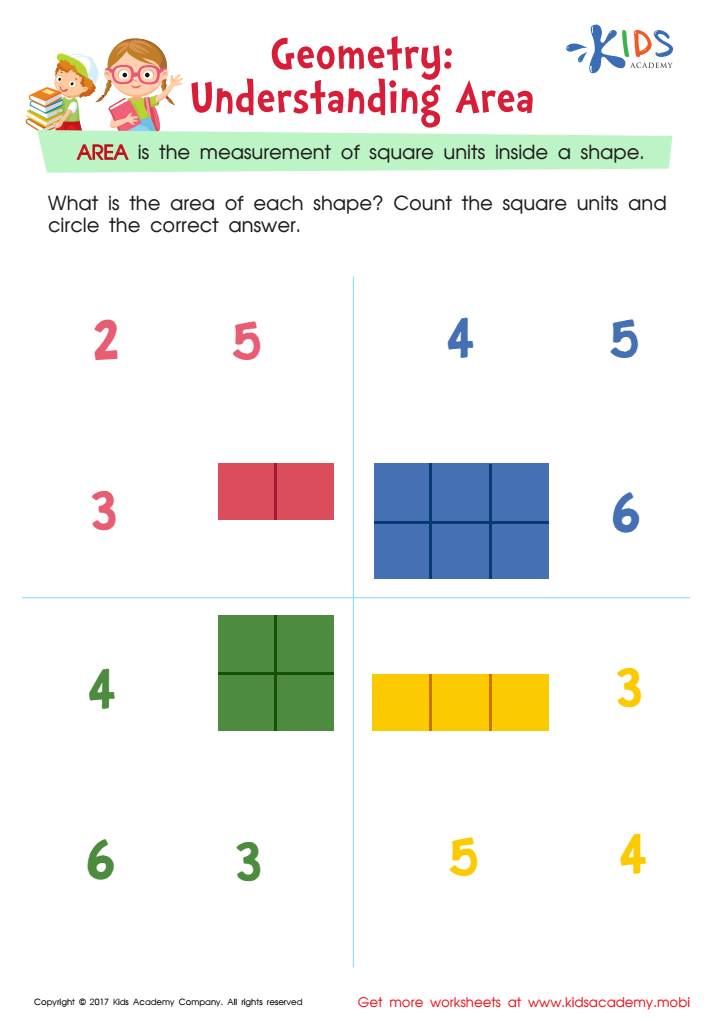
Understanding Area Worksheet
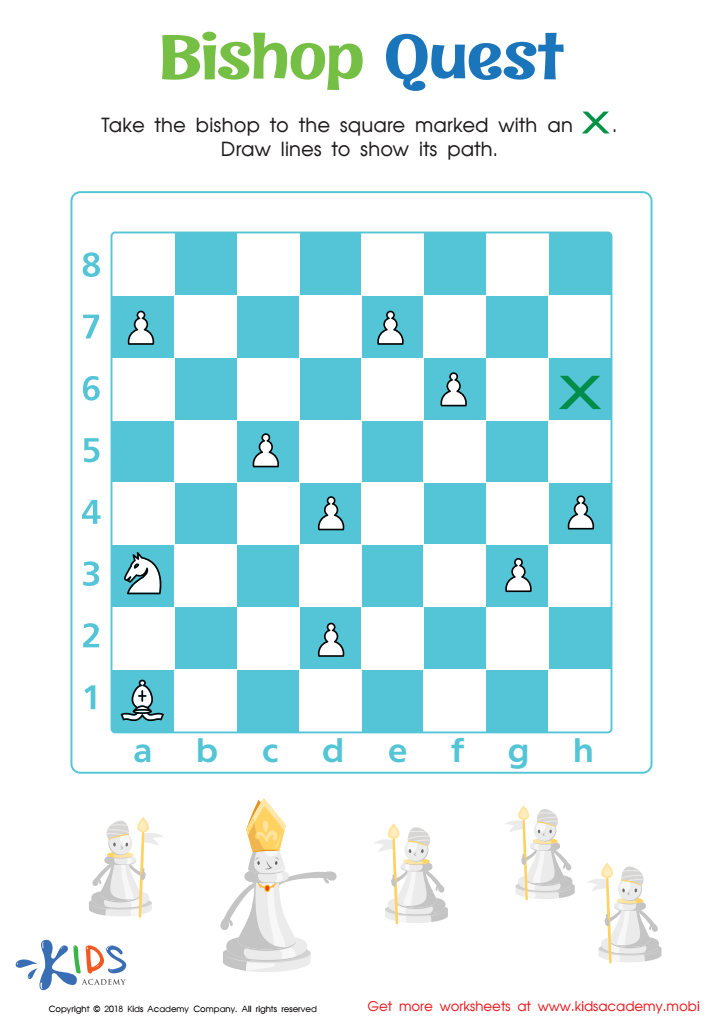
Bishop Quest Worksheet
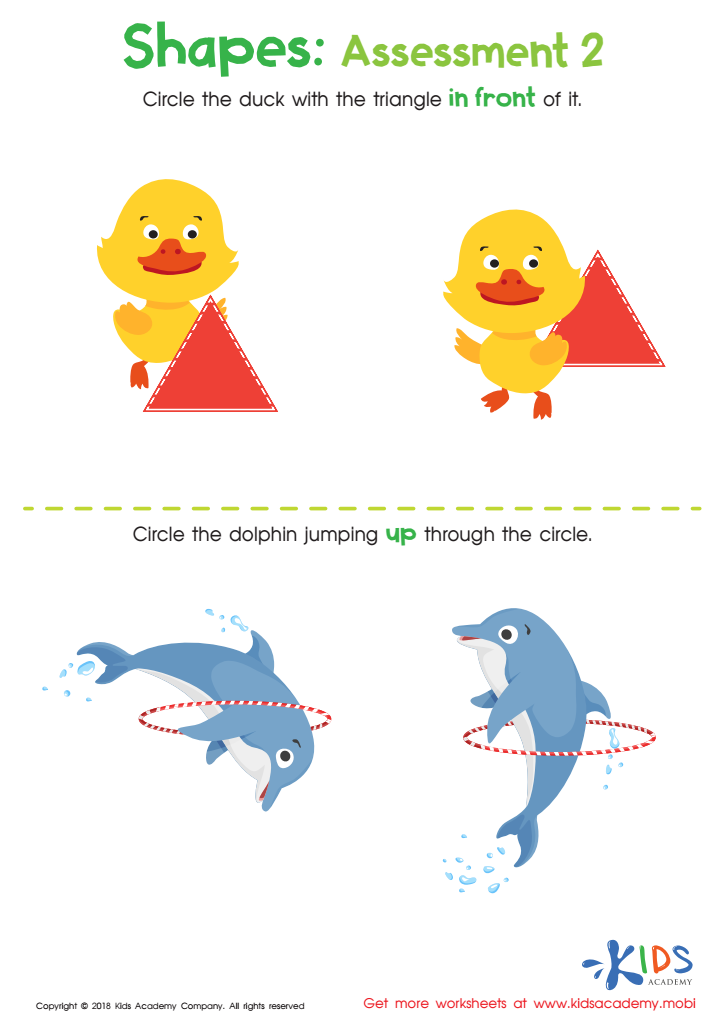
Geometry – Assessment 2 Worksheet
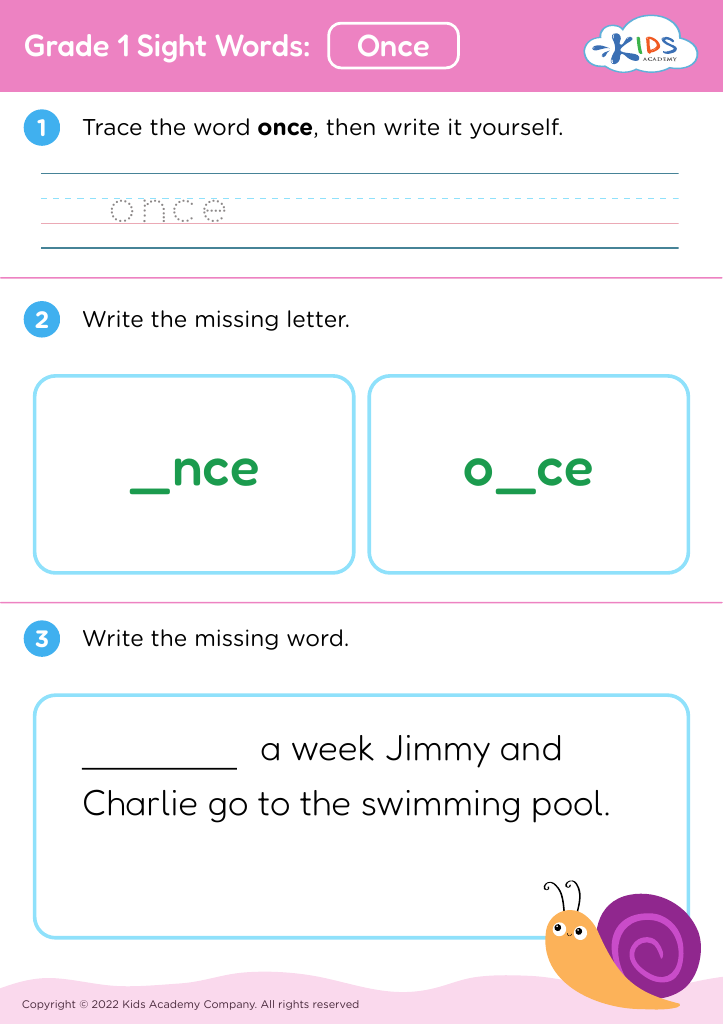





.jpg)


Spatial reasoning, the ability to visualize and manipulate objects in space, is crucial for cognitive development in children aged 5-9. Parents and teachers should care about fostering these skills for several reasons:
Firstly, spatial reasoning underpins key areas of mathematics, such as geometry, measurement, and problem-solving. Children who develop strong spatial abilities often find it easier to understand abstract mathematical concepts, contributing to greater success in STEM (Science, Technology, Engineering, Mathematics) fields later on.
Secondly, spatial reasoning supports daily tasks and practical life skills. Whether it’s navigating through their environment, assembling puzzles, or understanding how objects fit together, children use spatial skills constantly, and honing them can enhance their capability to perform these tasks efficiently.
Additionally, spatial reasoning enhances critical thinking and creativity. When children engage in activities like building with blocks, drawing, or playing certain games, they learn to visualize possibilities, identify patterns, and develop innovative solutions. These are important skills that contribute to a higher level of cognitive function and problem-solving ability.
Lastly, early encouragement in spatial reasoning boosts confidence. As children notice improvements in tasks that are spatially demanding, their self-esteem grows, promoting a positive outlook towards learning in general.
Incorporating activities like puzzles, block play, drawing, and using directional language in daily routines can effectively nurture spatial skills, providing children with a solid foundation for future academic and skill-based achievements.








