Tracing practice Worksheets for Ages 5-9
3 filtered results
-
From - To
Discover our engaging Tracing Practice Worksheets designed for children ages 5-9! These worksheets provide a fun and effective way for young learners to enhance their handwriting skills and refine their fine motor abilities. With vibrant illustrations and varied tracing activities, children can practice tracing letters, numbers, shapes, and even fun images. Our resources promote confidence and proficiency in writing while making learning enjoyable. Perfect for use in classrooms, at home, or during tutoring sessions, these tracing worksheets are ideal for developing early literacy skills. Download and print our worksheets today to nurture your child's love for learning and writing!
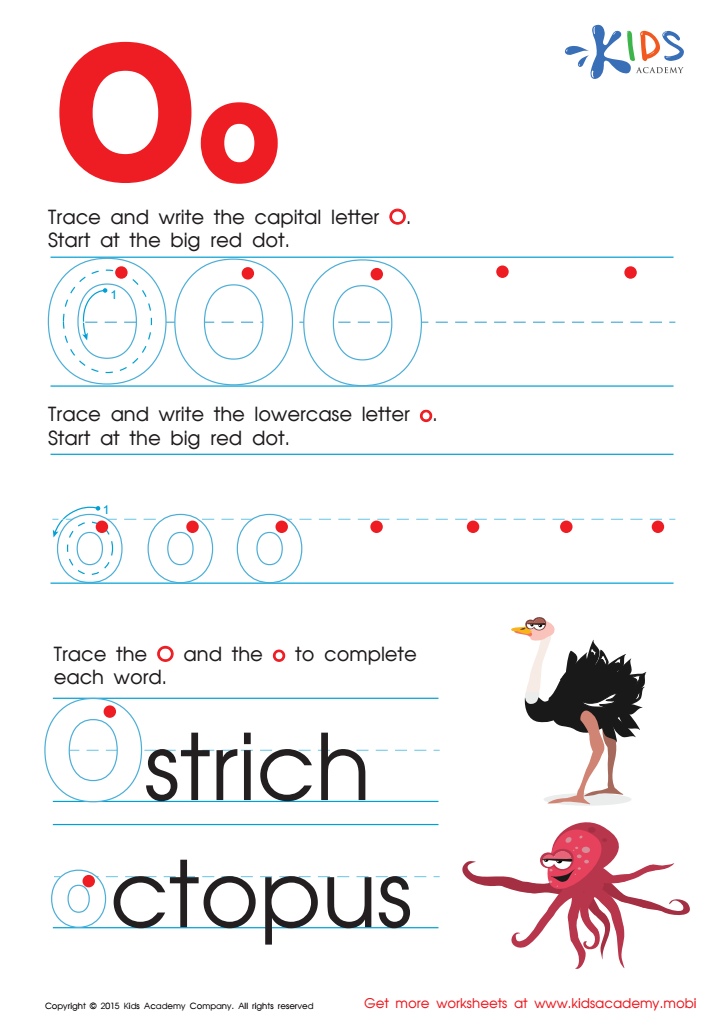
Letter O Tracing Page
 Assign to My Students
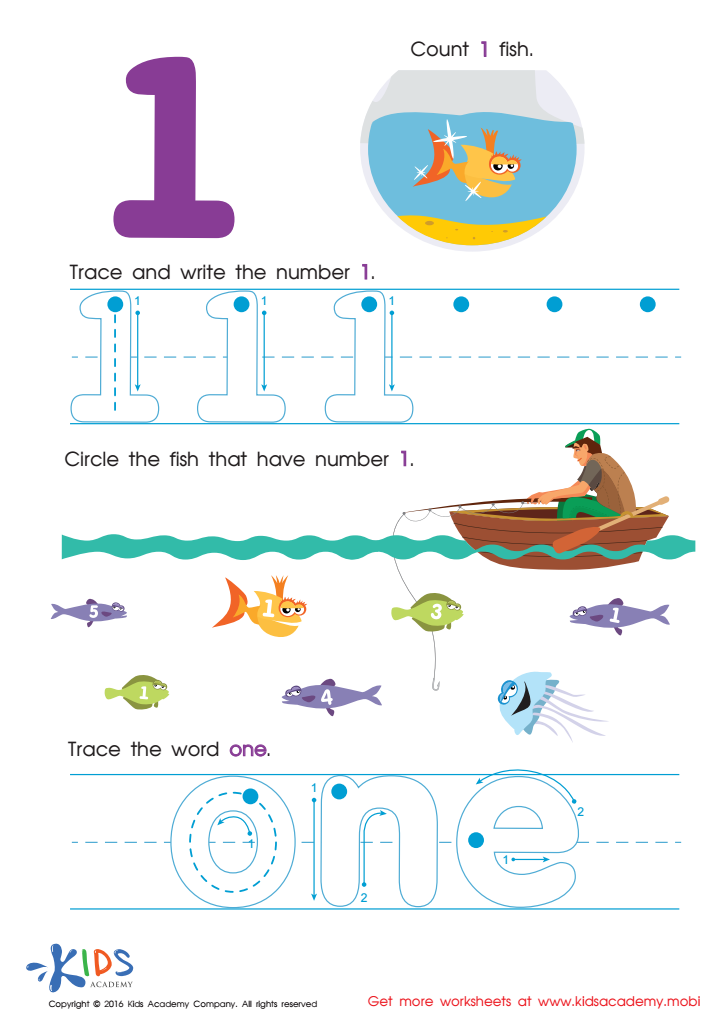
Learning to Write 1 Worksheet
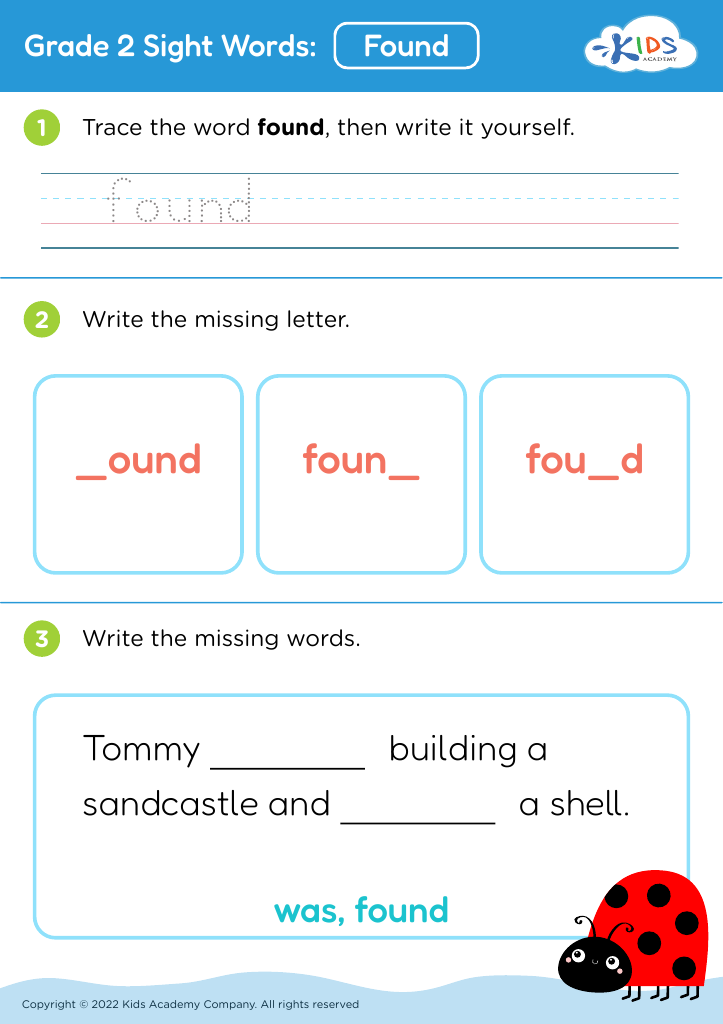








Tracing practice is vital for children aged 5-9 as it lays the foundation for essential motor skills and academic achievements. During these years, children are developing the fine motor skills crucial for writing, drawing, and other artistic activities. Tracing helps them practice hand-eye coordination, which enhances their overall physical coordination and dexterity. As they trace letters, numbers, and shapes, they become familiar with the forms and structure, leading to improved handwriting and cognitive association with these symbols.
Moreover, tracing can boost confidence and motivation. When children successfully trace and see tangible results, it fosters a sense of accomplishment. This enthusiasm can encourage them to engage in further learning and exploration. Tracing can also serve as a creative outlet, allowing youths to express themselves through art while grounding their learning in structured practice.
For teachers and parents, incorporating tracing activities supports developmental milestones while creating a fun learning environment. It is a simple yet effective tool that can be blended into diverse subjects such as literacy, mathematics, and fine arts, promoting a holistic approach to education. By prioritizing tracing practice, adults can empower children to thrive academically and creatively.








