Understanding arrays Worksheets for Ages 5-9
3 filtered results
-
From - To
Unlock your child's potential with our "Understanding Arrays Worksheets" specially designed for ages 5-9. These engaging, colorful worksheets by Kids Academy make learning arrays fun and interactive, helping kids grasp essential math concepts through visual aids and hands-on activities. Catered to young learners, our resources build a strong foundation in multiplication and division by illustrating how objects can be grouped and organized. With step-by-step exercises and creative challenges, understanding arrays has never been easier. Discover how our expertly crafted worksheets can enhance your child's math skills and confidence in a supportive, enjoyable learning environment today!
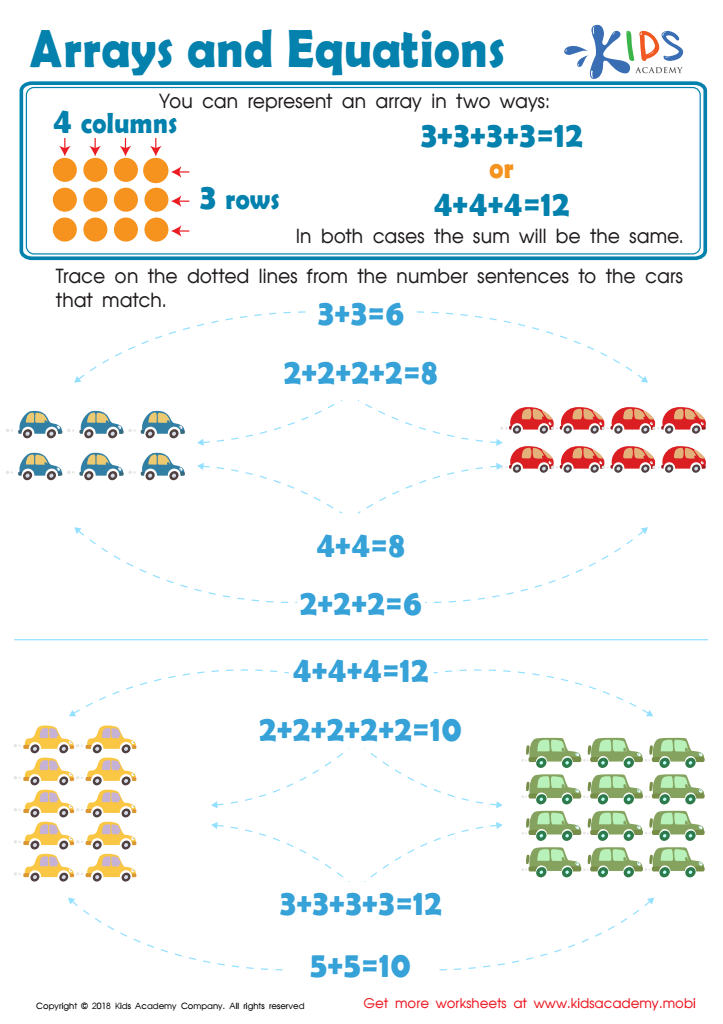
Arrays and Equations Worksheet
 Assign to My Students
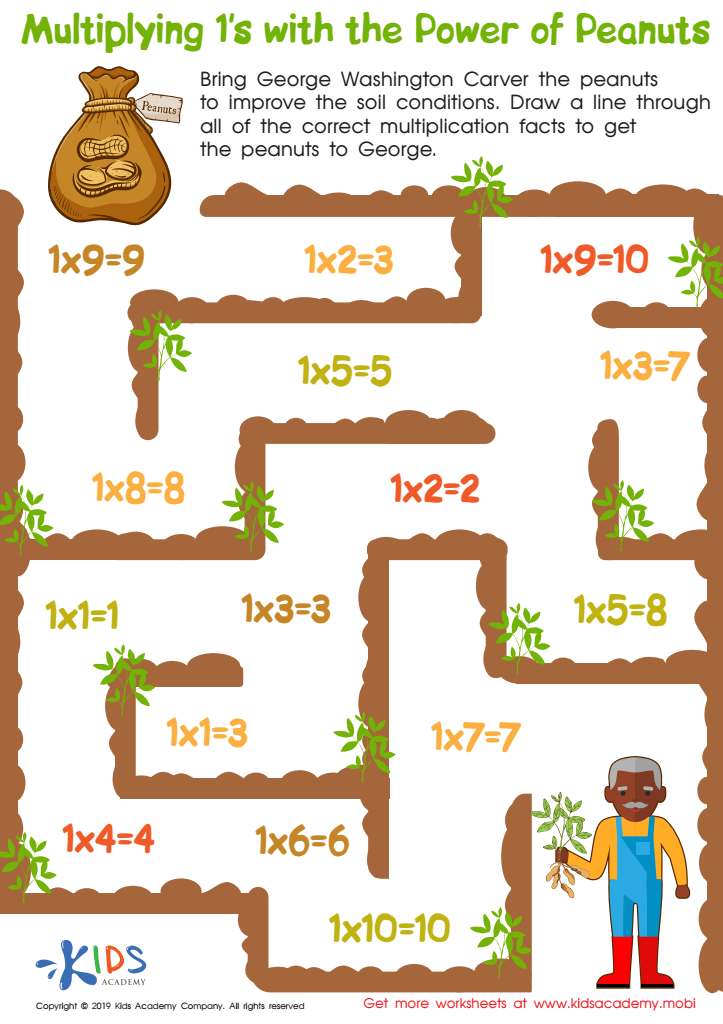
Multiplying 1’s With the Power of Peanuts Worksheet
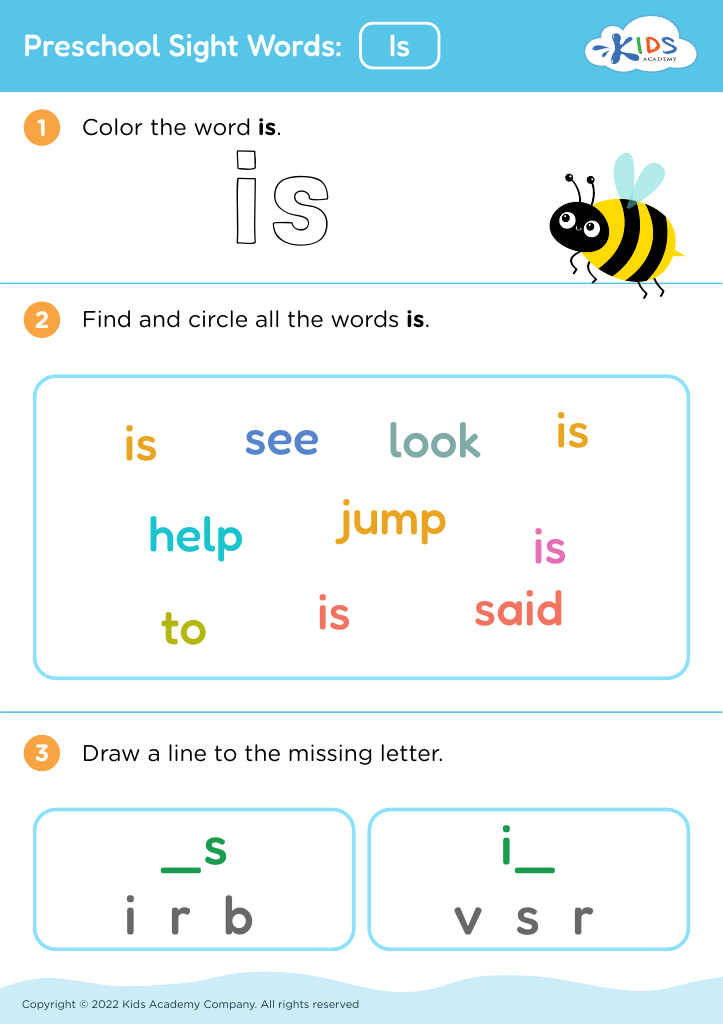




.jpg)



Understanding arrays is crucial for young learners, aged 5-9, as it lays a solid mathematical foundation for advanced concepts they will encounter later in school. Arrays, which are arrangements of objects or numbers in rows and columns, help children visualize and comprehend mathematical operations such as addition and multiplication. By interacting with arrays, kids can see how numbers work together in groups, promoting the development of important skills like pattern recognition and spatial reasoning.
For parents and teachers, emphasizing arrays can make abstract math topics more tangible and relatable. For instance, an array of apples displayed in equal rows simplifies the introduction of multiplication, making it less intimidating and more intuitive. This helps children grasp the idea that multiplication is essentially repeated addition, a critical realization that boosts their confidence and interest in math.
Moreover, arrays can improve problem-solving skills and logical thinking. Engaging young learners with hands-on activities, such as arranging objects into arrays, supports their ability to approach mathematical challenges methodically. This not only enhances their math proficiency but also fosters a positive attitude toward learning.
In summary, understanding arrays equips children with versatile tools that make math accessible and enjoyable, setting them on a path to academic success while developing a lifelong appreciation for the subject.








