Understanding equality Worksheets for Ages 5-9
7 filtered results
-
From - To
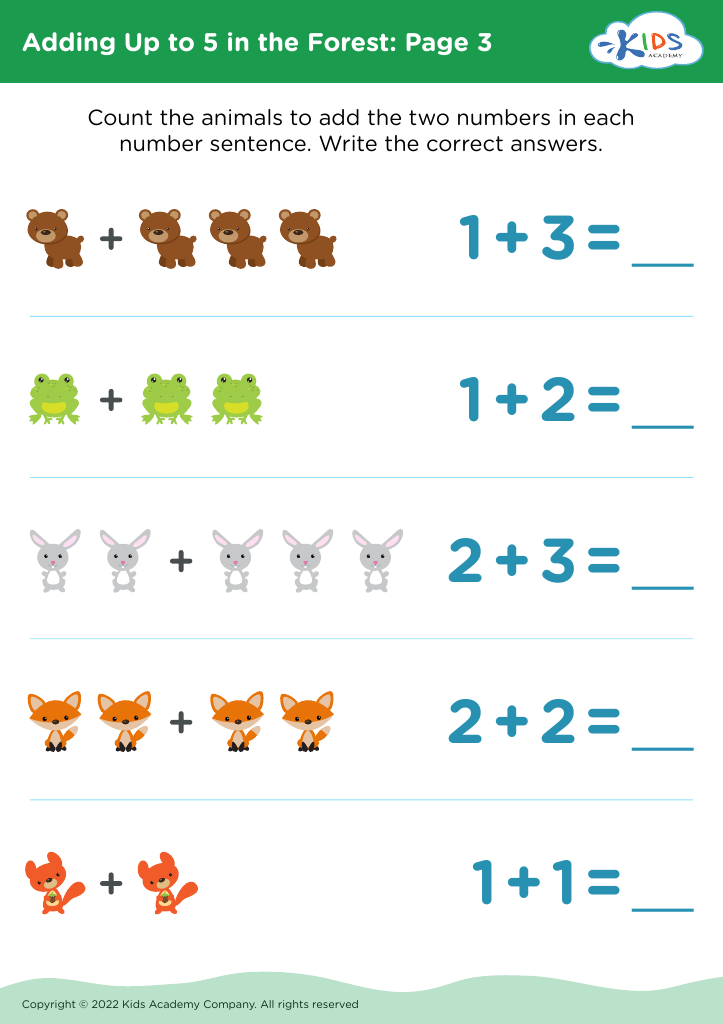
Discover our engaging "Understanding Equality Worksheets" designed for children ages 5 to 9. These carefully crafted activities help young learners grasp the concept of equality through fun and interactive experiences. By using colorful illustrations and relatable examples, these worksheets promote essential mathematical skills such as recognizing equal groups and understanding the balance between numbers. Ideal for parents and teachers alike, these resources encourage hands-on learning and foster critical thinking abilities. Whether for classroom use, at-home practice, or as part of a homeschooling curriculum, our worksheets provide a solid foundation in equality that supports early math development. Empower your child’s learning journey today!
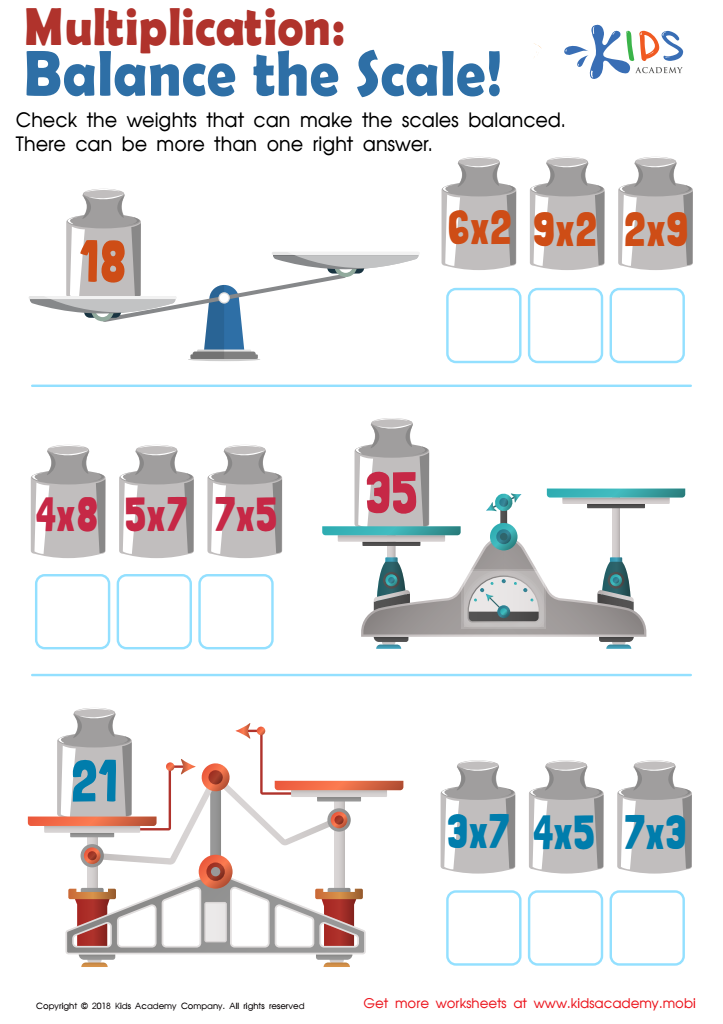
Balance the Scales Multiplication Worksheet
 Assign to My Students
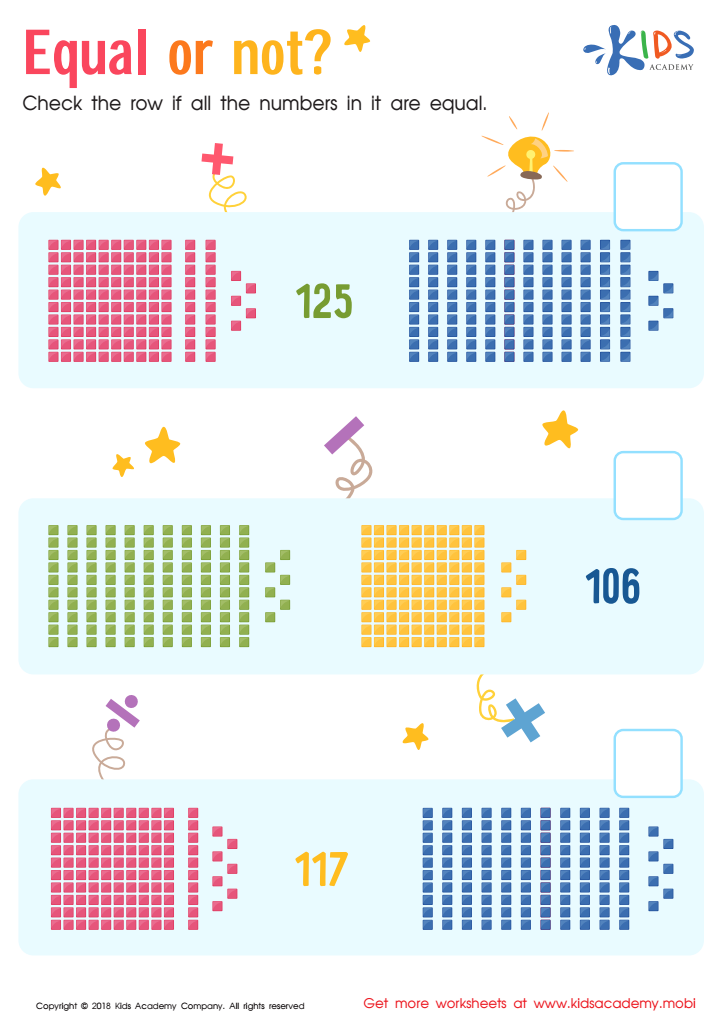
Equal or not Worksheet
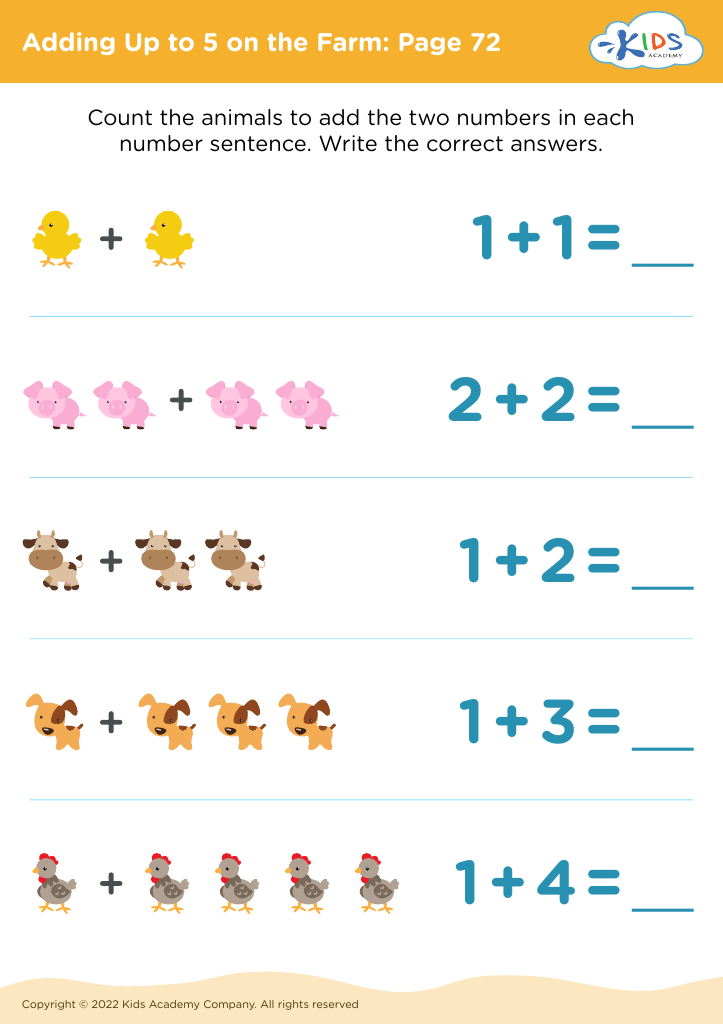
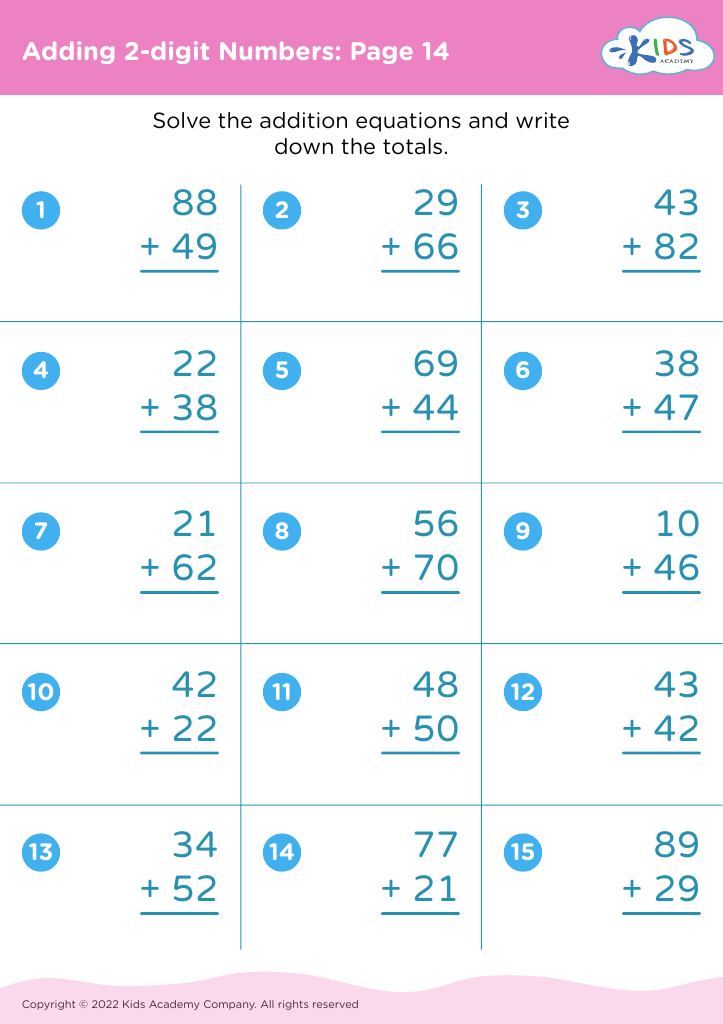
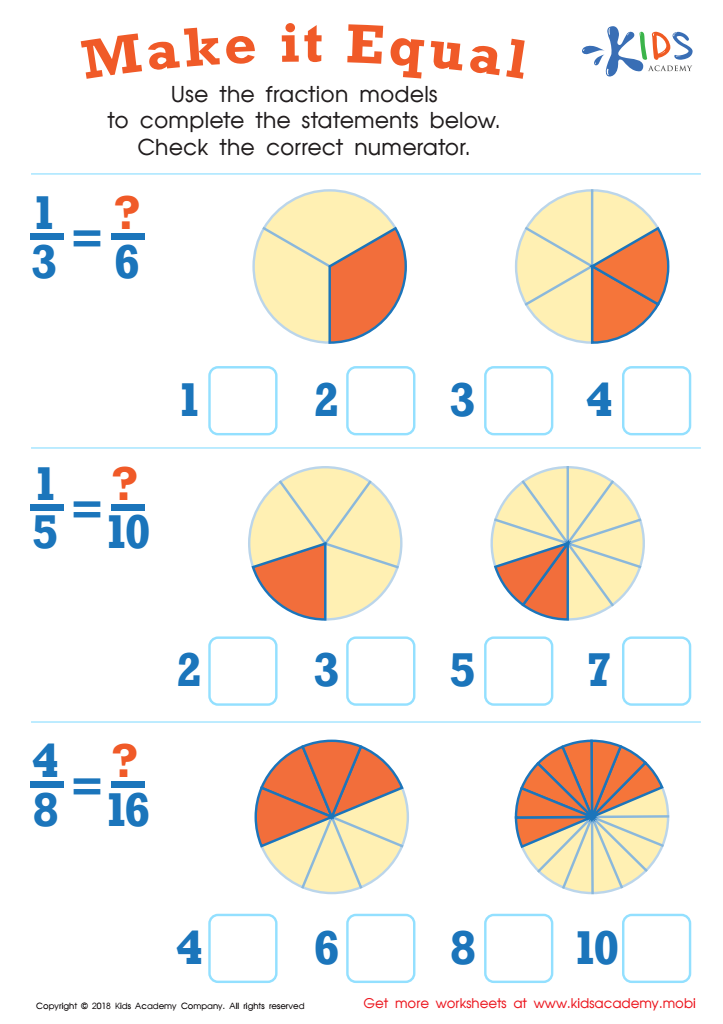
Make It Equal Worksheet
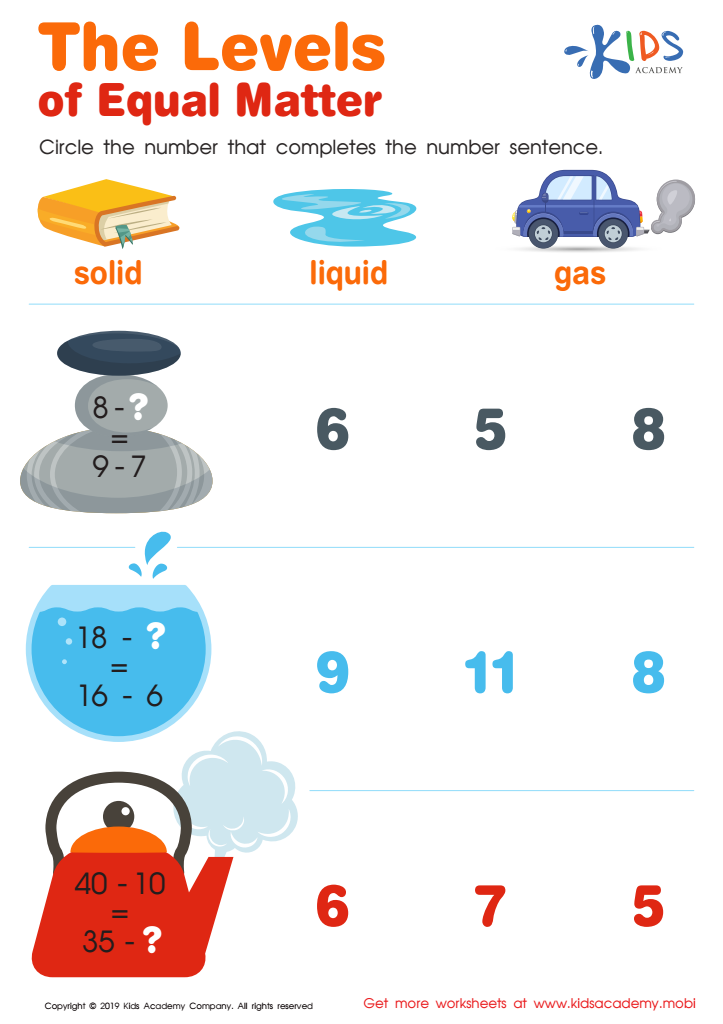
The Levels of Equal Matter Worksheet







Understanding equality is essential for children aged 5-9, as it lays the foundation for their social and emotional development. At this age, children are beginning to form their identities and understand their place in the world. By teaching them about equality, parents and teachers can help cultivate empathy, compassion, and respect for others.
When children comprehend the concept of equality, they are more likely to recognize and challenge unfairness and discrimination, whether in their own lives or in the broader community. This understanding promotes inclusivity, encouraging them to engage positively with peers of diverse backgrounds, abilities, and experiences.
Additionally, discussions about equality equips children with critical thinking skills. They learn to ask questions, articulate their feelings, and seek solutions to conflicts. This fosters a culture of dialogue and problem-solving, which is vital in today’s diverse society.
Moreover, instilling values of equity at a young age nurtures responsible citizenship. Children grow to become adults who aim for justice and fair treatment for all, significantly impacting society as a whole.
An early commitment to fostering equality not only benefits individual children but also creates a more accepting, harmonious world for everyone.








