
Understanding habitats Worksheets for Ages 5-9
11 filtered results
Difficulty Level
Grade
Age
-
From - To
Subject
Activity
Standards
Discover our "Understanding Habitats Worksheets for Ages 5-9," designed to engage young learners in exploring the diverse ecosystems around them. These creative and educational worksheets help children grasp essential concepts related to different habitats, such as forests, deserts, oceans, and wetlands. Through fun activities, children will observe animals, their environments, and learn about the interconnections within ecosystems. Ideal for classroom settings or home learning, these worksheets encourage curiosity and enhance critical thinking skills. Our resources align with early childhood education standards, making them perfect for nurturing a love for nature in young minds. Start your exploration of habitats today!
Favorites
With answer key
Interactive
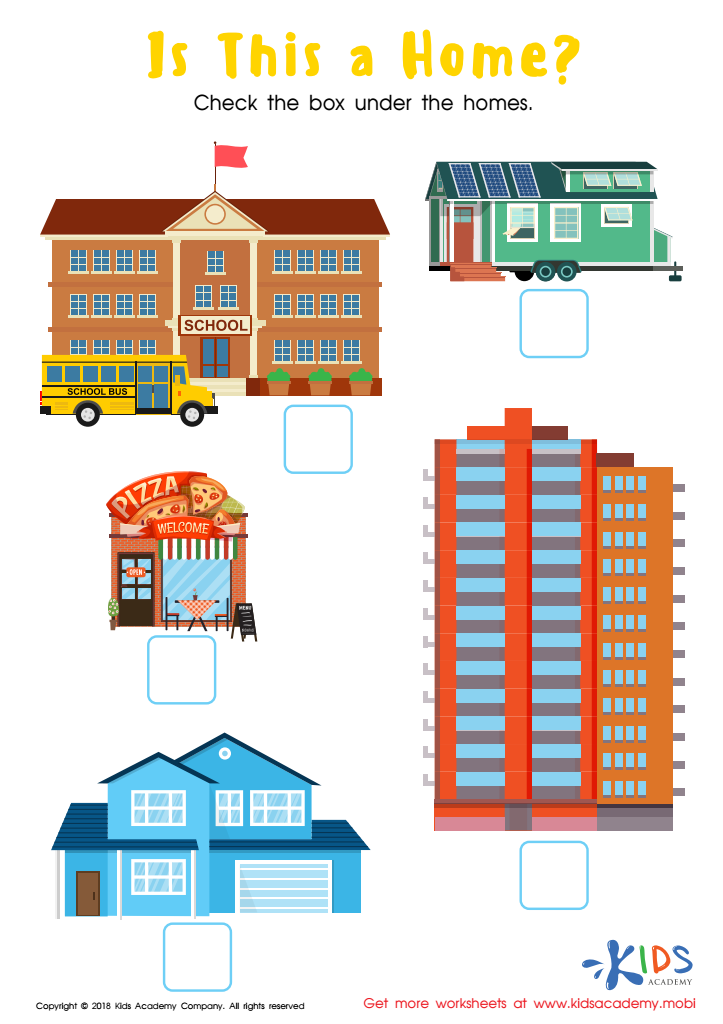
Is this a Home? Worksheet
Ask your child what the building you live in is called. Is it a home, restaurant or hospital? Then look at the pictures in the worksheet and ask them to identify which are homes - even if they don't look like yours. Check the box next to the homes in the pictures.
 Assign to My Students
Is this a Home? Worksheet
Worksheet
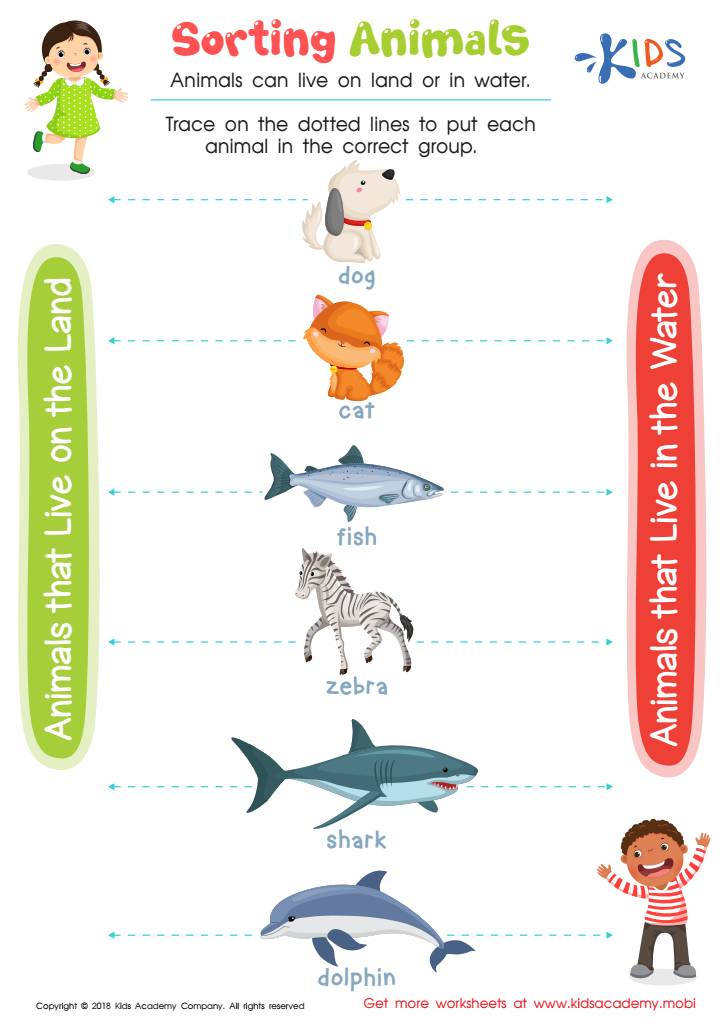
Sorting Animals Worksheet
Your kids will love this free, interactive worksheet! With image clues, they can read and trace the animal names, and then sort them into groups of land or water animals. It's an enjoyable way to boost their critical thinking, fine motor and prior knowledge skills.
Sorting Animals Worksheet
Worksheet
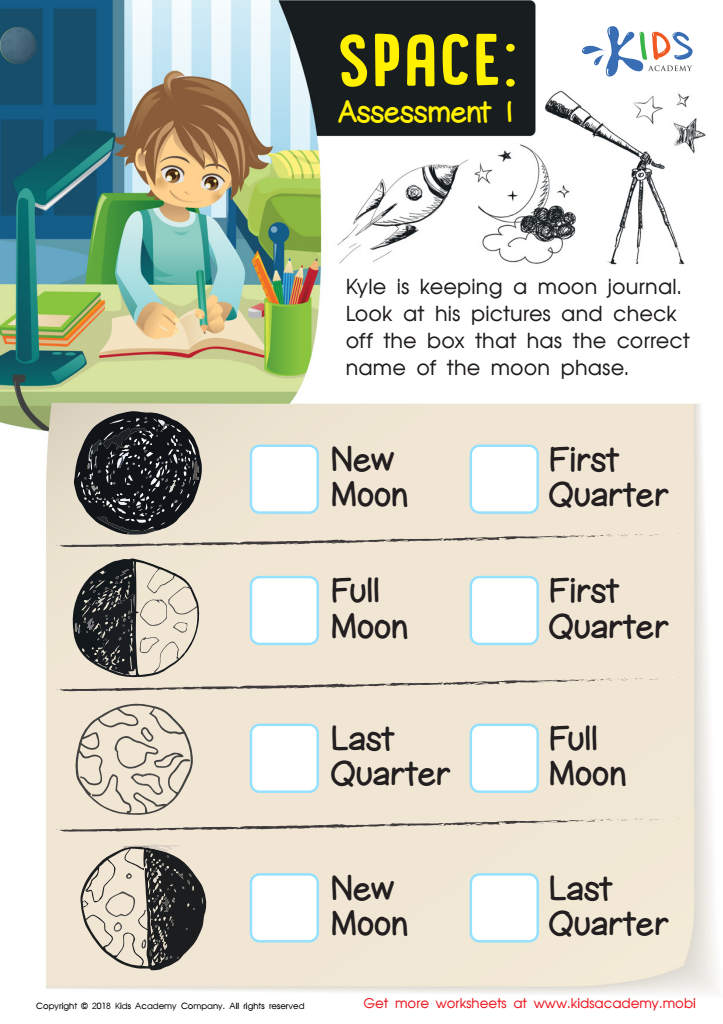
Space: Assessment 1 Worksheet
Introduce Kyle and his moon journal to your kids! Ask if they know what it is, or if they keep one too. Together, look at Kyle's pics and help them identify the phases of the moon. Have them check off the correct name of each. It's a great way to get kids interested in space!
Space: Assessment 1 Worksheet
Worksheet
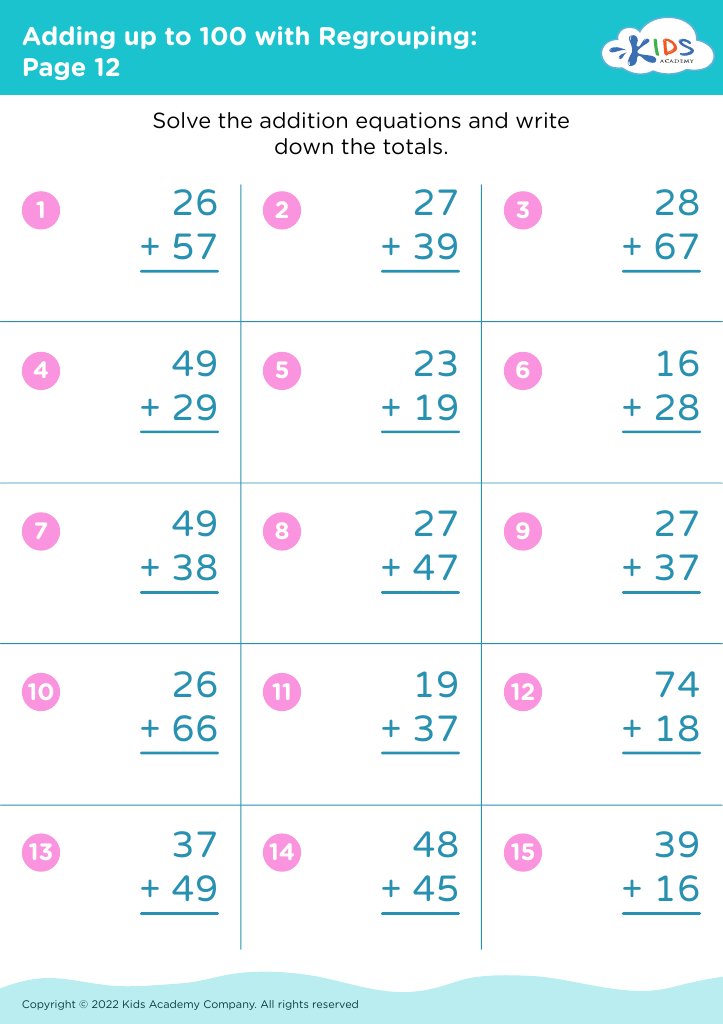
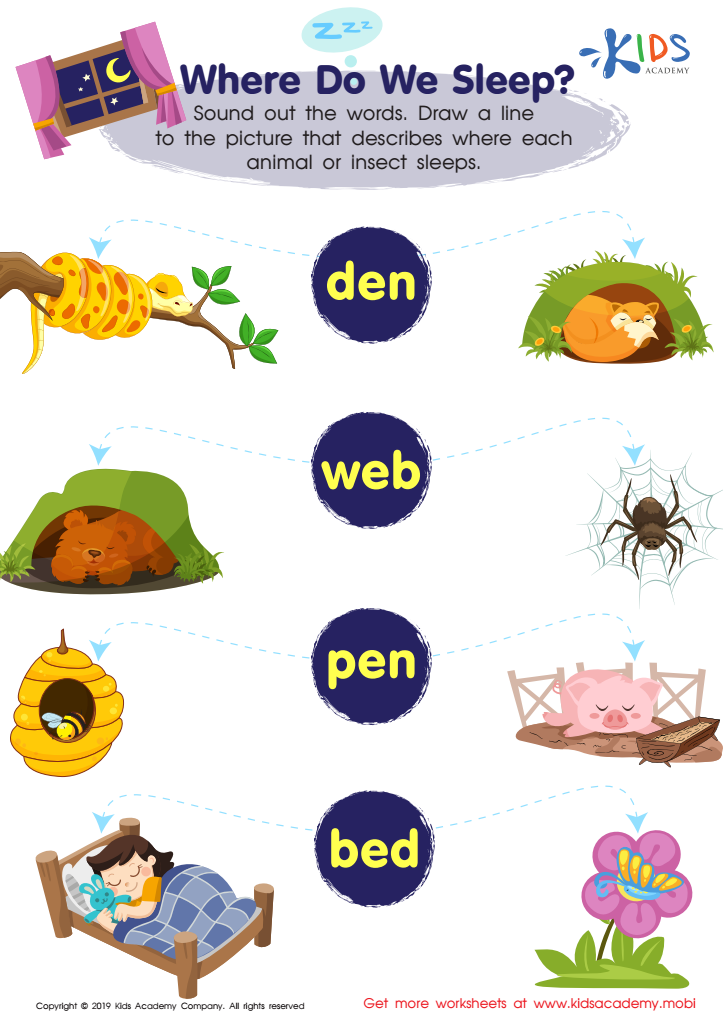
Where Do We Sleep Worksheet
Help your kids understand the importance of a safe space with this activity: Ask them to draw a line connecting the different animals and insects to the words that describe where they sleep. Remind them that everyone needs a sanctuary to rest – like the animals and insects in this printout.
Where Do We Sleep Worksheet
Worksheet
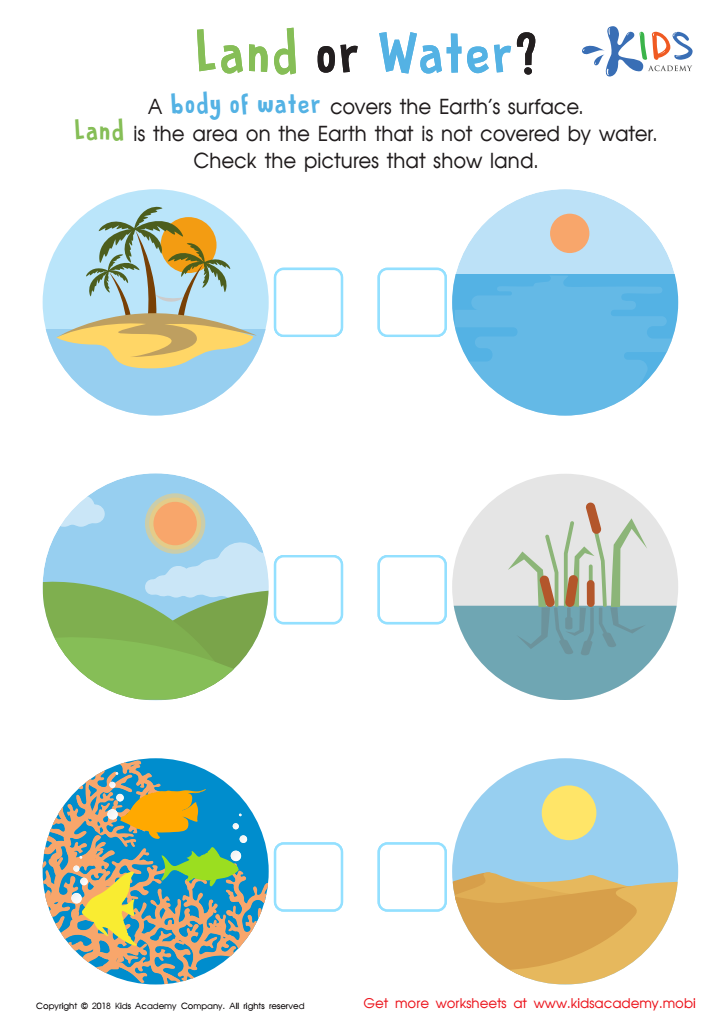
Land or Water Worksheet
The Earth is mostly covered by water. Ask your kids to name examples of land and water, then look at a worksheet with them. Ask them to identify pictures that show land and water, then help them check.
Land or Water Worksheet
Worksheet
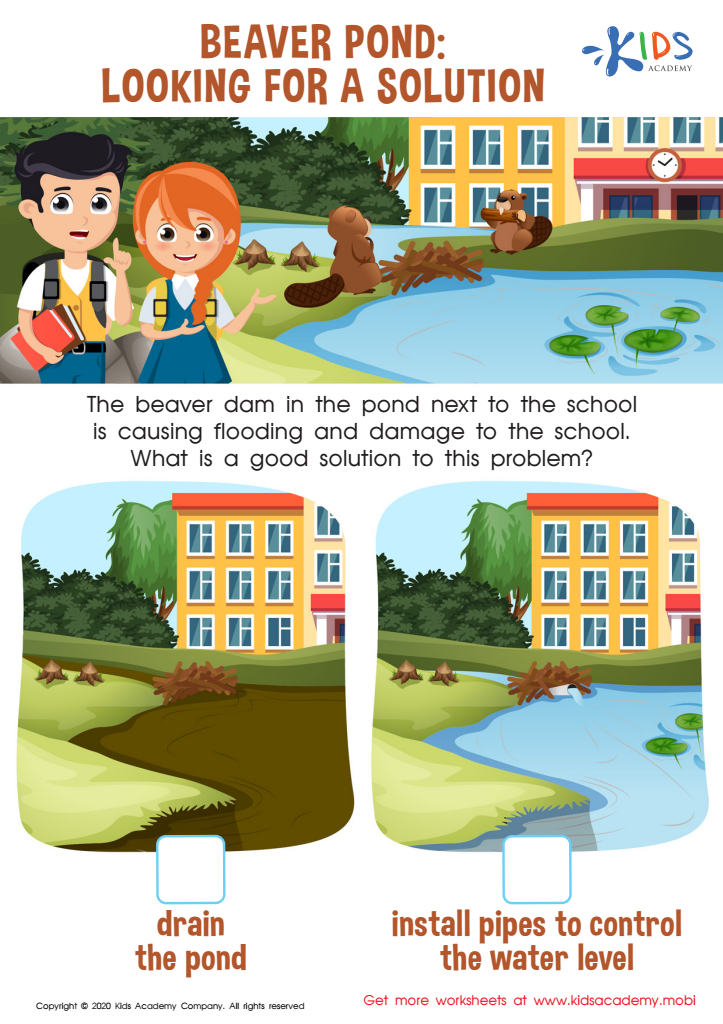
Beaver Pond: Looking for a Solution Worksheet
Beavers are building dams and flooding the local pond! Help your child practice problem-solving skills by reading through and selecting from possible solutions, with this fun PDF worksheet. See how your child's skills are improved!
Beaver Pond: Looking for a Solution Worksheet
Worksheet
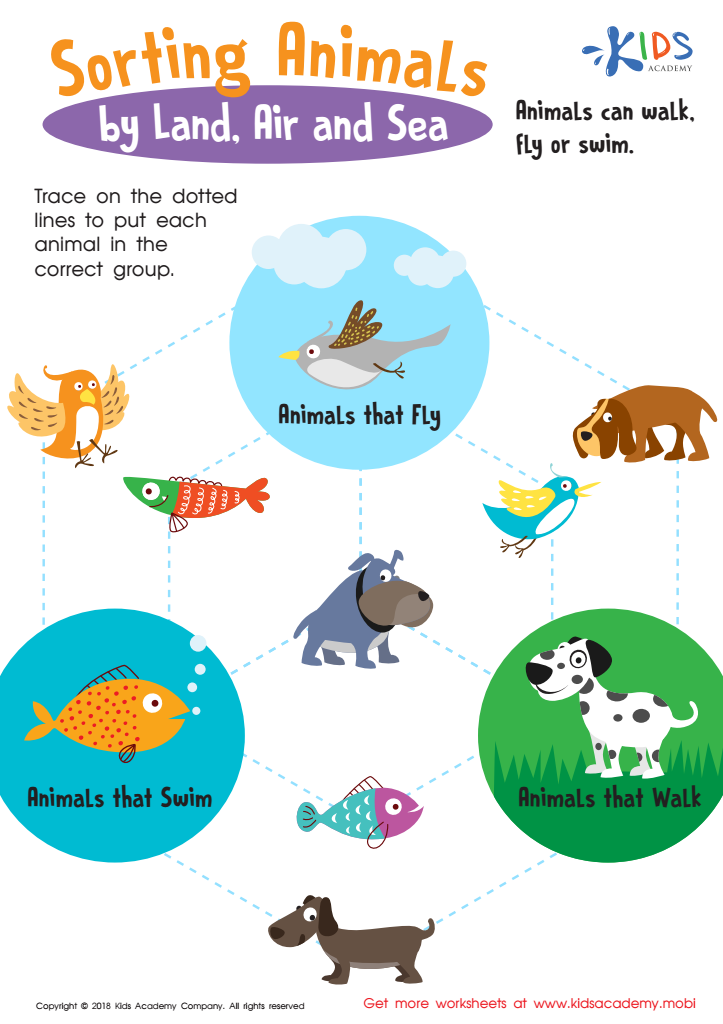
Sorting Animals by Land, Air and Sea Worksheet
Kids will use critical thinking and fine motor skills with this worksheet! They'll analyze animal traits and draw lines to sort them into groups of those that fly, swim, or walk. It's a fun way to hone skills and have a great time!
Sorting Animals by Land, Air and Sea Worksheet
Worksheet
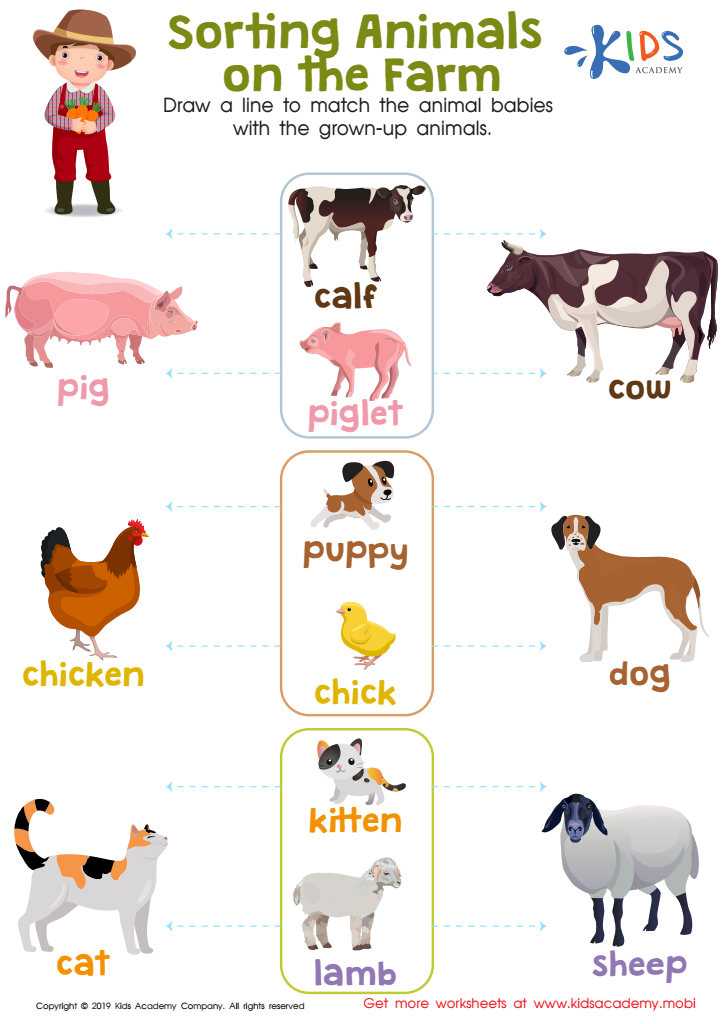
Sorting Animals on the Farm Worksheet
This PDF worksheet engages preschoolers in a fun activity to match Mama farm animals with their babies, strengthening their sorting and patterning skills. They'll learn to recognize rules and relationships, while gaining familiarity with animal-related words.
Sorting Animals on the Farm Worksheet
Worksheet
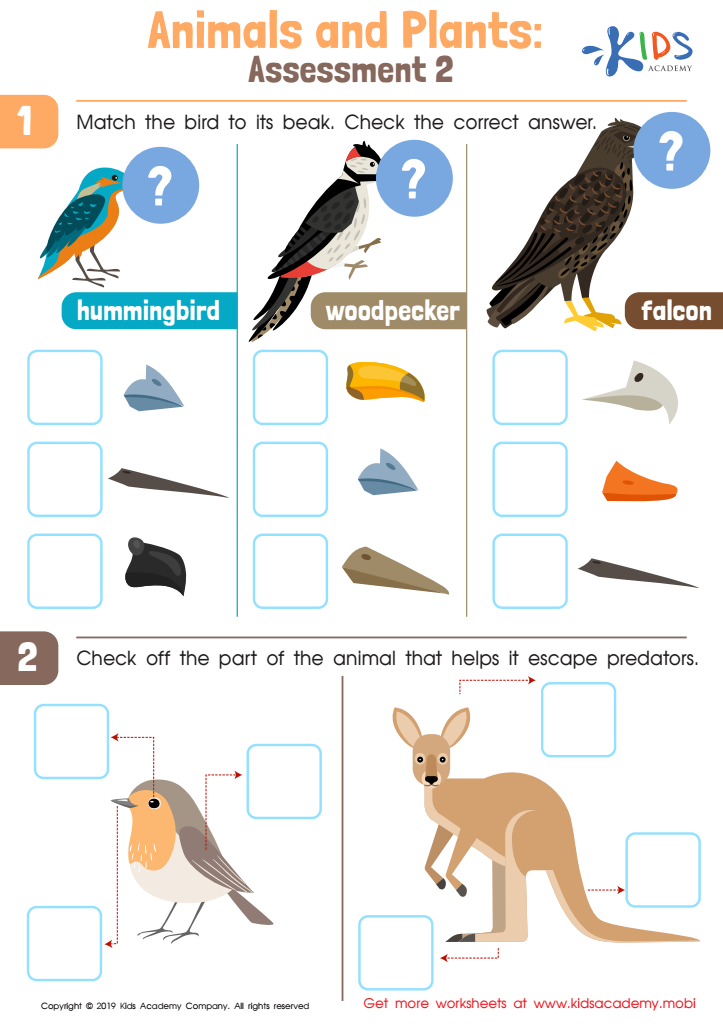
Animals and Plants: Assessment 2 Worksheet
This free PDF is ideal to quickly test your child's knowledge of animal adaptations. They'll select the right beak patterns for hummingbird, woodpecker and falcon, and identify which parts of animals help them escape predators. It's easy to assess your kid's understanding.
Animals and Plants: Assessment 2 Worksheet
Worksheet
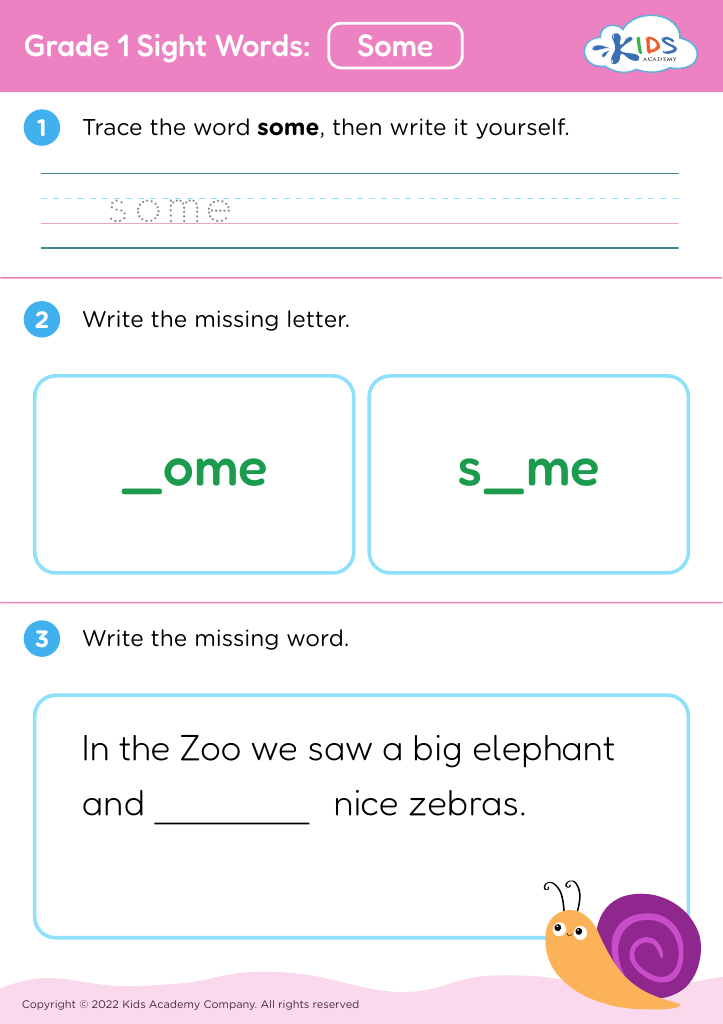
Join Kids Academy for Free
Who is primarily going to use this learning content?






Understanding habitats is vital for children aged 5-9, as it fosters environmental awareness, curiosity, and responsibility. Early exposure to different habitats—like forests, oceans, deserts, and wetlands—allows children to appreciate the diversity of life. This foundation encourages critical thinking as they explore how organisms interact with their surroundings and each other.
Parents and teachers play a crucial role in making these concepts engaging and relatable. By learning about habitats, children grasp the importance of biodiversity and ecosystem balance, inspiring environmental stewardship from a young age. Activities such as nature walks, habitat creation projects, and discussions about local wildlife can deepen their understanding and make learning hands-on.
Moreover, understanding habitats integrates various subjects, from science and geography to art. This multidisciplinary approach nurtures creativity and problem-solving skills. It also creates opportunities for social skills development through group activities and discussions.
Ultimately, when parents and teachers prioritize habitat education, they not only inform children about their world but also cultivate a sense of global citizenship. Equipping them with knowledge and empathy towards all living things can lead to more caring, environmentally-conscious adults who work to protect our planet for future generations.








