
Understanding numeracy Worksheets for Ages 5-9
4 filtered results
Difficulty Level
Grade
Age
-
From - To
Subject
Activity
Standards
Discover our engaging Numeracy Worksheets designed for children aged 5-9. These worksheets aim to build a strong mathematical foundation through fun and interactive activities. Our expertly crafted resources cover essential topics such as counting, basic operations, and number recognition. By incorporating colorful visuals and relatable scenarios, each worksheet supports the development of problem-solving skills, logical thinking, and a love for math. Ideal for both classroom use and at-home learning, our worksheets are tailored to suit different learning styles and help children progress at their own pace. Boost your child's numeracy skills with our comprehensive, age-appropriate tools today!
Favorites
With answer key
Interactive
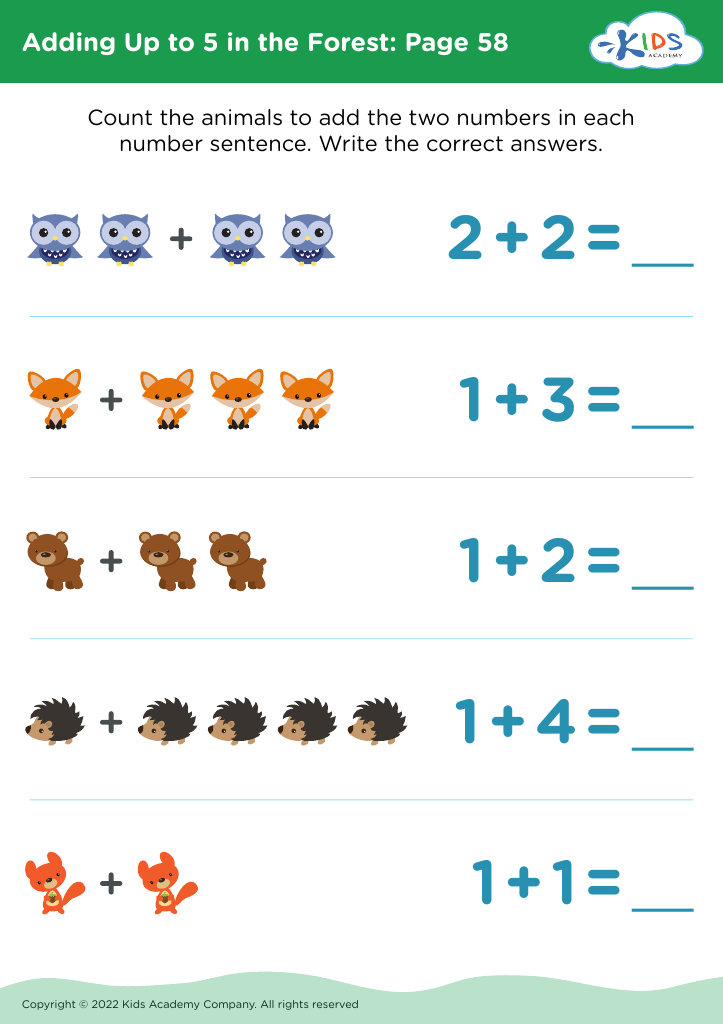
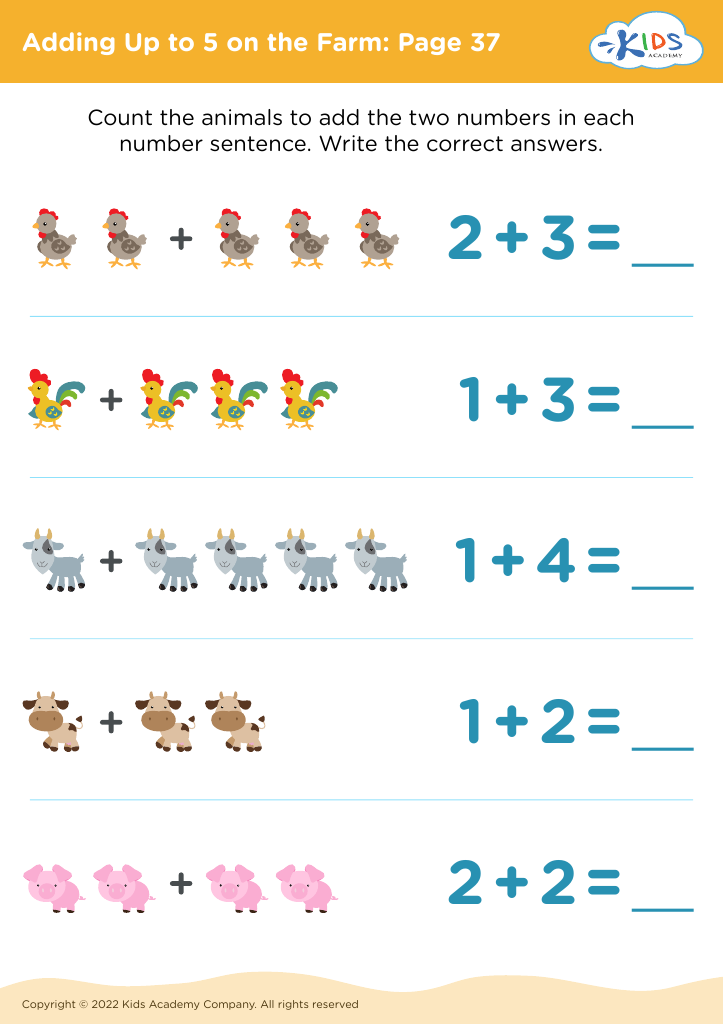
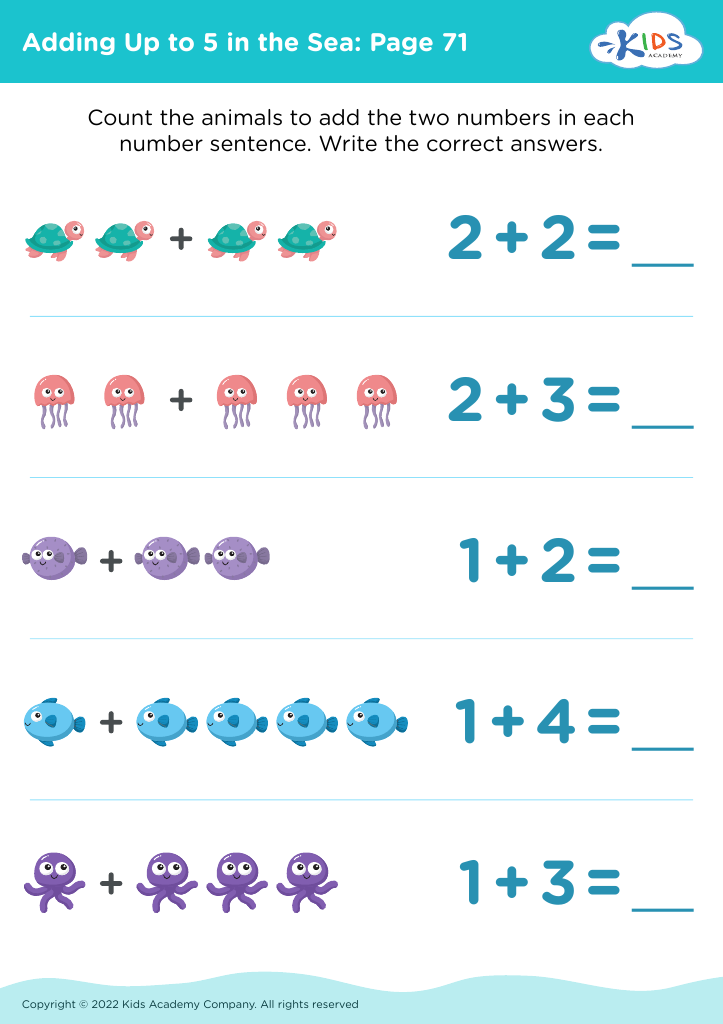
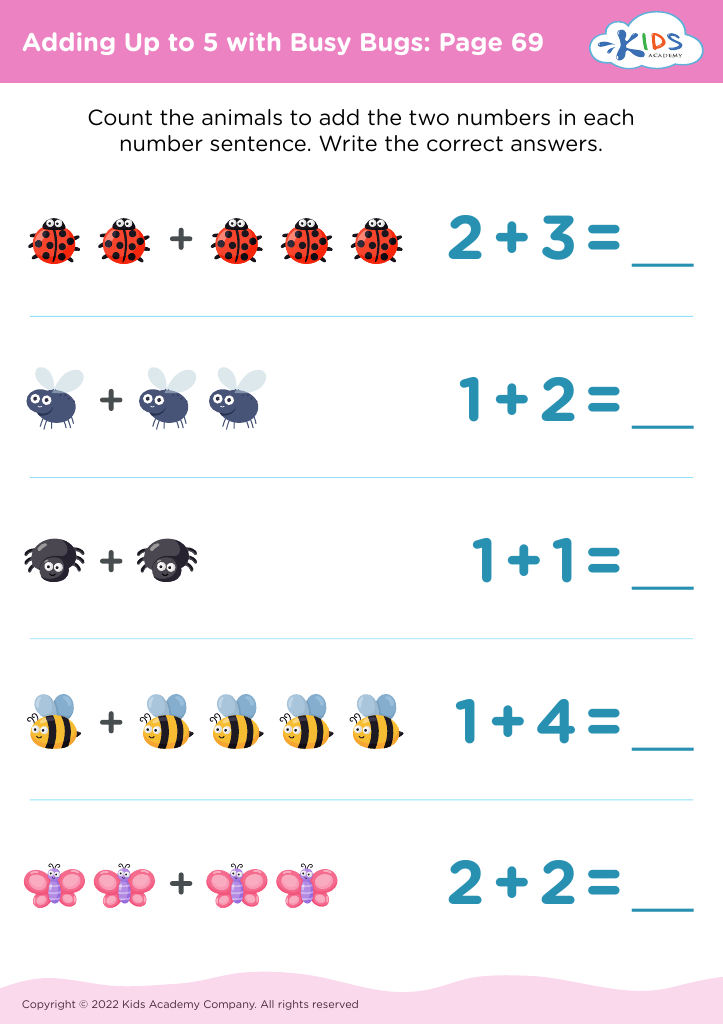
Join Kids Academy for Free
Who is primarily going to use this learning content?







.jpg)
Understanding numeracy during the ages of 5-9 is crucial for several reasons, both for parents and teachers. First, numeracy forms the foundation of mathematical understanding which is necessary for everyday life skills such as time management, money handling, and problem-solving. When children develop strong numeracy skills in their early years, they are more likely to excel in advanced math topics later on, keeping educational doors open for subjects like science, technology, and engineering.
During this developmental window, the brain is particularly receptive to learning foundational concepts like number recognition, counting, and basic arithmetic operations such as addition and subtraction. This period is often referred to as a "sensitive period" in child development, a phase where children absorb information more easily and efficiently.
Additionally, understanding numeracy helps build a child's confidence and promotes a positive attitude towards learning. Struggles in early math can lead to long-term math anxiety, which may affect academic performance and self-esteem. By fostering numerate skills early, parents and teachers can identify and address potential difficulties before they become ingrained.
In summary, proper engagement with numeracy for ages 5-9 establishes essential cognitive development, promotes important life skills, and builds a learner's confidence, making it a critical focus for both parents and teachers.








