Visual analysis Worksheets for Ages 5-9
3 filtered results
-
From - To
Enhance your child's learning experience with our Visual Analysis Worksheets designed for ages 5-9. These engaging resources help young learners develop essential skills by encouraging them to observe, interpret, and analyze visual information. Through colorful illustrations and interactive activities, children will strengthen their critical thinking abilities while having fun! Topics cover shapes, patterns, and comparisons, ensuring a diverse learning approach. Perfect for at-home practice or classroom integration, our worksheets foster creativity and improve focus. Dive into the world of visual learning and watch your little one blossom into a confident thinker! Browse our collection today and spark curiosity in your child!
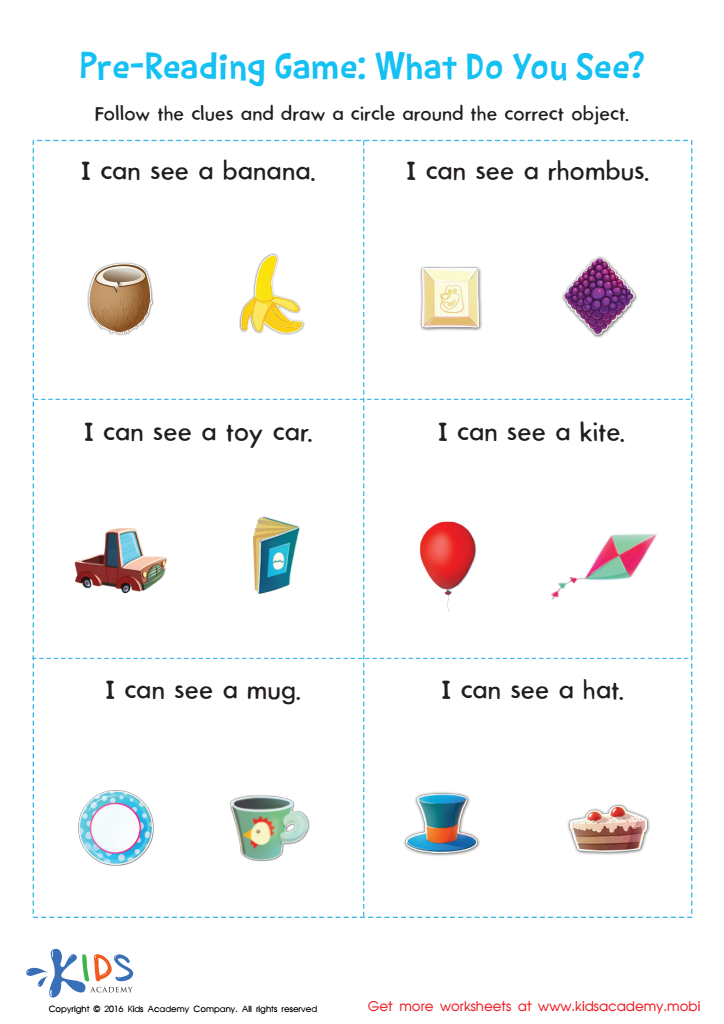
Pre–reading Worksheet: What Do You See?
 Assign to My Students
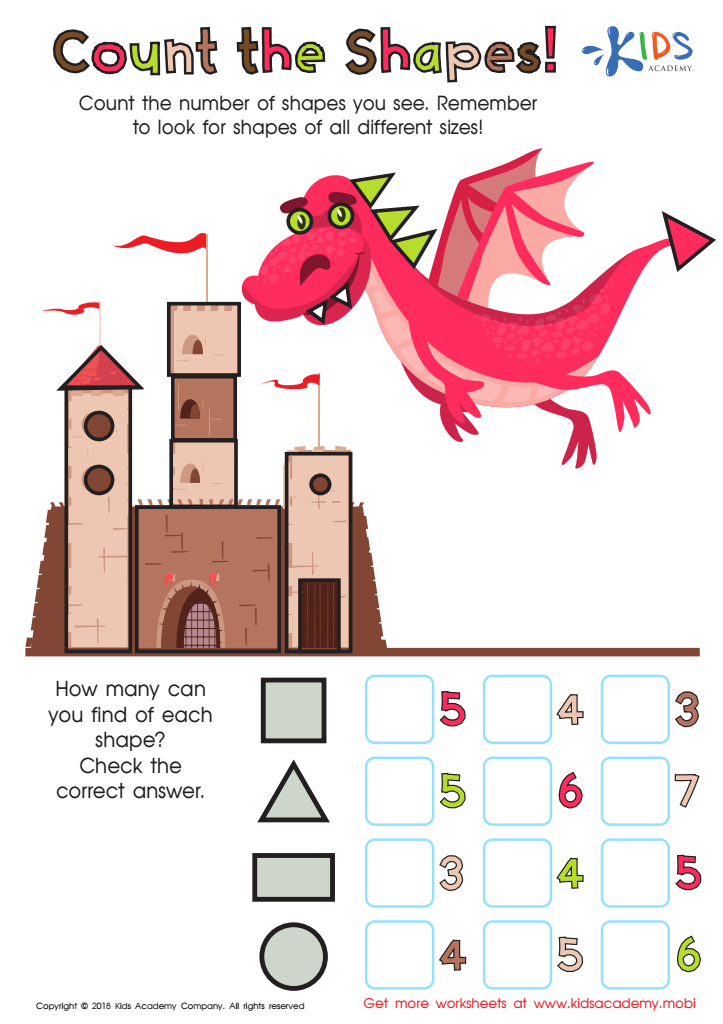
Count the Shapes Worksheet
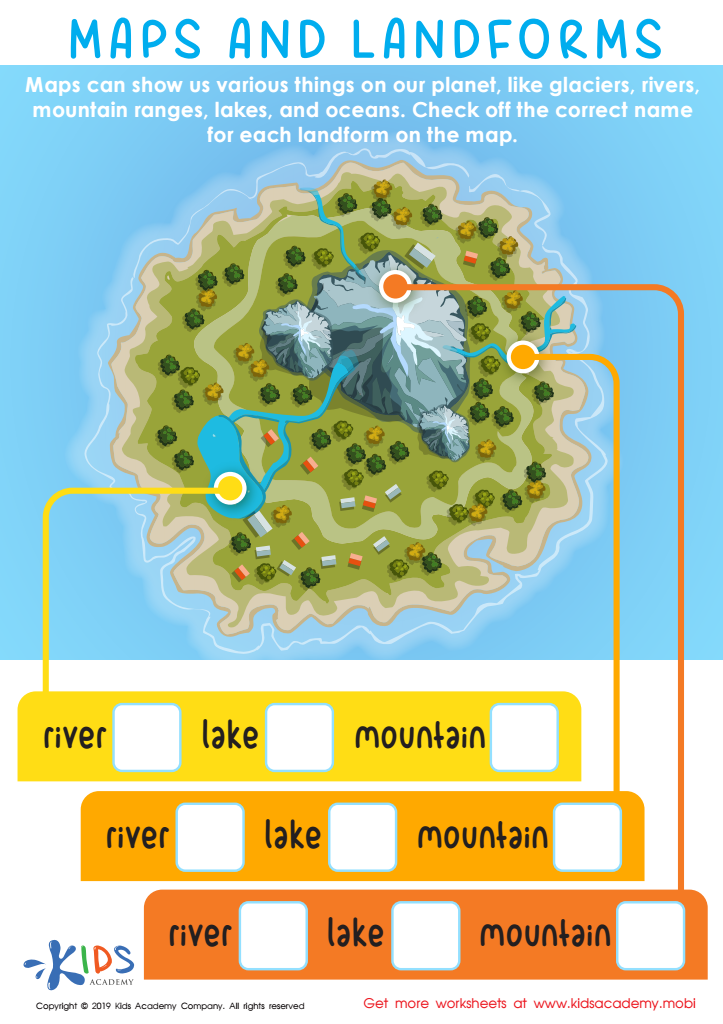
Maps and Landforms Worksheet


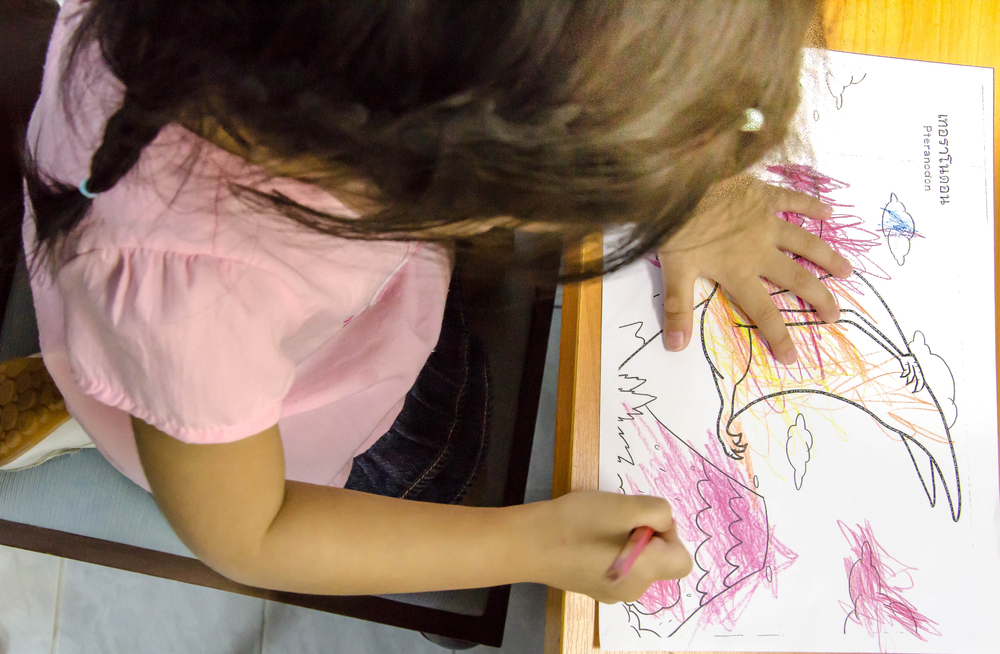





Visual analysis is an essential skill for children aged 5-9 as it enhances their ability to interpret and understand visual information, a critical competence in today’s image-saturated world. Parents and teachers should prioritize visual analysis because it supports cognitive development and improves literacy skills. Young learners engage with books, illustrations, charts, and digital media; being able to analyze these visuals helps them make connections, draw conclusions, and enhance their comprehension skills.
Moreover, visual analysis fosters critical thinking and creativity. As children learn to decipher images, graphs, and infographics, they develop problem-solving abilities and learn to express their thoughts more effectively. Recognizing patterns, identifying emotions in visuals, and understanding symbolism are skills that lay the foundation for more complex reasoning in later years.
Additionally, integrating visual analysis in education aligns with varied learning styles, catering to visual learners who thrive when information is presented visually. It also encourages collaboration and discussion among peers, reinforcing social skills. Overall, fostering visual analysis at a young age not only enhances academic performance but also prepares children to navigate and critically evaluate the increasingly visual world around them, thus becoming informed and engaged citizens.








