Visual Learning Worksheets for Ages 5-9 - Page 5
105 filtered results
-
From - To
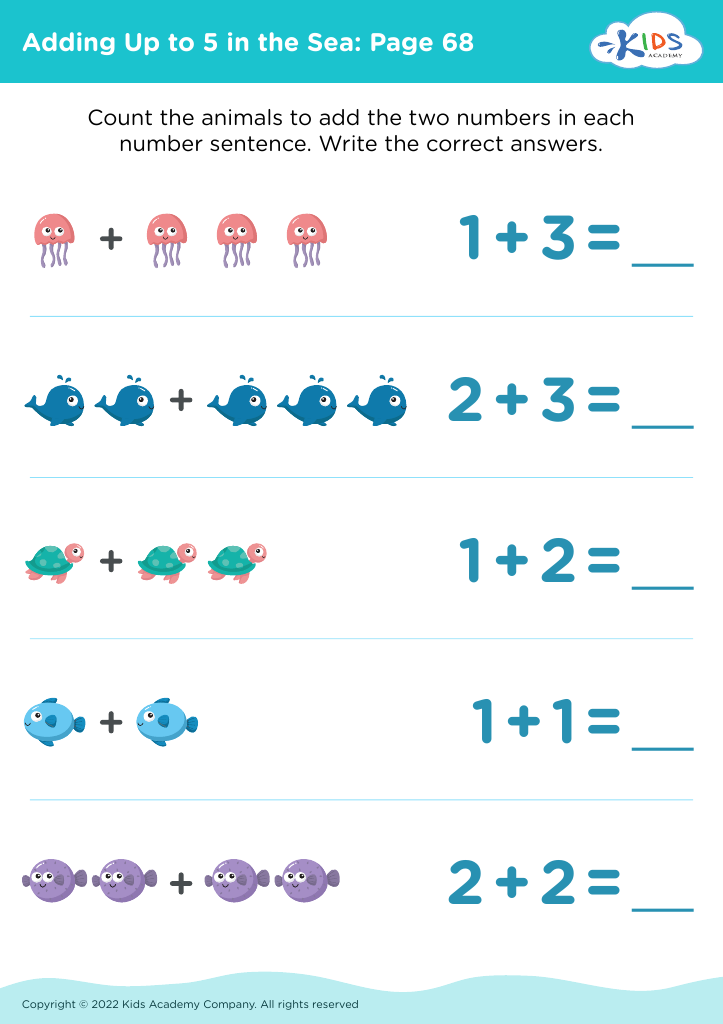
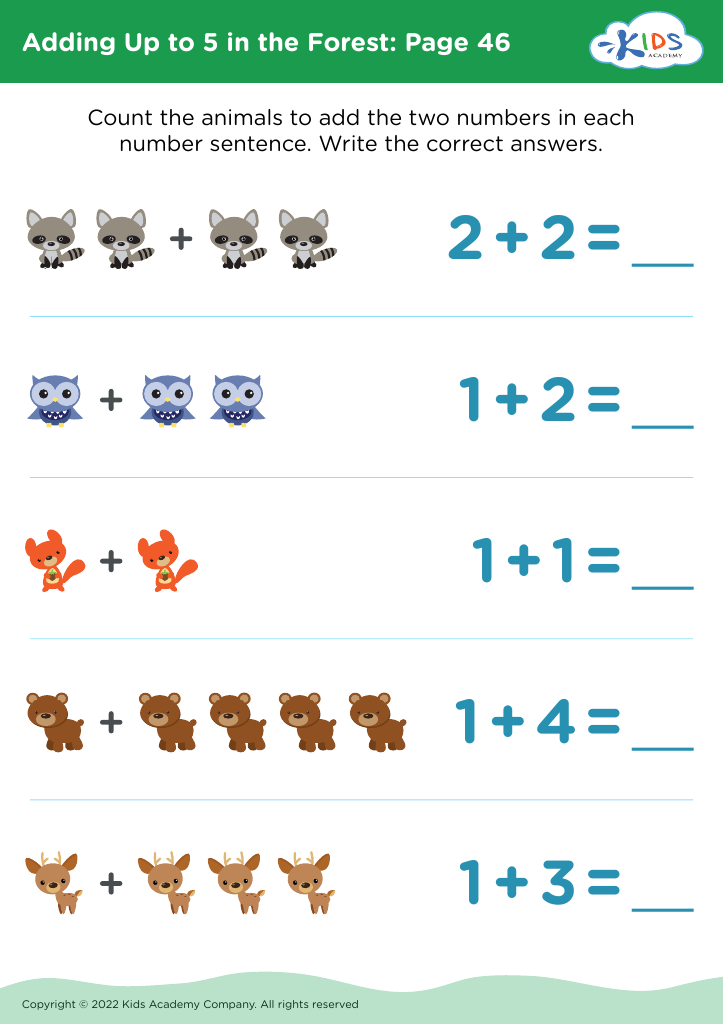
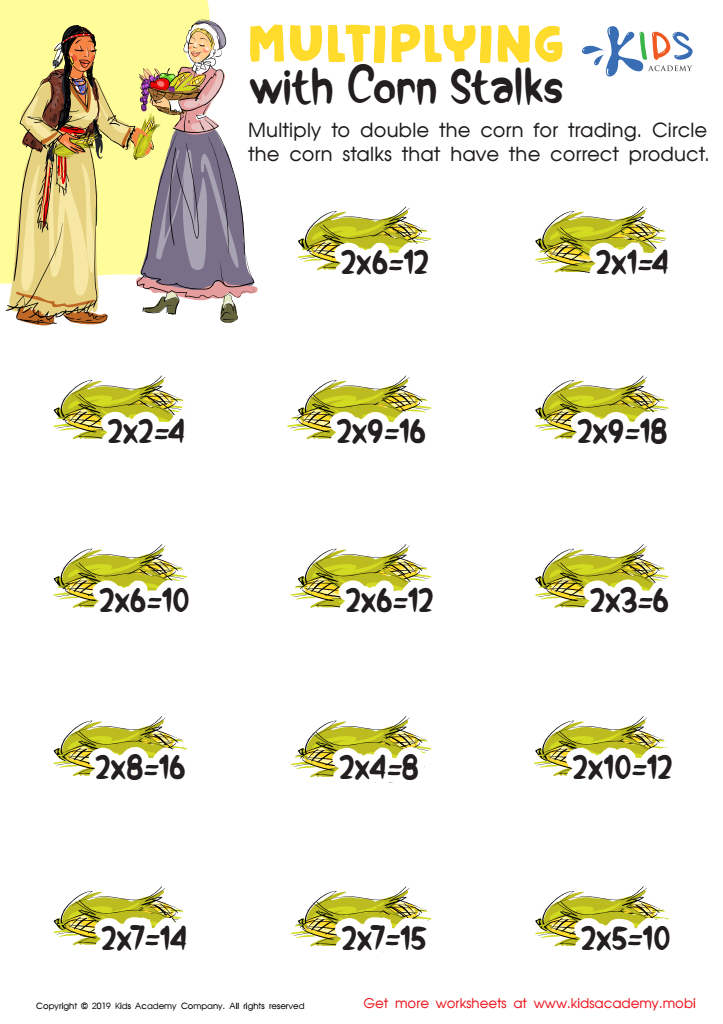
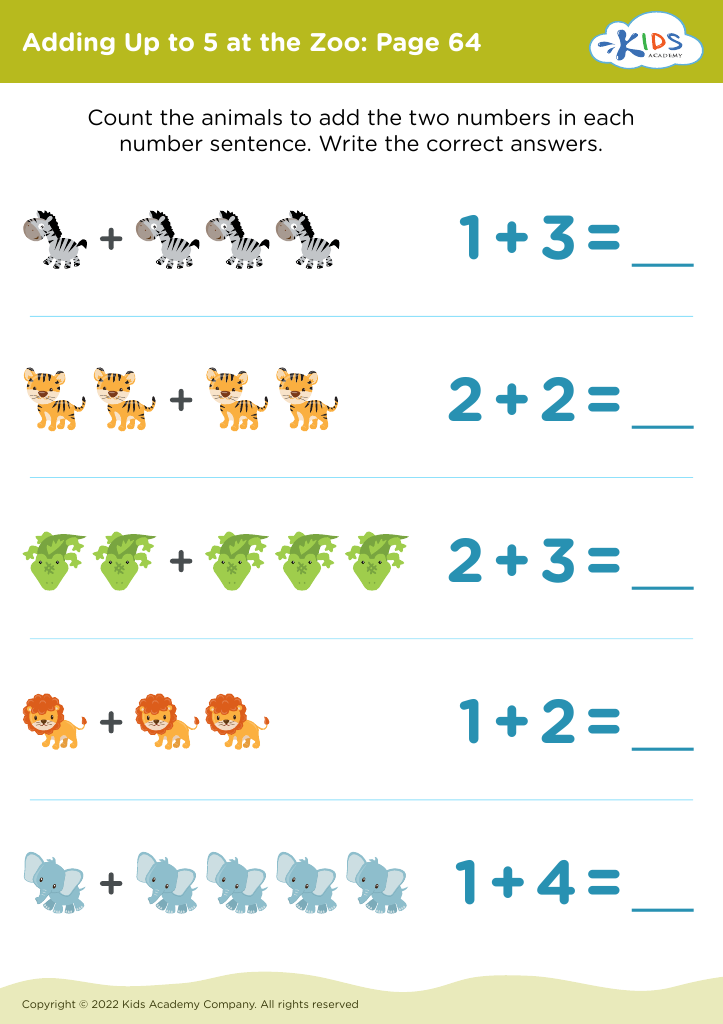
Multiplying With Corn Stalks Worksheet
 Assign to My Students
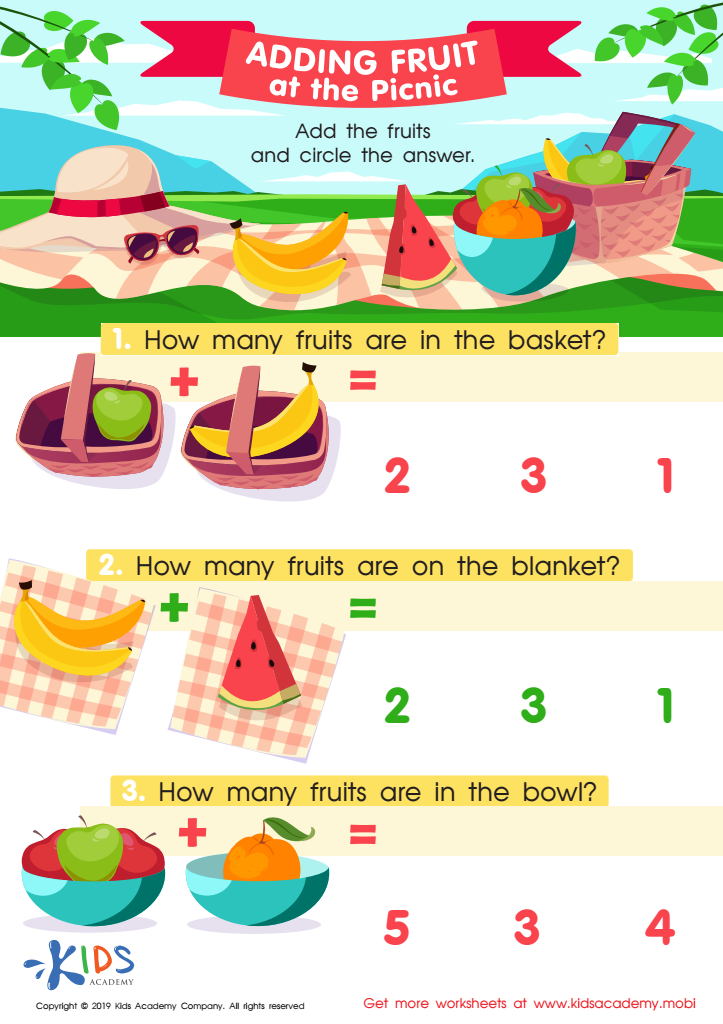
Adding Fruit at the Picnic Worksheet
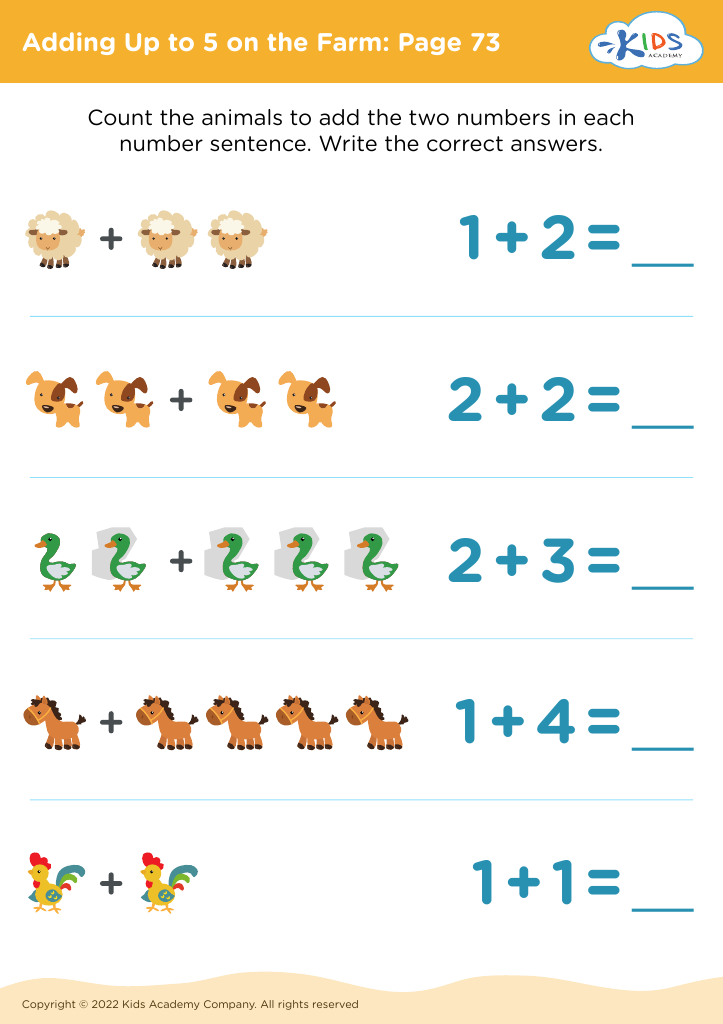
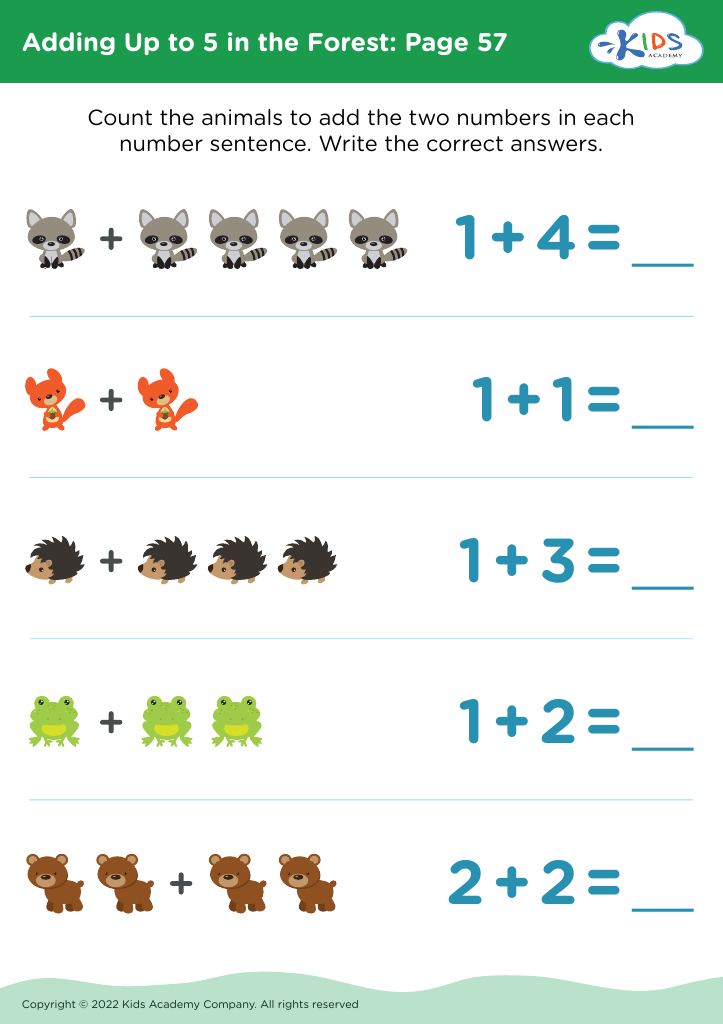
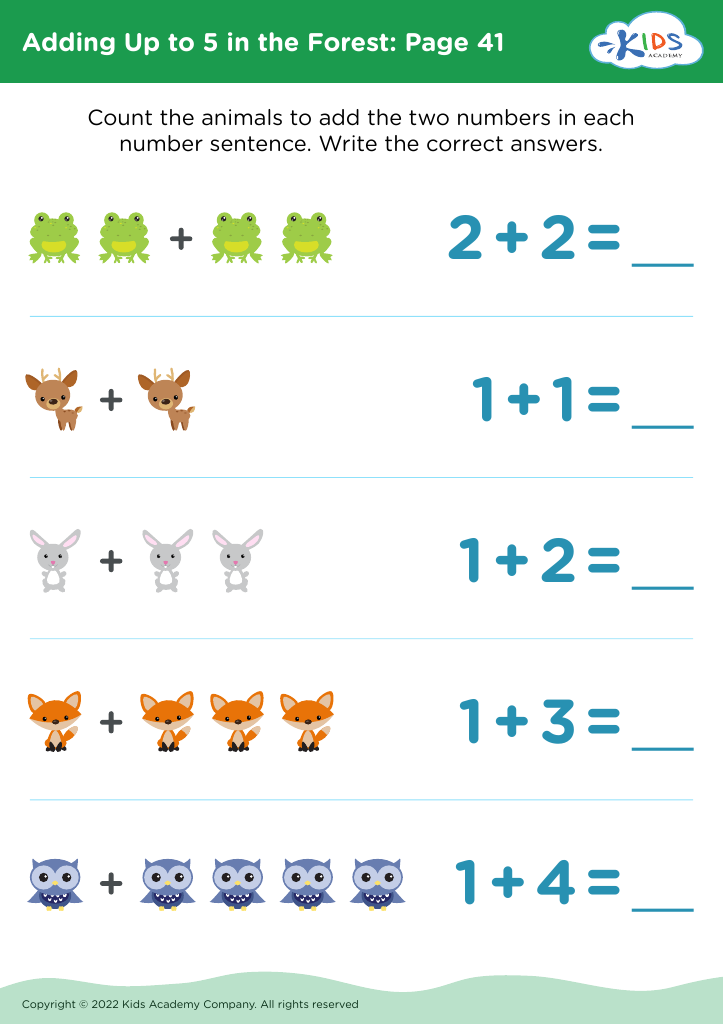
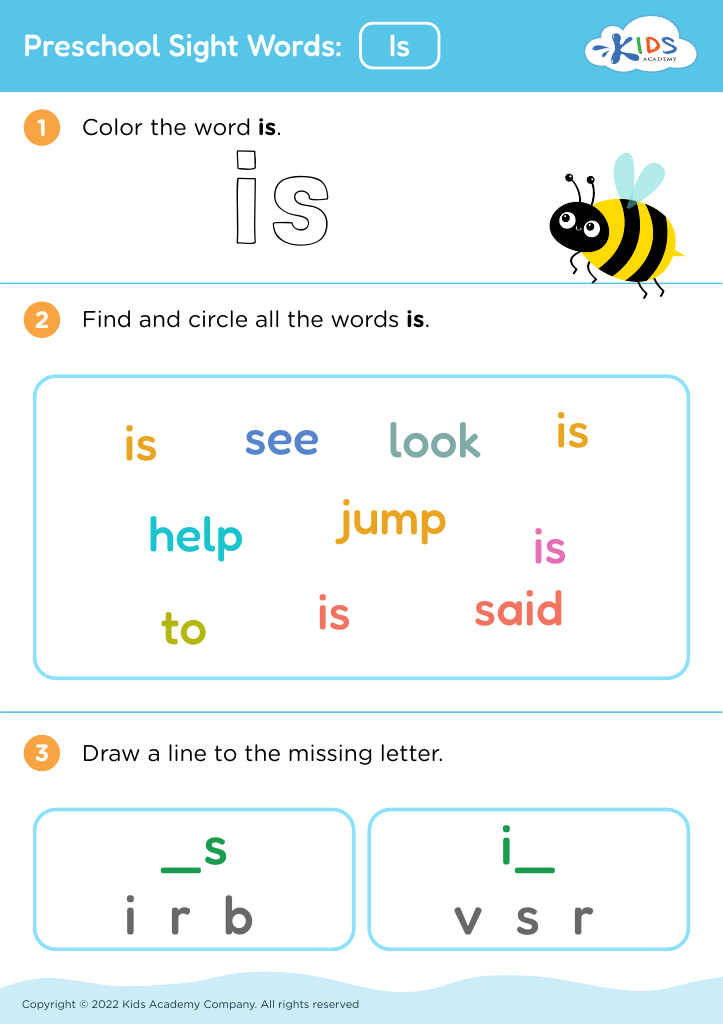







Visual learning is vital for children aged 5-9 because it aligns with their developmental stage and enhances their natural learning processes. At this age, children's visual perception and fine motor skills are rapidly developing, allowing them to better comprehend and retain information presented visually. When parents and teachers incorporate visual elements such as images, charts, and color-coded materials into lessons, they tap into the child’s primary mode of processing the world.
Research shows that visual aids can improve retention and understanding. For instance, children can recall information more effectively when it is presented with pictures, as multiple senses are engaged simultaneously. Visual learning also caters to different learning styles, ensuring that visual learners get the most out of the educational experience while also reinforcing lessons for auditory and kinesthetic learners.
Additionally, visual learning strategies foster creativity and critical thinking. By engaging with graphics, children learn to interpret and analyze data, enhancing their problem-solving abilities. Visual tools like storyboards, diagrams, and interactive apps can make learning interactive and enjoyable, which is crucial for maintaining young children’s attention and motivation.
Overall, investing in visual learning is a smart and effective approach that helps young learners build a strong foundational understanding of concepts, making education more comprehensive, engaging, and effective.








