Writing practice Worksheets for Ages 5-9 - Page 2
31 filtered results
-
From - To
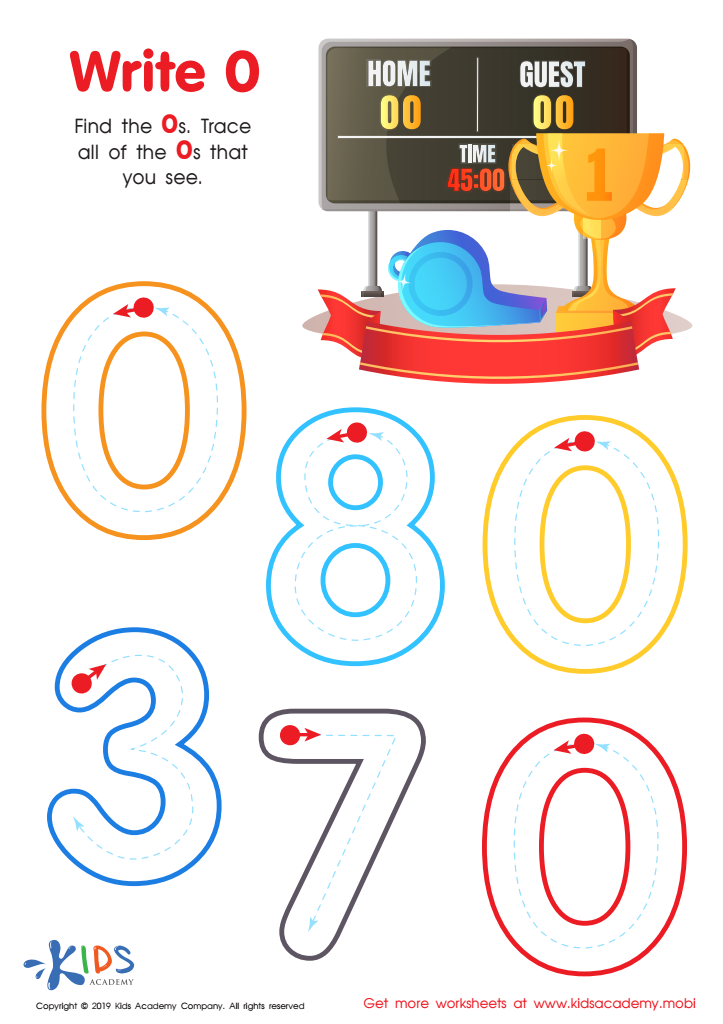
Write 0 Worksheet
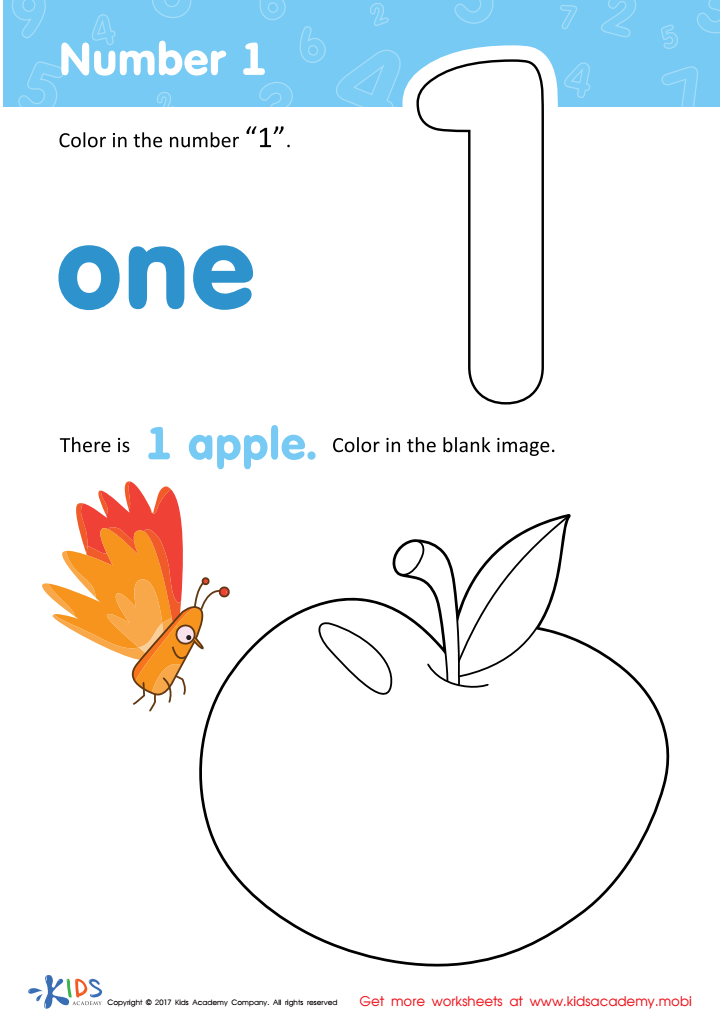
Number 1 Printable
 Assign to My Students
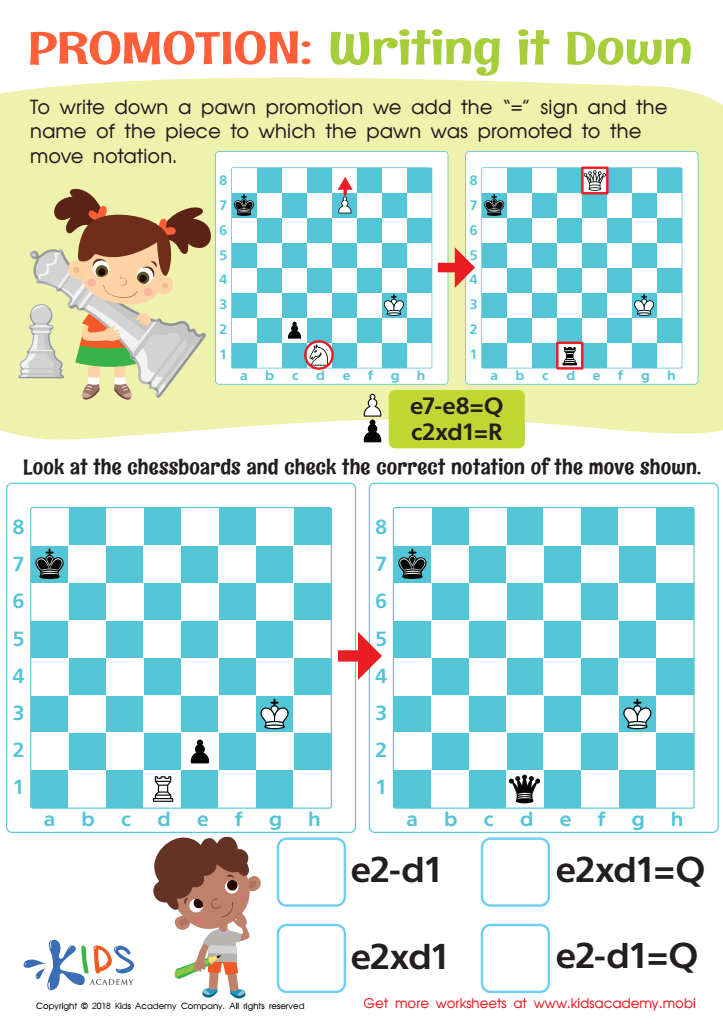
Writing it Down Worksheet
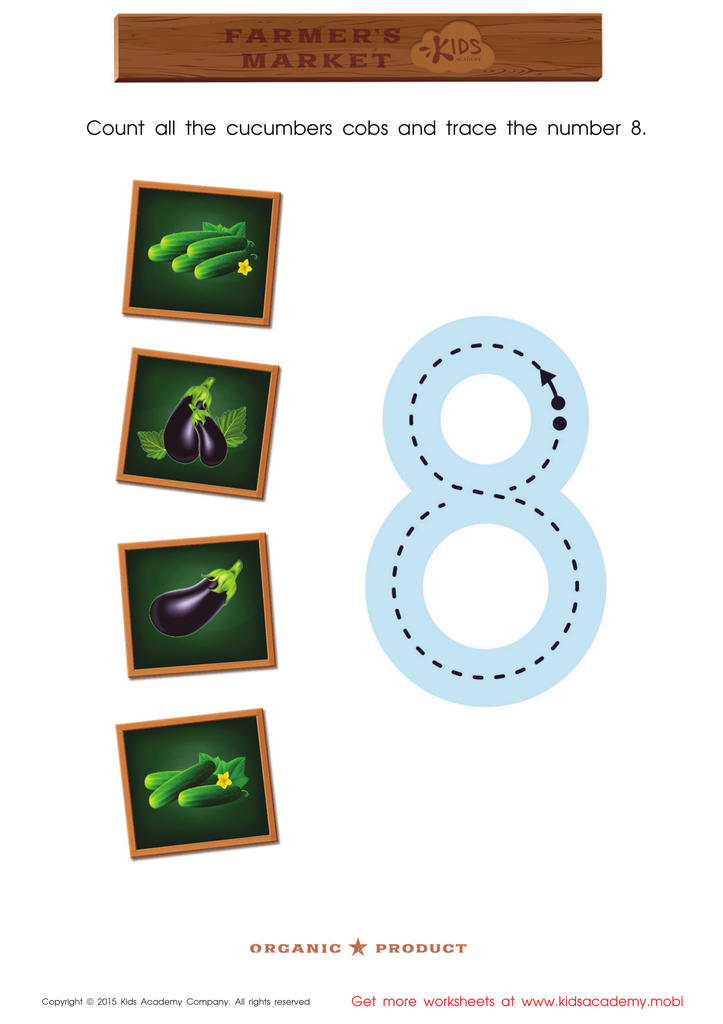
Count the Cucumbers and Trace the Number 8 Printable
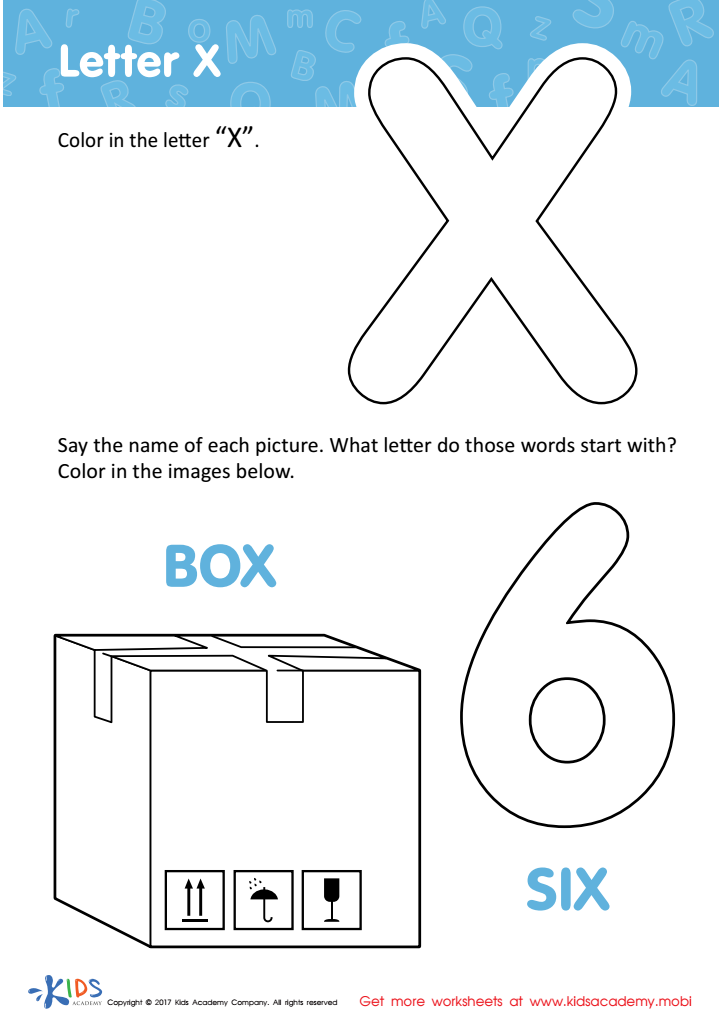
Letter X Coloring Sheet
Assign to My Students
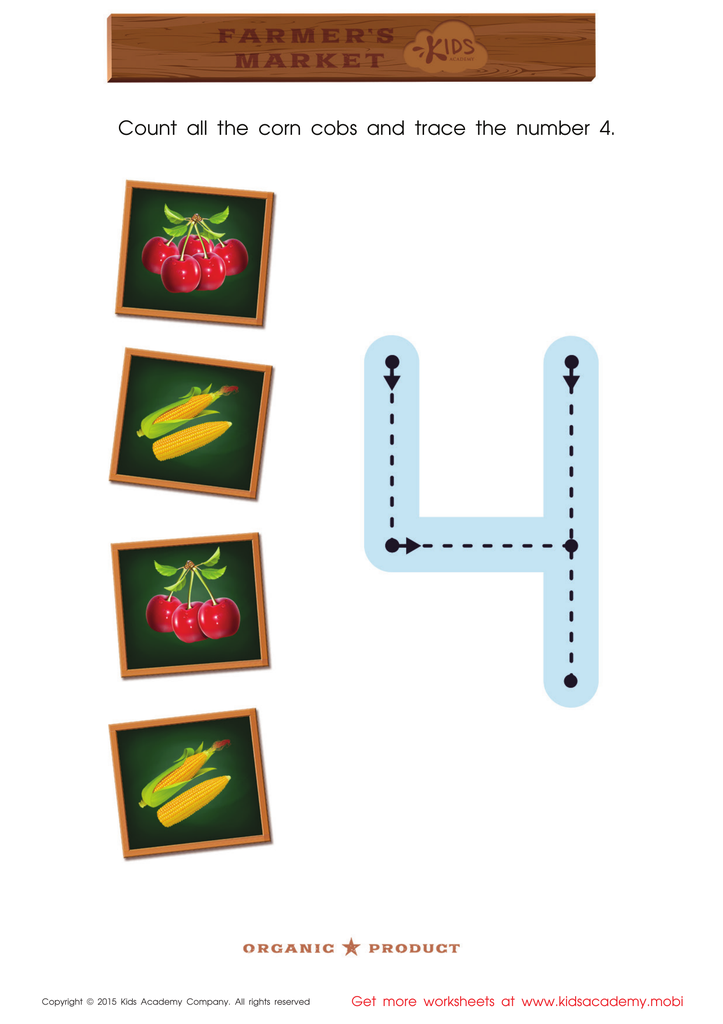
Count the Corncobs and Trace the Number 4 Worksheet








Writing practice is vital for children ages 5-9 because it lays the foundation for essential communication skills needed throughout their lives. At this developmental stage, children are highly receptive to learning new concepts, and writing can greatly enhance their cognitive abilities. Firstly, writing stimulates brain development, enabling children to improve their critical thinking and problem-solving skills. Secondly, it cultivates fine motor skills as children learn to control their hand movements to form letters and words correctly.
Furthermore, writing practice boosts creativity and imagination. When children are encouraged to express their thoughts and stories on paper, they engage in imaginative thinking and become better at articulating their ideas. Additionally, writing aids in reinforcing their understanding of language structure, vocabulary, and grammar, which are crucial for reading proficiency and academic success.
For teachers, regular writing activities in the classroom can help identify each student's unique needs and challenges, enabling targeted support. For parents, engaging in writing exercises at home strengthens the parent-child bond and provides insight into the child's thinking process.
Overall, prioritizing writing practice during early childhood ensures that children develop the necessary tools to communicate effectively, think critically, and succeed academically and beyond.








