Filters

349 filtered results

Clear all filters
Favorites
With answer key
Interactive

349 filtered results

Difficulty Level

Grade


Subject

    Check out this FREE Trial Lesson on Adding Up to 5 for age 5-9!

    X

    Favorites
    With answer key
    Interactive
    • 5-9
    • Number Recognition
    • Adding Up to 5
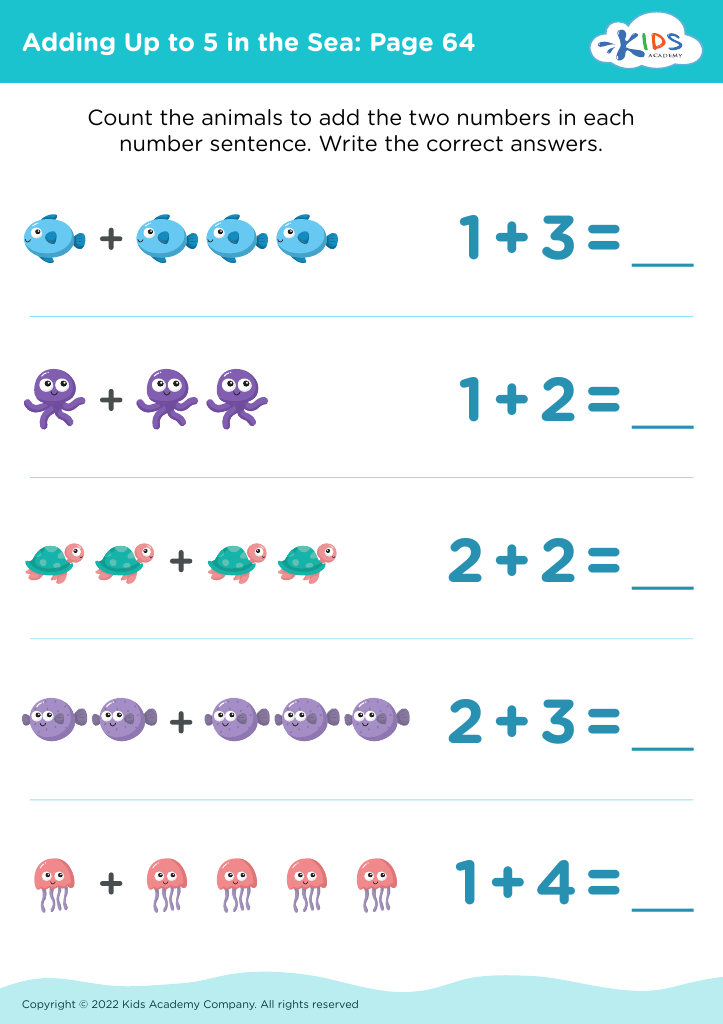
    Adding Up to 5 in the Sea: Page 64
    Adding Up to 5 in the Sea: Page 64
    Adding Up to 5 in the Sea: Page 64
    Worksheet
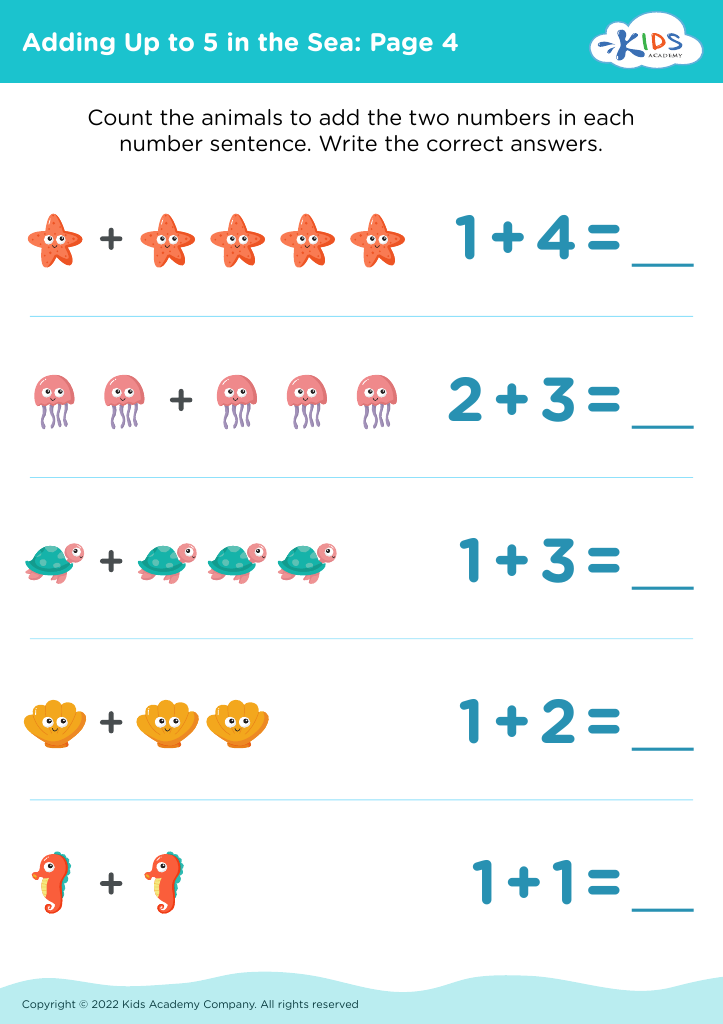
    Adding Up to 5 in the Sea: Page 4
    Adding Up to 5 in the Sea: Page 4

    Adding Up to 5 in the Sea: Page 4

    Adding Up to 5 in the Sea: Page 4
    Worksheet
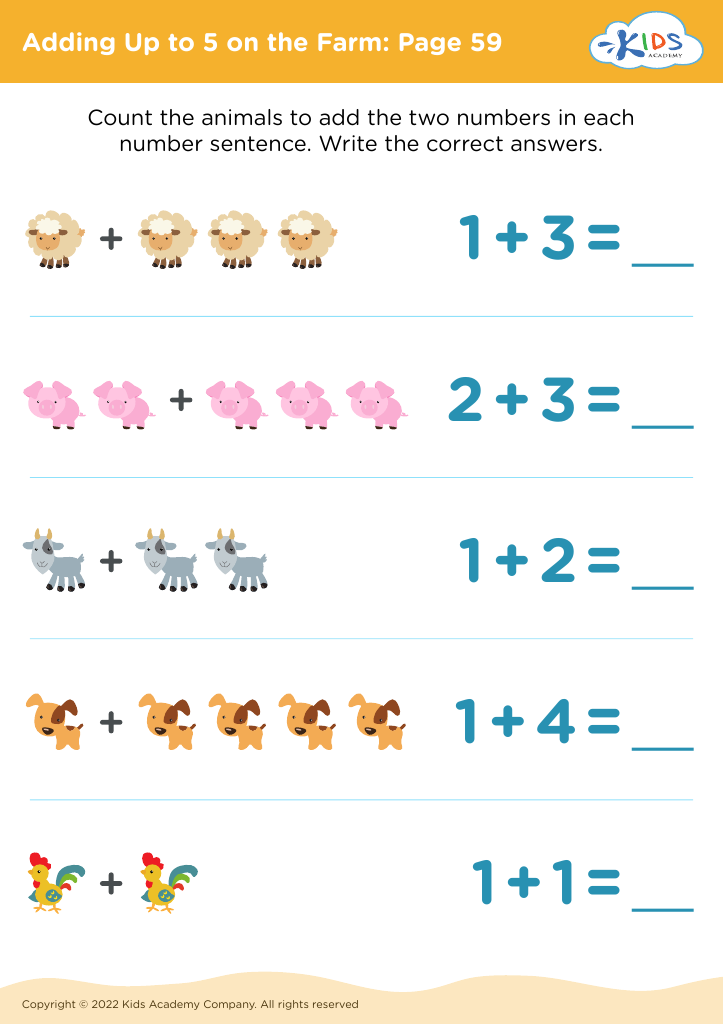
    Adding Up to 5 on the Farm: Page 59
    Adding Up to 5 on the Farm: Page 59
    Adding Up to 5 on the Farm: Page 59
    Worksheet
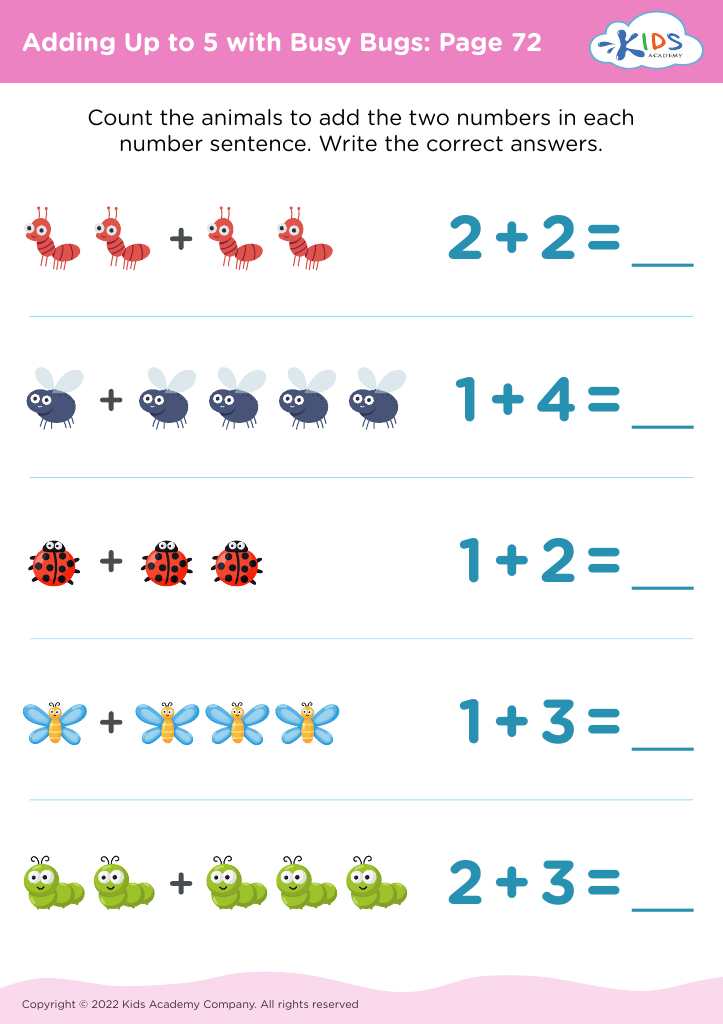
    Adding Up to 5 with Busy Bugs: Page 72
    Adding Up to 5 with Busy Bugs: Page 72
    Adding Up to 5 with Busy Bugs: Page 72
    Worksheet
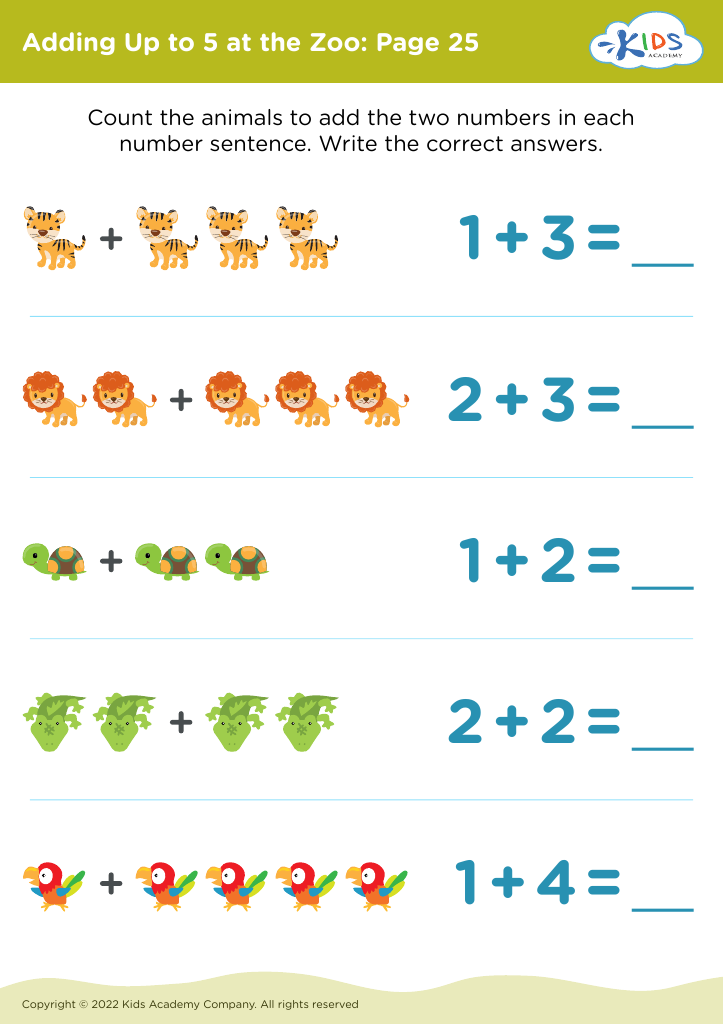
    Adding Up to 5 at the Zoo: Page 25
    Adding Up to 5 at the Zoo: Page 25
    Adding Up to 5 at the Zoo: Page 25
    Worksheet
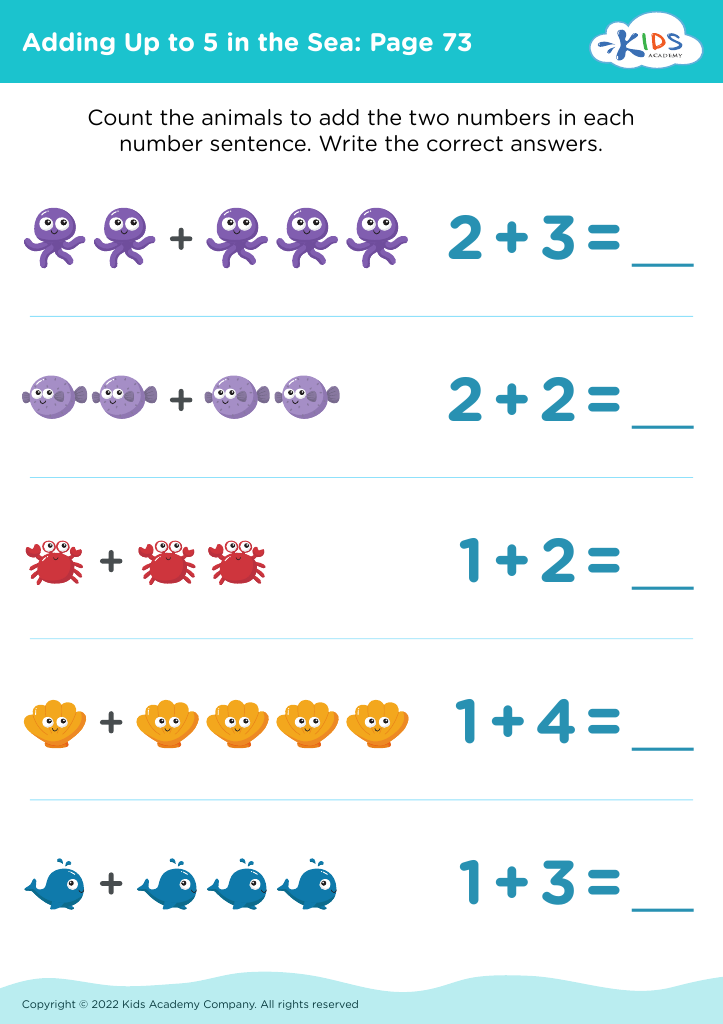
    Adding Up to 5 in the Sea: Page 73
    Adding Up to 5 in the Sea: Page 73
    Adding Up to 5 in the Sea: Page 73
    Worksheet
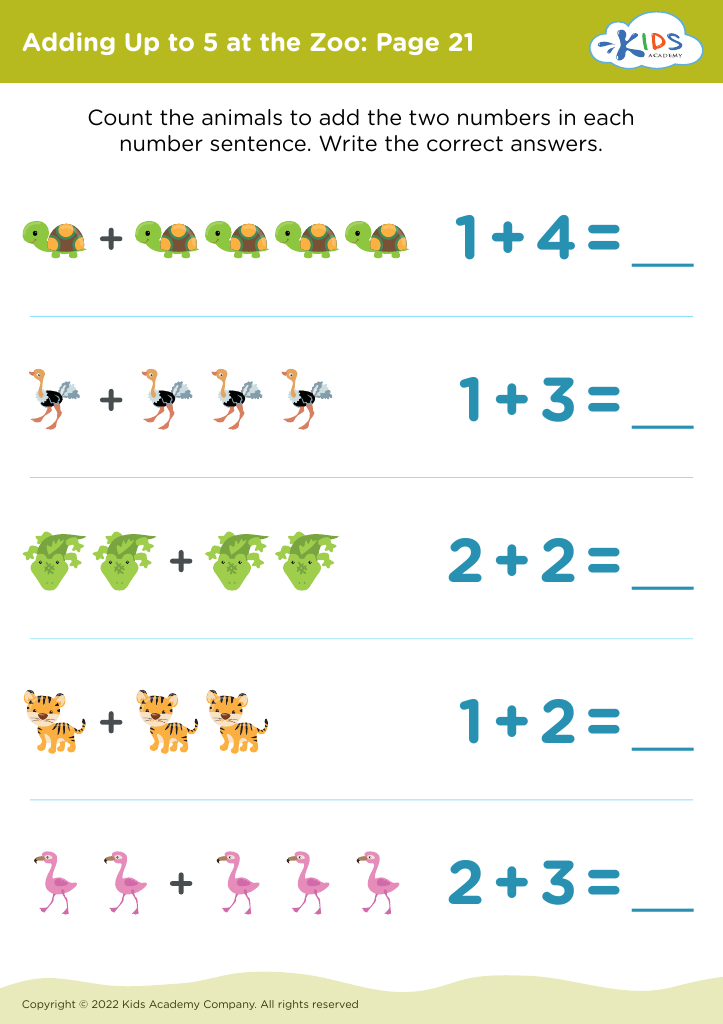
    Adding Up to 5 at the Zoo: Page 21
    Adding Up to 5 at the Zoo: Page 21
    Adding Up to 5 at the Zoo: Page 21
    Worksheet
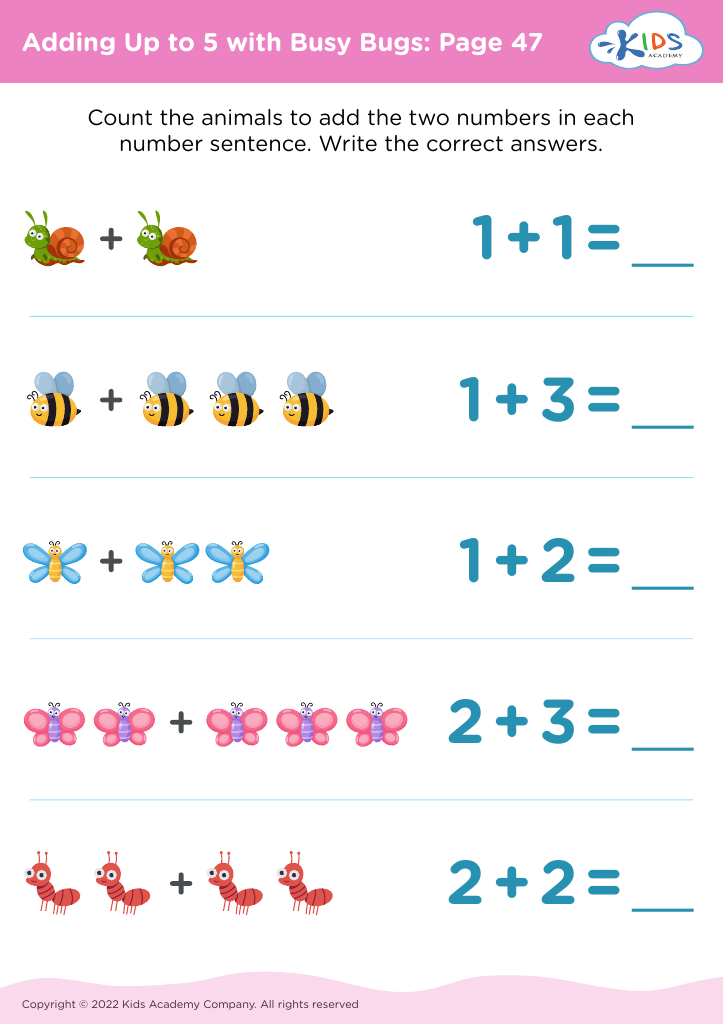
    Adding Up to 5 with Busy Bugs: Page 47
    Adding Up to 5 with Busy Bugs: Page 47
    Adding Up to 5 with Busy Bugs: Page 47
    Worksheet
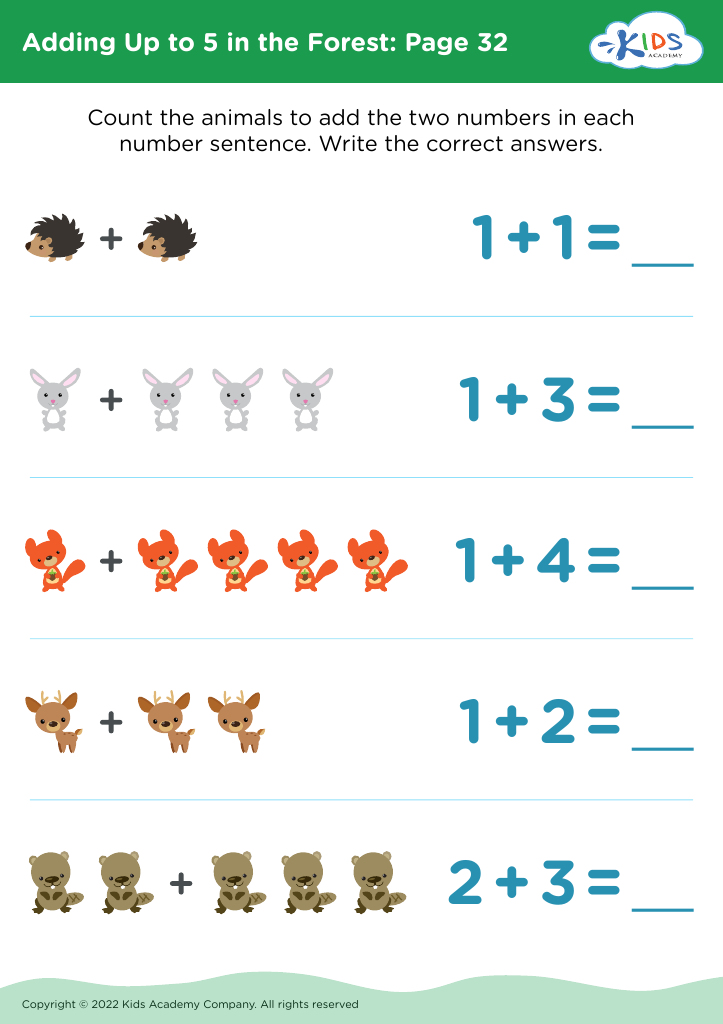
    Adding Up to 5 in the Forest: Page 32
    Adding Up to 5 in the Forest: Page 32
    Adding Up to 5 in the Forest: Page 32
    Worksheet
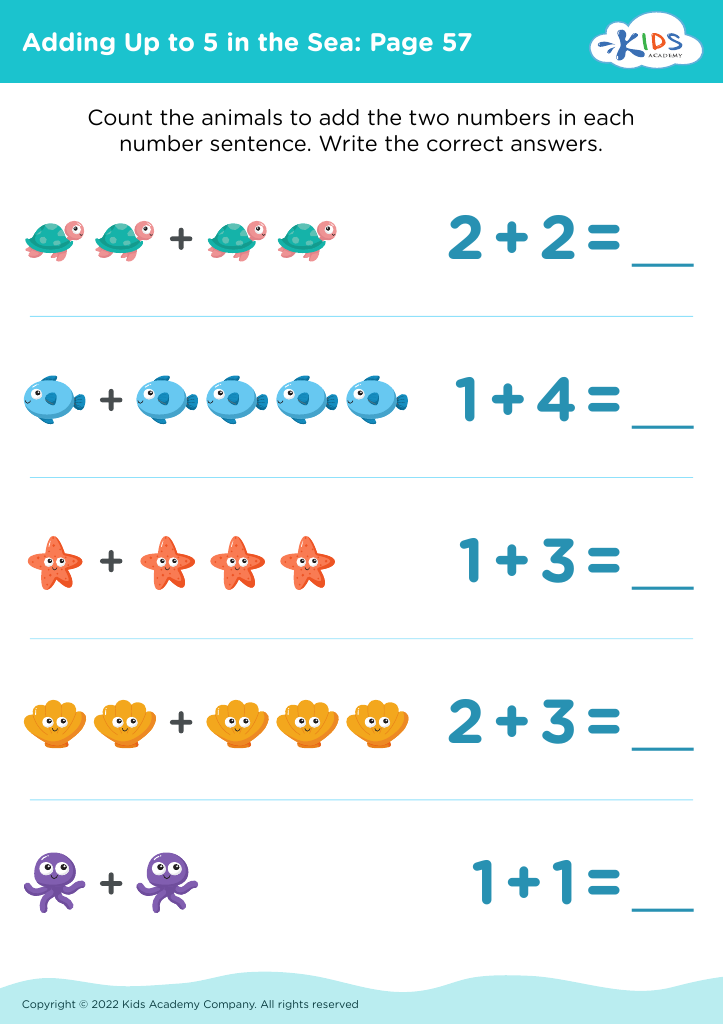
    Adding Up to 5 in the Sea: Page 57
    Adding Up to 5 in the Sea: Page 57
    Adding Up to 5 in the Sea: Page 57
    Worksheet
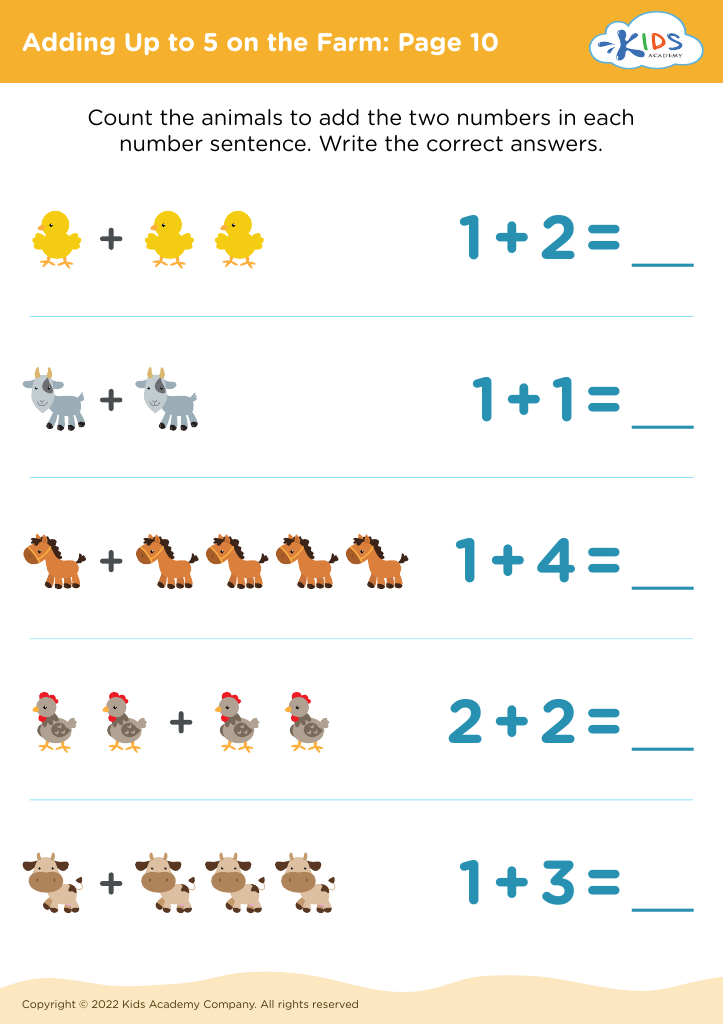
    Adding Up to 5 on the Farm: Page 10
    Adding Up to 5 on the Farm: Page 10
    Adding Up to 5 on the Farm: Page 10
    Worksheet
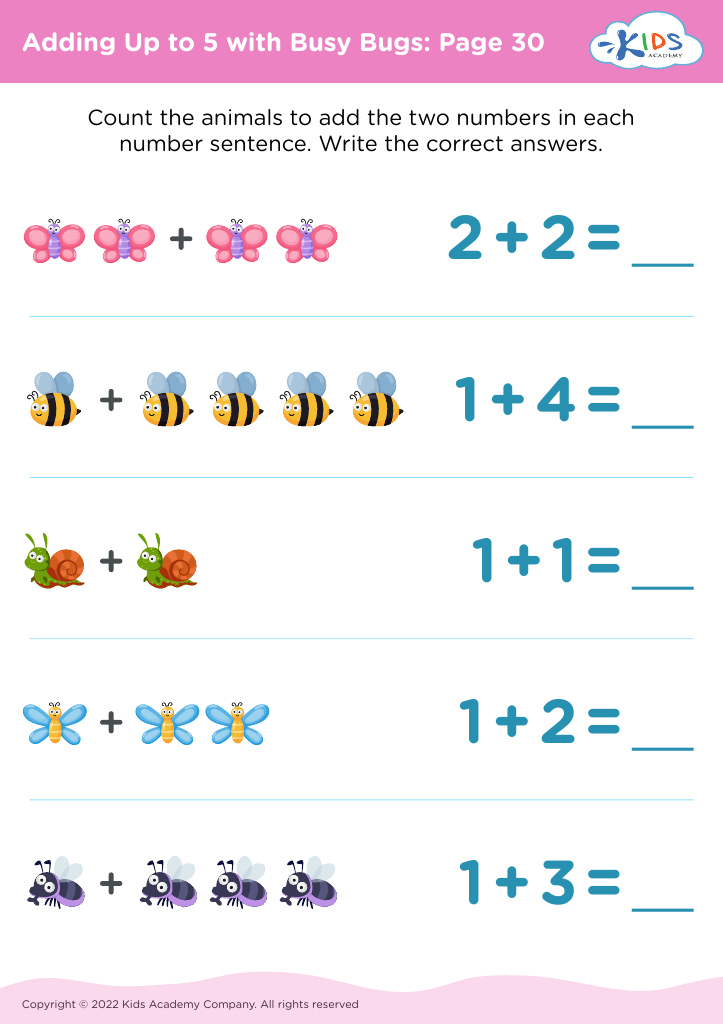
    Adding Up to 5 with Busy Bugs: Page 30
    Adding Up to 5 with Busy Bugs: Page 30
    Adding Up to 5 with Busy Bugs: Page 30
    Worksheet
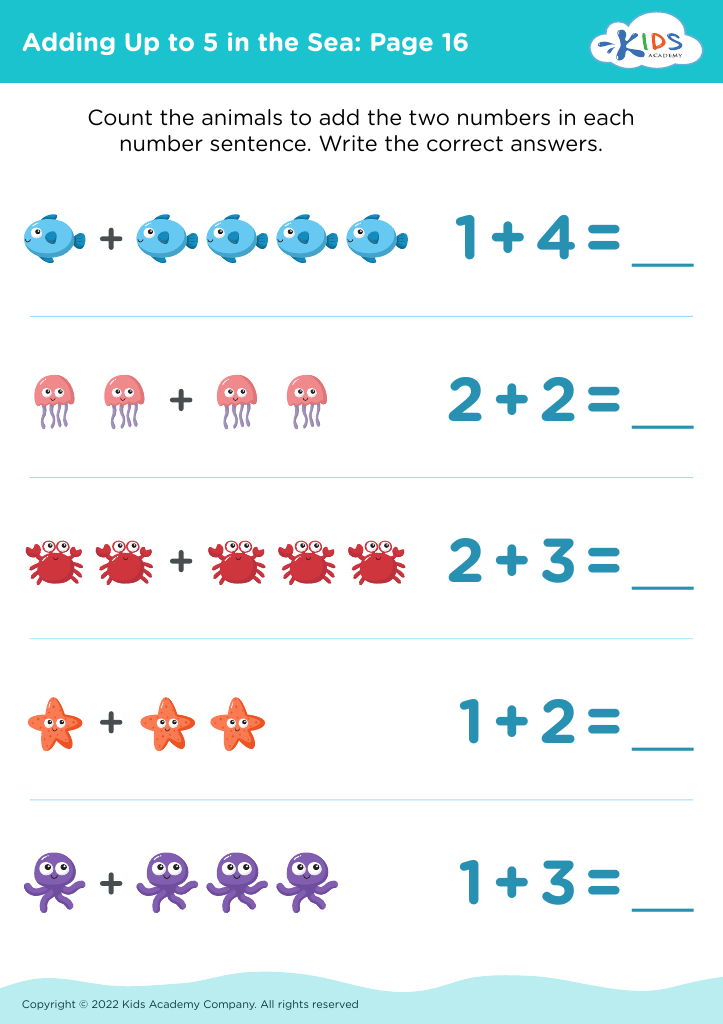
    Adding Up to 5 in the Sea: Page 16
    Adding Up to 5 in the Sea: Page 16
    Adding Up to 5 in the Sea: Page 16
    Worksheet
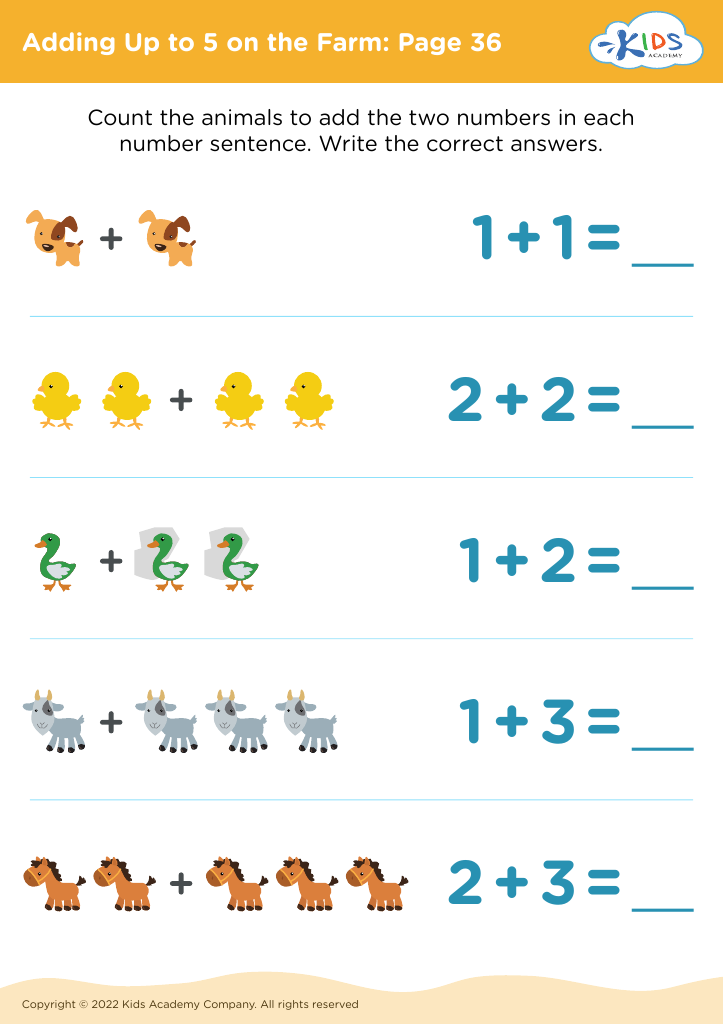
    Adding Up to 5 on the Farm: Page 36
    Adding Up to 5 on the Farm: Page 36
    Adding Up to 5 on the Farm: Page 36
    Worksheet
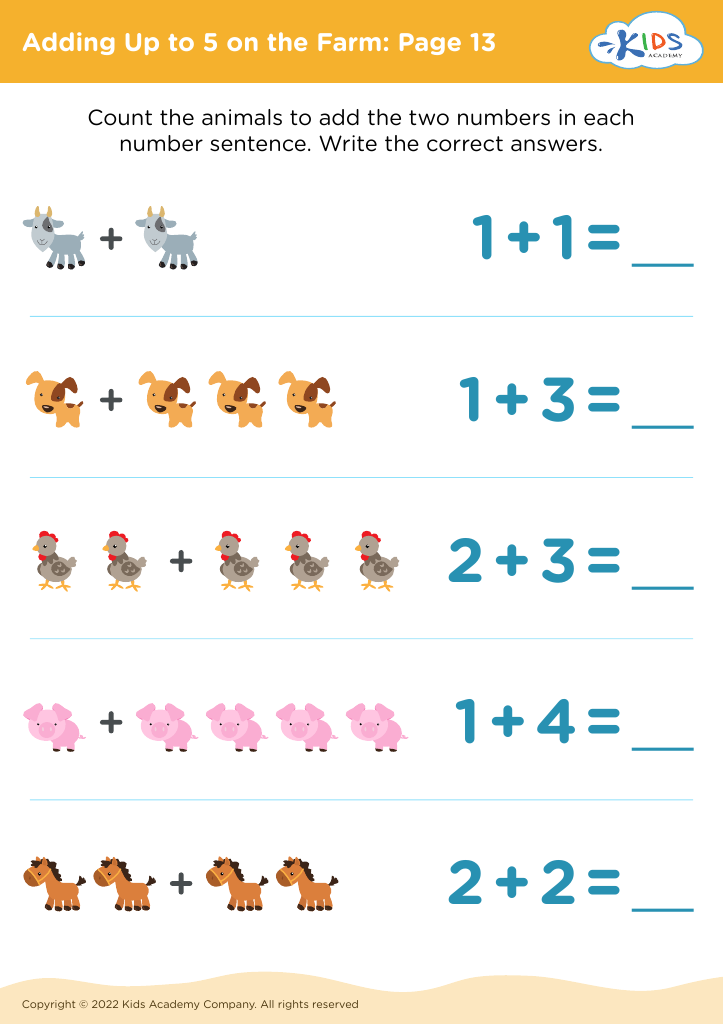
    Adding Up to 5 on the Farm: Page 13
    Adding Up to 5 on the Farm: Page 13
    Adding Up to 5 on the Farm: Page 13
    Worksheet
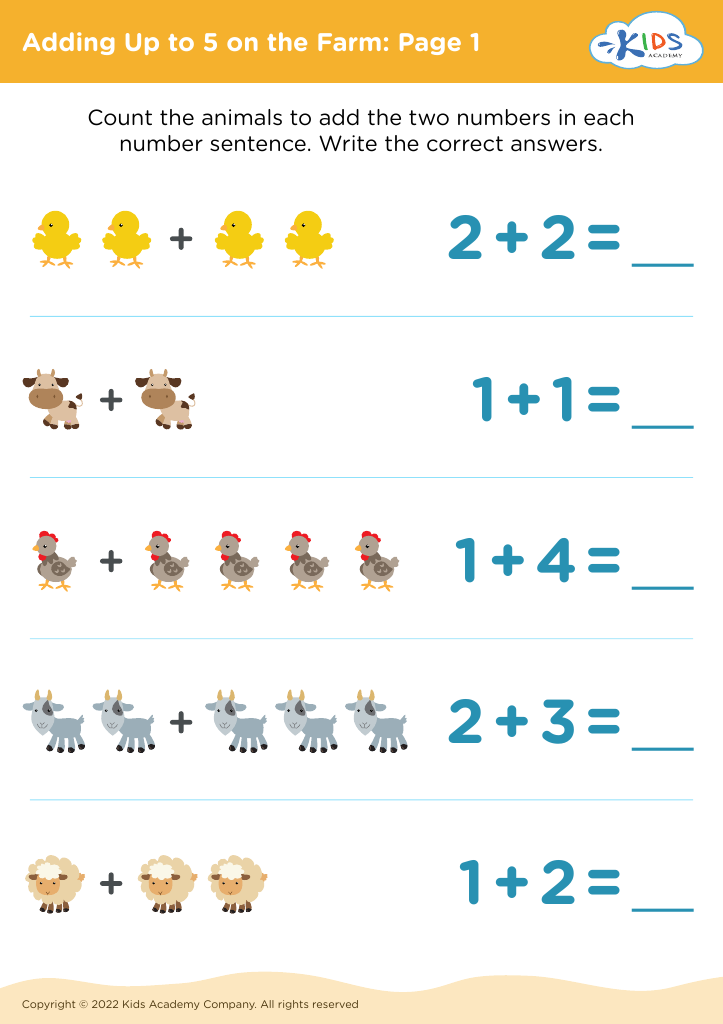
    Adding Up to 5 on the Farm: Page 1
    Adding Up to 5 on the Farm: Page 1
    Adding Up to 5 on the Farm: Page 1
    Worksheet
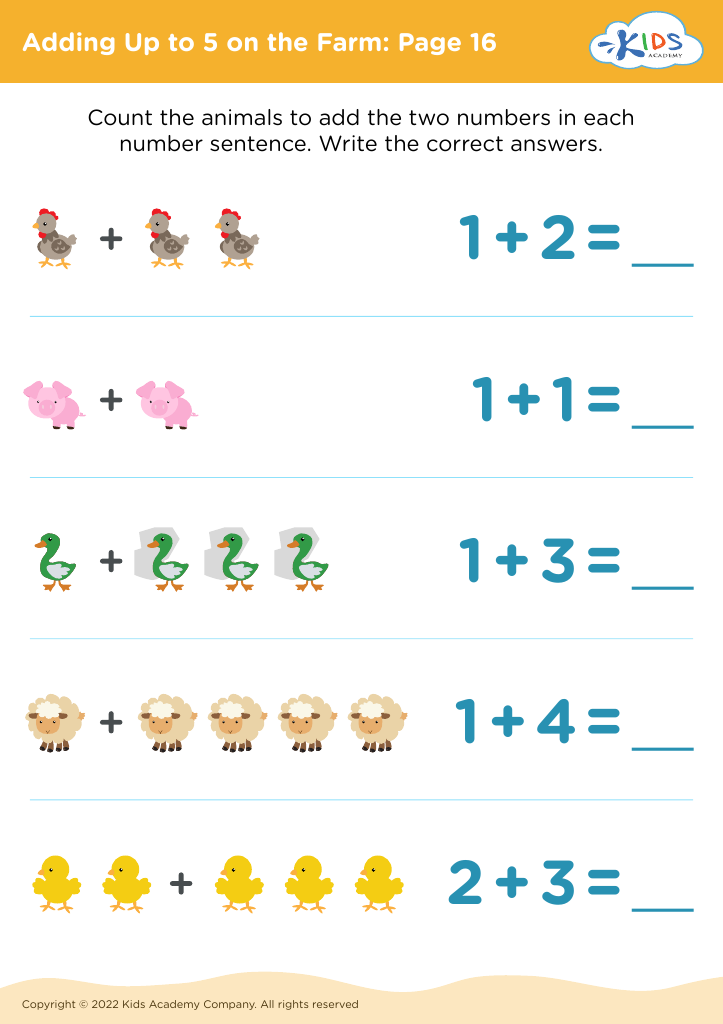
    Adding Up to 5 on the Farm: Page 16
    Adding Up to 5 on the Farm: Page 16
    Adding Up to 5 on the Farm: Page 16
    Worksheet
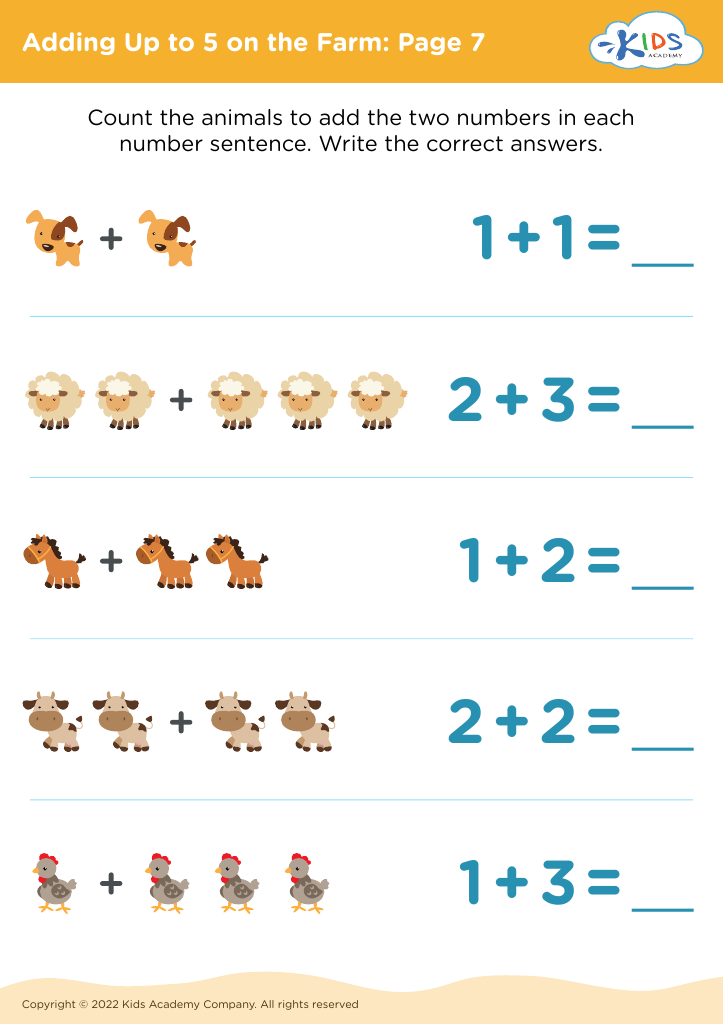
    Adding Up to 5 on the Farm: Page 7
    Adding Up to 5 on the Farm: Page 7
    Adding Up to 5 on the Farm: Page 7
    Worksheet
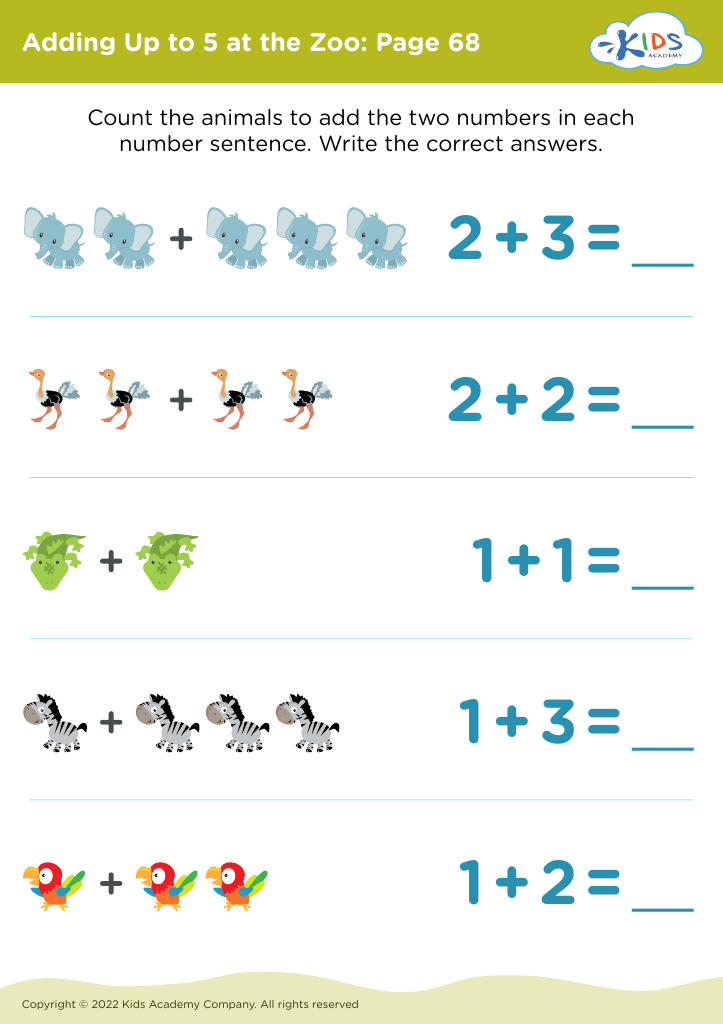
    Adding Up to 5 at the Zoo: Page 68
    Adding Up to 5 at the Zoo: Page 68
    Adding Up to 5 at the Zoo: Page 68
    Worksheet
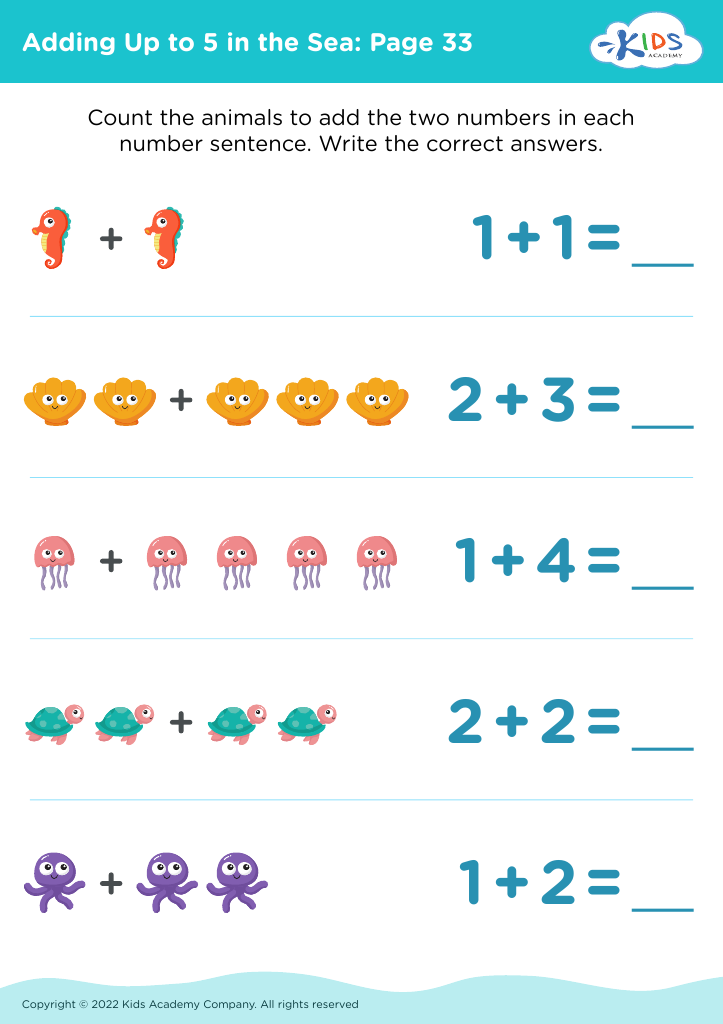
    Adding Up to 5 in the Sea: Page 33
    Adding Up to 5 in the Sea: Page 33
    Adding Up to 5 in the Sea: Page 33
    Worksheet
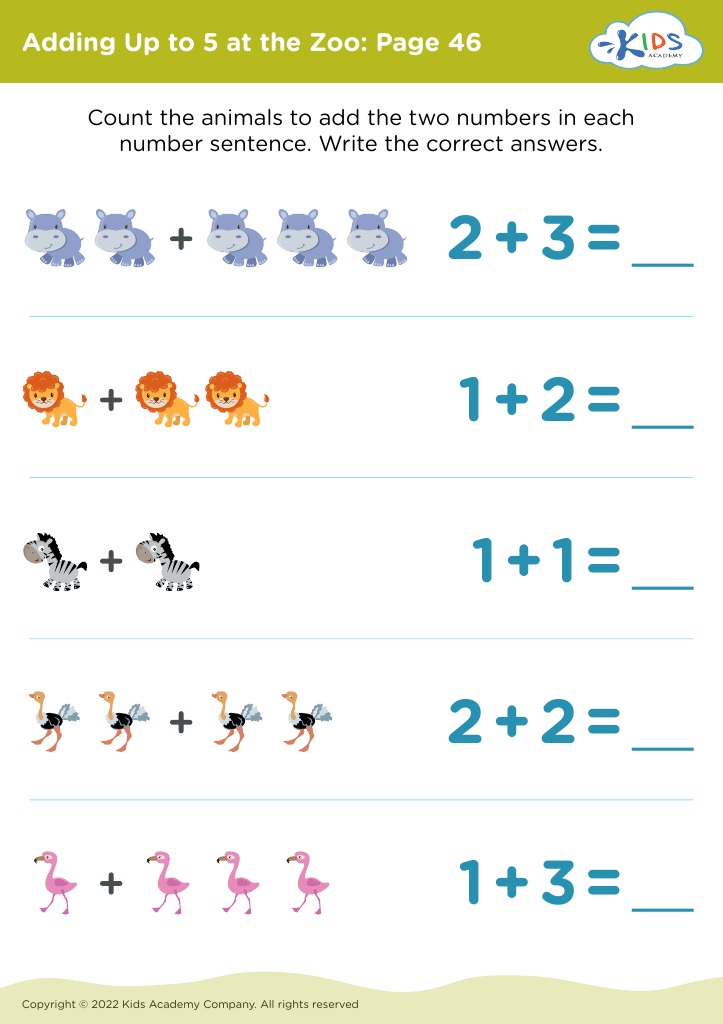
    Adding Up to 5 at the Zoo: Page 46
    Adding Up to 5 at the Zoo: Page 46
    Adding Up to 5 at the Zoo: Page 46
    Worksheet
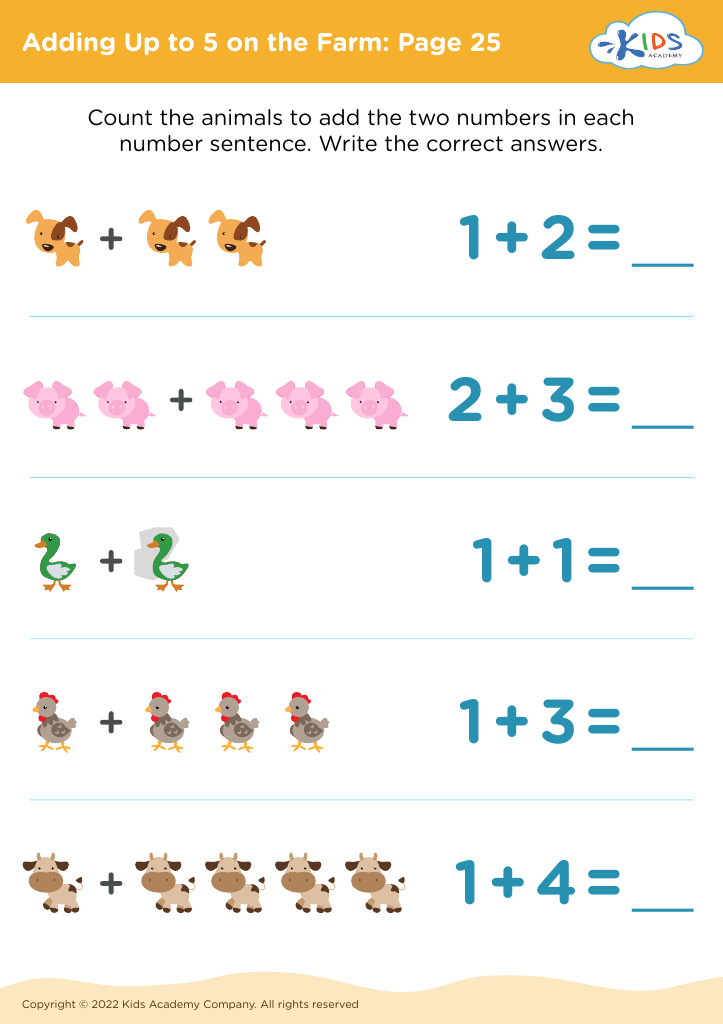
    Adding Up to 5 on the Farm: Page 25
    Adding Up to 5 on the Farm: Page 25
    Adding Up to 5 on the Farm: Page 25
    Worksheet
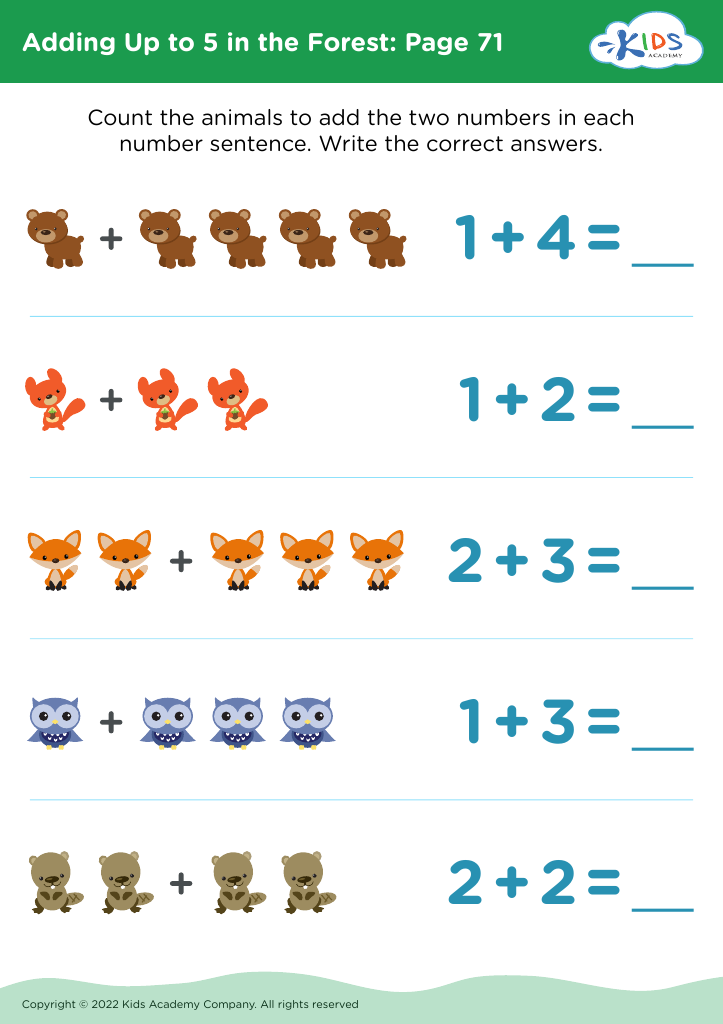
    Adding Up to 5 in the Forest: Page 71
    Adding Up to 5 in the Forest: Page 71
    Adding Up to 5 in the Forest: Page 71
    Worksheet
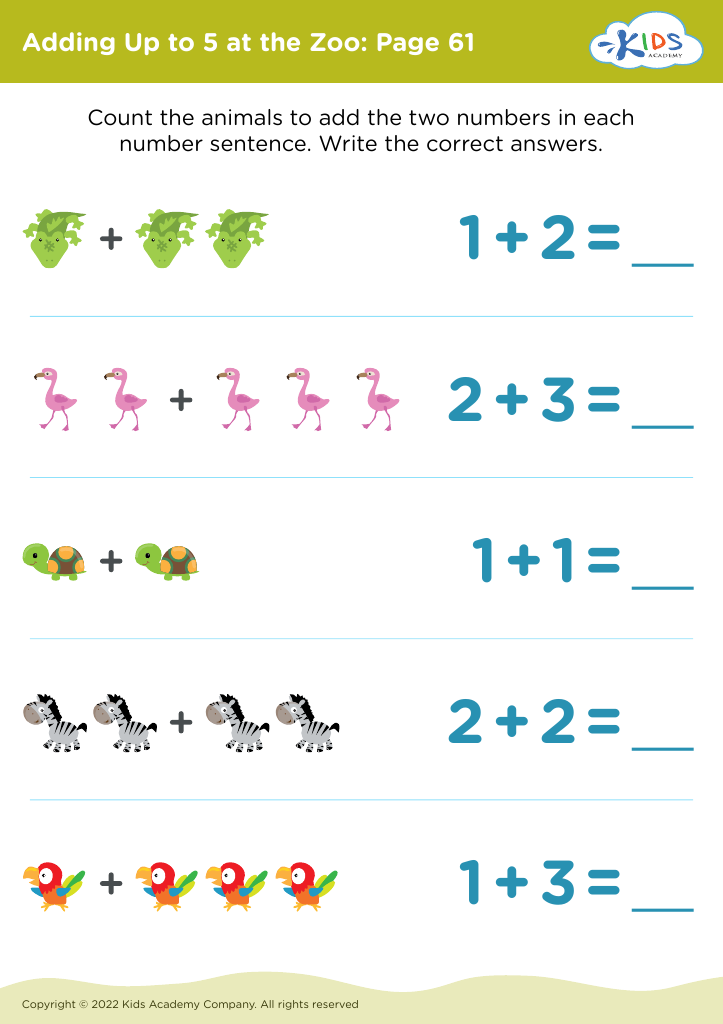
    Adding Up to 5 at the Zoo: Page 61
    Adding Up to 5 at the Zoo: Page 61
    Adding Up to 5 at the Zoo: Page 61
    Worksheet


    Number recognition and the ability to add up to 5 are foundational skills for children aged 5-9, forming the basis for more complex mathematical concepts. For parents and teachers, fostering these skills is crucial for several reasons.

    Firstly, number recognition enhances literacy not only in mathematics but across disciplines; it supports reading and language development as children learn to recognize numerical symbols in everyday contexts. Secondly, mastering addition up to 5 equips children with essential problem-solving skills. This foundational knowledge enables students to tackle more challenging arithmetic in later grades, setting a strong precedent for their academic success.

    Additionally, early mastery of these skills instills confidence in children, encouraging a positive attitude toward mathematics. When children feel comfortable with basic concepts, they are more likely to engage and participate in activities centered around numbers, equipping them to navigate social experiences, games, and daily scenarios that require counting and basic calculations.

    For parents and teachers, focusing on number recognition and simple addition is an investment in lifelong mathematical understanding. By creating a solid foundation during these formative years, we help children build vital cognitive skills that will serve them well throughout their educational journey and beyond.