Basic Math Skills Addition & Subtraction Worksheets for Ages 5-9 - Page 2
97 filtered results
-
From - To
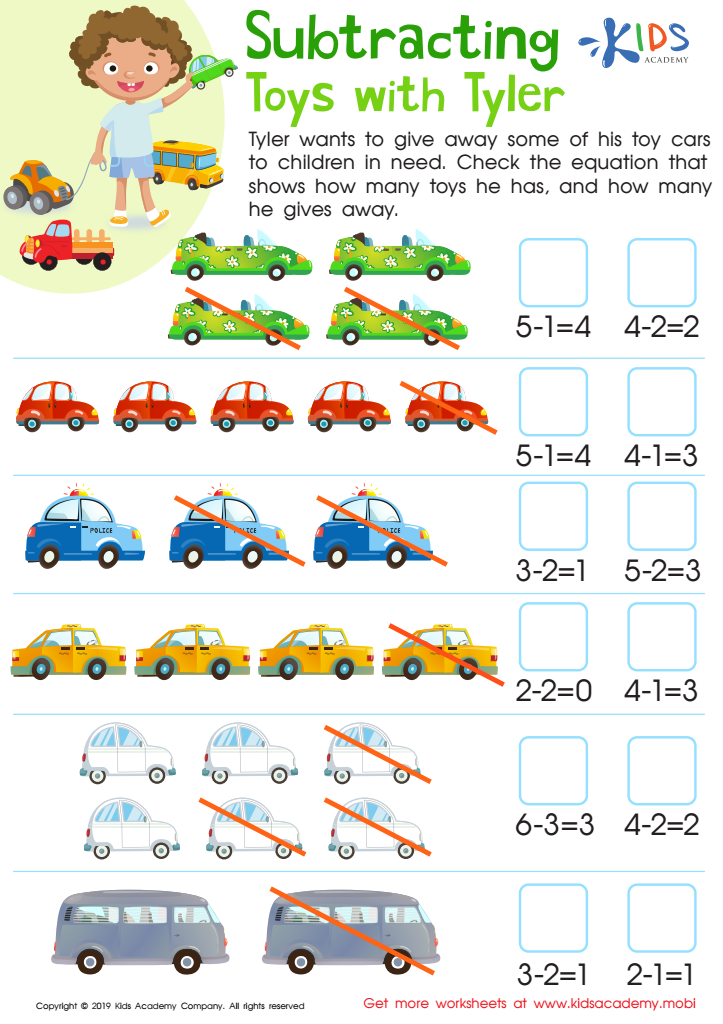
Subtracting Toys with Tyler Worksheet
 Assign to My Students
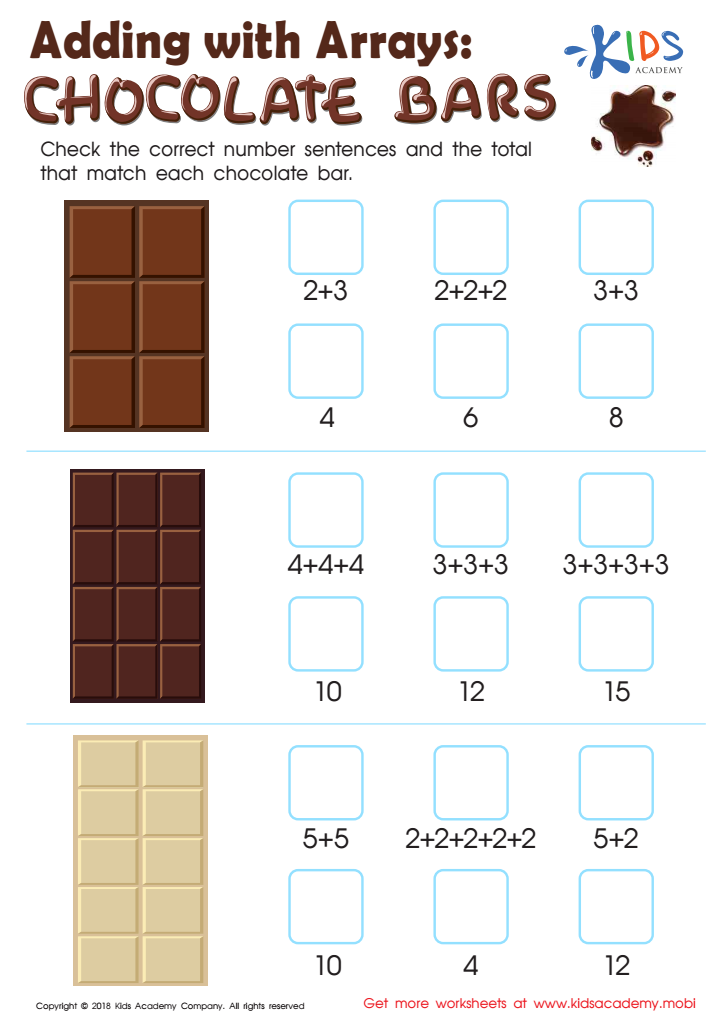
Adding with Arrays: Chocolate Bars Worksheet
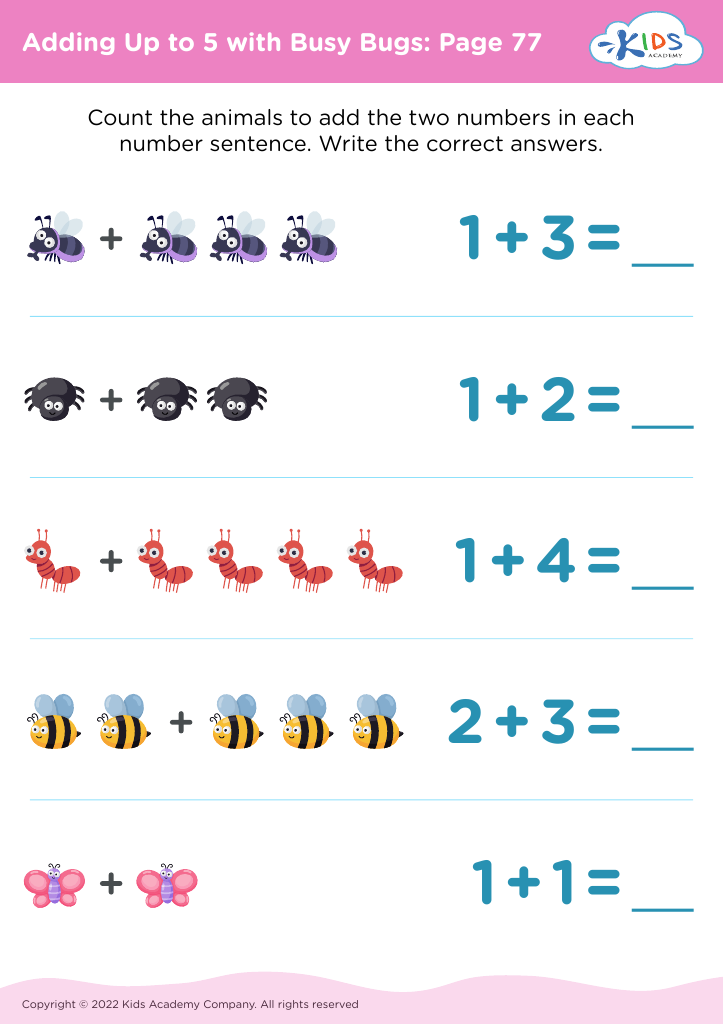
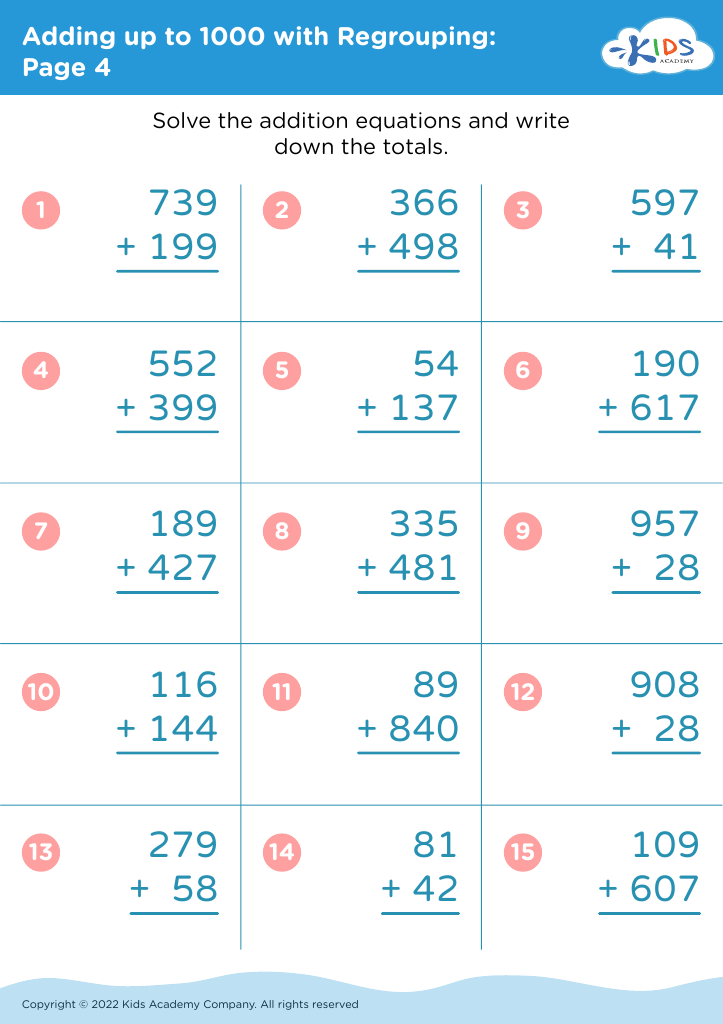
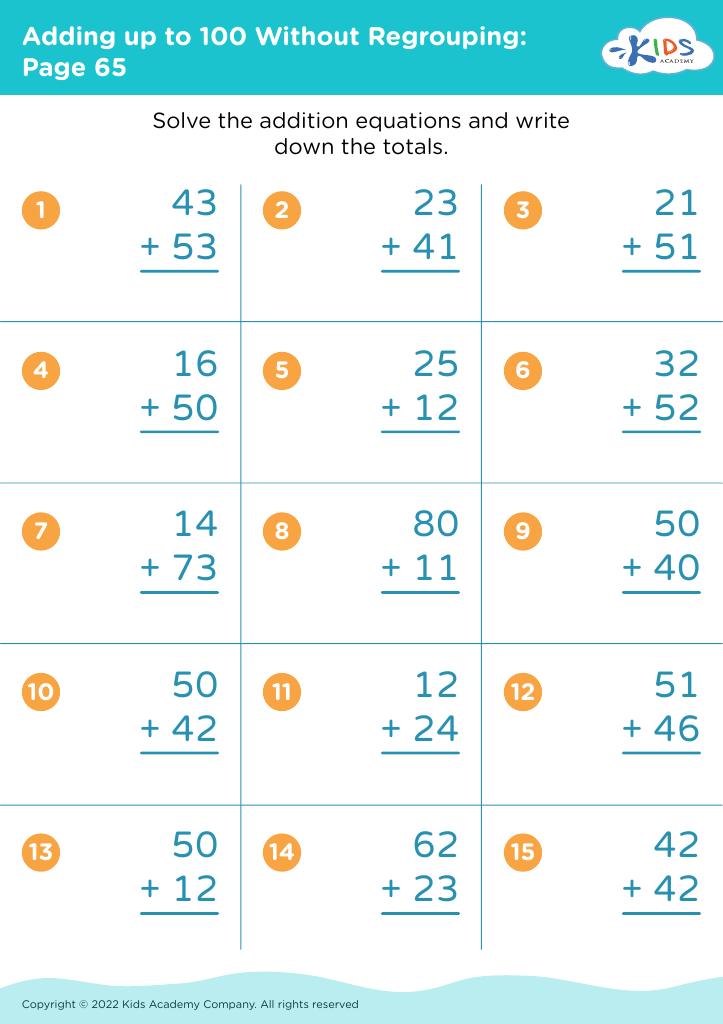
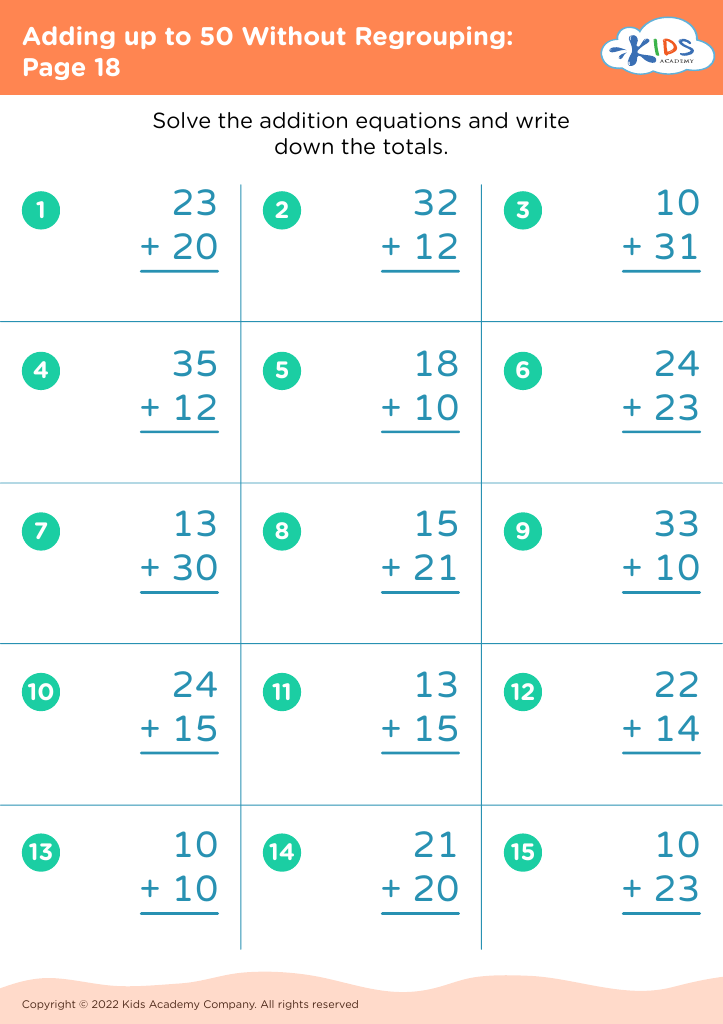
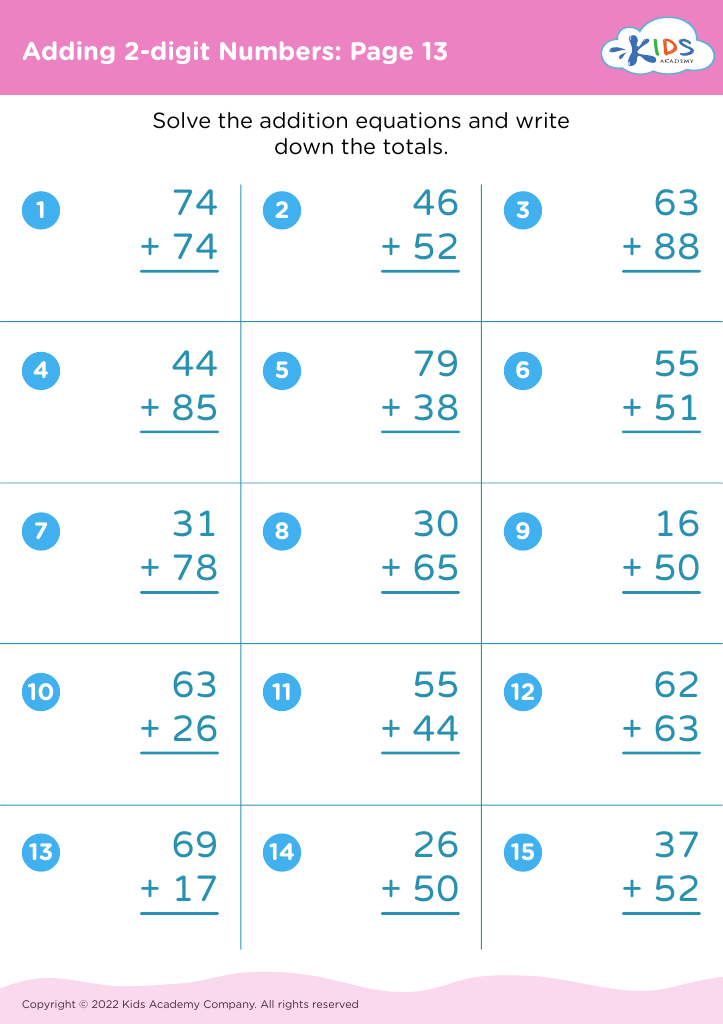
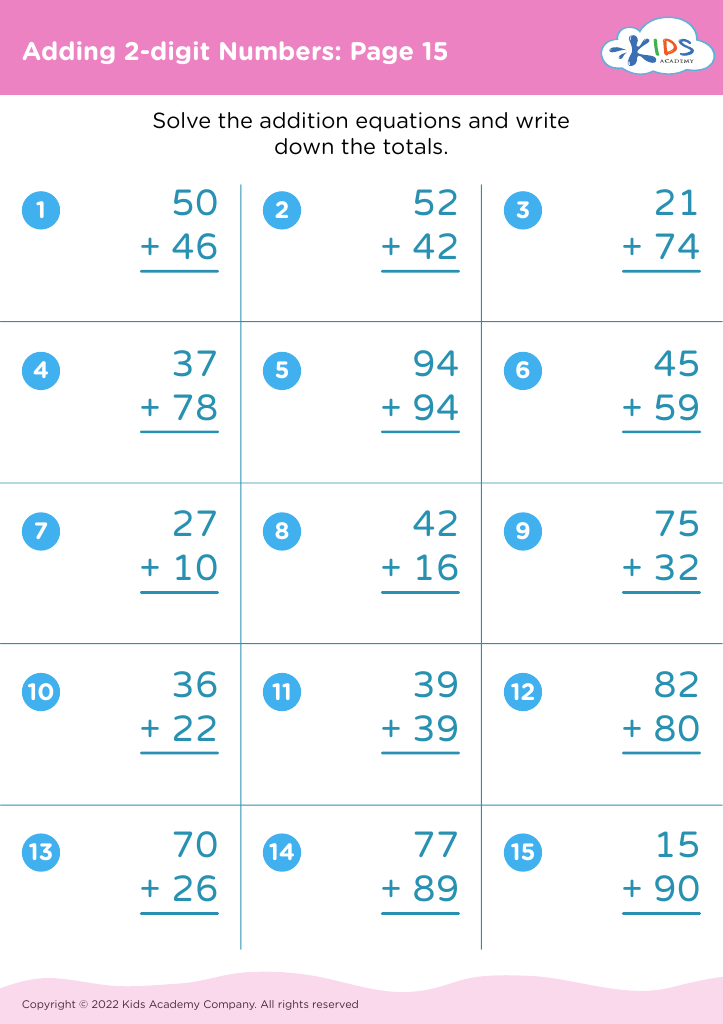
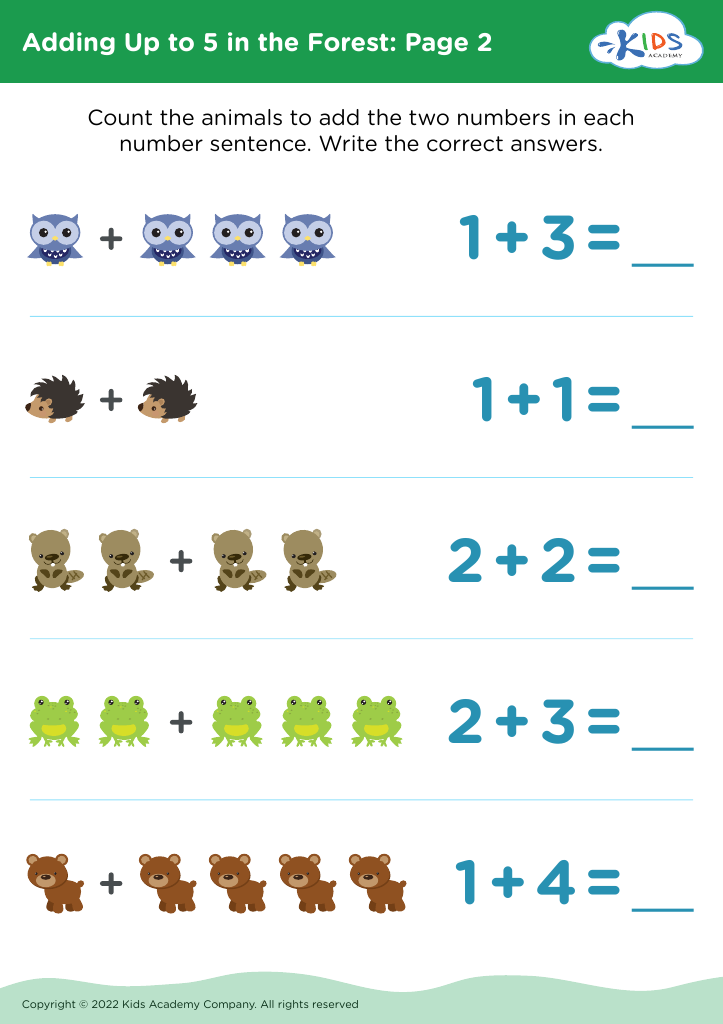
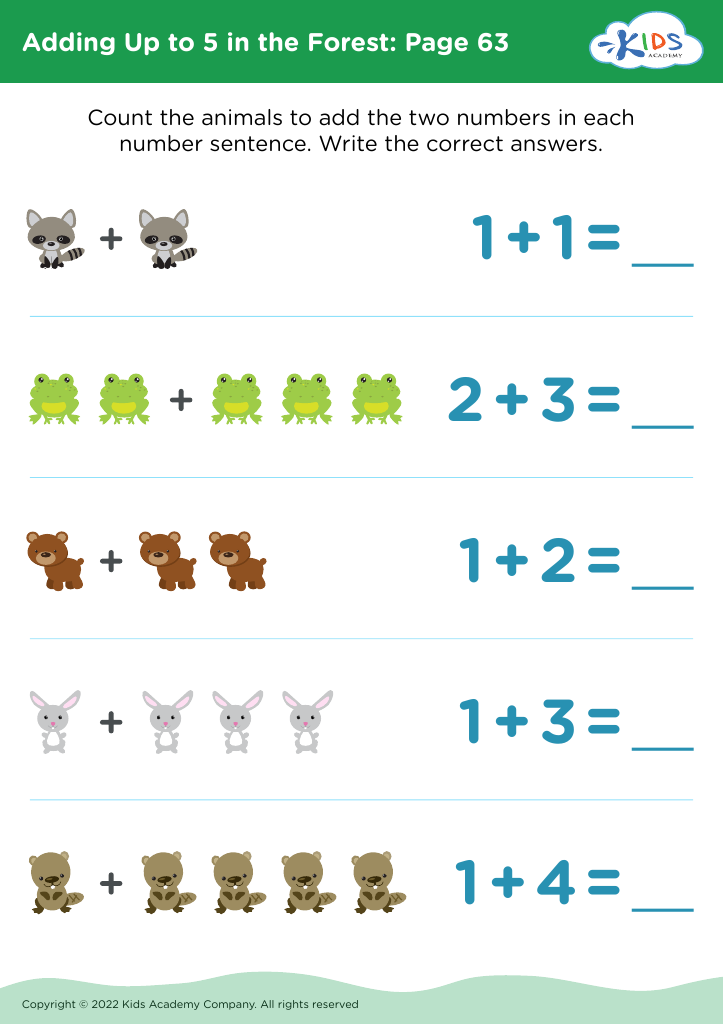
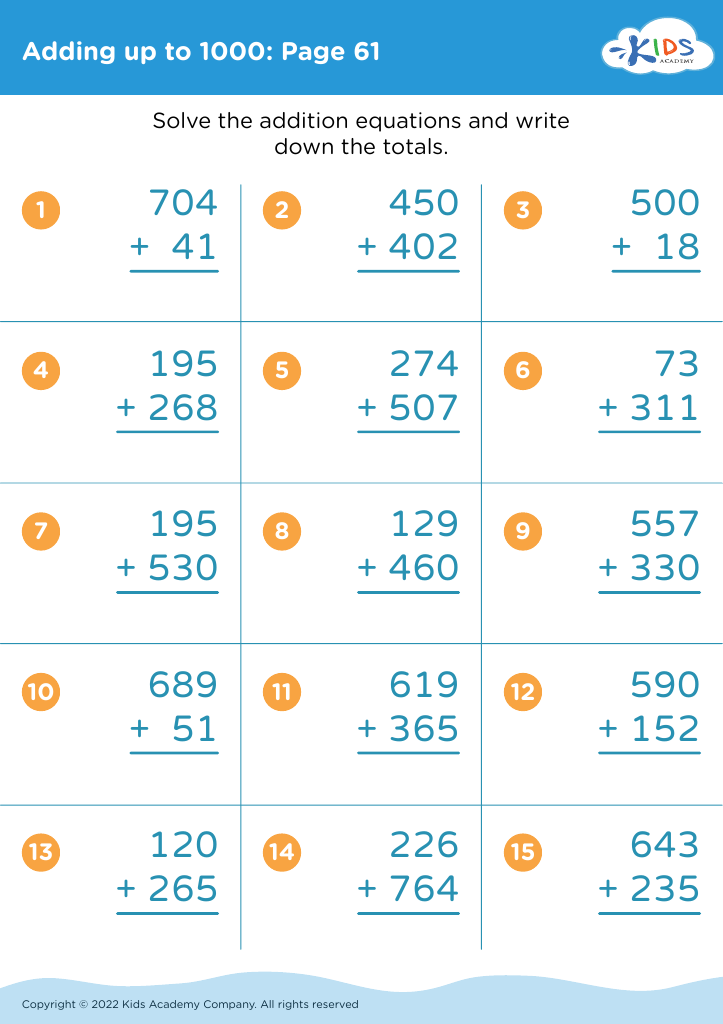
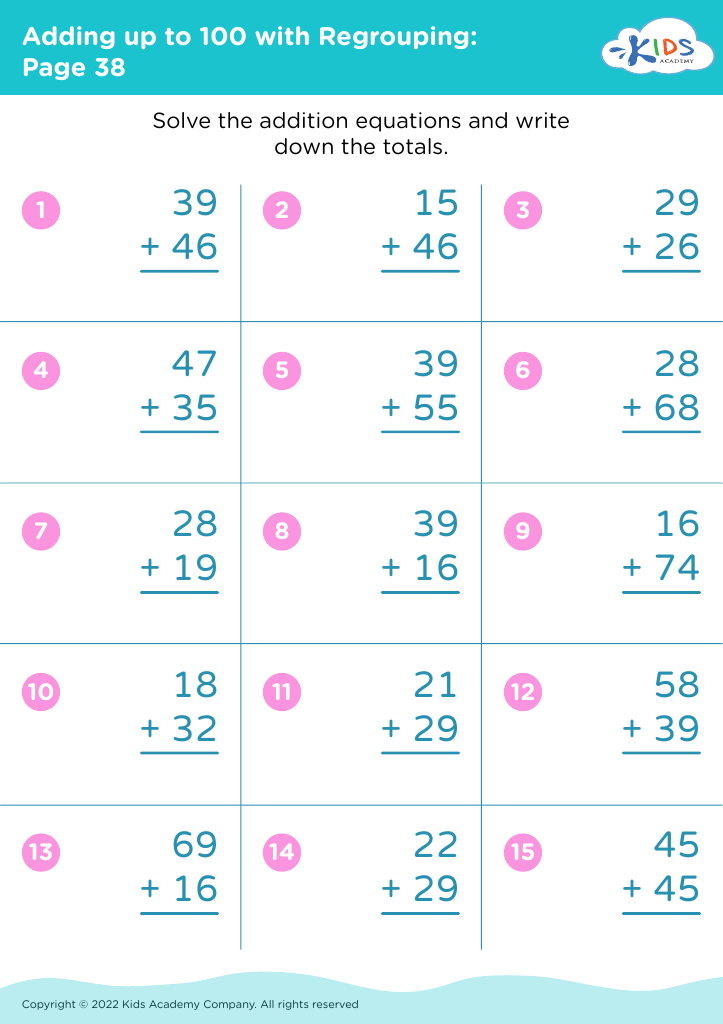
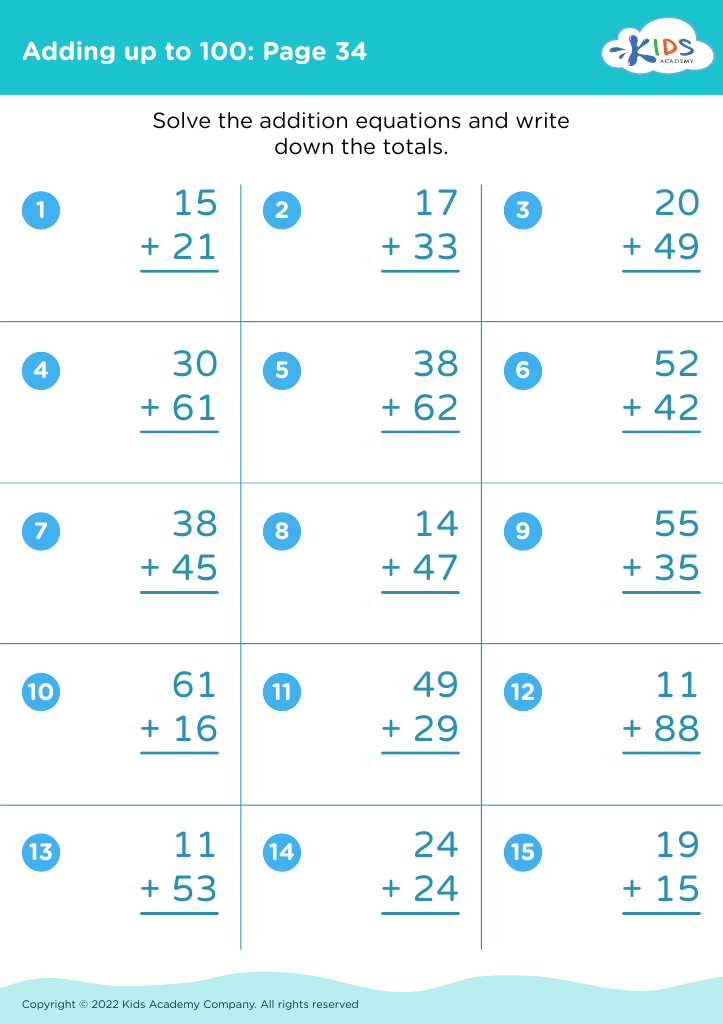
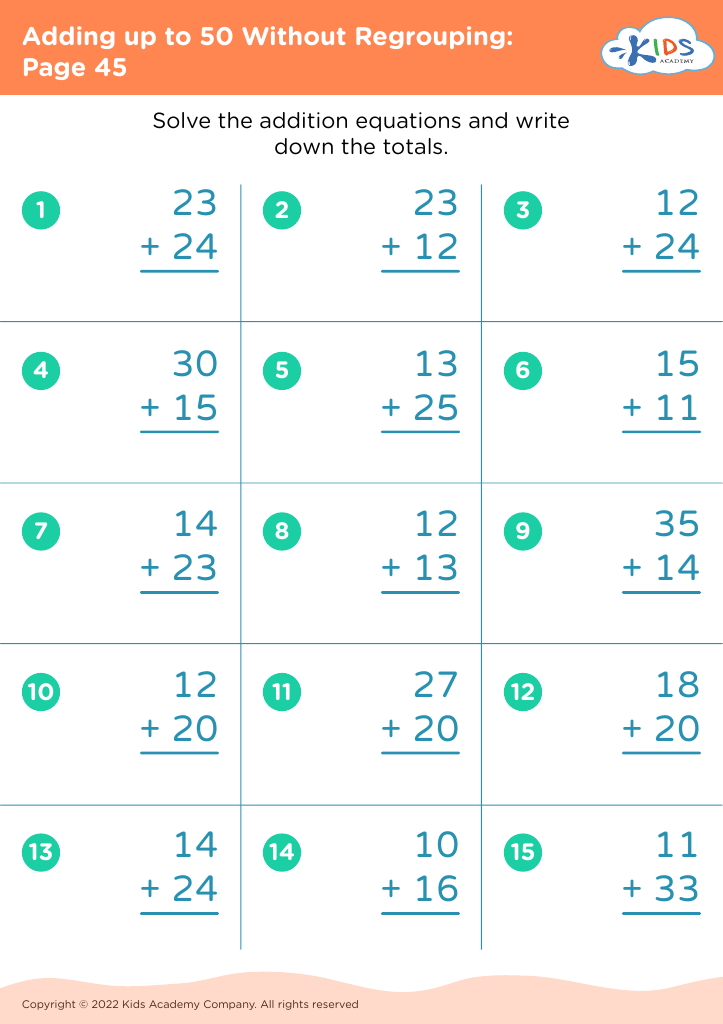
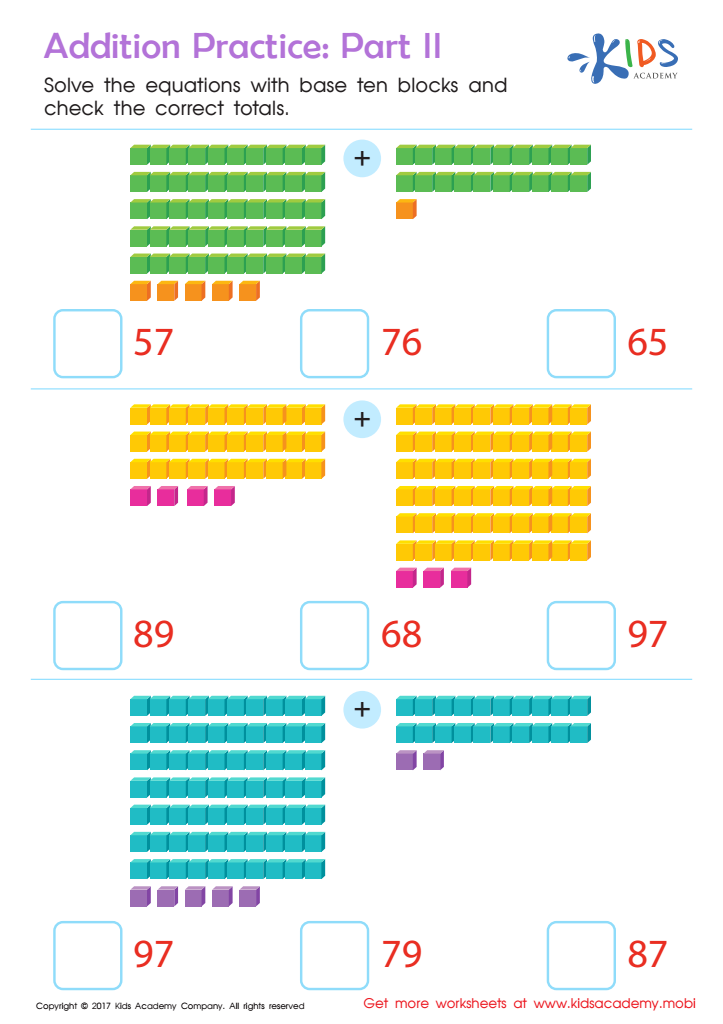
Addition Practice Sheet: Part 2
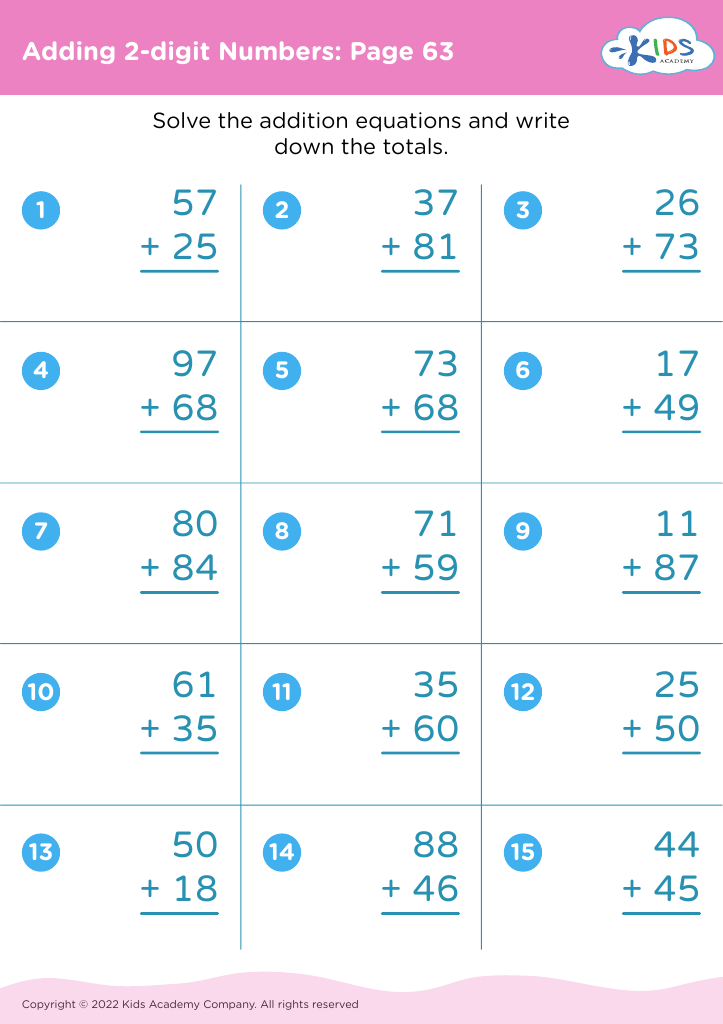
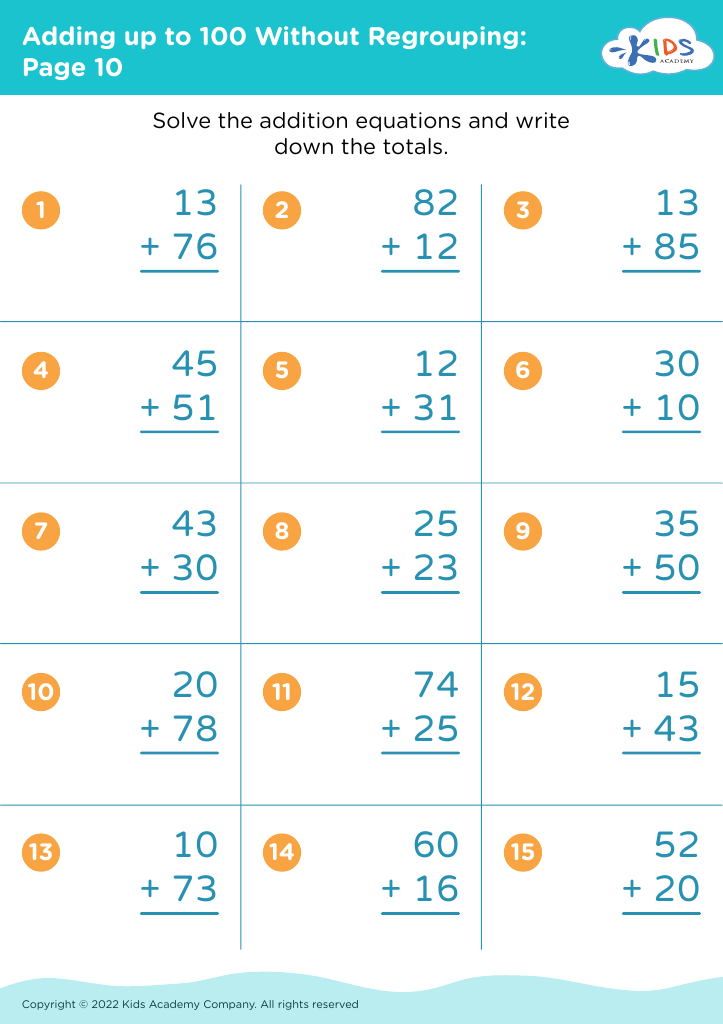
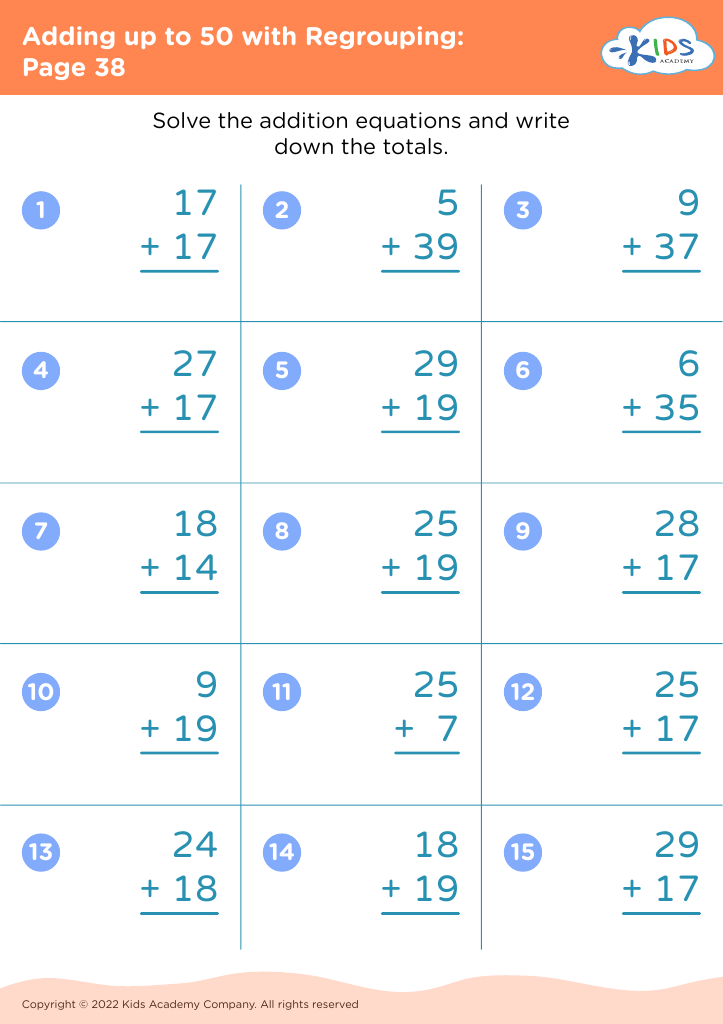
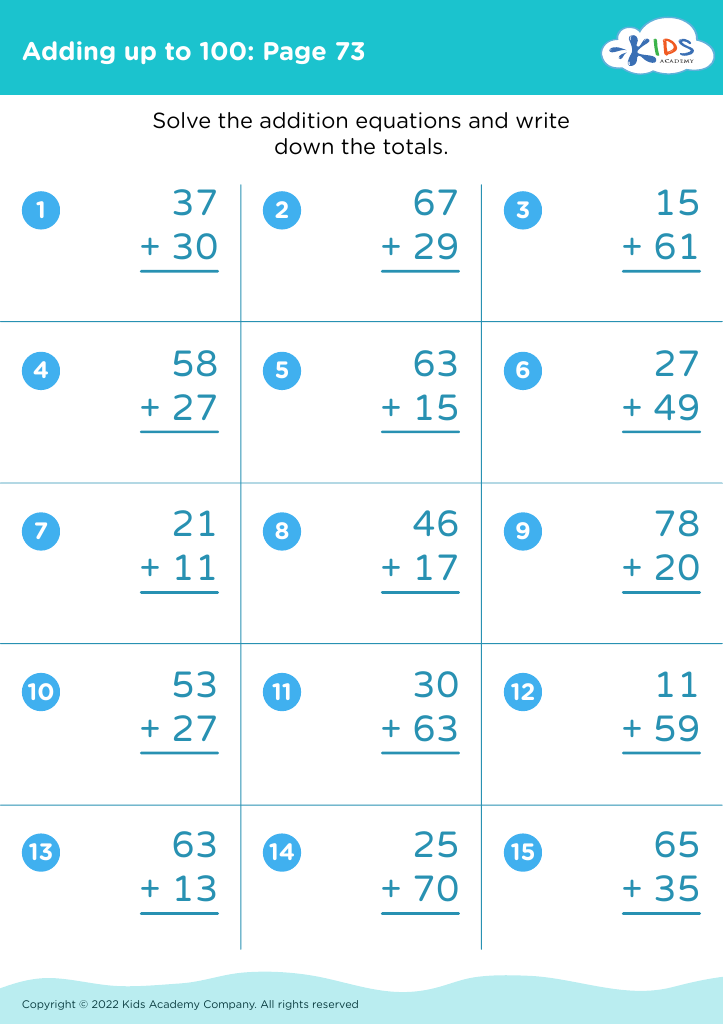
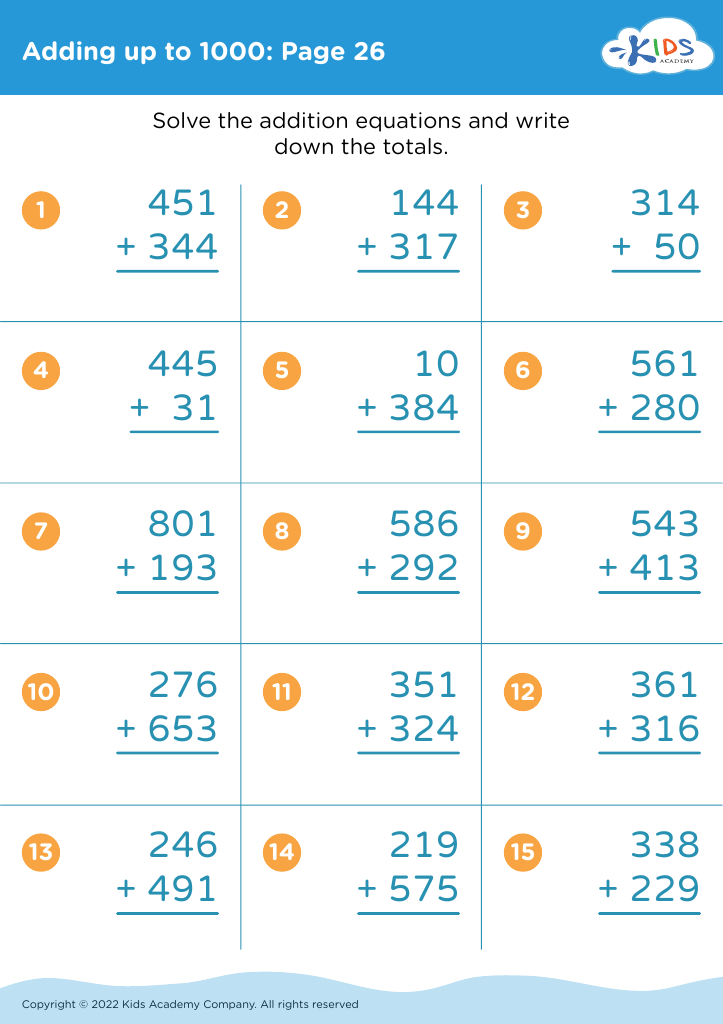
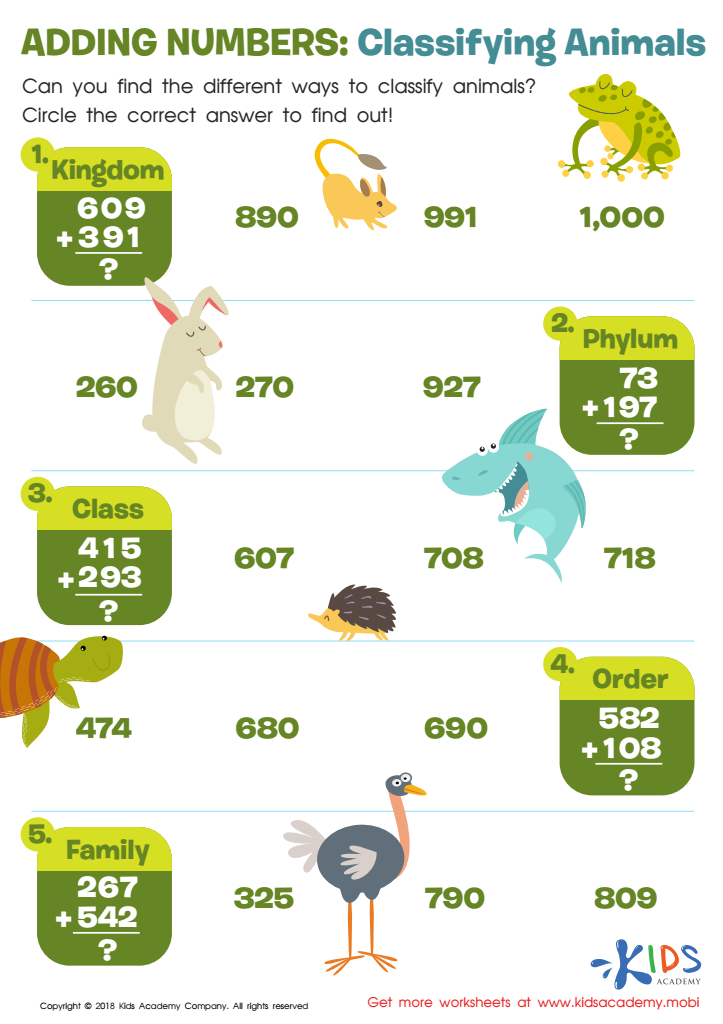
Adding Numbers: Classifying Animals Worksheet
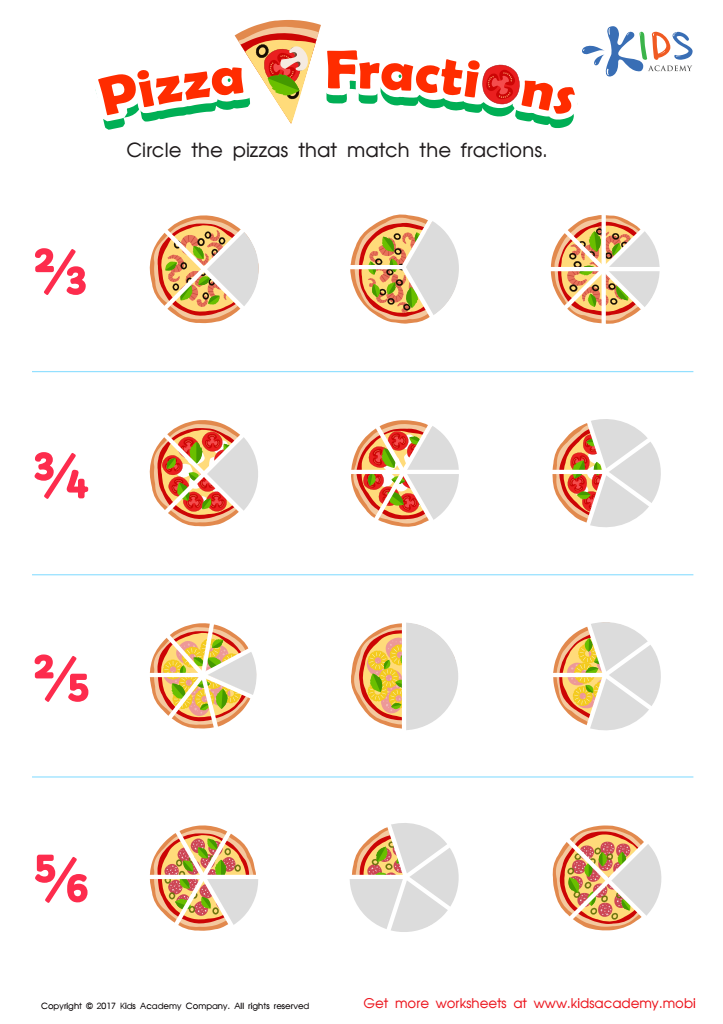
Fractions: Pizza Printable
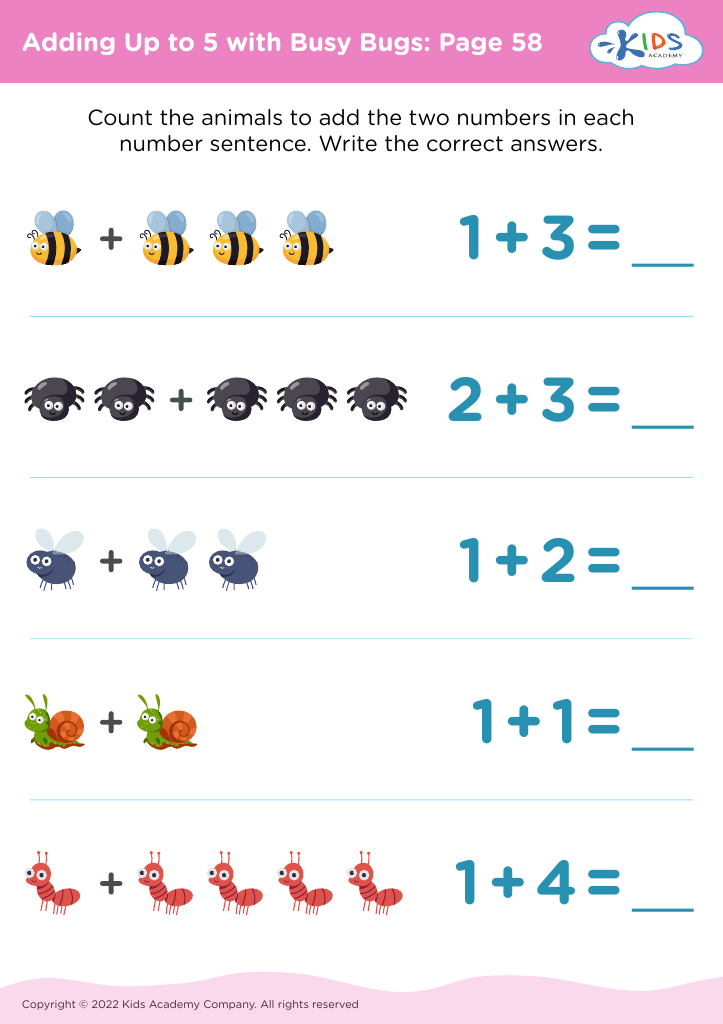
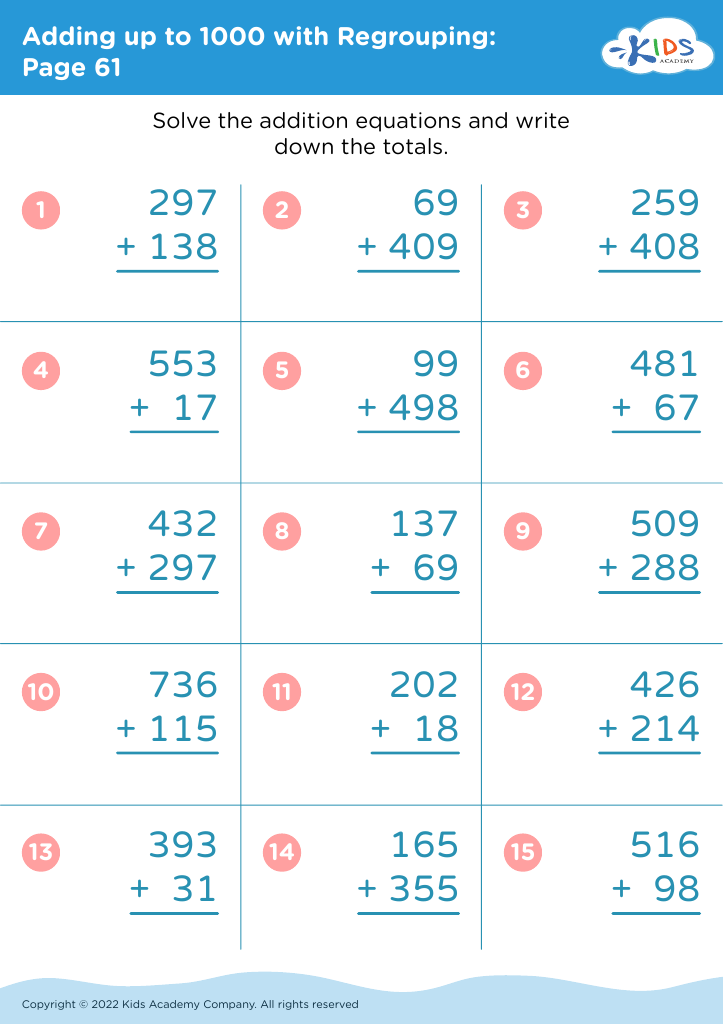



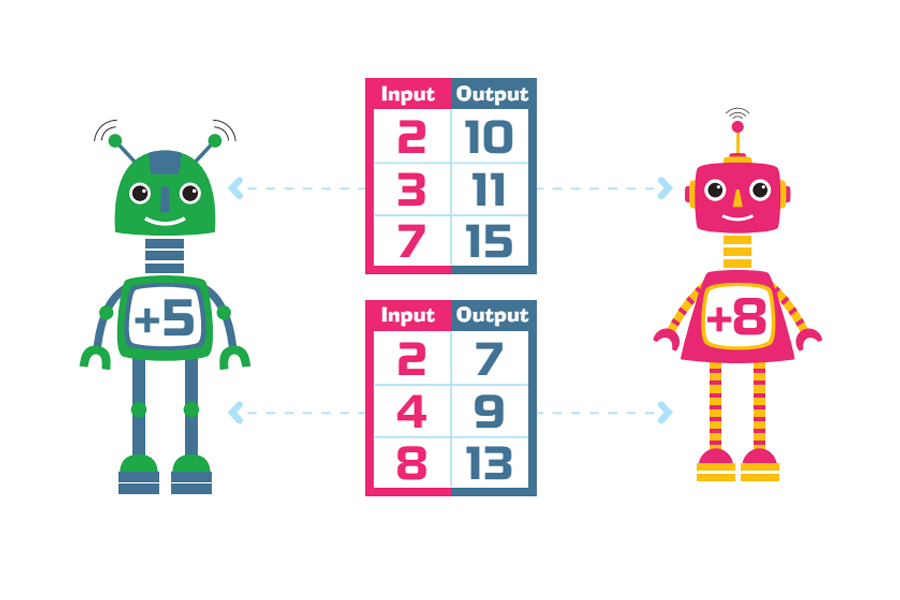




Basic math skills, specifically addition and subtraction, are foundational building blocks for children's cognitive development and future academic success. When children between the ages of 5 to 9 master these skills, they develop critical thinking and problem-solving abilities, which extend beyond math. Engaging with basic math lays the groundwork for understanding more complex mathematical concepts such as multiplication, division, and fractions, which are introduced in later grades.
Moreover, proficiency in addition and subtraction enhances numerical literacy, an essential life skill. Children who can efficiently perform basic arithmetic are better equipped to handle everyday tasks like managing money, telling time, and measuring ingredients in recipes. This competence fosters confidence and independence.
Early math education also strengthens brain development. Research indicates that early experiences with math promote neural connectivity in regions of the brain associated with logical reasoning and spatial awareness, which are crucial for success in STEM (Science, Technology, Engineering, and Mathematics) fields later in life.
Furthermore, continuous practice reinforces a sense of discipline and patience, while successfully overcoming math challenges builds resilience and a positive attitude towards learning. Therefore, parents and teachers should prioritize the development of basic addition and subtraction skills, as these are inseparable from a child's educational and personal growth.








