Fine motor skills development Addition & Subtraction Worksheets for Ages 5-9
3 filtered results
-
From - To
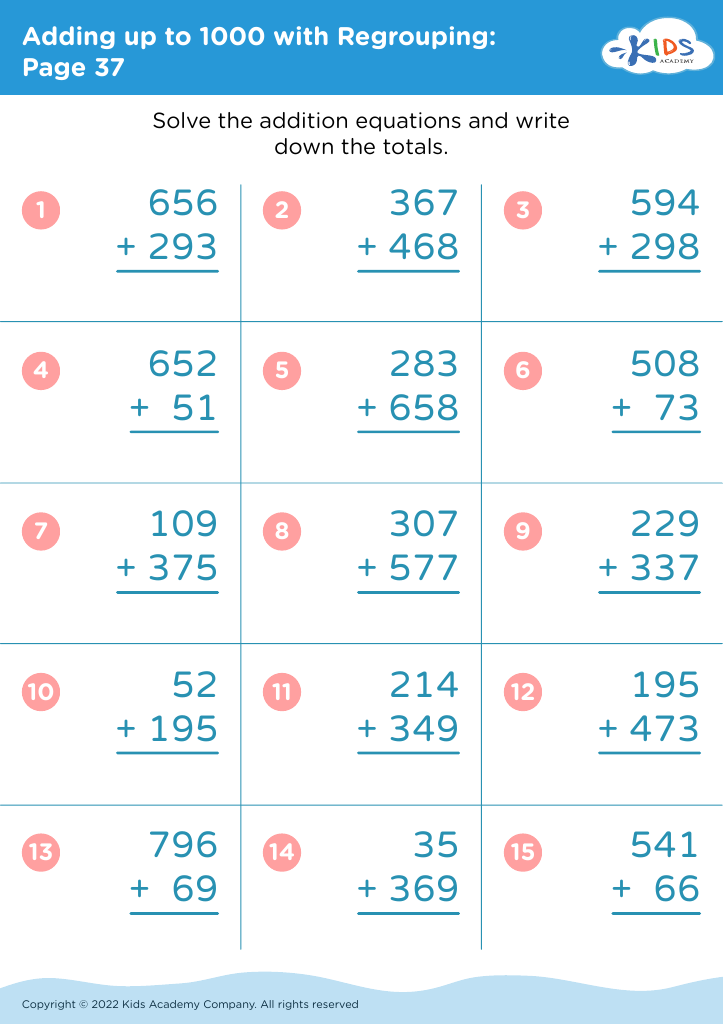
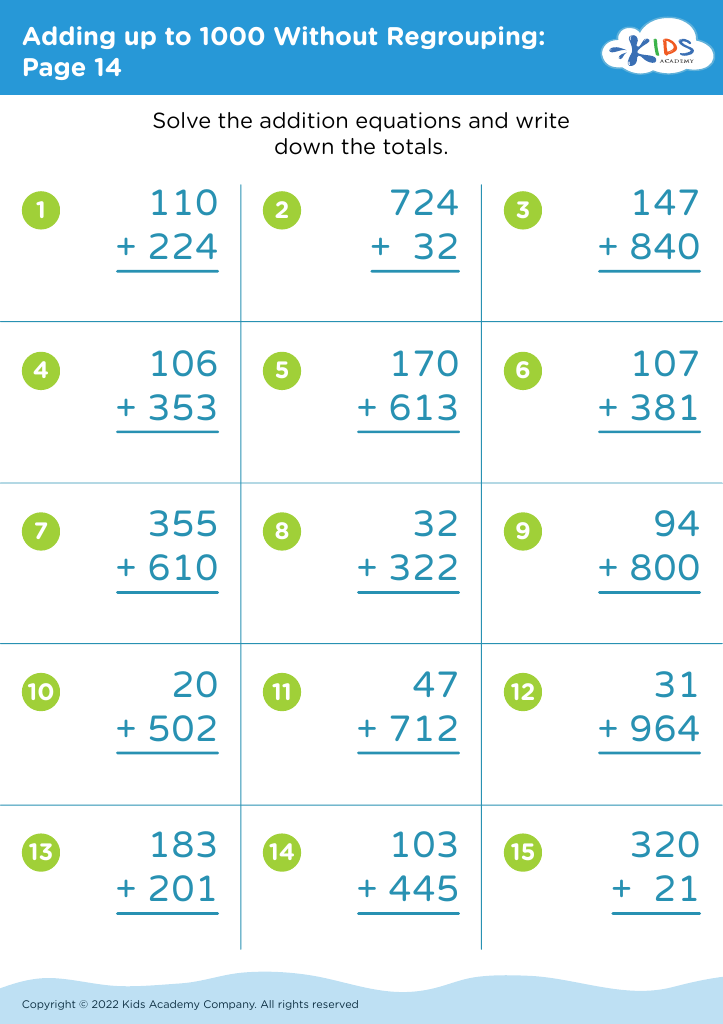
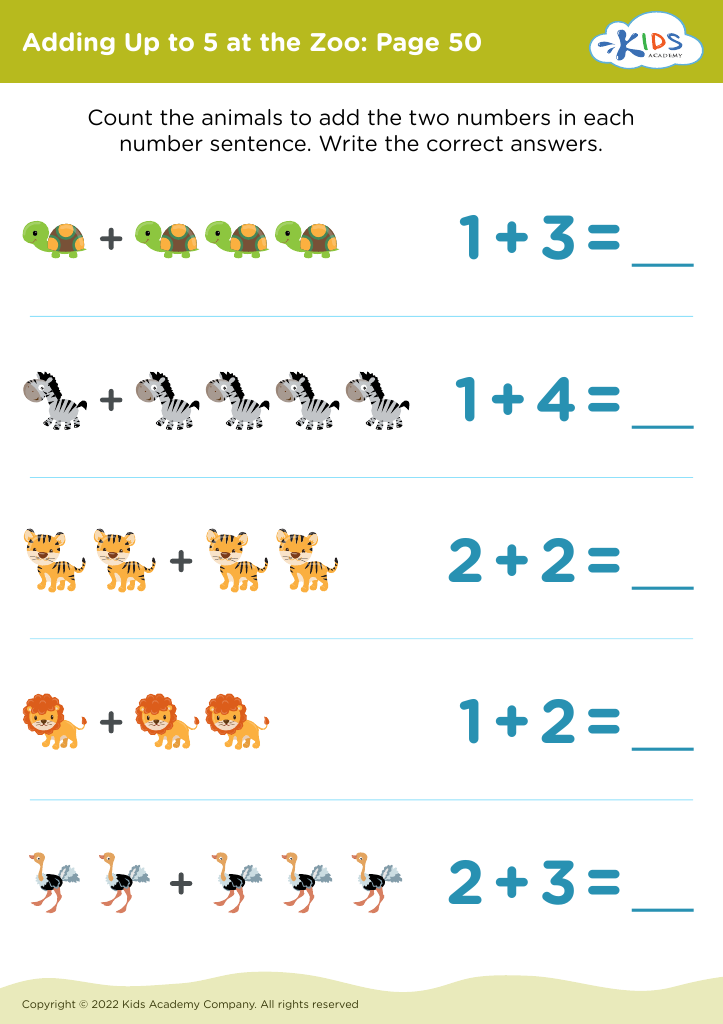
Discover our engaging Fine Motor Skills Development Worksheets designed for children aged 5-9, featuring fun addition and subtraction exercises! These printable worksheets not only strengthen essential math skills but also promote fine motor development through cutting, drawing, and writing activities. Each worksheet incorporates vibrant designs and age-appropriate challenges that make learning math enjoyable and interactive. Perfect for teachers, parents, and homeschooling, our resources ensure young learners build confidence and proficiency in math while enhancing dexterity and coordination. Help your child excel in mathematics and fine motor skills with our expertly crafted worksheets today! Access them easily online and watch your little mathematician thrive.








Fine motor skills development is crucial for children aged 5-9 as it significantly impacts their ability to perform tasks essential for academic success and everyday life. These skills, involving coordination of small muscles in the hands and fingers, are foundational for activities such as writing, drawing, and self-care tasks like buttoning or zipping clothing. For parents and teachers, fostering fine motor skills is particularly vital during this age range, as it sets the stage for confidence and competence in school.
Additionally, fine motor skills are closely linked to mathematical abilities, such as addition and subtraction. Proficient manipulation of tools like pencils or counting manipulatives enables children to engage more effectively with mathematical concepts. When children can physically handle objects, they often develop a better understanding of number concepts and operations.
By paying attention to the development of fine motor skills, parents and teachers can create a supportive learning environment that encourages children to explore and practice math through hands-on activities. Consequently, building these skills not only enhances overall academic performance but also supports children's self-esteem, independence, and love of learning, setting a solid foundation for their future educational endeavors.








