Fine motor skills (writing) Addition & Subtraction Worksheets for Ages 5-9 - Page 2
40 filtered results
-
From - To
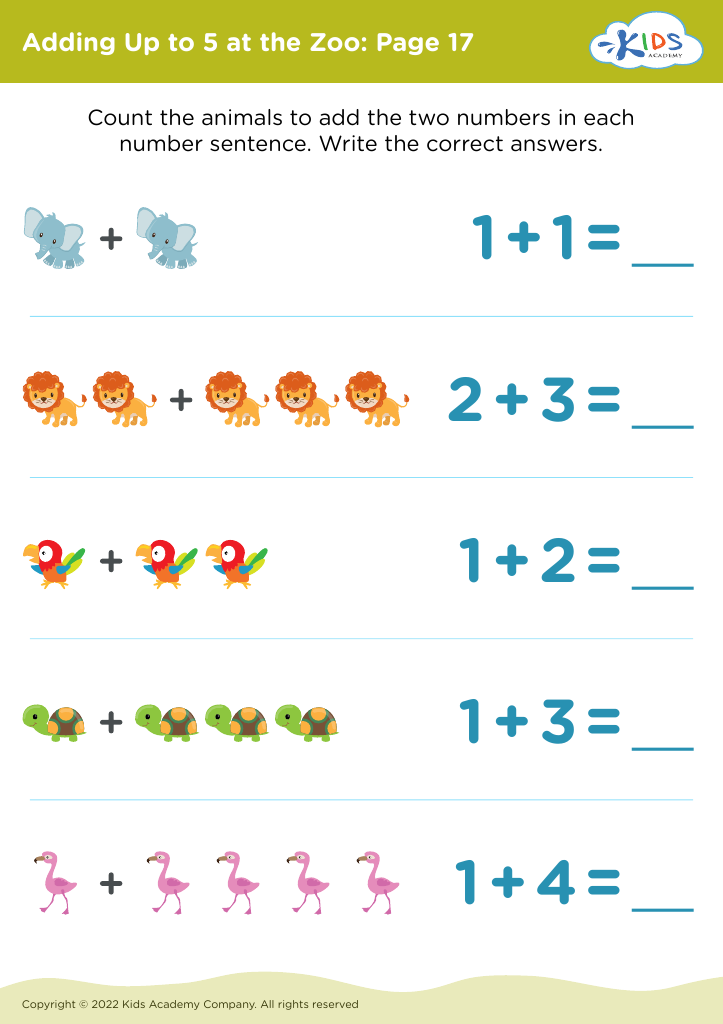
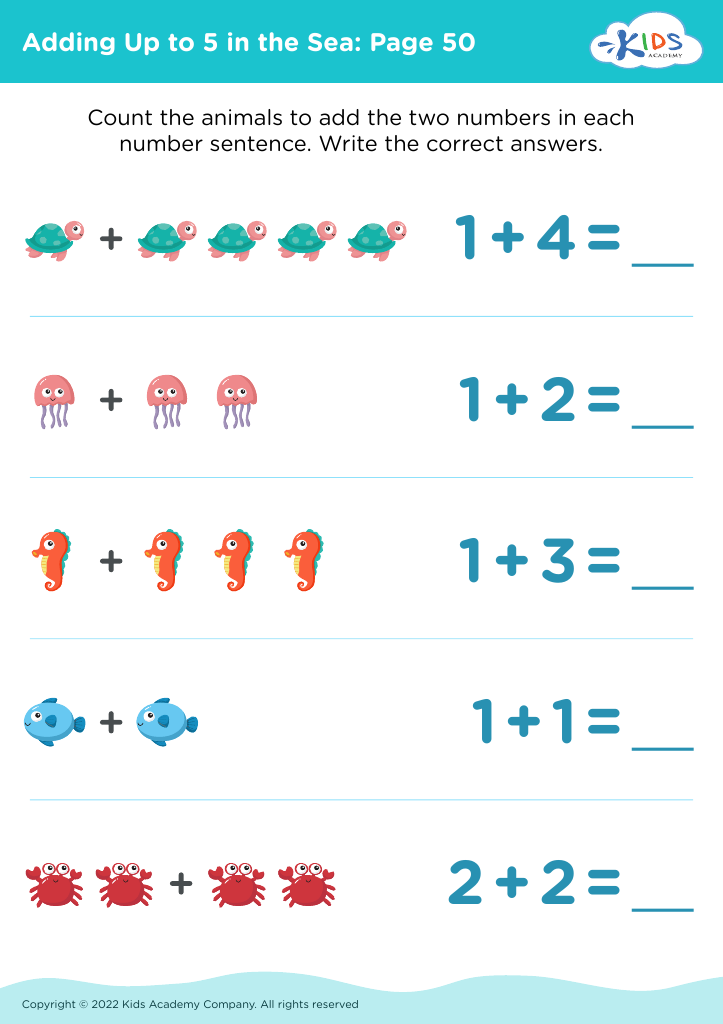
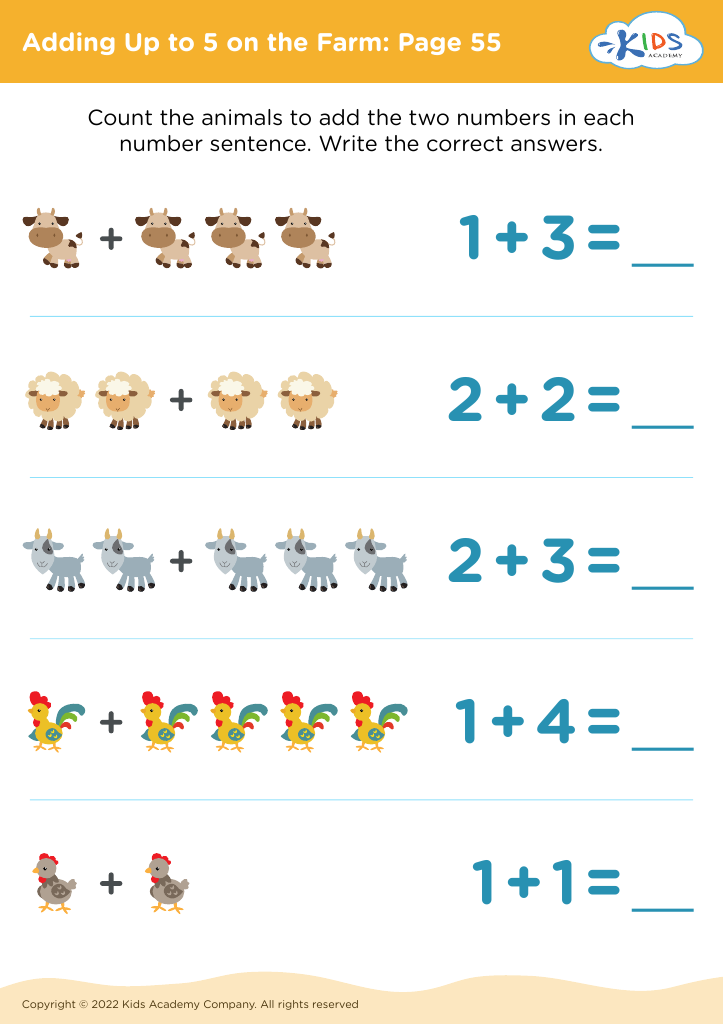
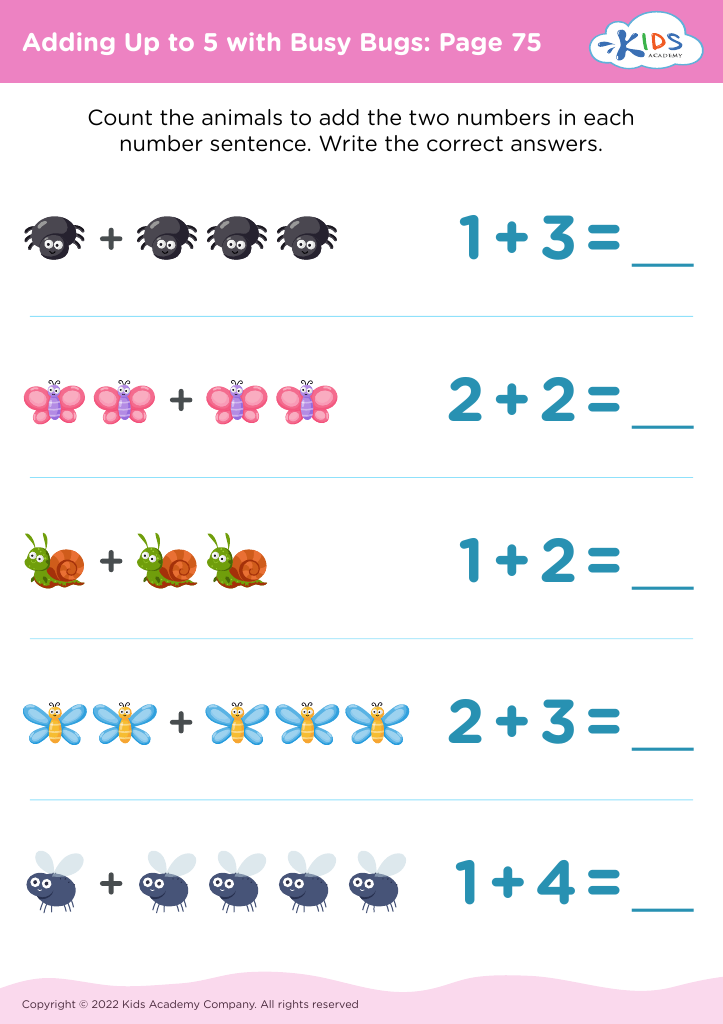
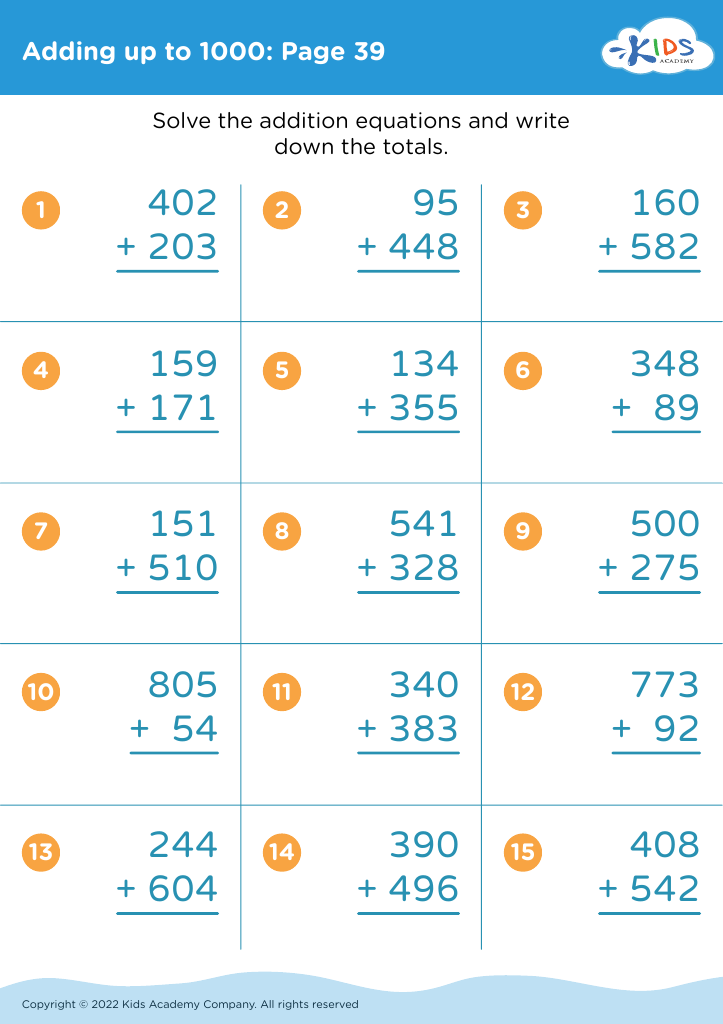
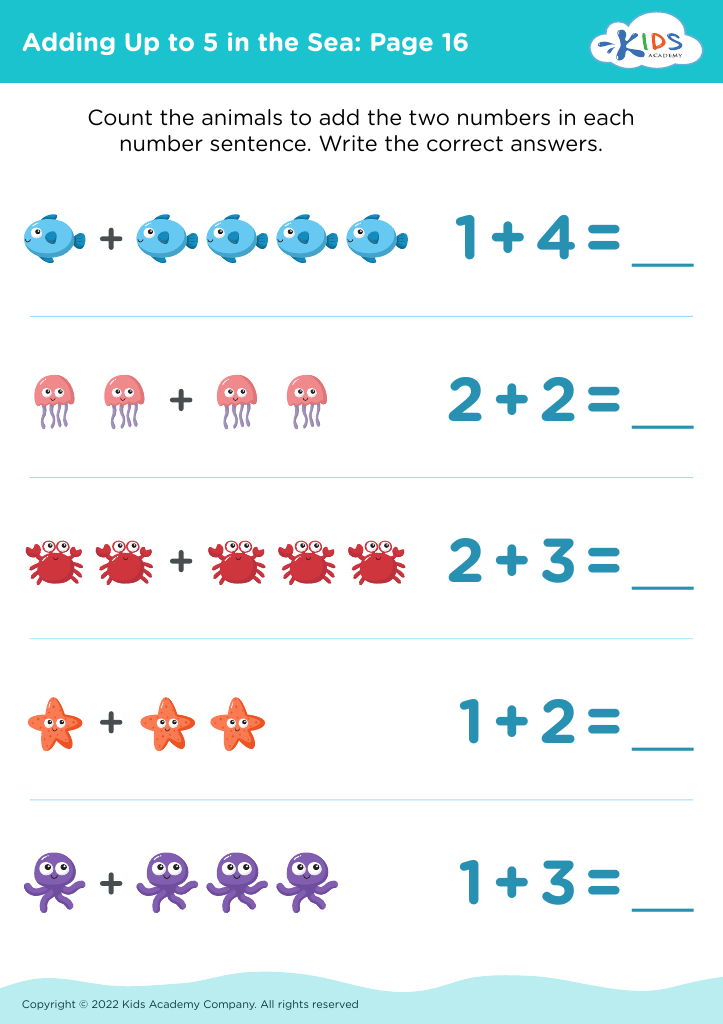
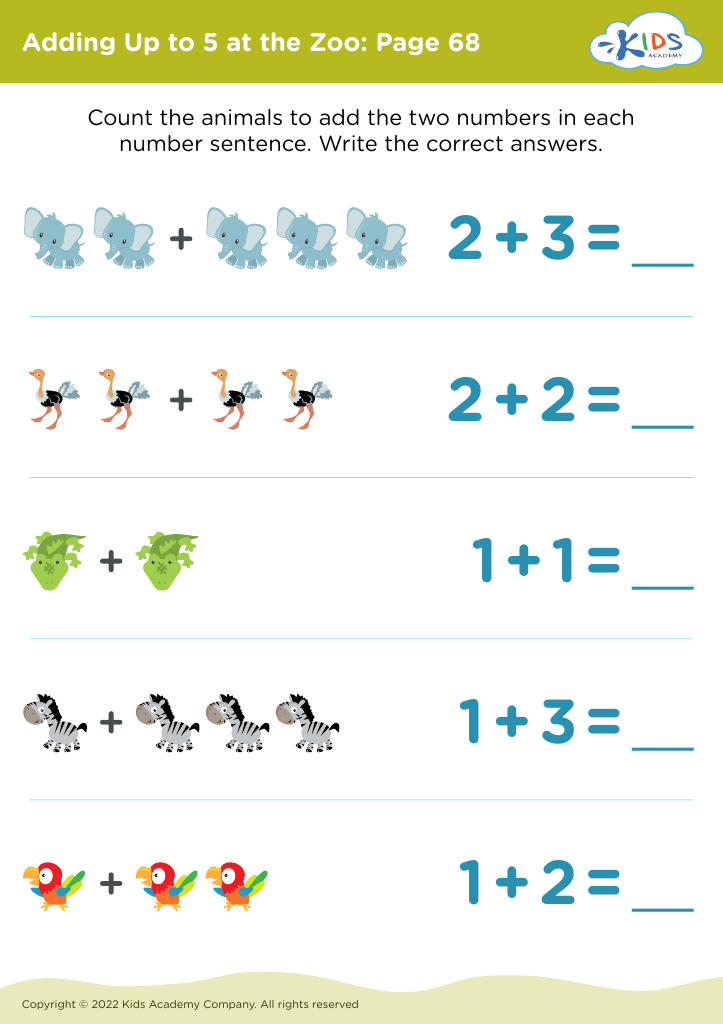
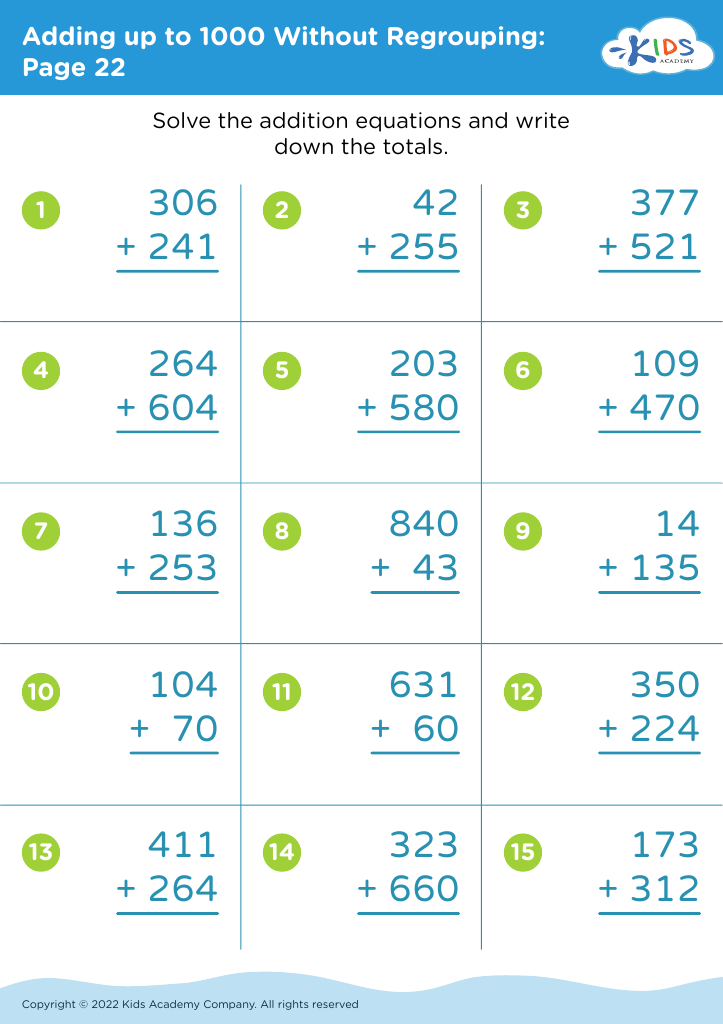

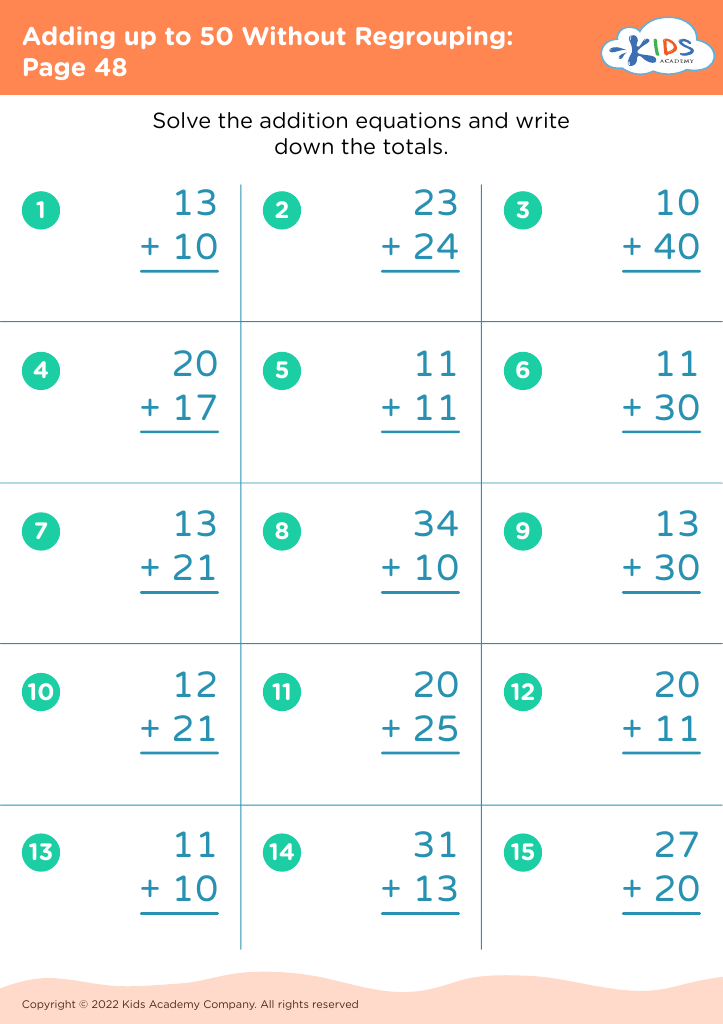
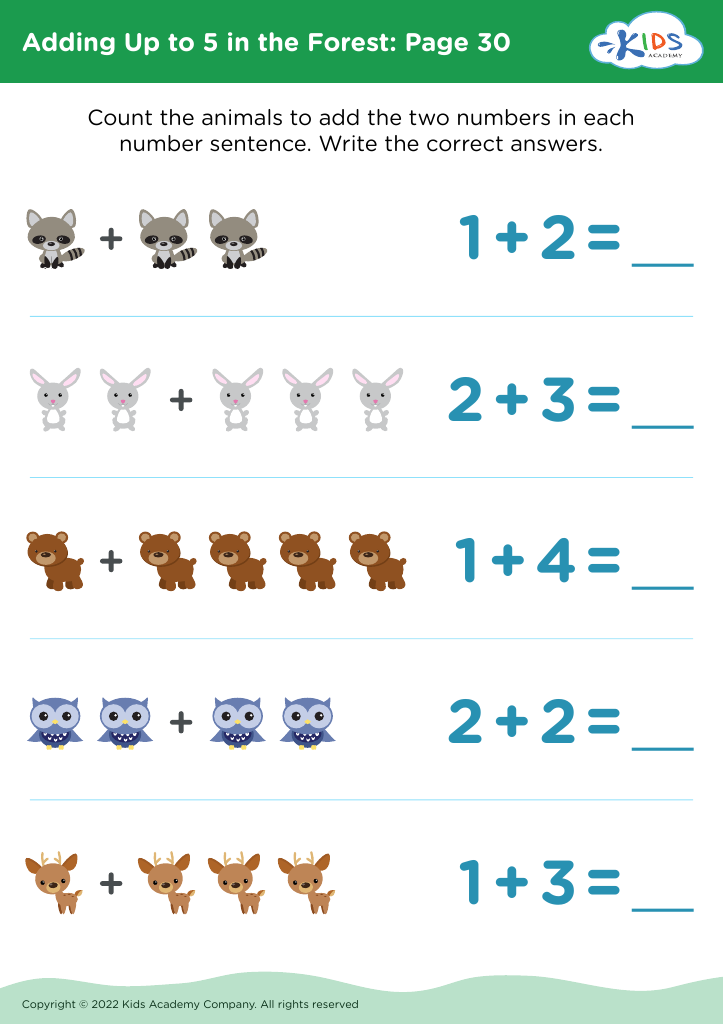
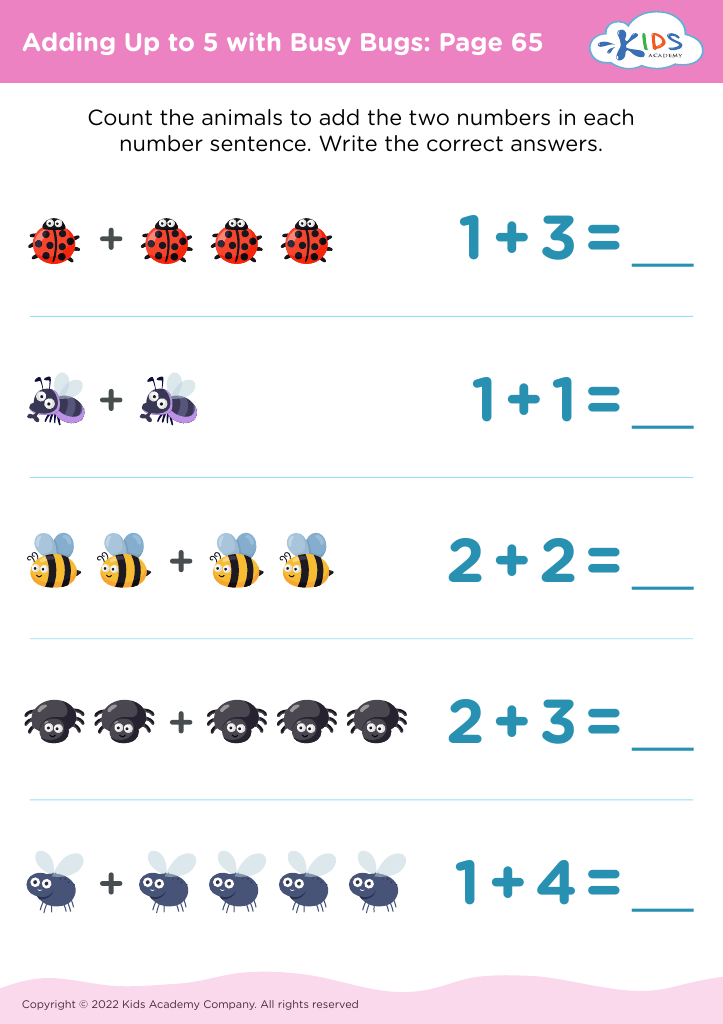








Parents and teachers should emphasize the development of fine motor skills and arithmetic capabilities, like addition and subtraction, for children aged 5-9 because these foundational skills significantly impact long-term academic and personal development.
Fine motor skills involve the coordination of small muscles, essential for tasks like writing, tying shoelaces, and buttoning clothes. Mastering these skills at a young age aids children’s independence and boosts self-confidence. Good fine motor control is crucial for producing legible handwriting, directly influencing a child's ability to express their thoughts and perform well in school-related tasks.
Mastering addition and subtraction is equally critical as these skills form the basis of mathematical understanding. Early competence in these areas makes advanced mathematical concepts more accessible and less intimidating. These fundamental operations are not just academic requirements; they have practical applications in everyday life, such as handling money, measuring ingredients, and time management.
Together, proficiency in fine motor skills and arithmetic prepares children for more complex physical and cognitive tasks, ensuring they are well-equipped for future learning and daily activities. Early intervention and consistent practice in these areas foster cognitive and motor development, lay the groundwork for academic success, and enhance overall quality of life.








