Identify shapes Addition & Subtraction Worksheets for Ages 5-9
10 filtered results
-
From - To
Our "Identify Shapes Addition & Subtraction Worksheets for Ages 5-9" are perfect for young learners. These expertly designed worksheets combine math skill-building with shape recognition to create an engaging learning experience. Children will practice addition and subtraction while identifying various geometric shapes, enhancing both their arithmetic skills and spatial awareness. Developed by educators, these printable resources ensure age-appropriate progression, making learning both fun and effective. Ideal for home or classroom use, they cater to a range of skill levels, preparing kids for future math success. Download now to kickstart your child’s journey towards math mastery!
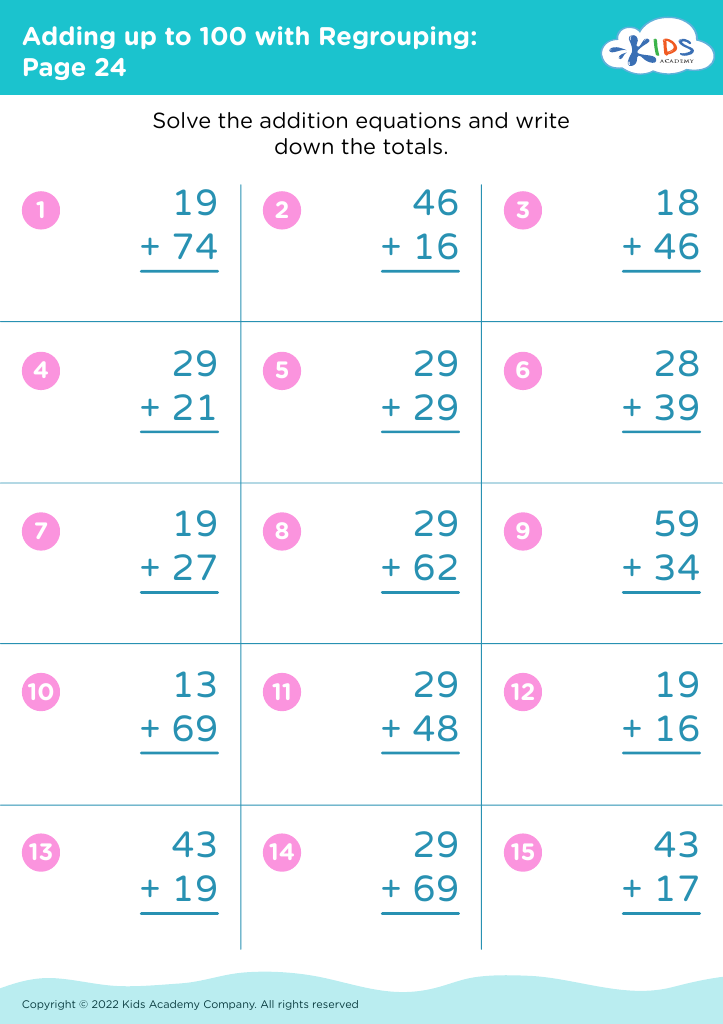
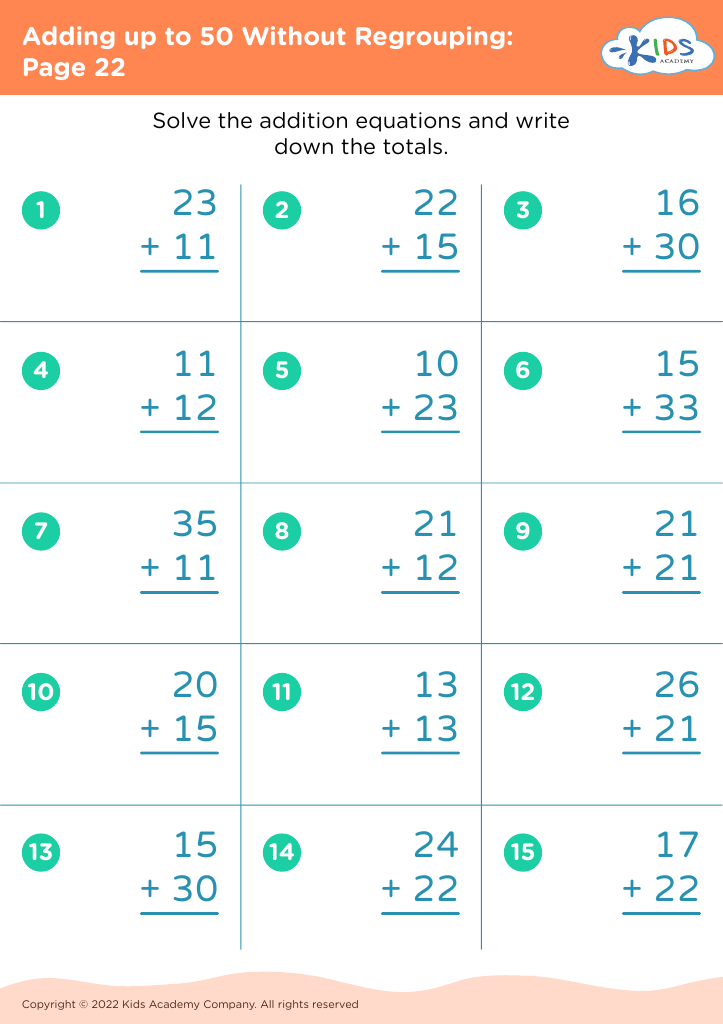
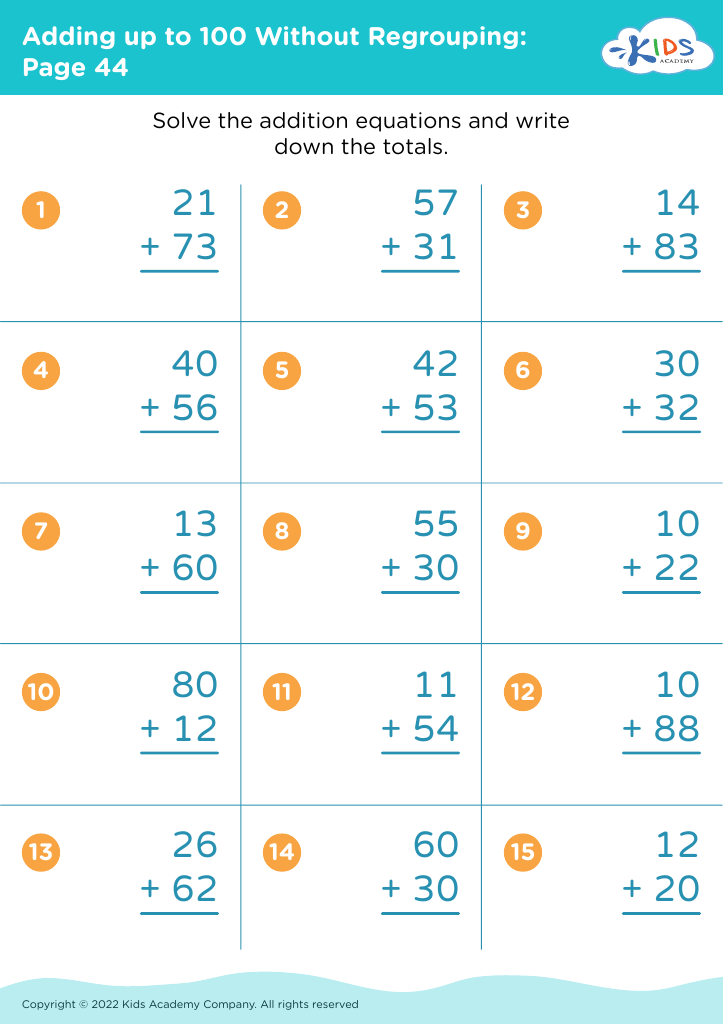
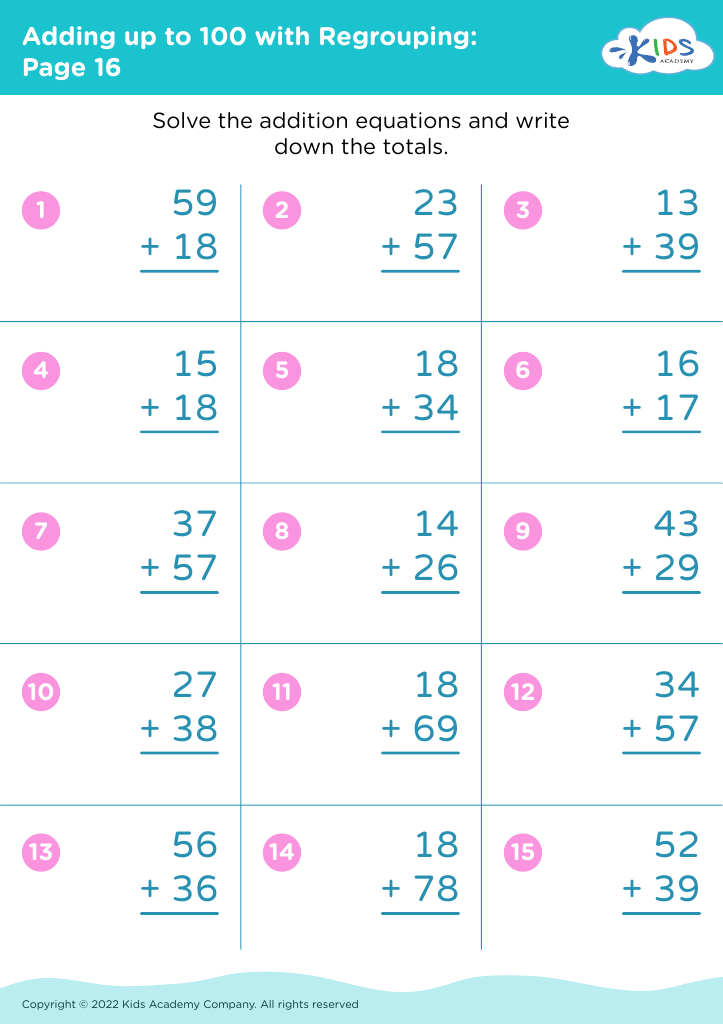
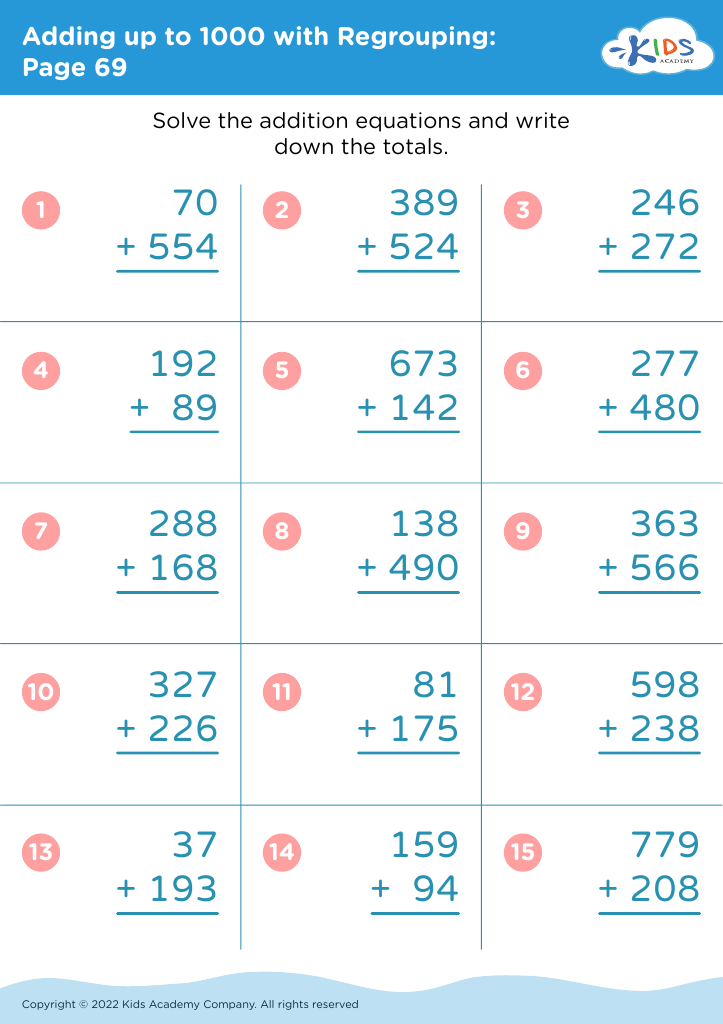
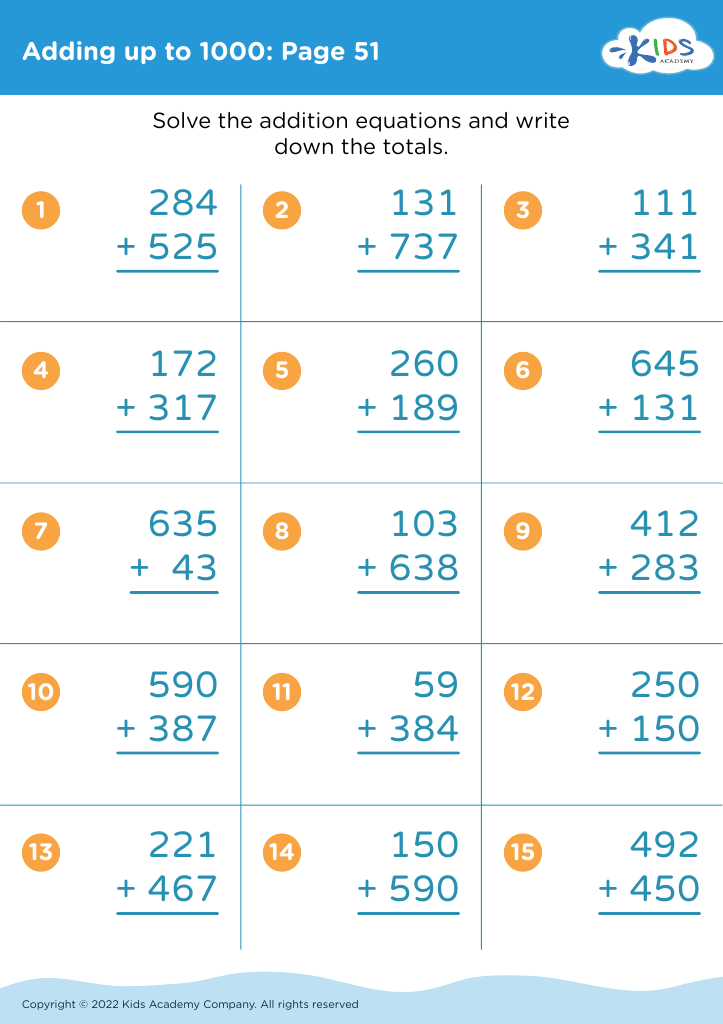
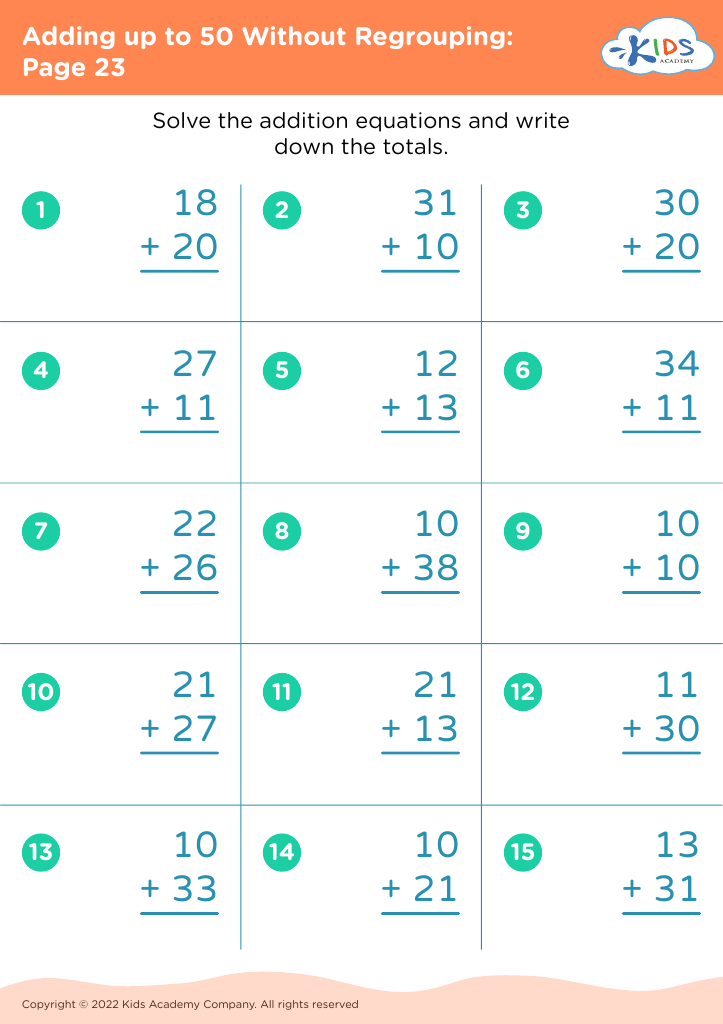
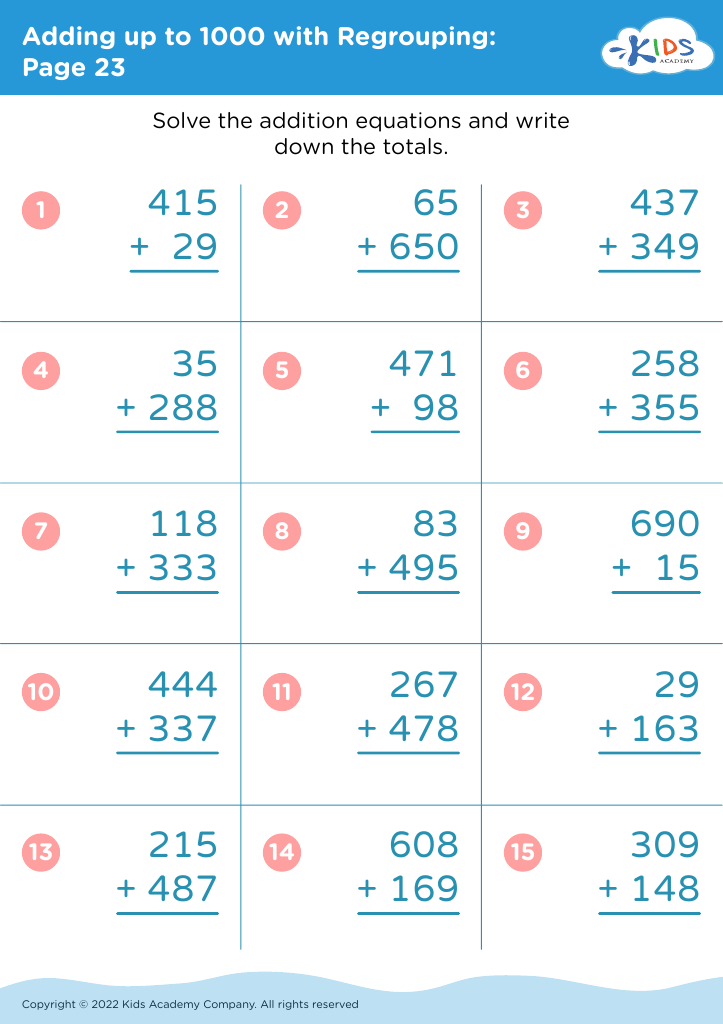
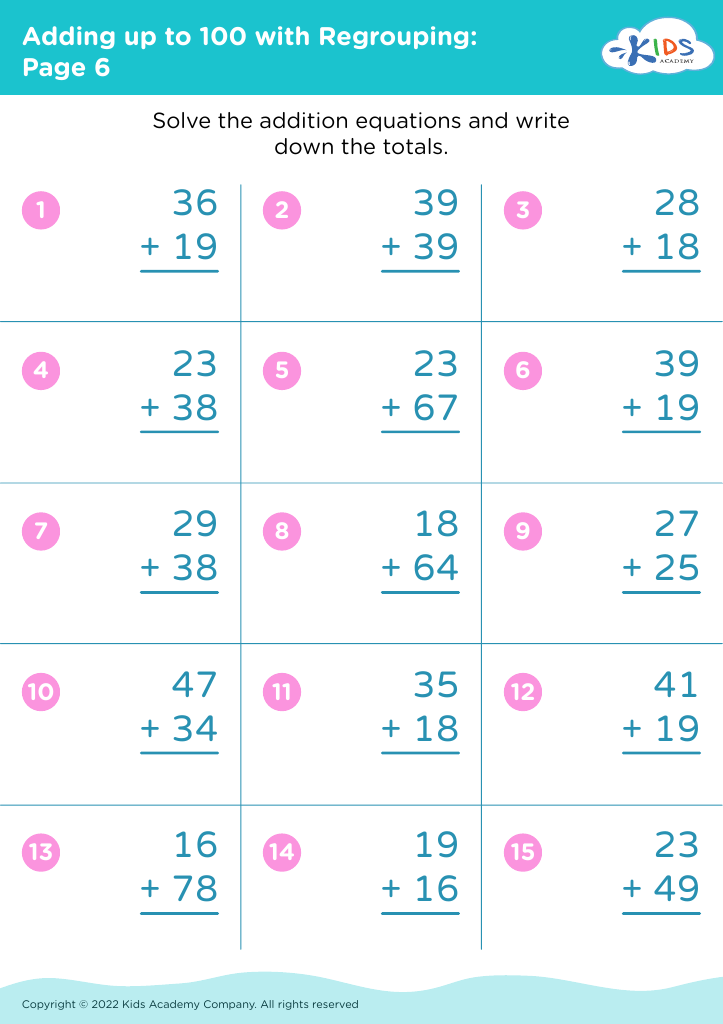
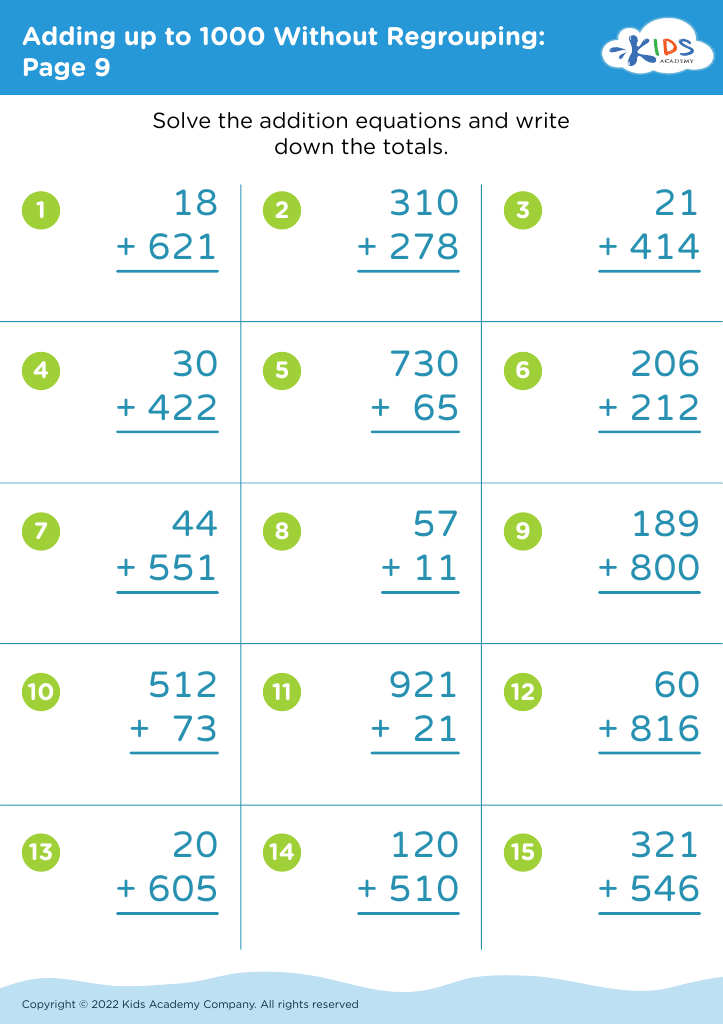








Parents and teachers should prioritize teaching young children, ages 5-9, geometric recognition alongside basic mathematical operations like addition and subtraction because these foundational skills underpin future academic success. Identifying shapes is crucial as it taps into visual-spatial intelligence, aiding critical thinking and problem-solving abilities. By recognizing shapes, children develop an awareness of geometry, leading to tasks requiring spatial orientation and complex reasoning.
Mastering addition and subtraction forms the bedrock of arithmetic. As the first exposure to mathematics, these operations bolster number sense, fostering an understanding of more complex concepts, like multiplication and division, as well as word problems and logical reasoning. Proficiency in these early skills empowers students to progress through increasingly challenging mathematical topics with confidence.
Integrating these skills promotes cognitive development, including memory, attentiveness, and processing speed. It encourages a positive relationship with learning, reducing anxiety around later difficult subjects. Moreover, experiencing early success in these areas can boost children's confidence and enthusiasm towards school, setting a positive trajectory for lifelong learning.
Ultimately, when parents and teachers emphasize these educational cornerstones, they equip children with essential tools for academic achievement and everyday problem-solving, laying the groundwork for a well-rounded intellectual development.








