Logical Reasoning Addition & Subtraction Worksheets for Ages 5-9
14 filtered results
-
From - To
Enhance your child's mathematical skills with our engaging Logical Reasoning Addition and Subtraction Worksheets for ages 5-9! Designed to ignite curiosity and develop critical thinking, these worksheets encourage young learners to tackle math problems using logical reasoning. Tailored to fit various learning styles, our materials promote problem-solving skills while students practice essential addition and subtraction concepts. Whether at home or in the classroom, these worksheets are perfect for reinforcing math skills through fun and challenging activities. Enjoy the benefits of structured learning and watch your child's confidence grow as they master foundational math operations with our resources. Start learning today!
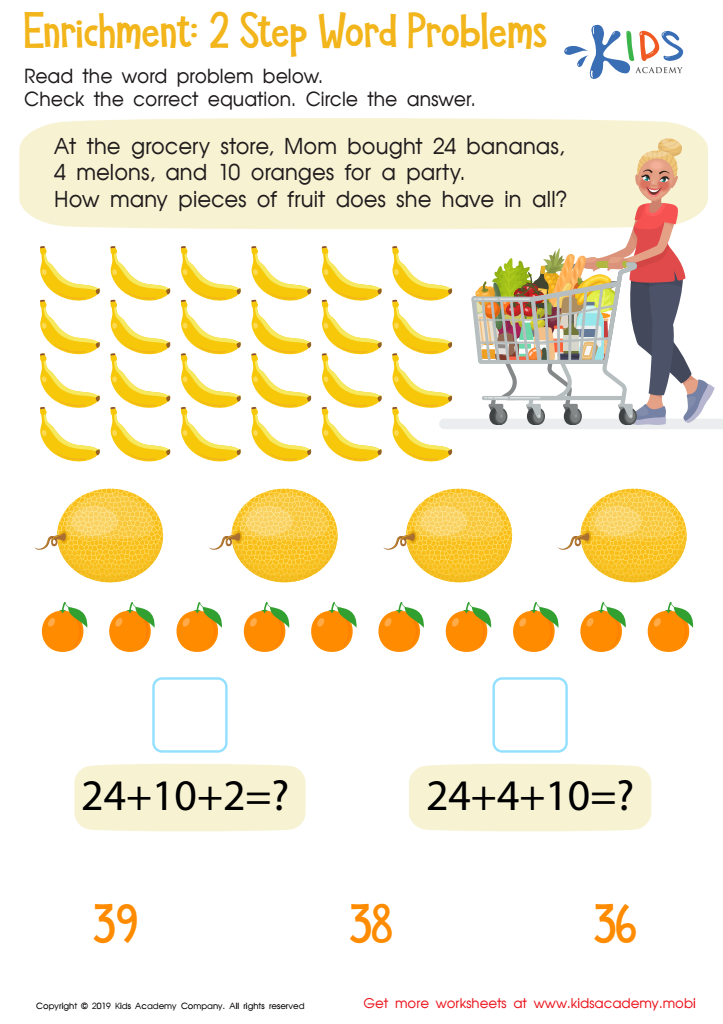
Enrichment -2 Step Word Problems Worksheet
 Assign to My Students
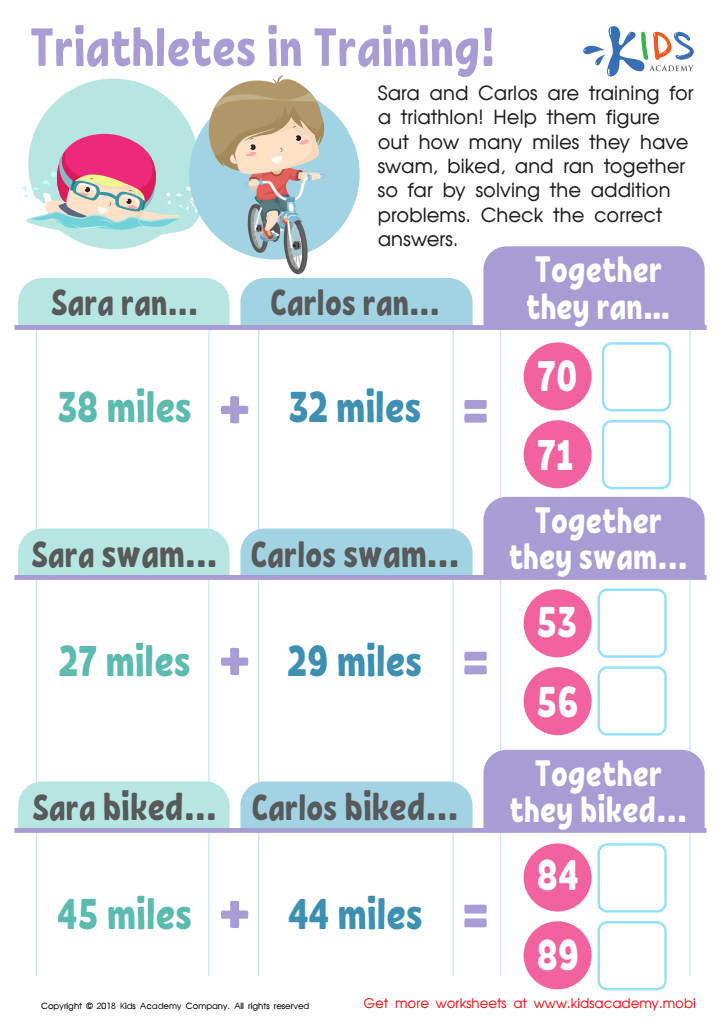
Triathletes in Training Worksheet
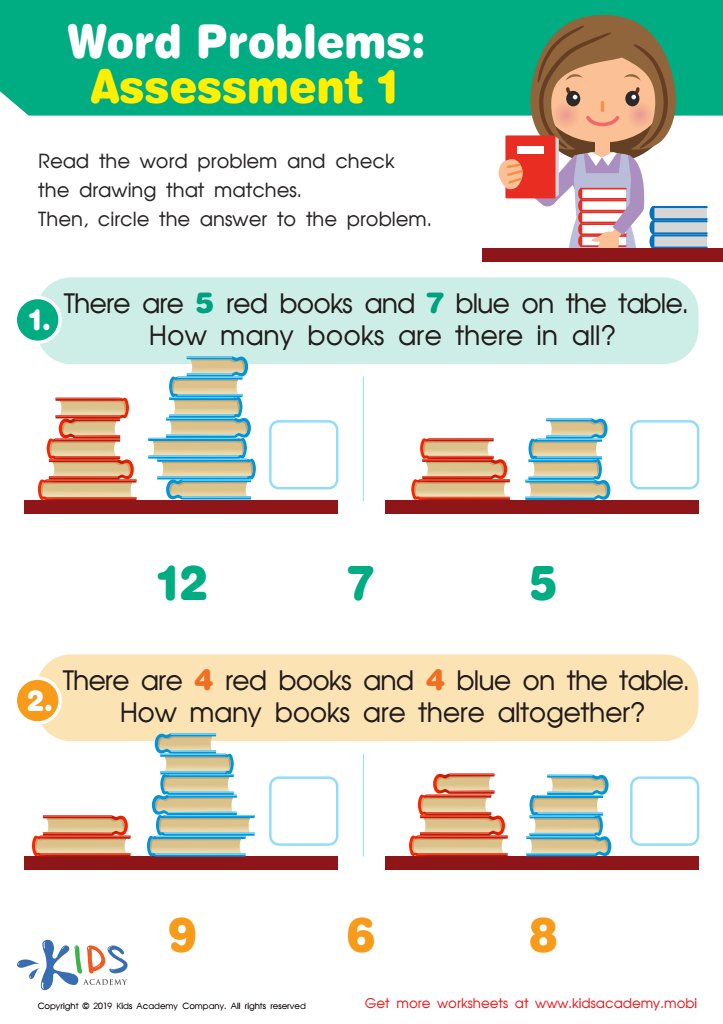
Word Problems: Assessment 1 Worksheet
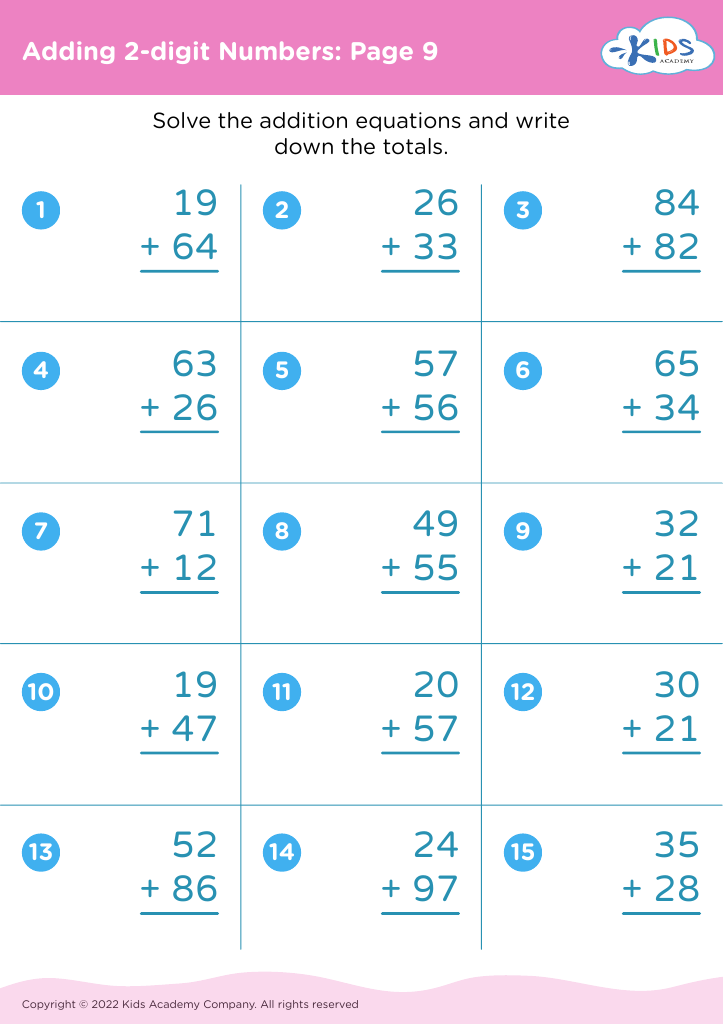
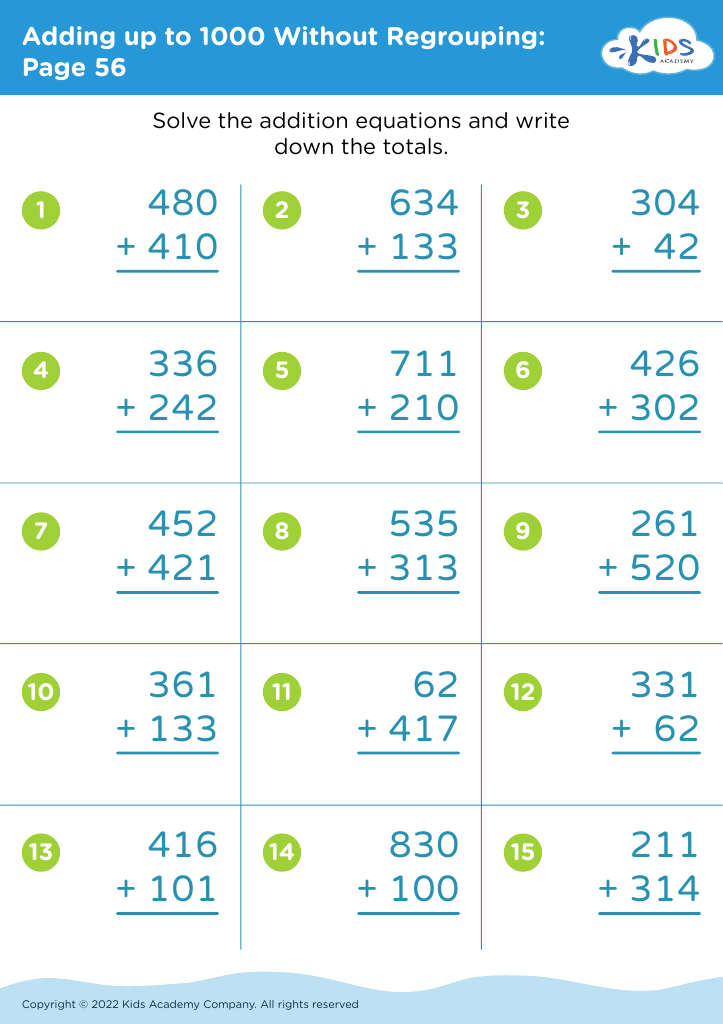
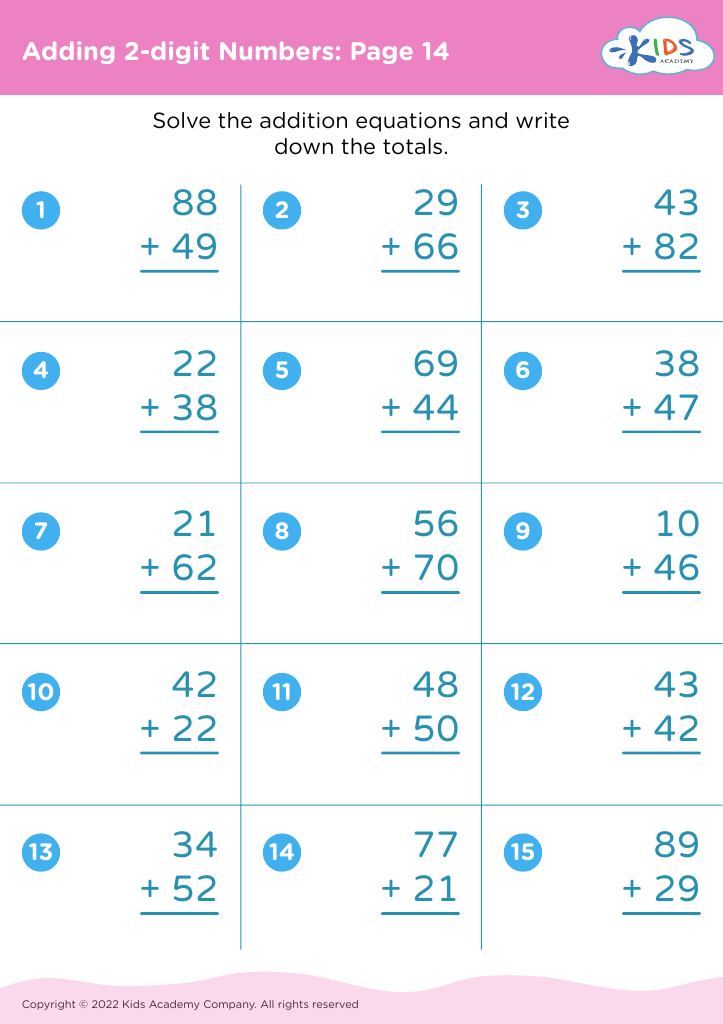
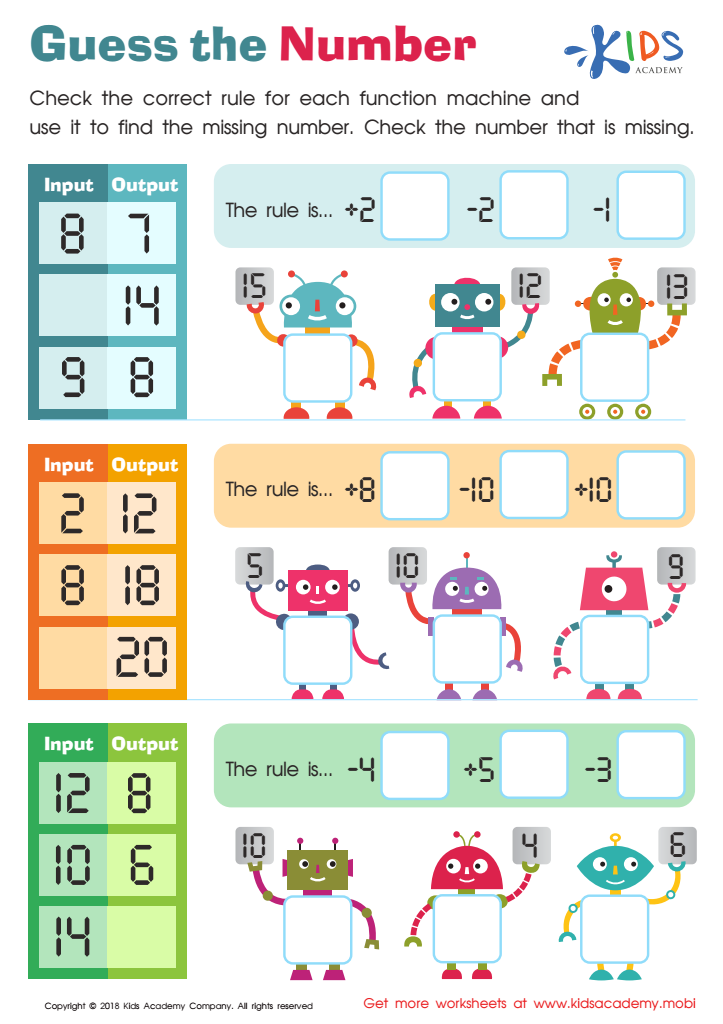
Guess the Number Worksheet
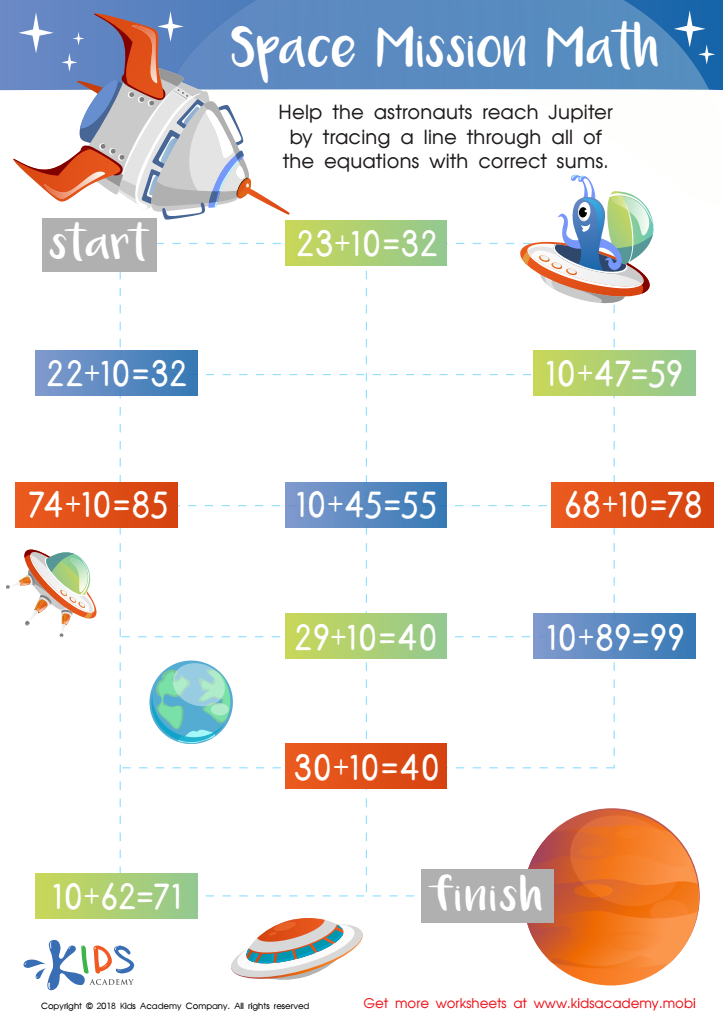
Space Mission Math Worksheet
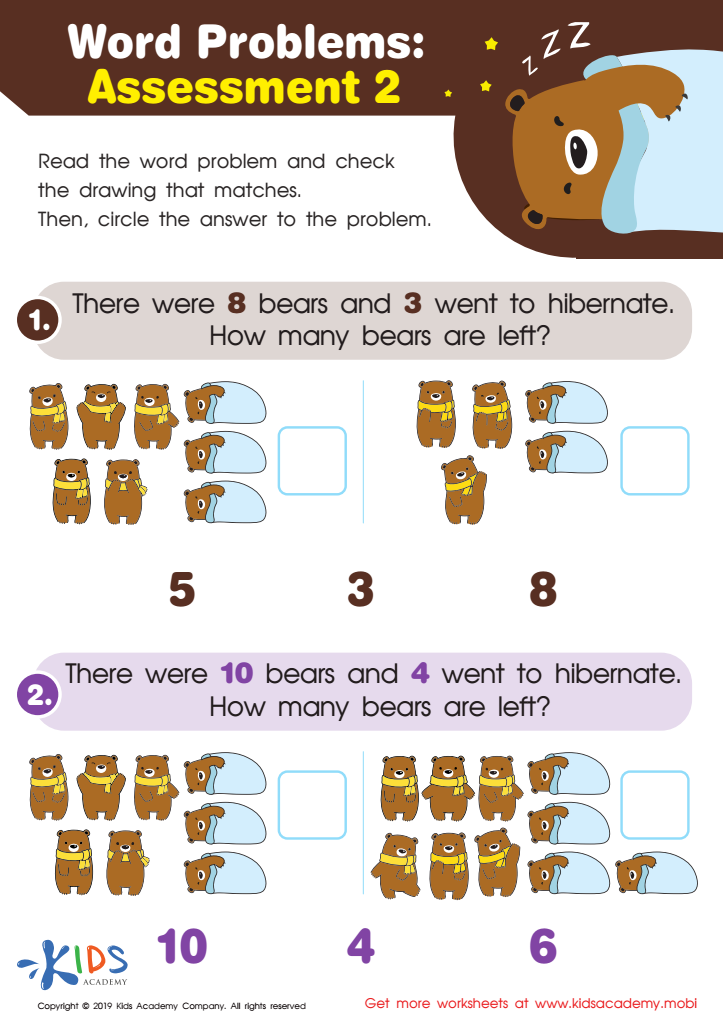
Word Problems: Assessment 2 Worksheet
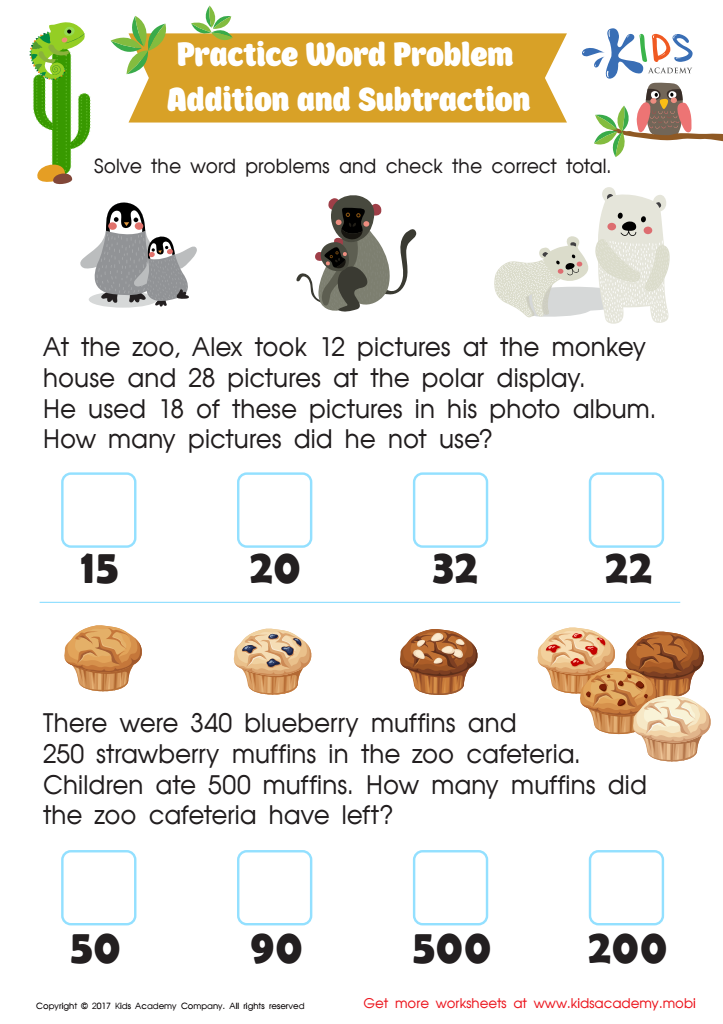
Addition and Subtraction: Word Problems Worksheet
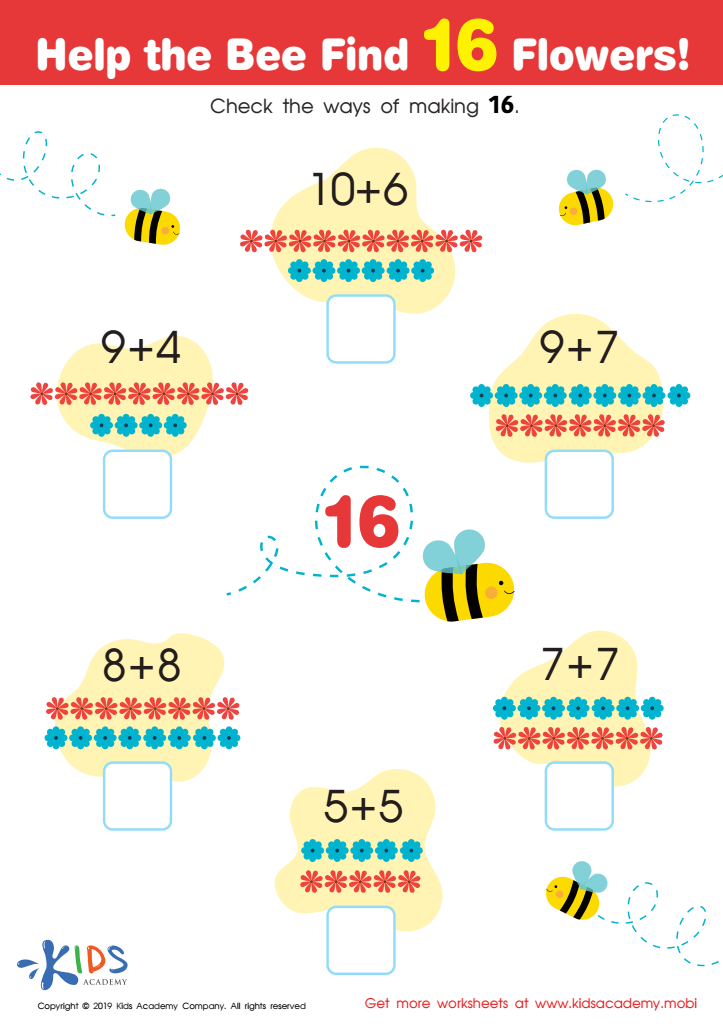
Help the Bee Find 16 Flowers Worksheet
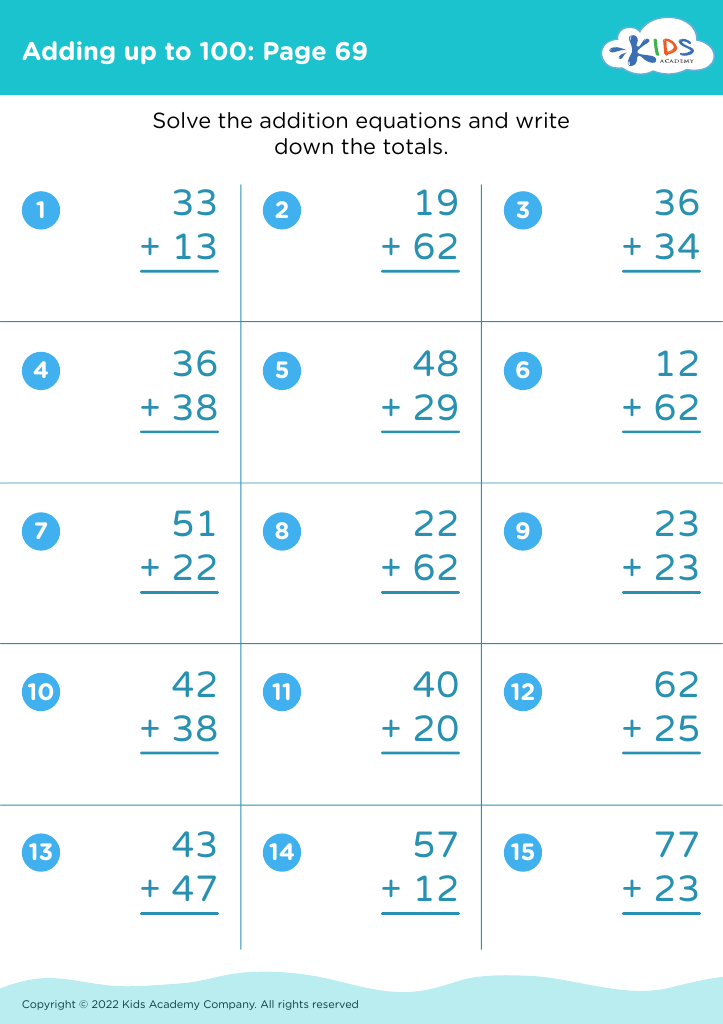
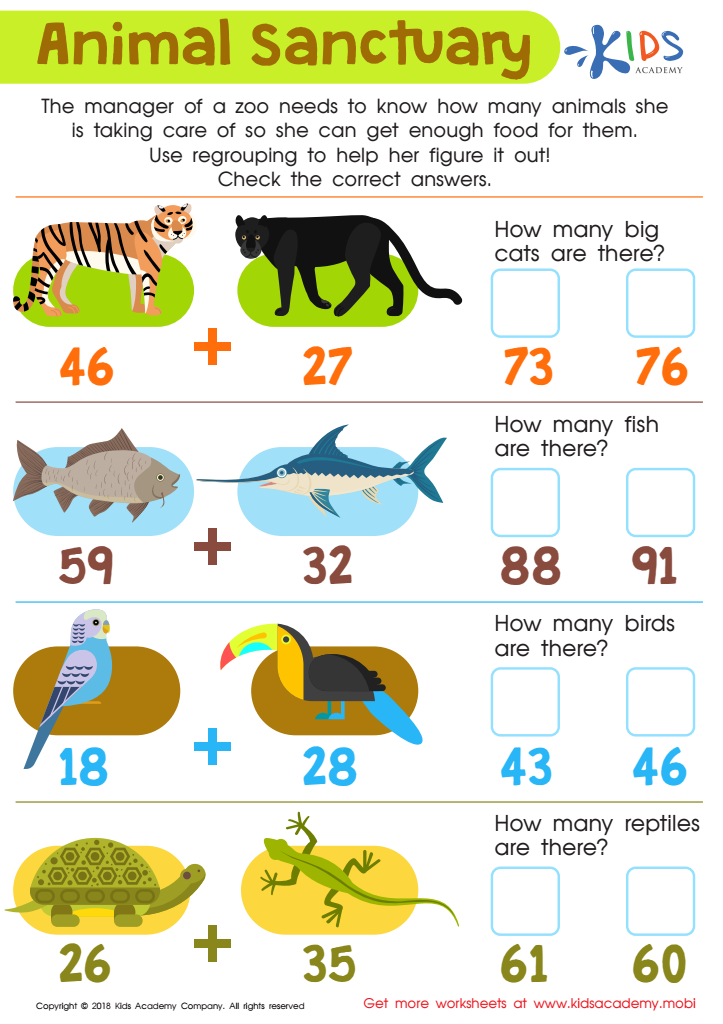
Animal Sanctuary Worksheet








Logical reasoning in addition and subtraction is crucial for children aged 5-9 because it lays a strong foundation for their mathematical comprehension and problem-solving skills. At this developmental stage, children are beginning to grasp the concepts of numbers and operations, making it an ideal time to nurture their ability to think logically about these processes.
Engaging in logical reasoning helps children understand not just how to perform calculations, but why those calculations work. This deep comprehension promotes critical thinking, enabling them to devise strategies for solving more complex mathematical problems in the future. Additionally, it fosters skills that extend beyond mathematics, such as analytical thinking, decision-making, and the ability to approach problems systematically.
For parents and teachers, nurturing logical reasoning in addition and subtraction enhances children's confidence and enthusiasm in math, often reducing anxiety associated with the subject. Moreover, children who develop these skills early are more likely to excel in later mathematical concepts, creating a positive feedback loop of success in learning. Therefore, focusing on logical reasoning in early math education is vital for equipping children with the tools they need to thrive academically and in everyday problem-solving.








