Recognize shapes Addition & Subtraction Worksheets for Ages 5-9
9 filtered results
-
From - To
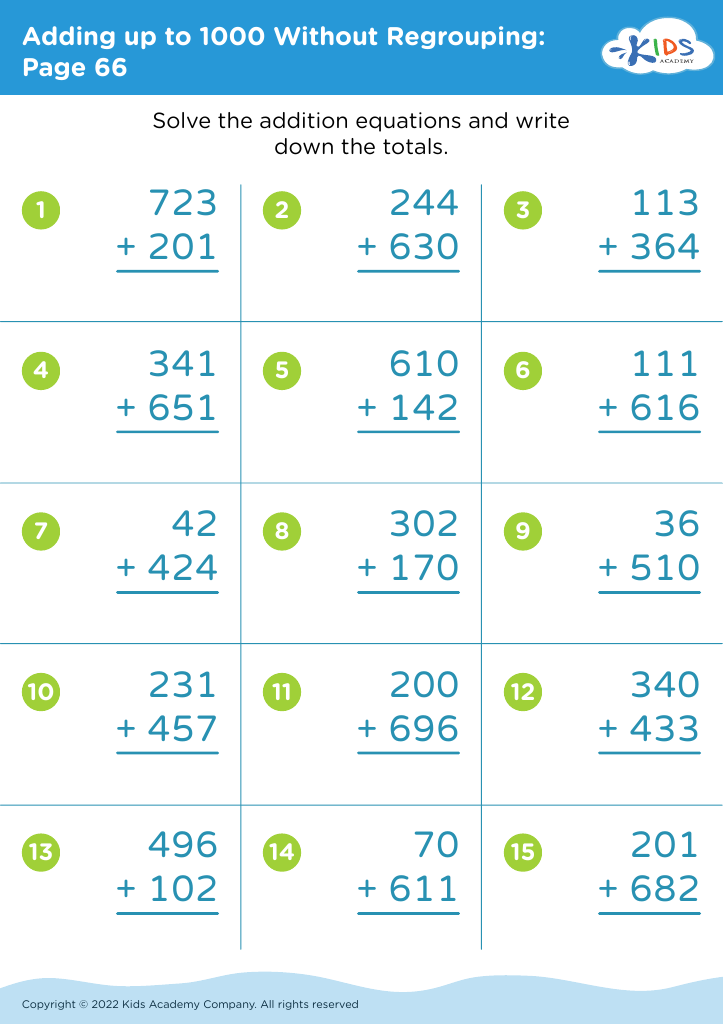
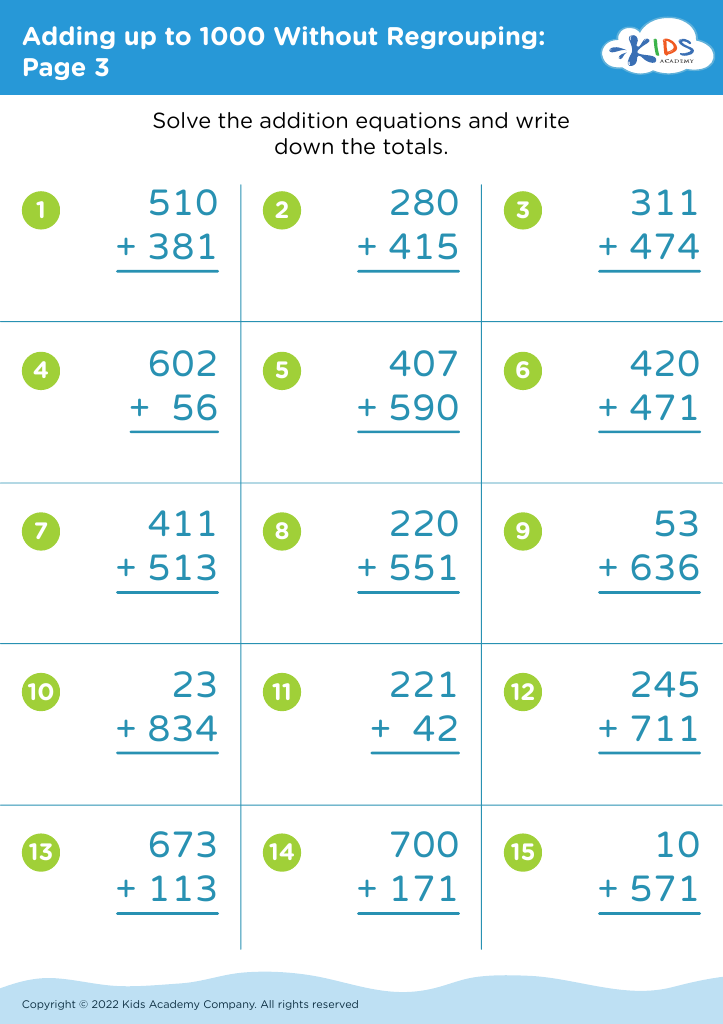
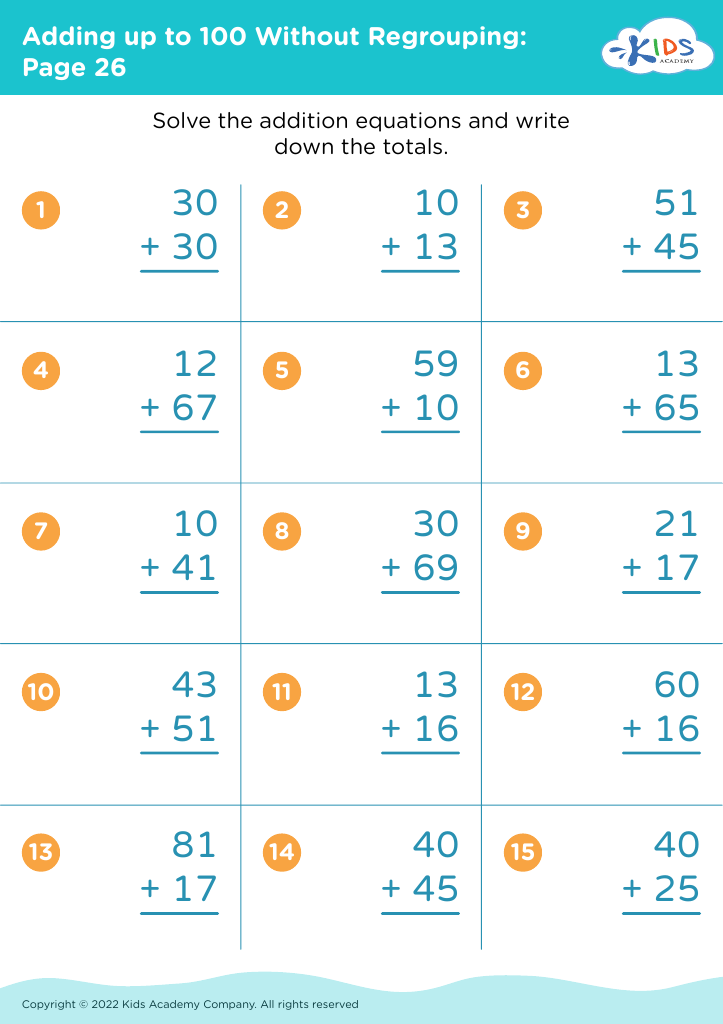
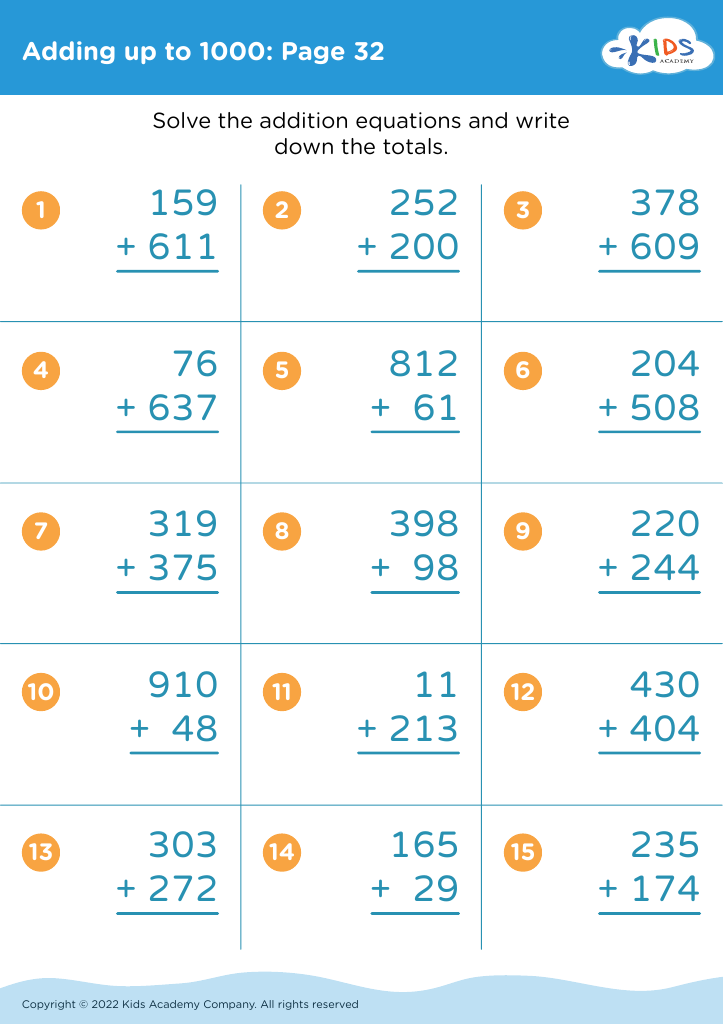
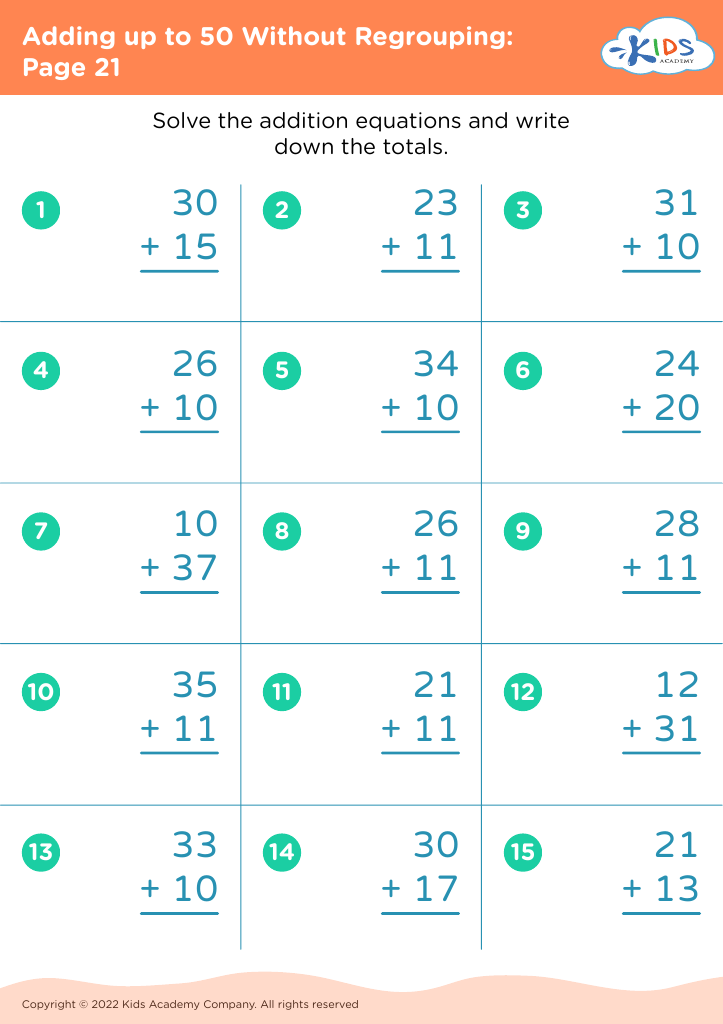
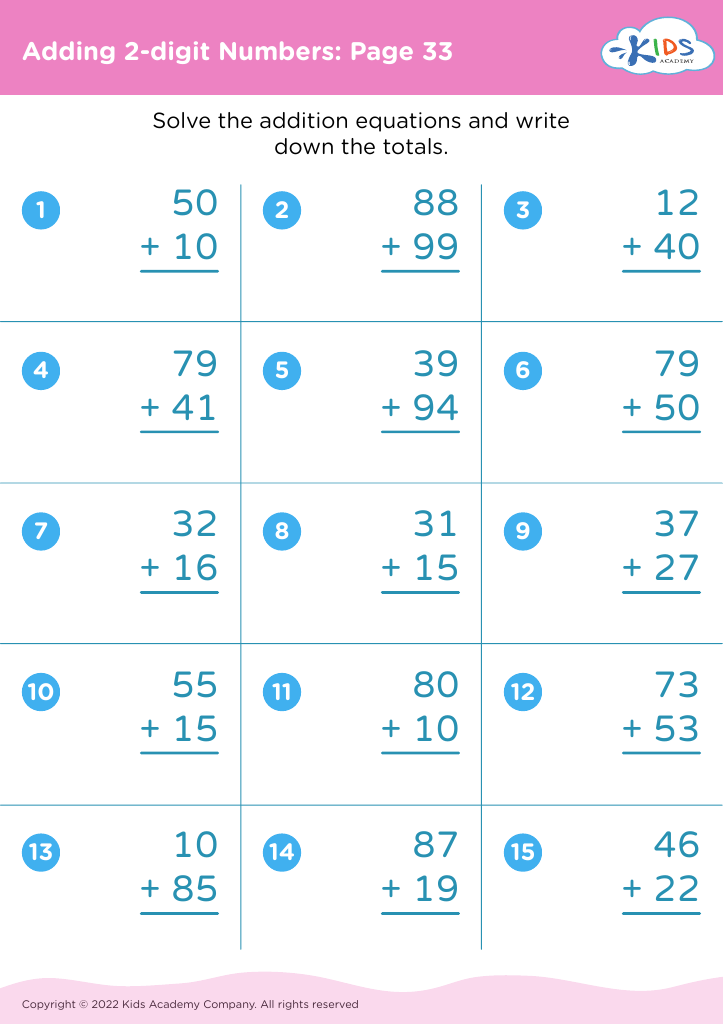
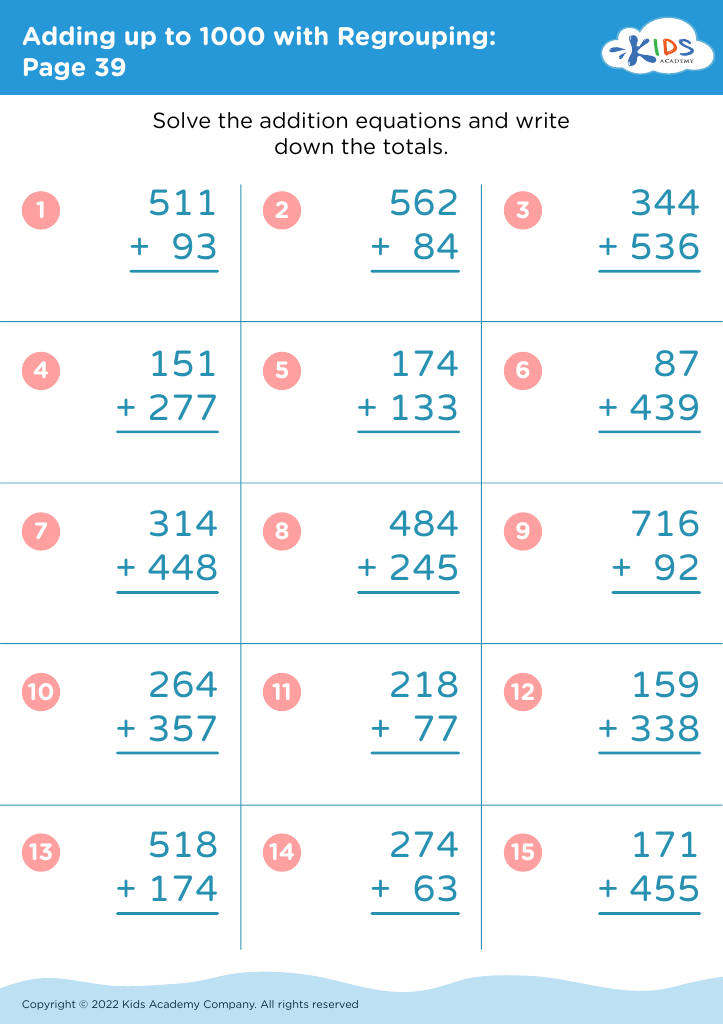
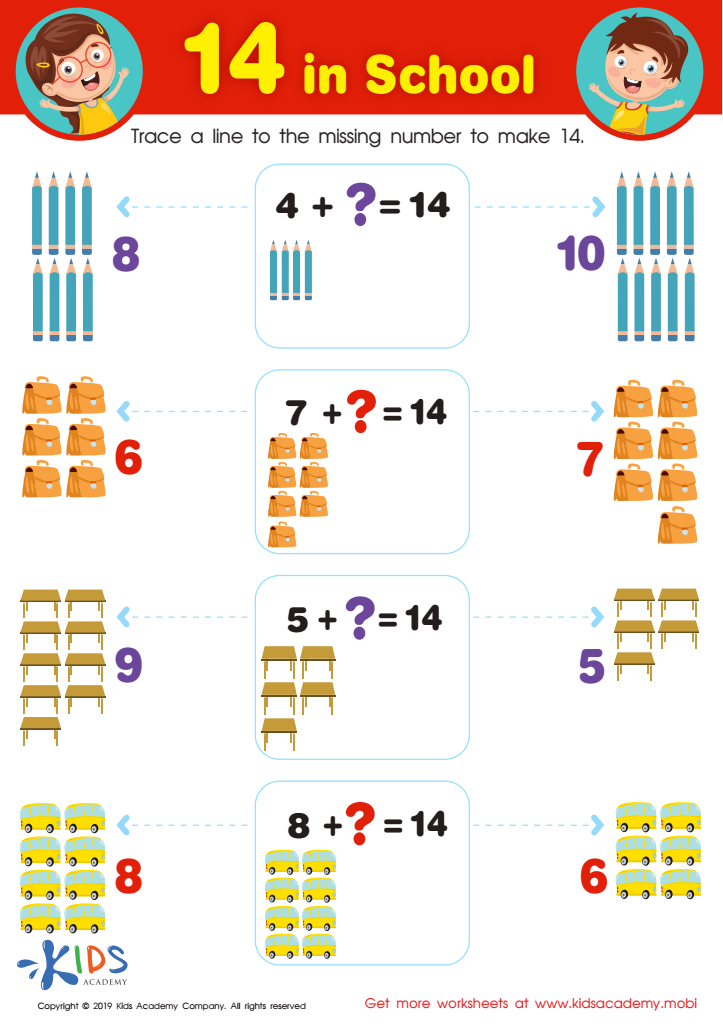
Discover our "Recognize Shapes Addition & Subtraction Worksheets" designed specifically for ages 5-9. These engaging worksheets blend fundamental math skills with shape recognition to create a fun and interactive learning experience. Children will enjoy solving addition and subtraction problems while identifying and differentiating various shapes. Our worksheets are developed to bolster early math proficiency and spatial awareness, ensuring young learners build a strong foundation for future academic success. Perfect for both classroom and at-home practice, they cater to different skill levels with colorful visuals and thoughtfully crafted exercises. Download now to enhance your child's math abilities in an exciting way!
14 in School Worksheet
 Assign to My Students
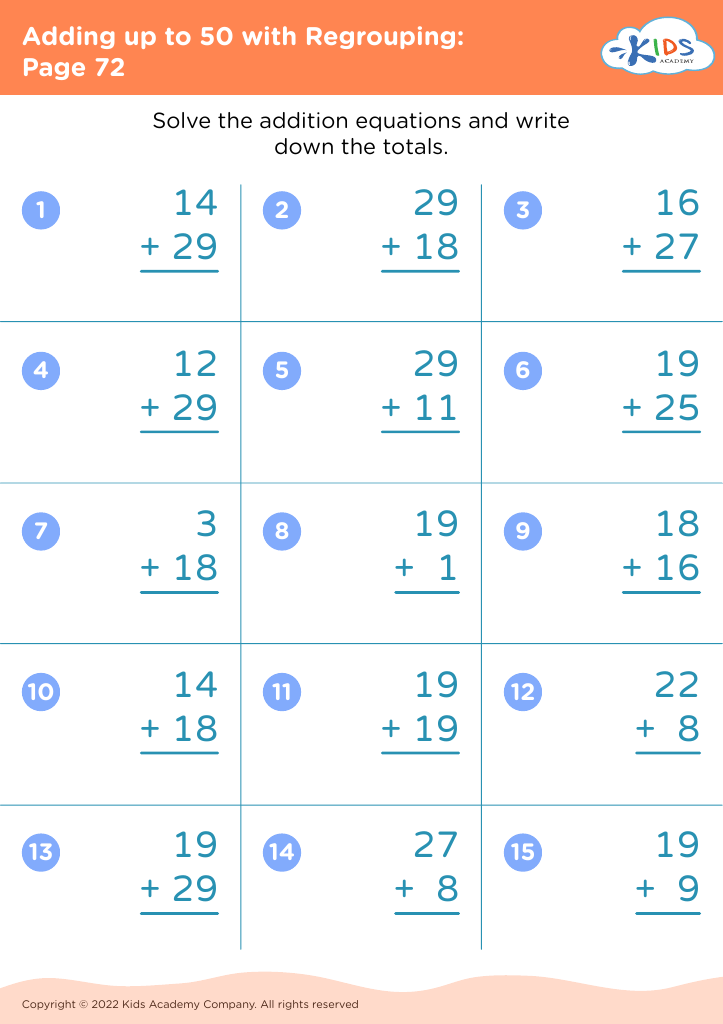








Teaching children to recognize shapes and understand basic addition and subtraction at an early age is crucial for several reasons. First, shape recognition is foundational for geometry, helping children identify and categorize the world around them. Knowing shapes aids in understanding more complex visual information, which is critical not only in math but in everyday life.
Second, the concepts of addition and subtraction are fundamental arithmetic skills. These skills are building blocks for more advanced mathematical concepts and problem-solving abilities. Introducing these concepts between ages 5-9 helps solidify a child's number sense, ensuring they grasp the relationship between numbers and the operations that connect them.
Furthermore, cognitive development during these early years is rapid, and engaging activities that involve shapes, addition, and subtraction can improve memory, attention, and spatial reasoning skills. These activities foster logical thinking and pattern recognition, which are valuable for academic success across all subjects.
Lastly, this foundational knowledge boosts a child's confidence. When children master basic skills early, they build a sense of accomplishment and self-esteem, which encourages continued curiosity and a positive attitude towards learning. Engaging parents and teachers in teaching these skills ensures children receive the support they need to thrive academically and develop a lifelong love of learning.








