Fraction identification Addition Worksheets for Ages 5-9
5 filtered results
-
From - To
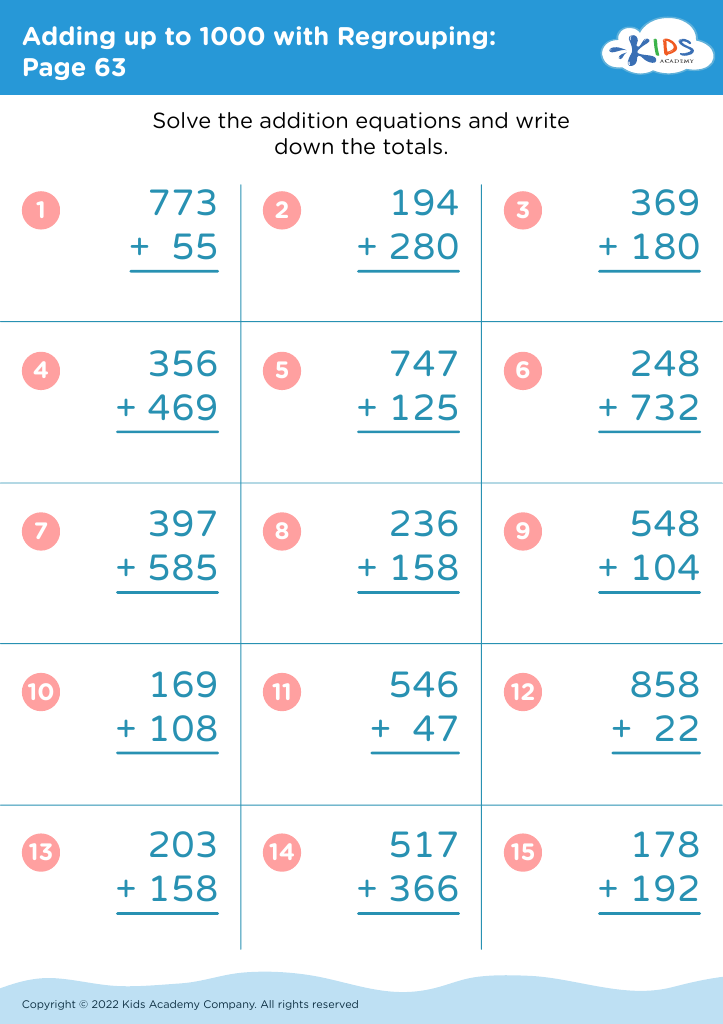
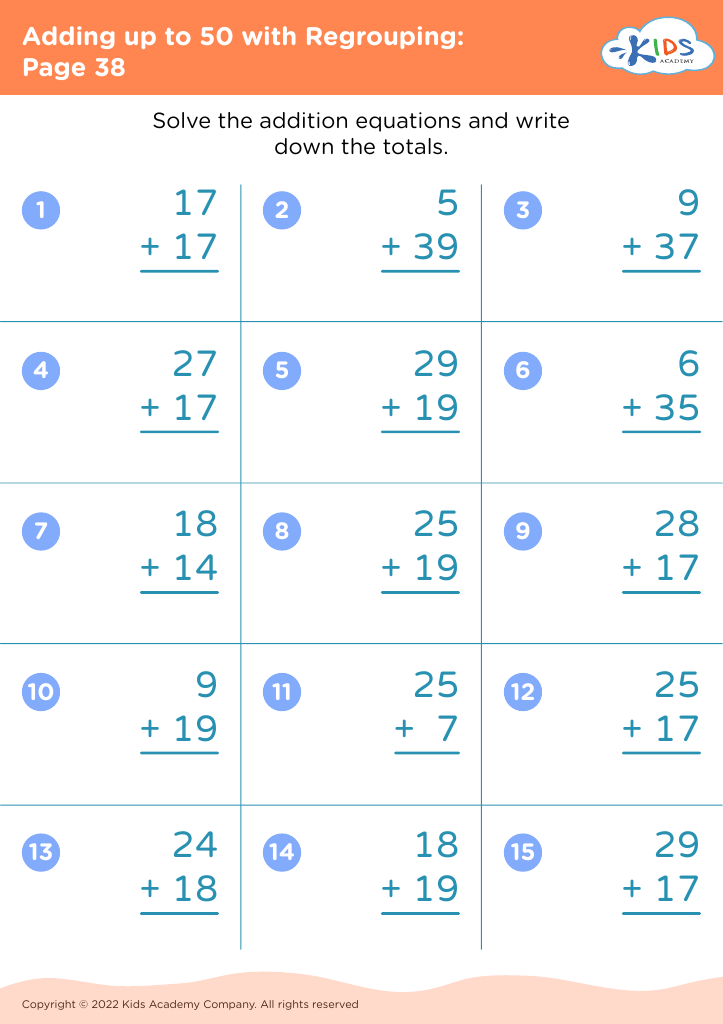
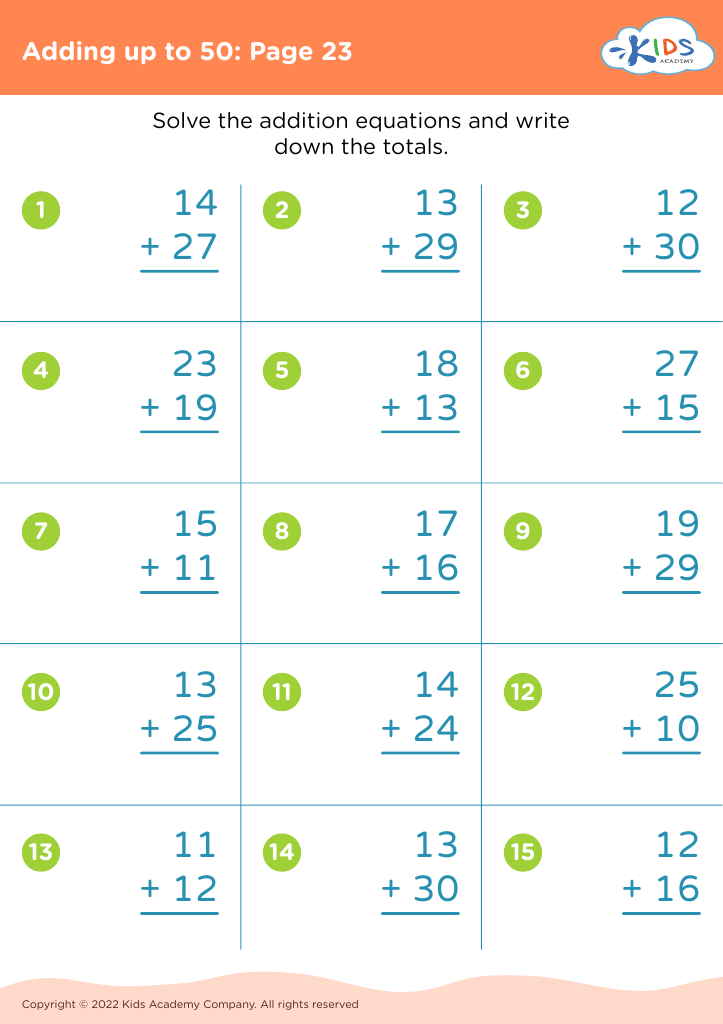
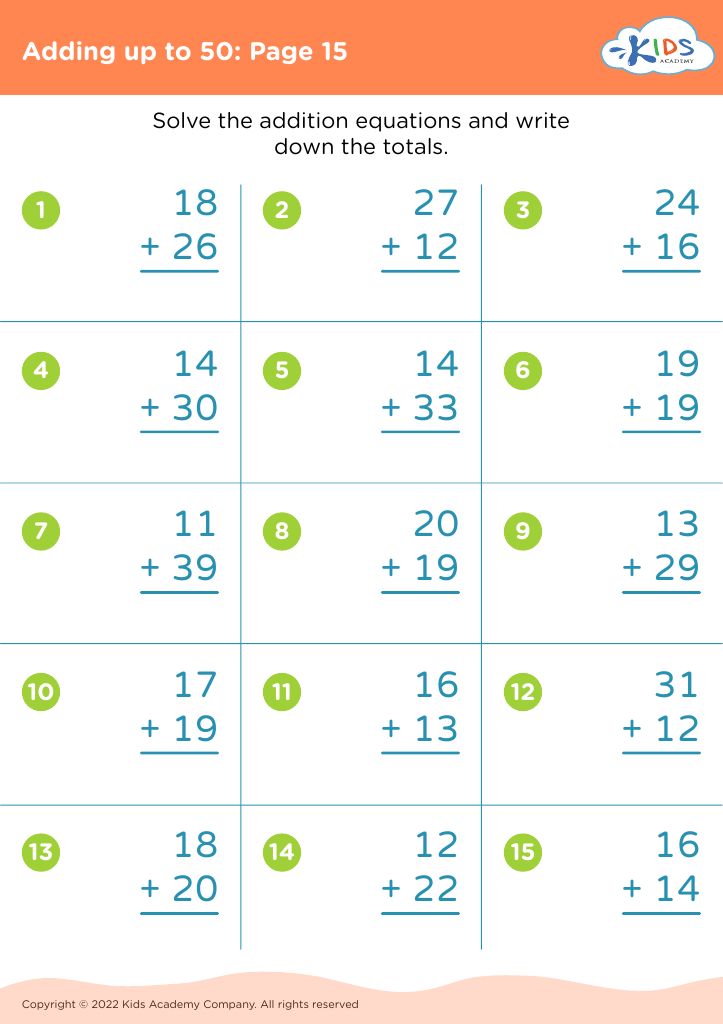
Discover our engaging Fraction Identification Addition Worksheets designed specifically for children ages 5 to 9! These worksheets serve as a fun and interactive way for young learners to grasp the basics of fractions while developing their addition skills. Through colorful illustrations and age-appropriate exercises, kids will explore identifying and adding fractions, helping to build a strong mathematical foundation. Ideal for both classroom and home use, these worksheets promote critical thinking and problem-solving abilities, making learning enjoyable. Perfect for enhancing early math skills, our activities cater to diverse learning styles—ensuring that every child can grasp the concept of fractions with confidence!
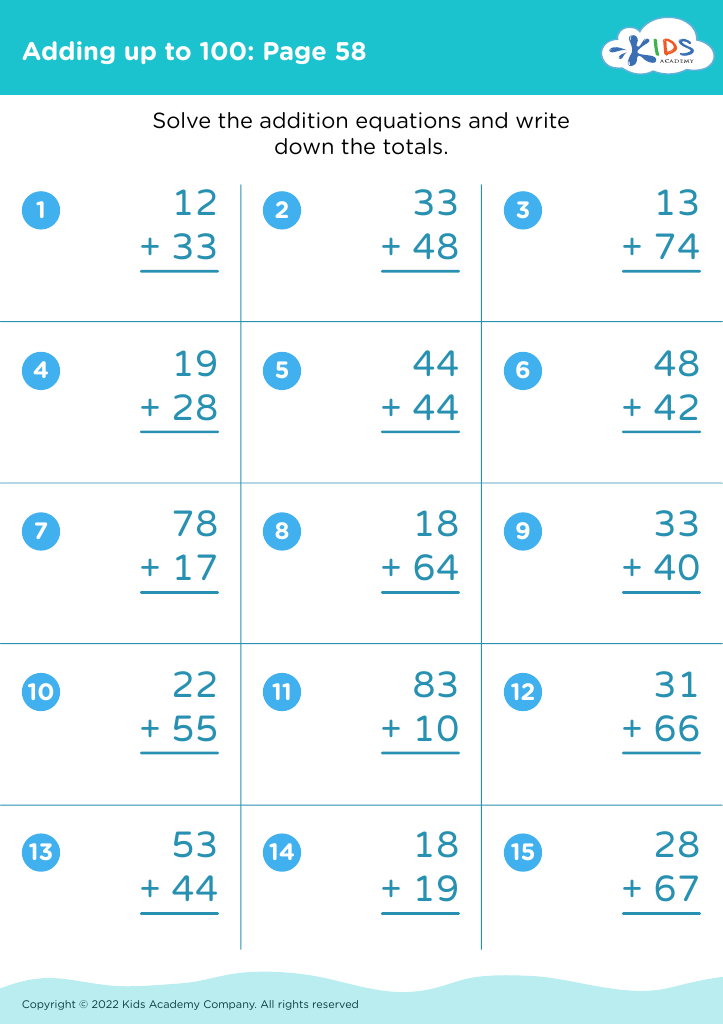








Understanding fraction identification and addition is crucial for children aged 5-9, as these skills lay the foundation for future mathematical learning. At this age, children are developing essential cognitive abilities, and introducing fractions in a concrete manner helps them grasp complex concepts later on, such as division and ratios.
For parents and teachers, fostering an understanding of fractions enhances mathematical fluency. When children learn to identify fractions (like 1/2 or 1/4) through hands-on activities—such as slicing pizza or sharing candy—they build real-world connections that make math meaningful and engaging. Furthermore, introducing fraction addition sets the stage for problem-solving and critical thinking, essential skills in academia and everyday life.
Promoting these mathematical skills also boosts children's confidence. Successfully mastering fractions, even at a basic level, can motivate them to tackle more challenging topics and cultivate a positive attitude toward math. By actively involving kids in learning about fractions, parents and teachers nurture a lifelong love for learning and encourage curiosity, which is critical in today's fast-paced world. In summary, grasping fraction identification and addition is not just about math; it's about fostering a well-rounded educational experience that supports overall development.








