Identifying shapes Addition Worksheets for Ages 5-9
24 filtered results
-
From - To
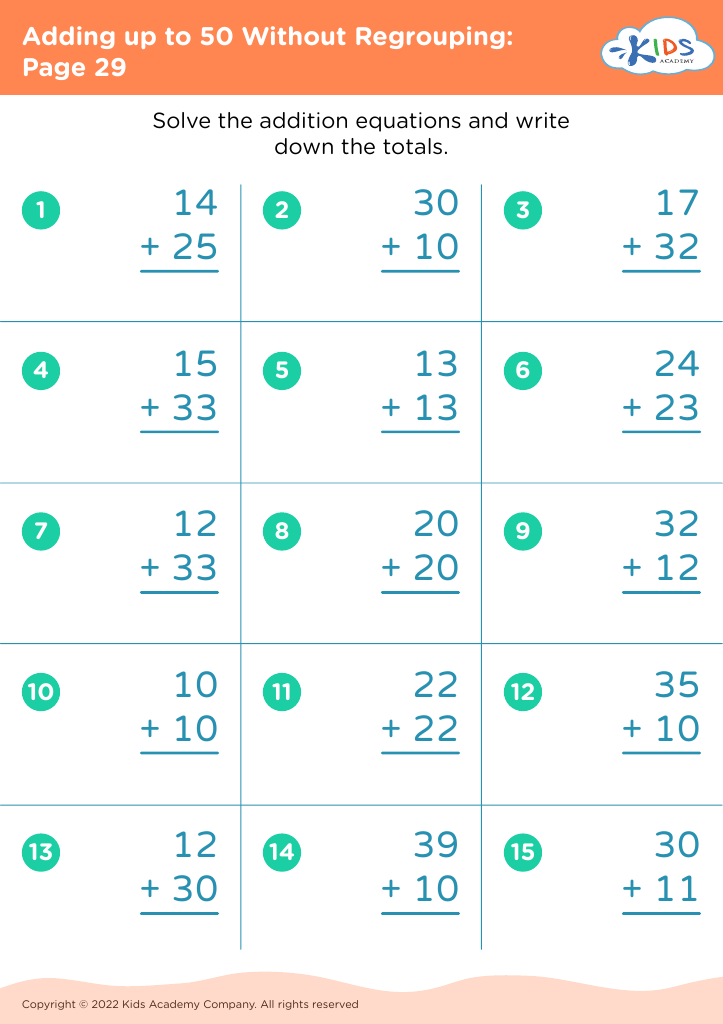
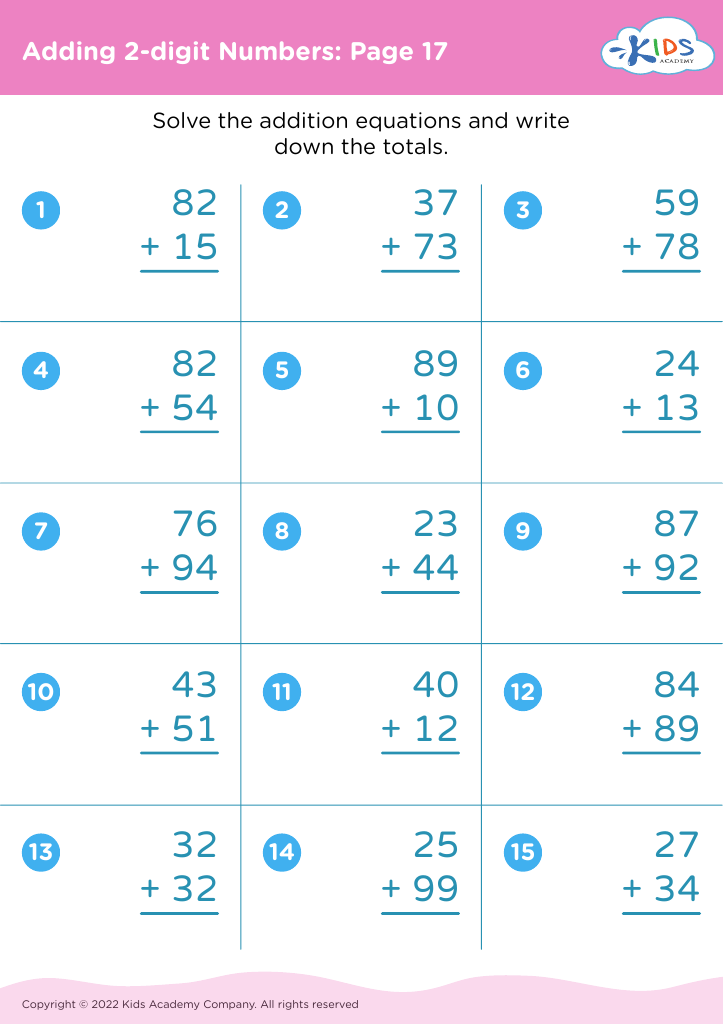
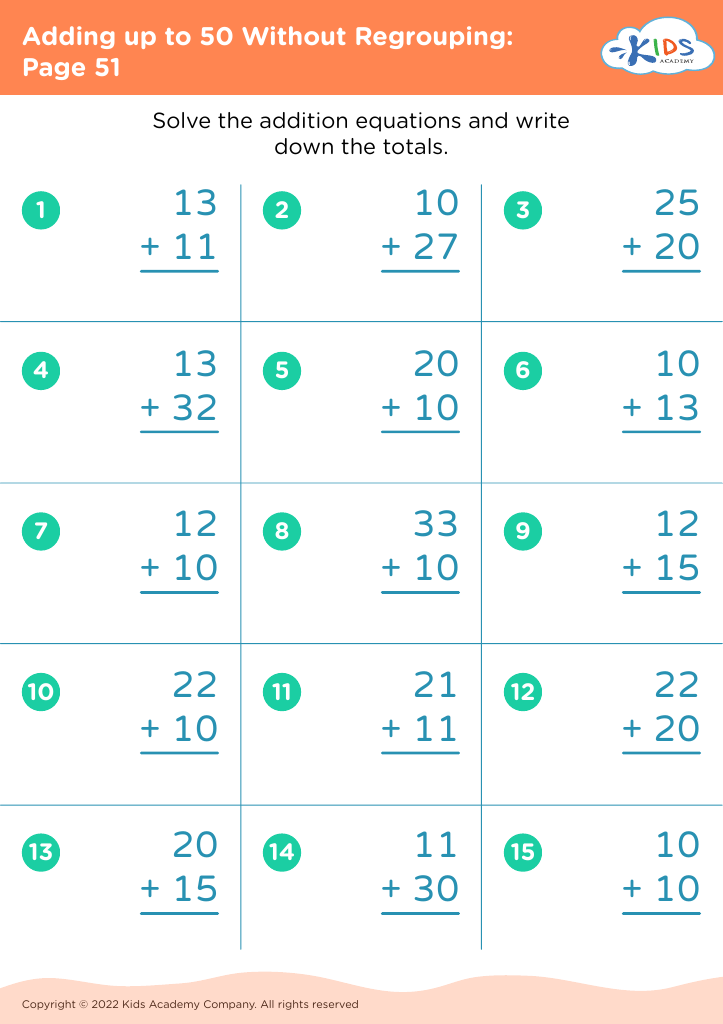
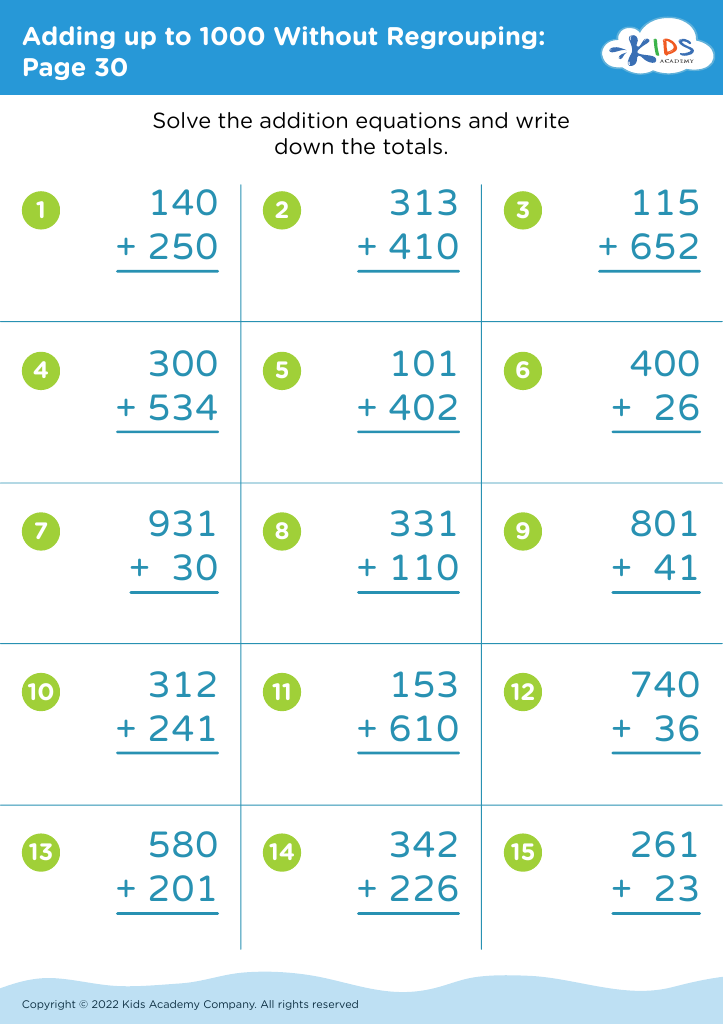
Introducing our "Identifying Shapes Addition Worksheets" designed for children ages 5-9! These engaging worksheets blend the fundamentals of shape recognition and basic addition, providing a delightful learning experience. Perfect for young learners, these worksheets encourage the development of essential math skills while nurturing an understanding of geometric shapes. Each activity is thoughtfully crafted to make learning interactive and fun, promoting cognitive growth and reinforcing classroom learning. Ideal for both teachers and parents, these printable resources are excellent for practice at home or in school. Unlock a world of math excitement with our expertly designed worksheets today!
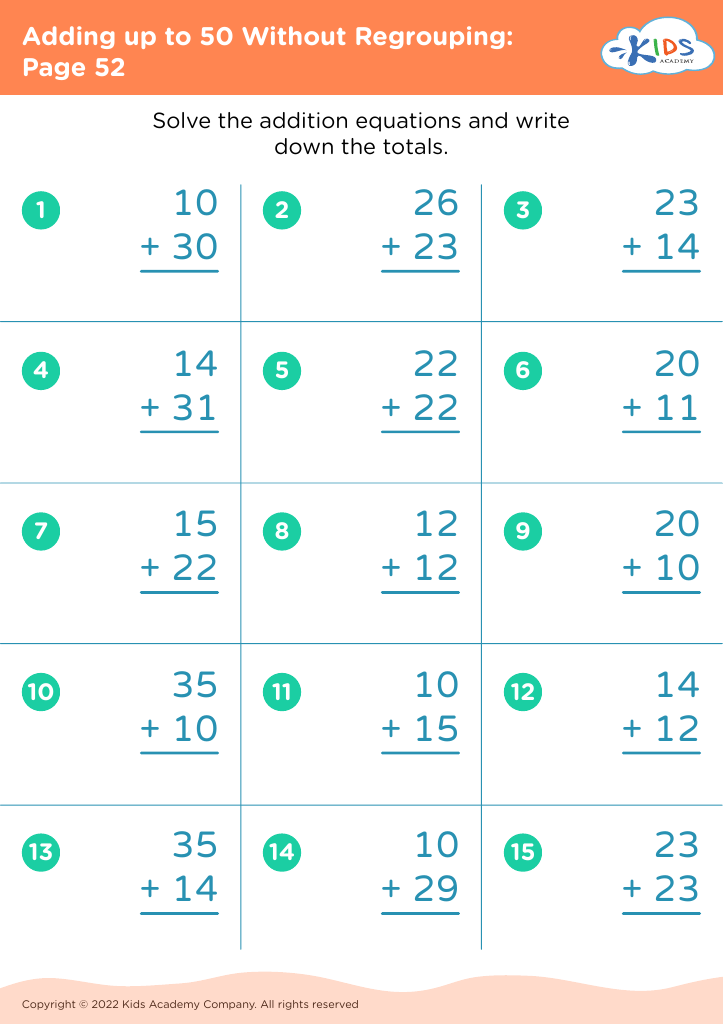
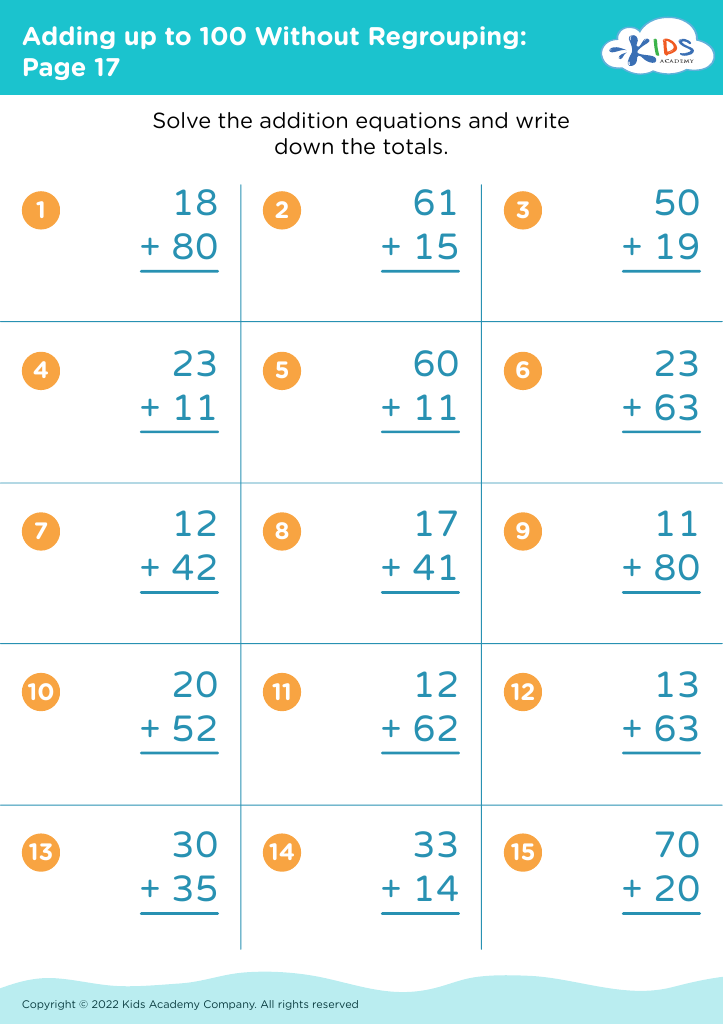
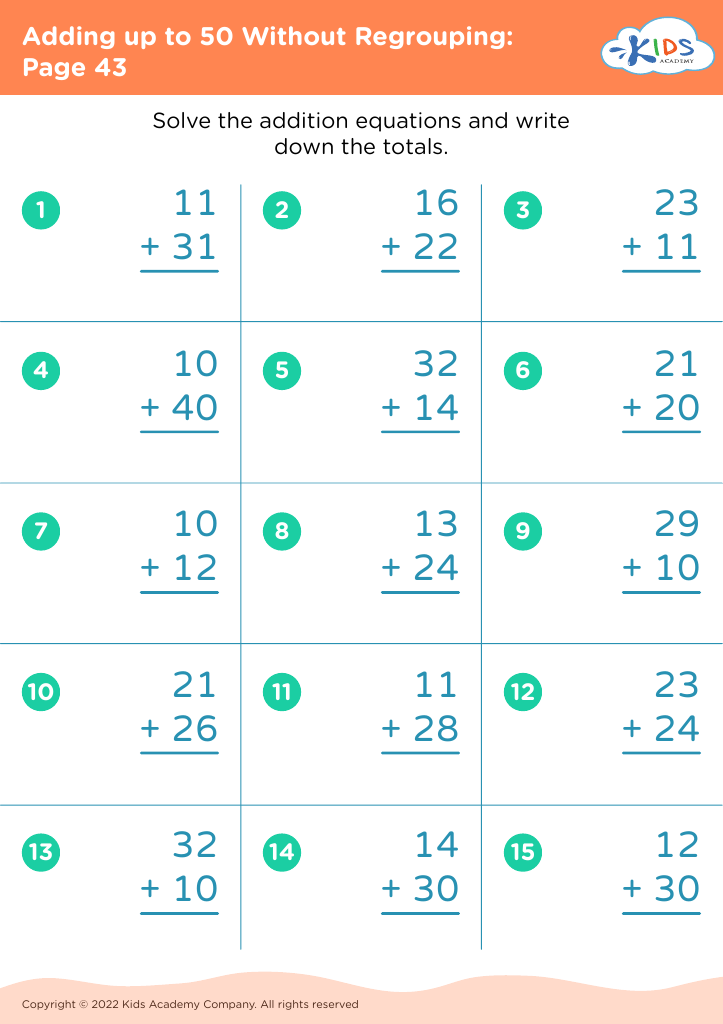
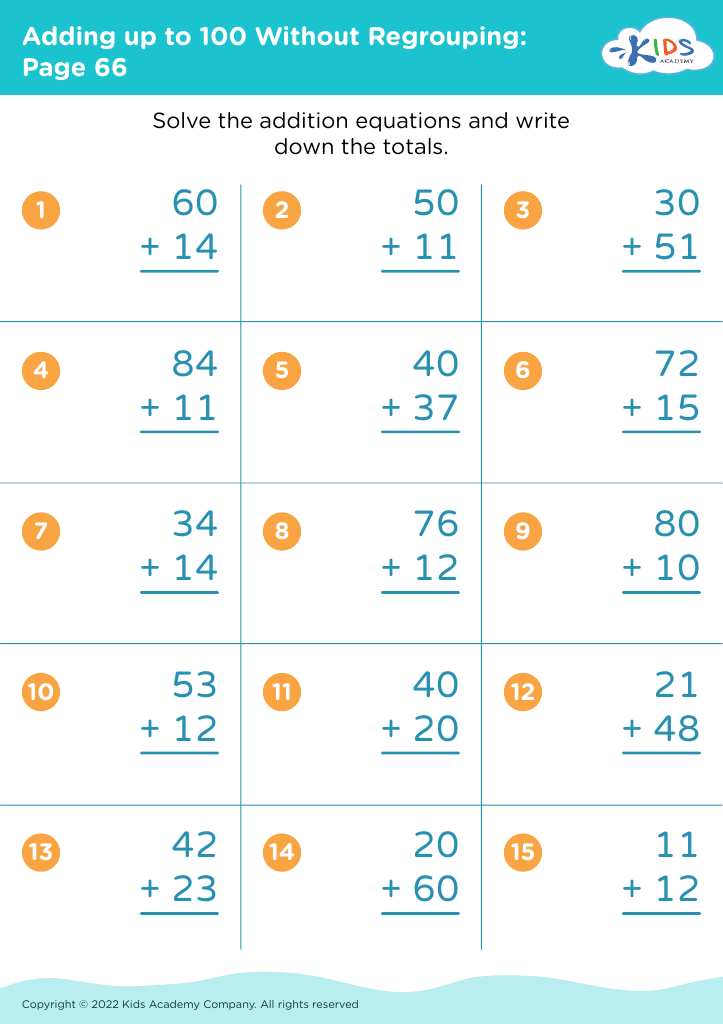
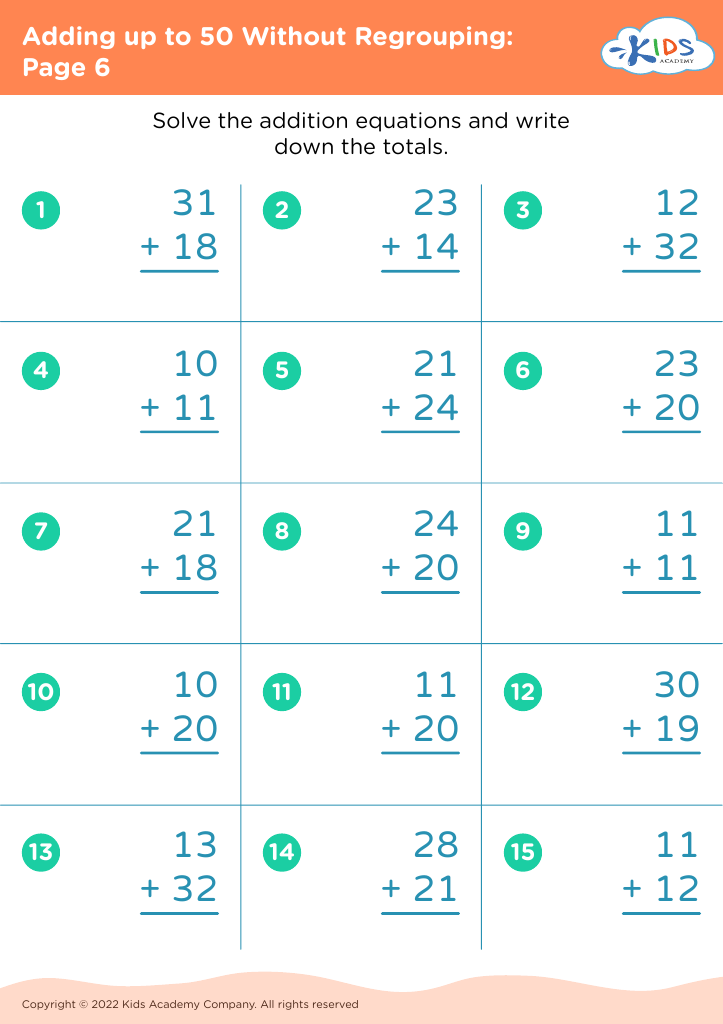
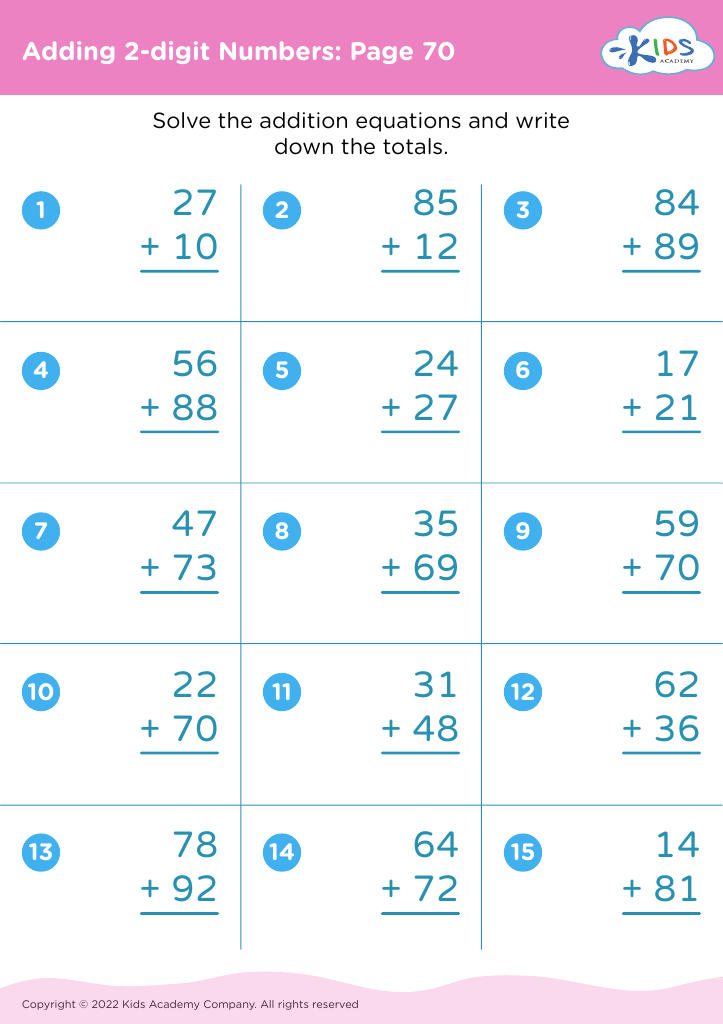
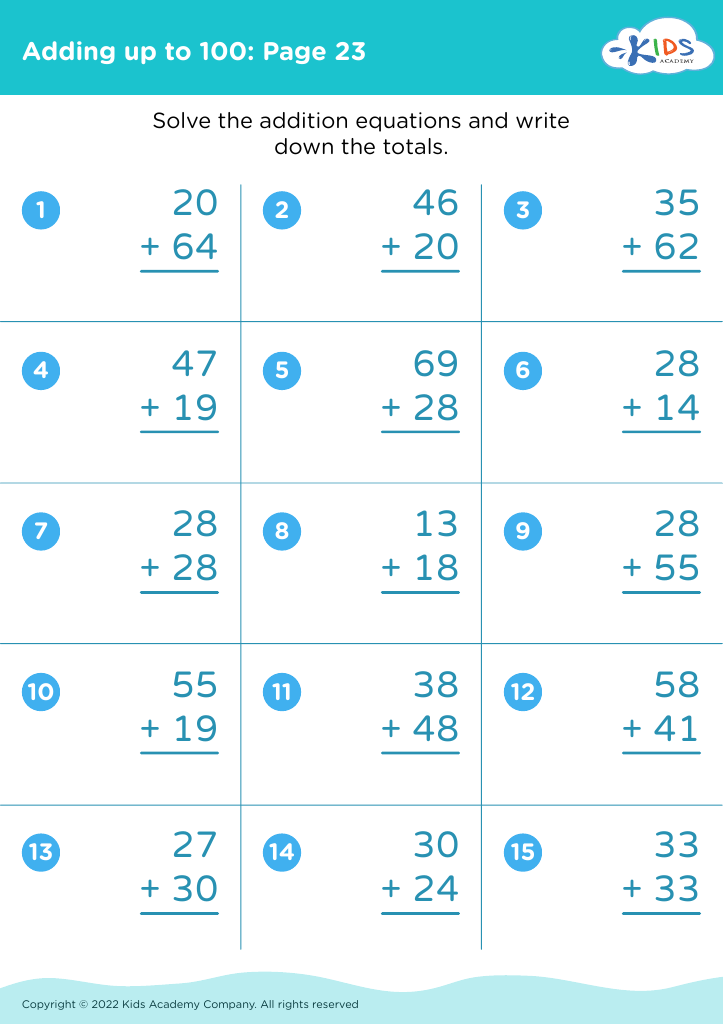
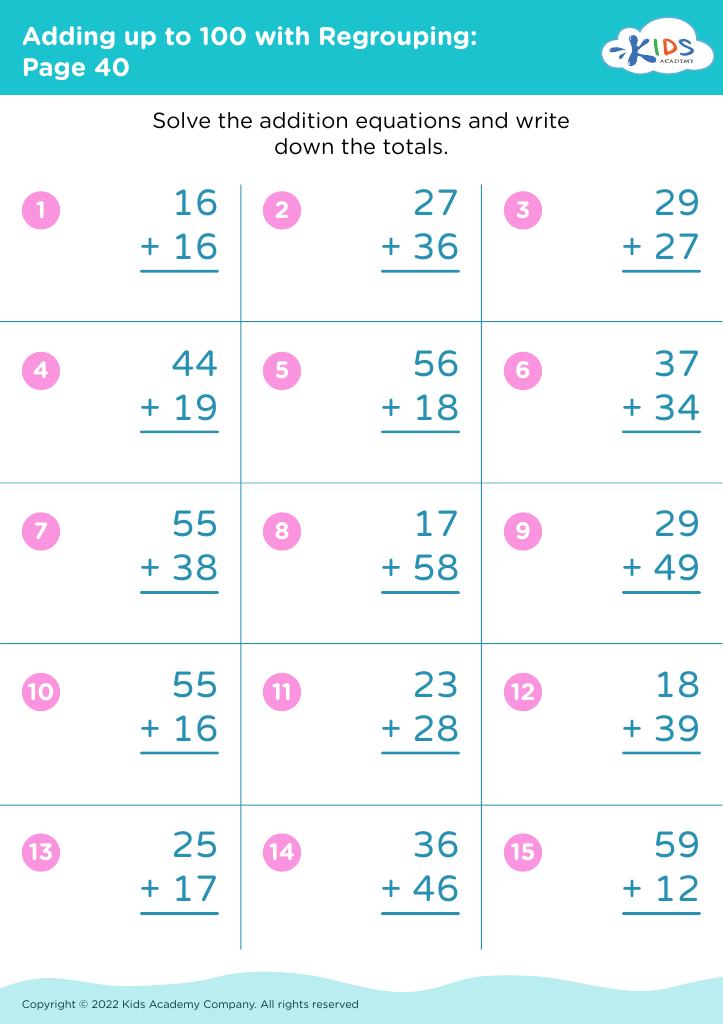
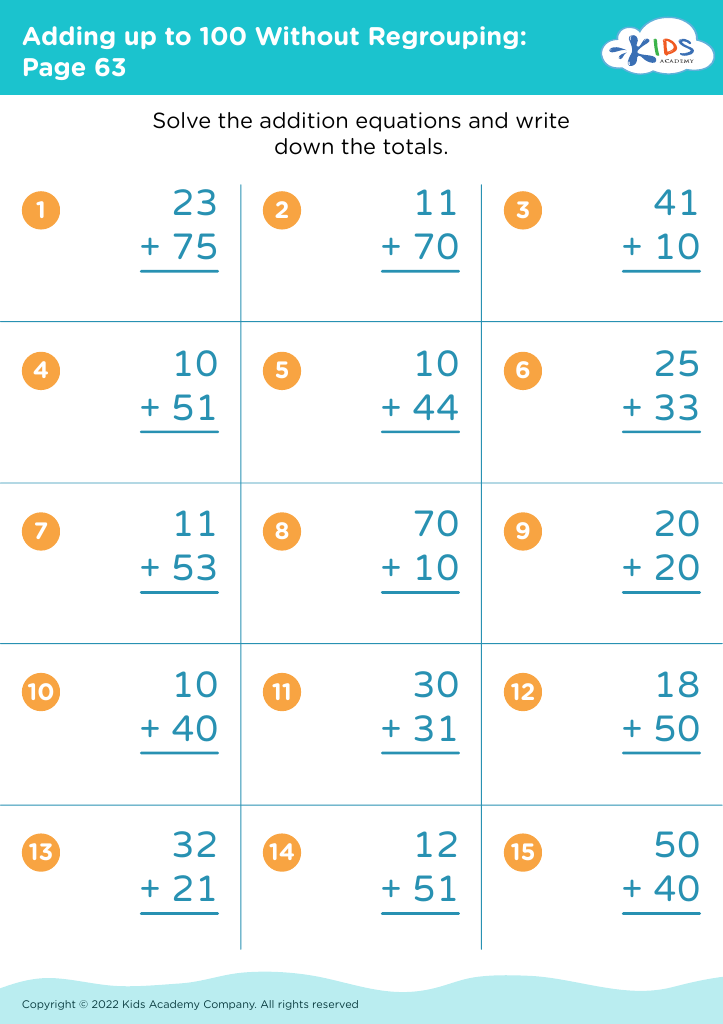
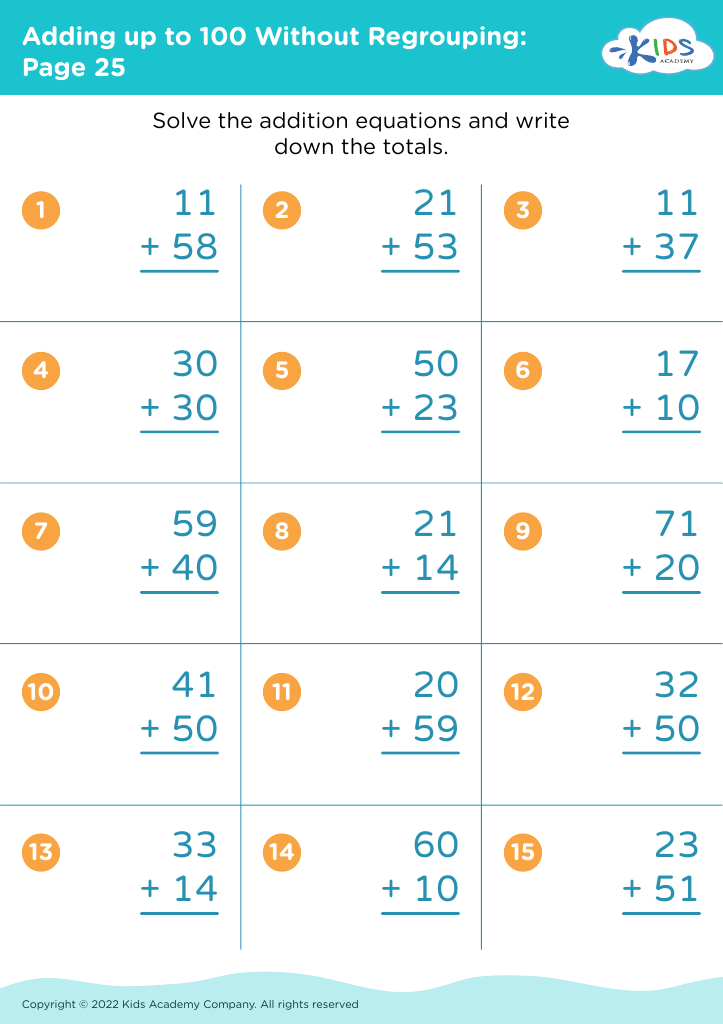
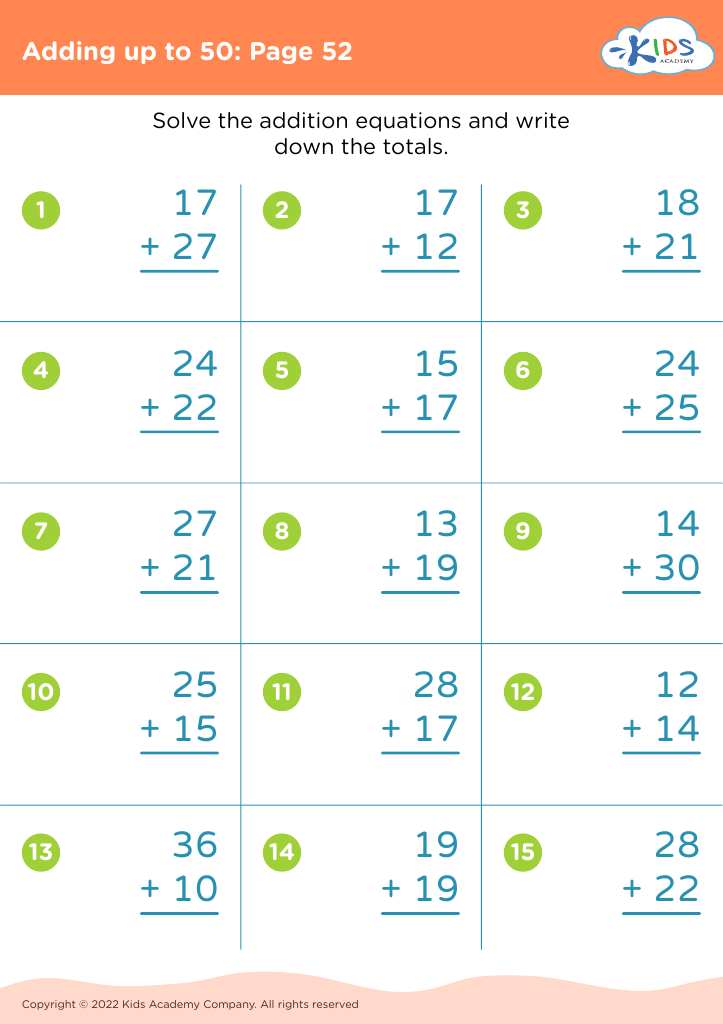
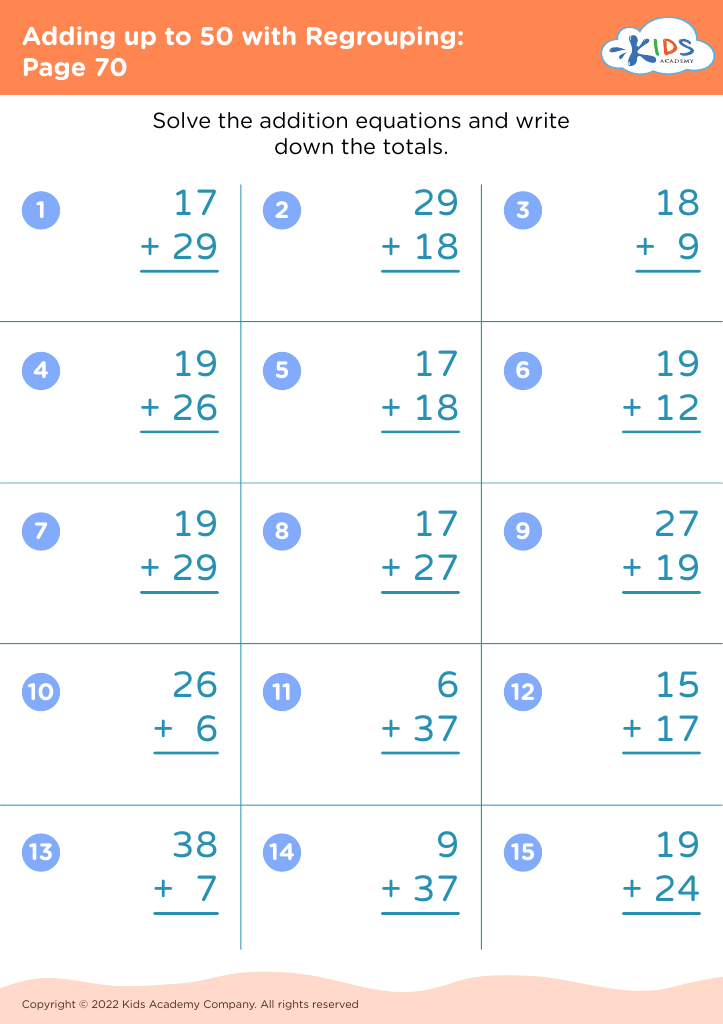
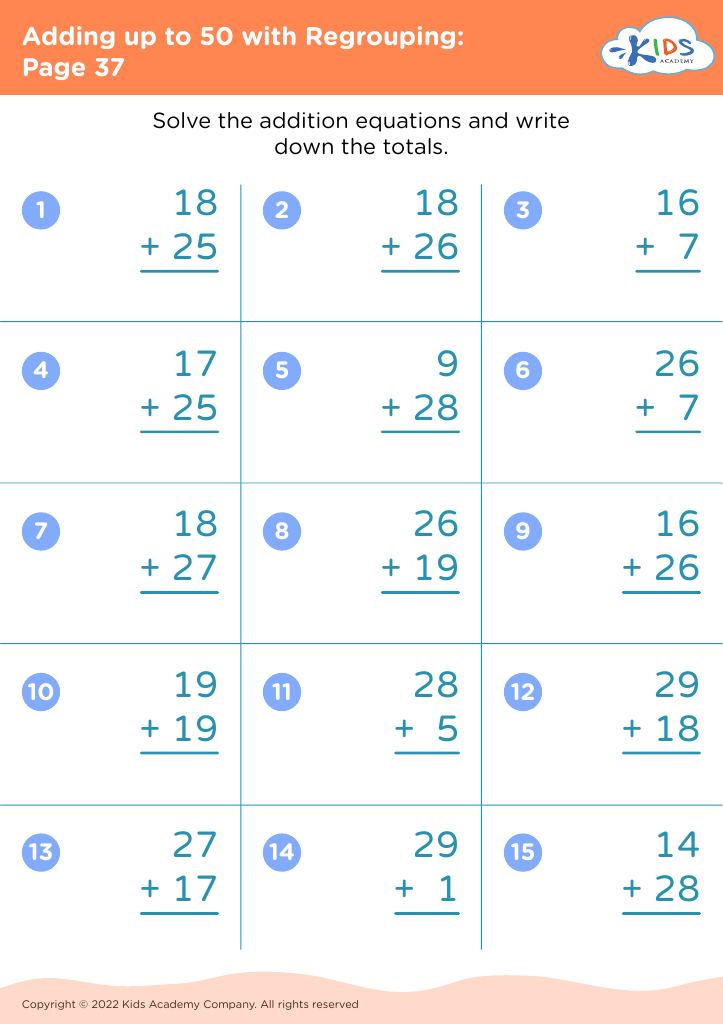
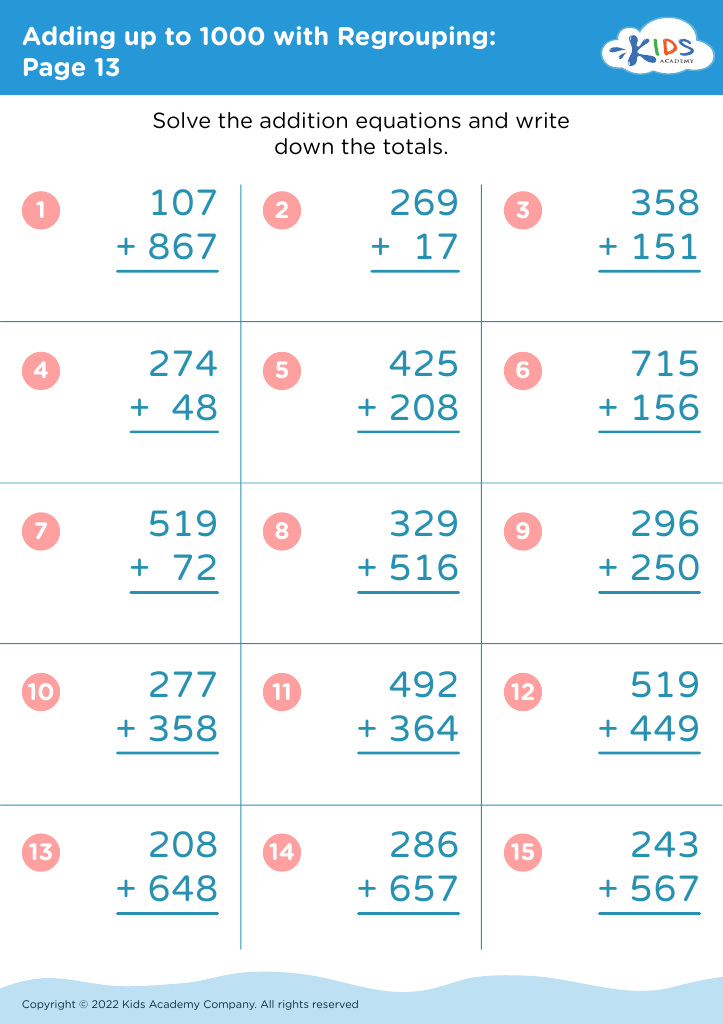
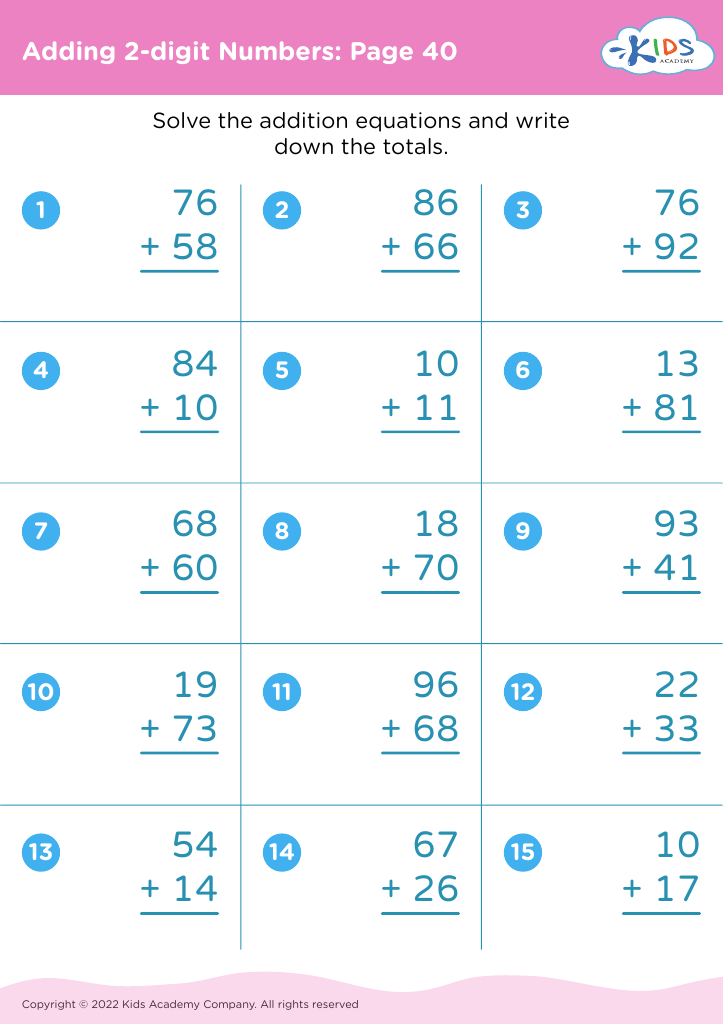
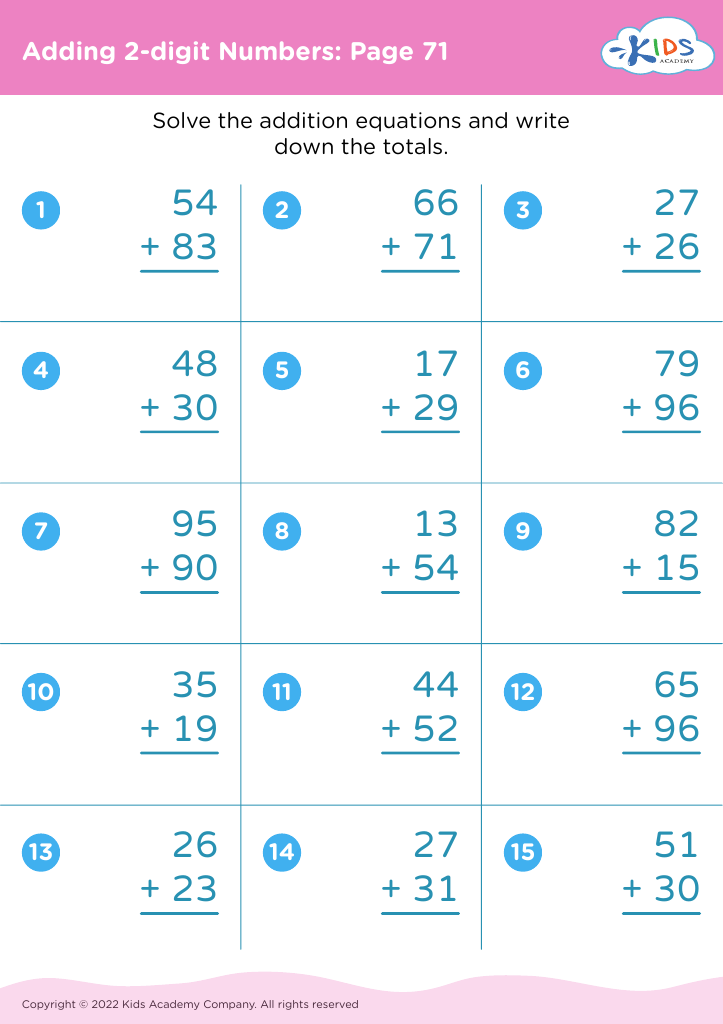
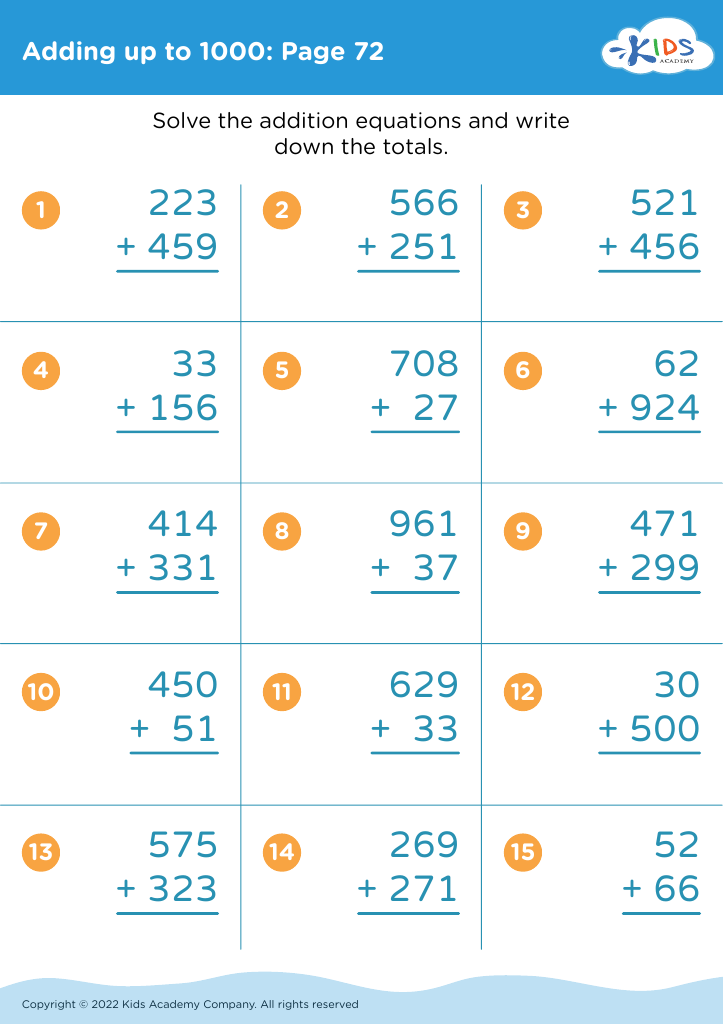
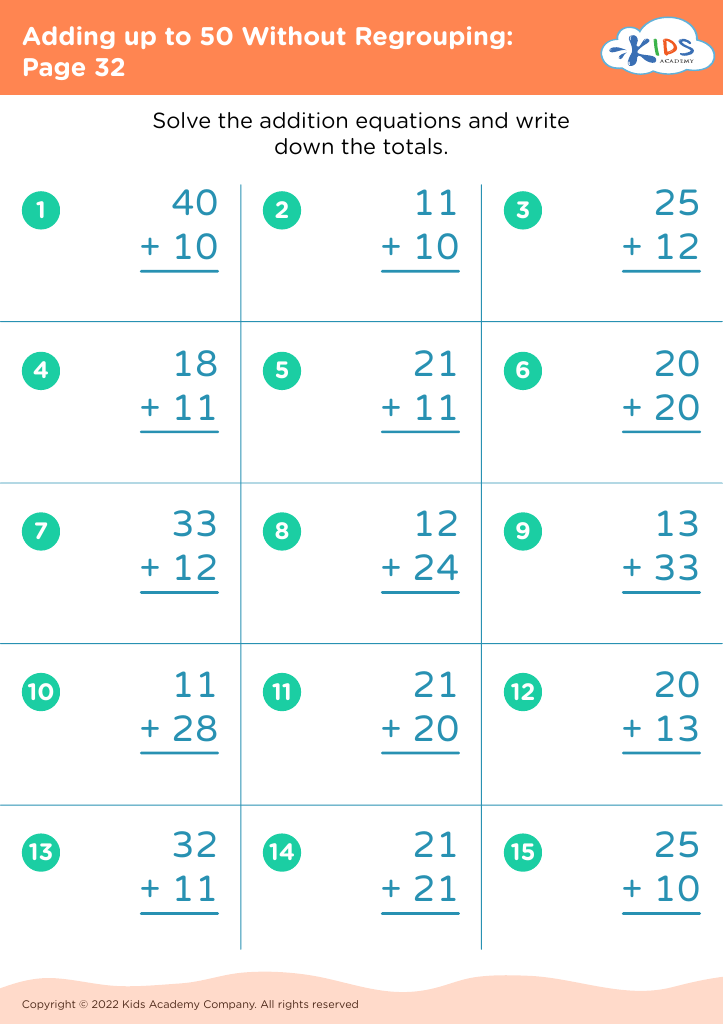
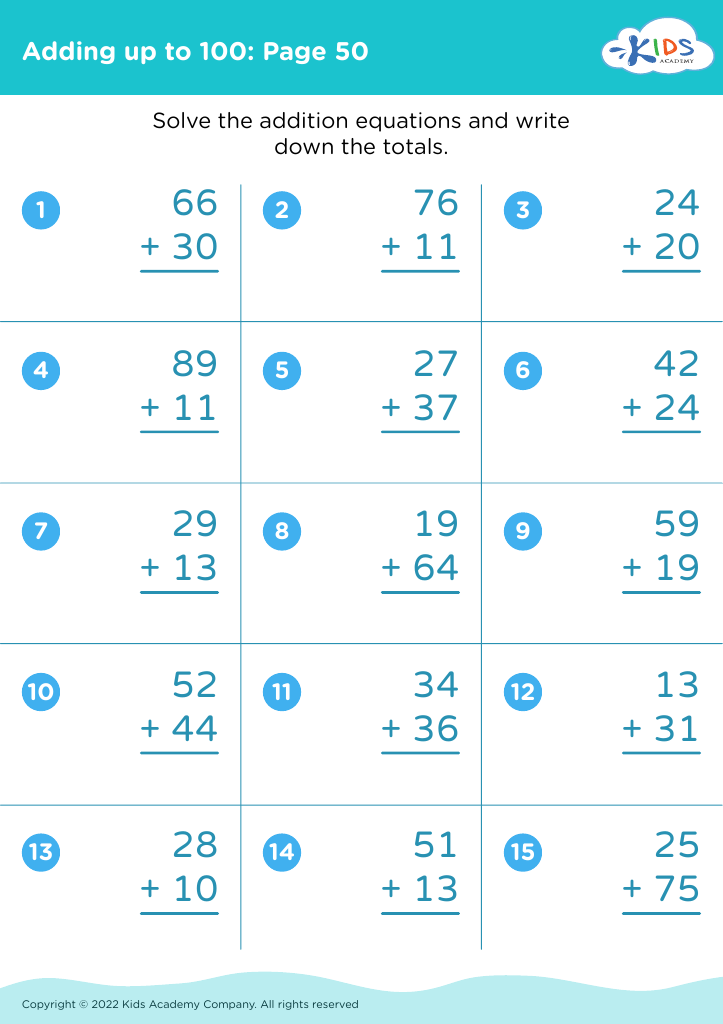
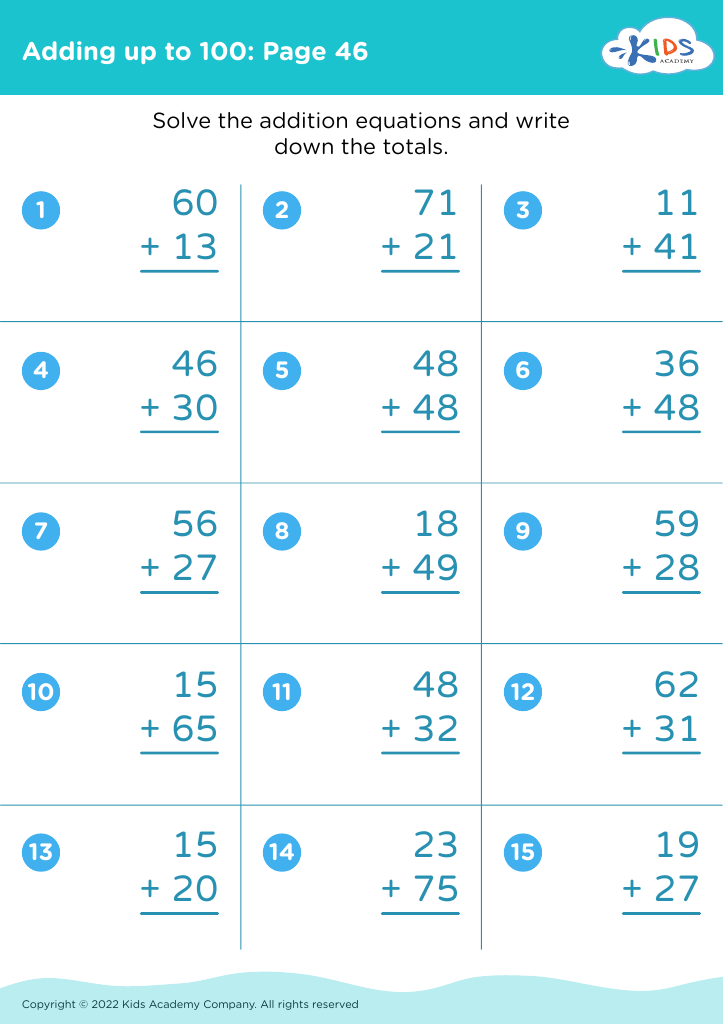








At ages 5-9, children are in a crucial developmental stage where foundational skills in math and geometry are formed. Identifying shapes and addition are essential components of early learning that parents and teachers should prioritize. Understanding shapes helps children recognize and categorize objects in their environment, which enhances spatial reasoning—a critical skill for tasks ranging from reading maps to assembling puzzles. This geometric awareness is also linked to future success in subjects like science, technology, engineering, and mathematics (STEM).
Addition, on the other hand, is a fundamental arithmetic skill that serves as the building block for all higher-level math. Mastery of basic addition not only instills numerical fluency but also fosters problem-solving abilities, logical thinking, and memory retention. When children develop competence in addition, they gain confidence in their mathematical abilities, setting a positive trajectory for their educational journey.
Moreover, both skills—identifying shapes and addition—aid in developing fine motor skills and hand-eye coordination through activities like drawing shapes or counting objects. These skills are integrative; for instance, counting the sides of shapes combines both aspects. By providing engaging, hands-on learning experiences, parents and teachers can encourage young learners to explore, manipulate, and understand their world mathematically, laying a solid foundation for future academic success.








