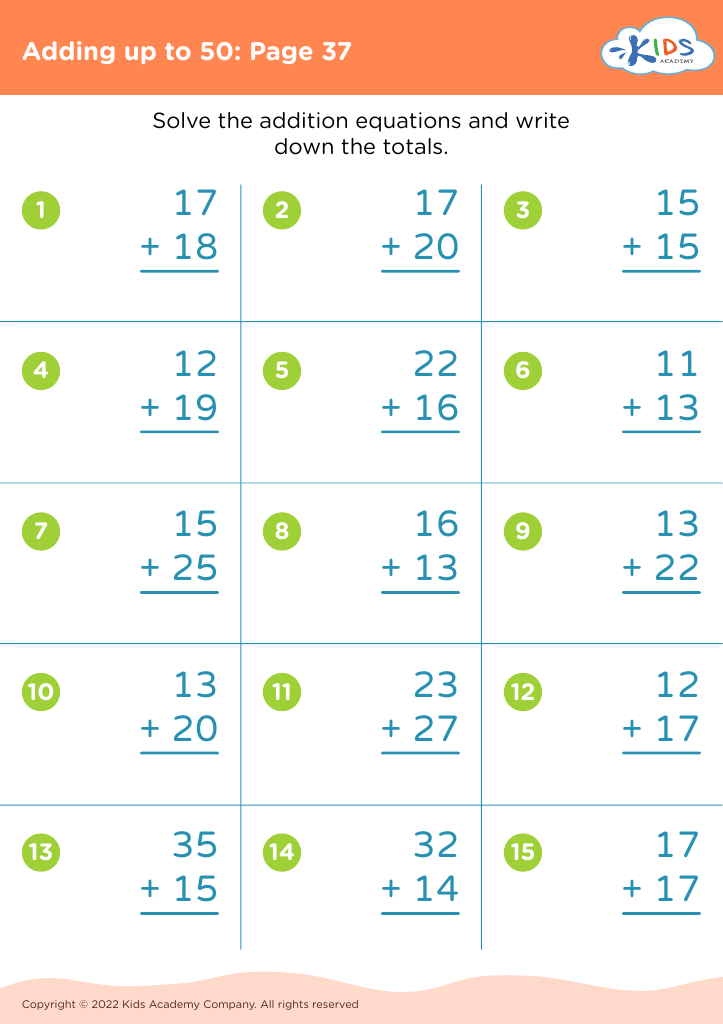
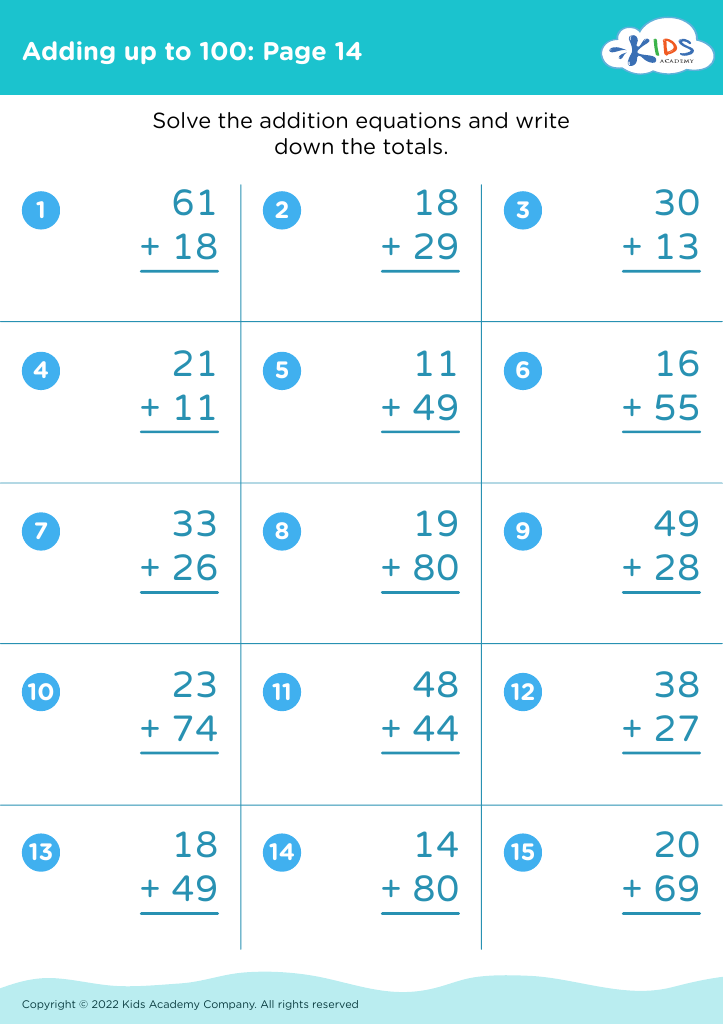
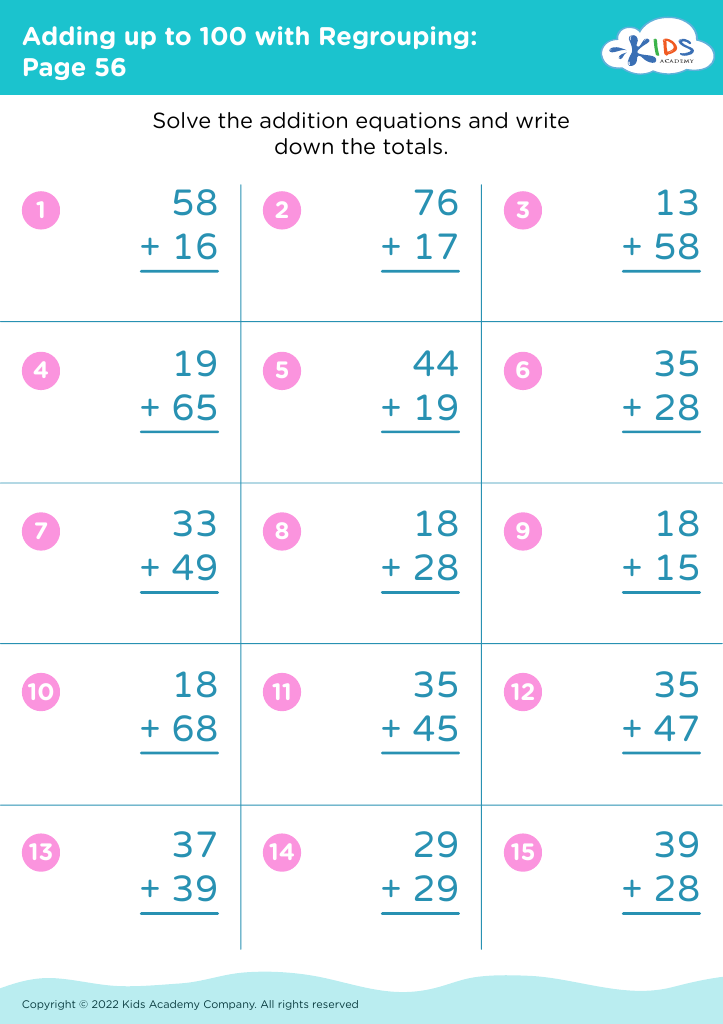
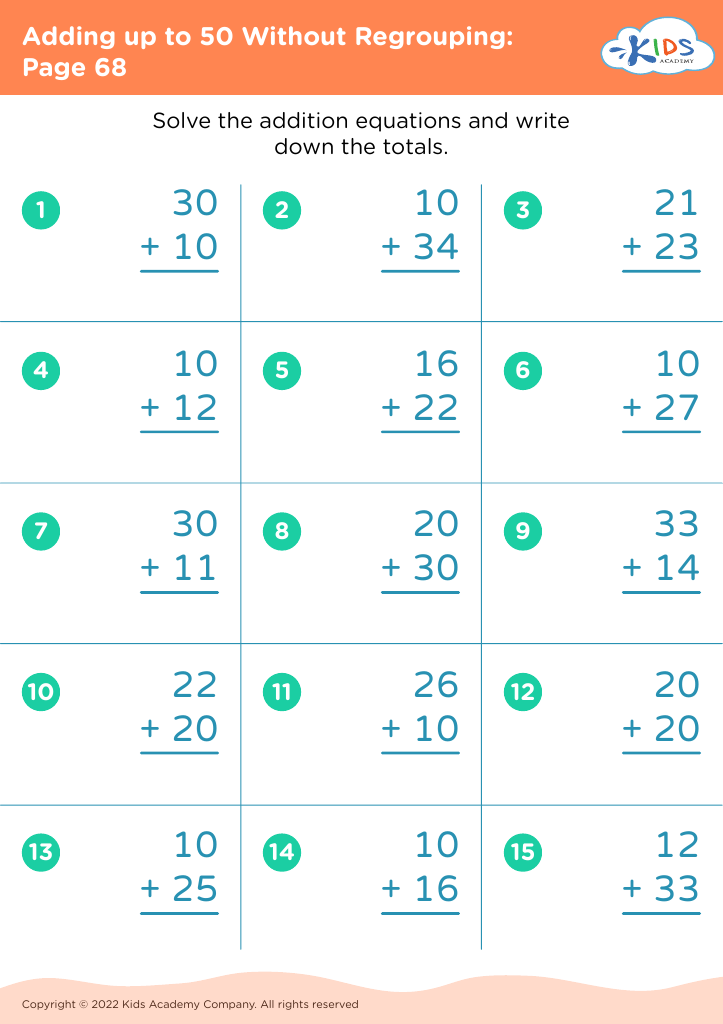








Recognizing shapes and understanding basic addition are critical skills that form the foundation of mathematical learning for children aged 5-9. During these early years, children are developing crucial cognitive abilities, and engaging with shapes and numbers helps support this development, enhancing their spatial awareness, problem-solving skills, and logical thinking.
When children can recognize and differentiate shapes, they learn to observe and interpret the world around them, which is essential for grasping more complex concepts later on. Shapes are everywhere, from the rectangles in books to the circles in clocks, and understanding these forms can help children make sense of their environment.
Addition, on the other hand, introduces children to the fundamental concept of mathematical operations. Grasping addition not only prepares them for more advanced arithmetic but also encourages analytical thinking. Through practical applications like counting objects or combining groups of items, children start to develop a sense of numbers and quantities.
Parents and teachers play a vital role in fostering these skills through interactive and engaging activities. This involvement not only improves academic readiness but also instills a love for learning early on. By prioritizing shape recognition and addition, they lay down a solid groundwork that boosts children’s confidence and resources for more complex mathematical and logical reasoning in the future.








