Shape Recognition Addition Worksheets for Ages 5-9 - Page 2
32 filtered results
-
From - To
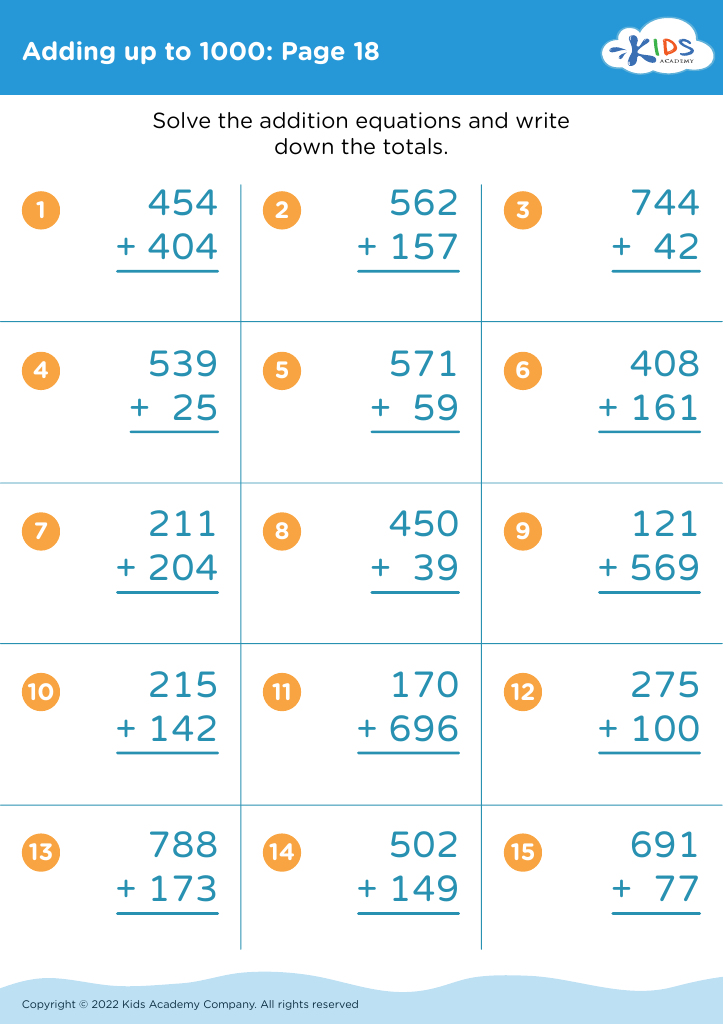
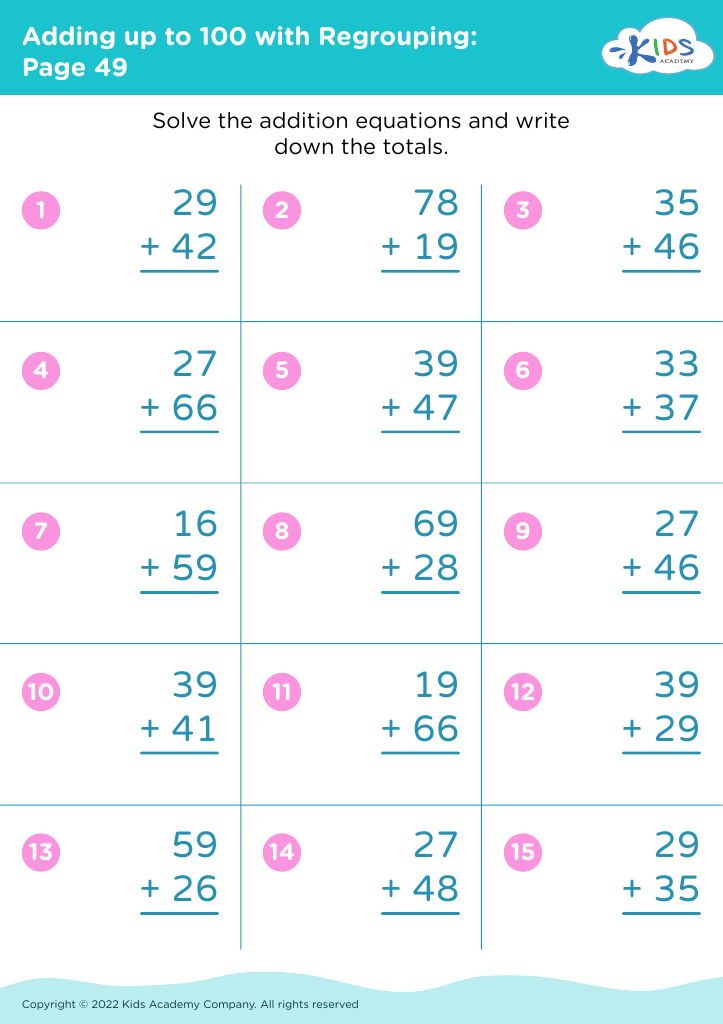
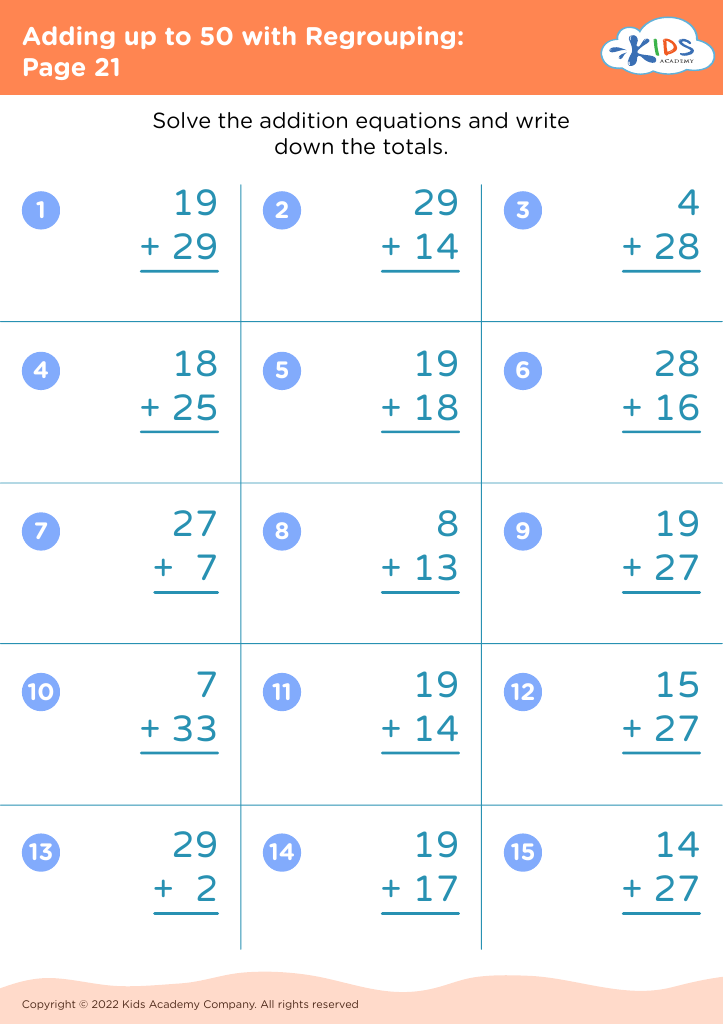
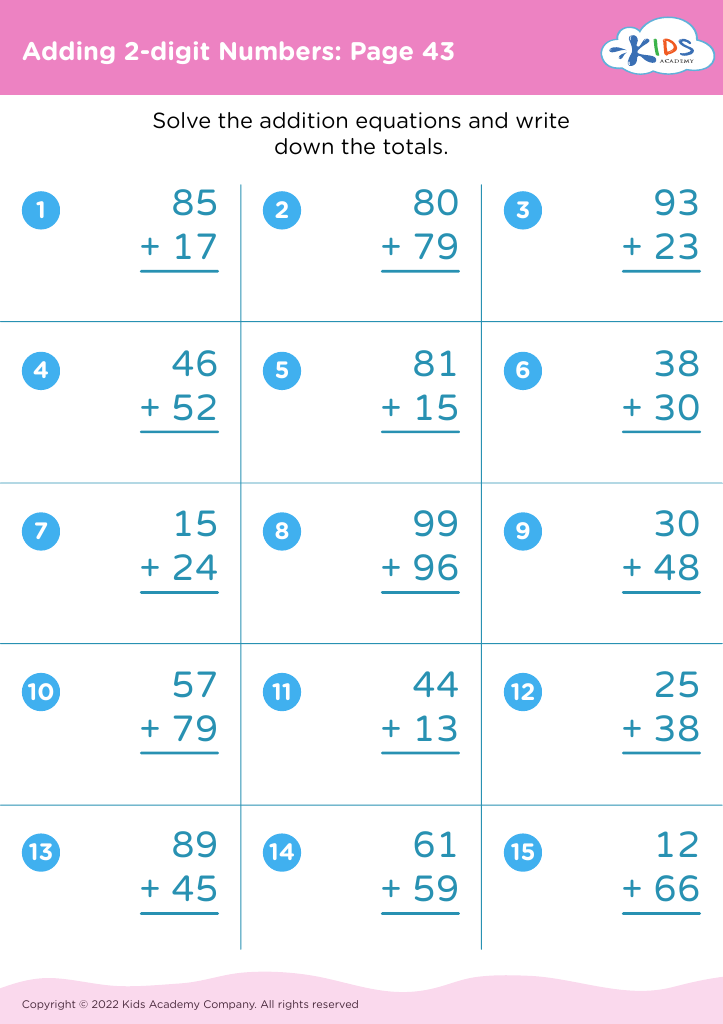
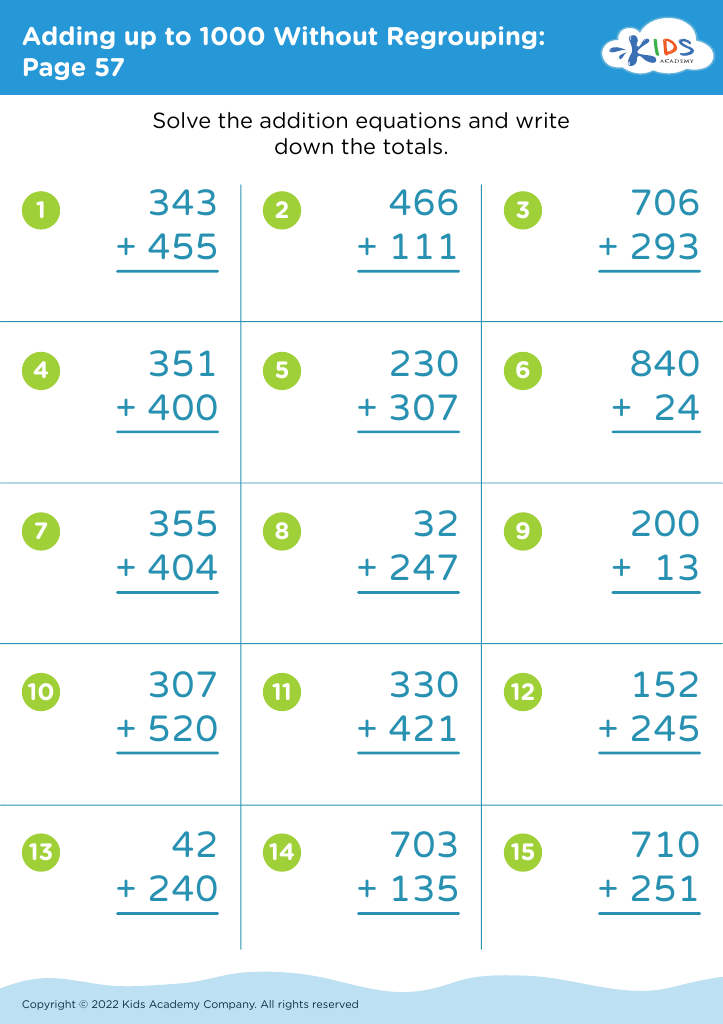
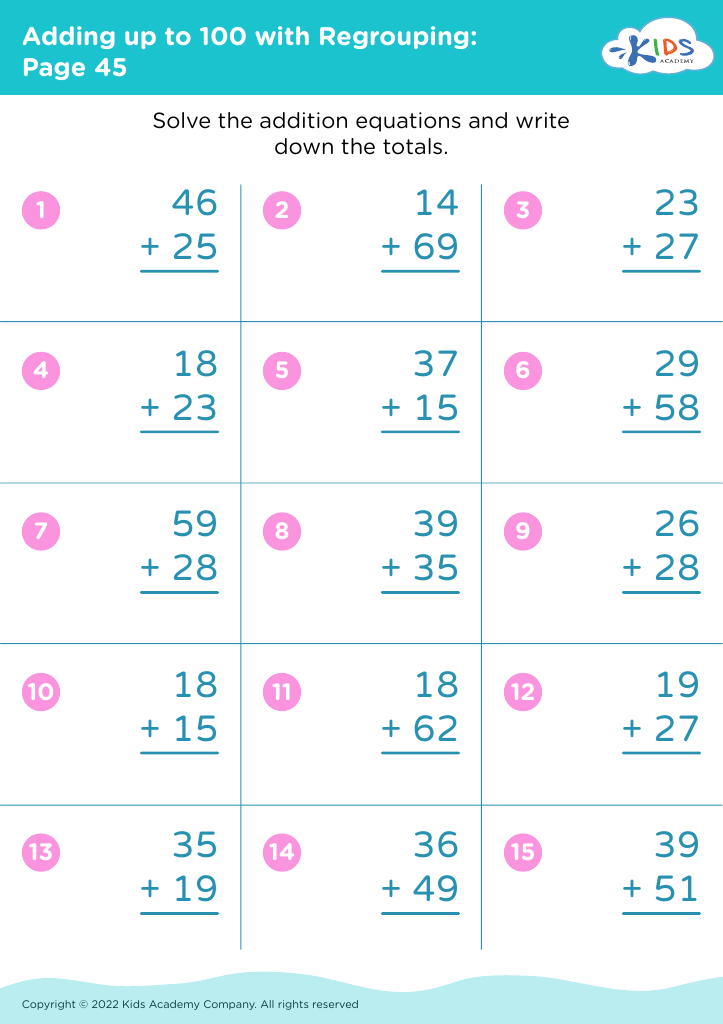
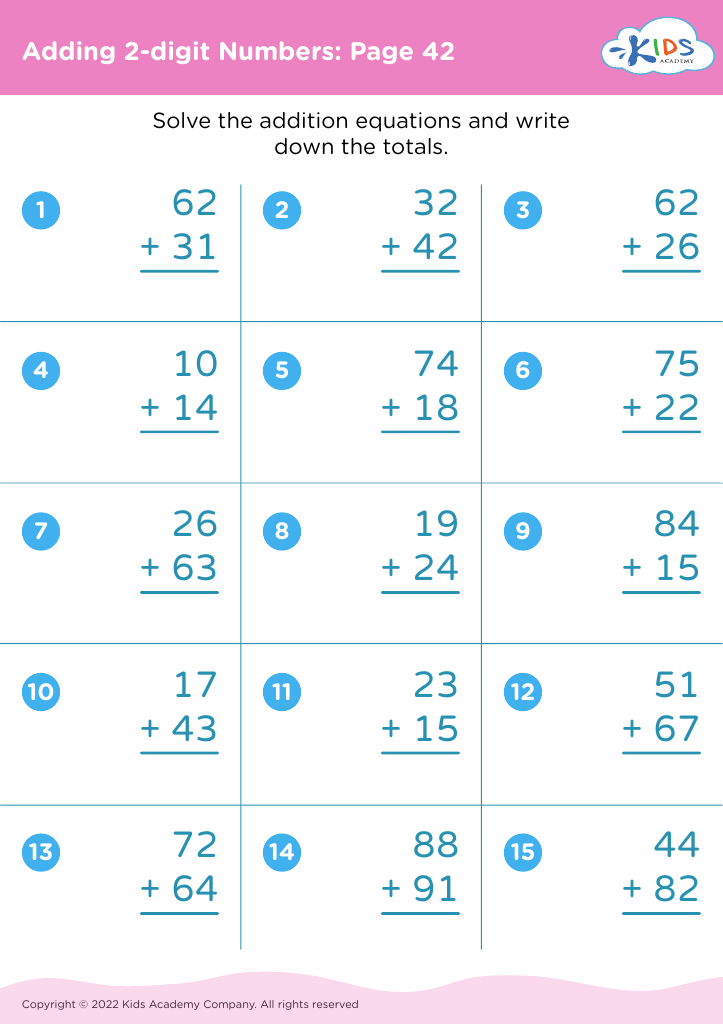
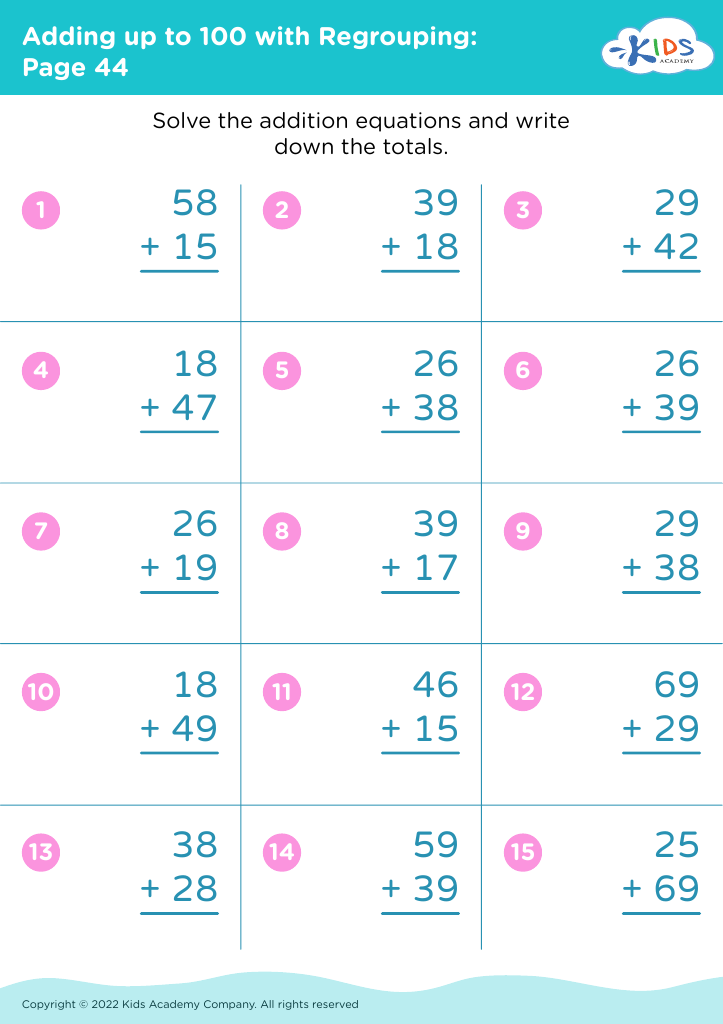








Shape recognition addition is a foundational skill that significantly impacts early cognitive and mathematical development for children aged 5-9. Understanding shapes and their properties not only fosters spatial awareness but also lays the groundwork for more complex mathematical concepts such as geometry, measurement, and problem-solving.
Parents and teachers should care about this skill because it aids in the development of critical thinking and analytical abilities. As children learn to identify shapes and connect them with numerical values, they cultivate an understanding of basic addition principles. This fusion of visual stimuli with mathematical operations enhances memory retention and encourages engagement through interactive learning.
Moreover, proficiency in shape recognition can build confidence in young learners, setting a positive tone for their overall academic journey. This skill also promotes fine motor development, as children manipulate shapes through various hands-on activities.
By emphasizing shape recognition addition, caregivers can better prepare children for future collaboration in math-related environments and encourage a love for learning in STEM subjects. Ultimately, fostering these early cognitive skills can lead to lifelong benefits in academic performance and practical problem-solving abilities.








