
Understand multiplication Addition Worksheets for Ages 5-9
6 filtered results
Difficulty Level
Grade
Age
-
From - To
Subject
Activity
Standards
Introduce your child to the fascinating world of multiplication with our engaging Addition Worksheets for ages 5-9. These expertly designed worksheets help young learners grasp the concept of multiplication through addition, building a strong mathematical foundation. Perfect for early grade students, our worksheets are filled with fun, interactive exercises that make learning enjoyable and effective. Whether your child is just beginning their math journey or looking to reinforce their skills, our resources will guide them every step of the way. Start exploring today and watch your child’s confidence and competence in math soar!
Favorites
With answer key
Interactive
Join Kids Academy for Free
Who is primarily going to use this learning content?





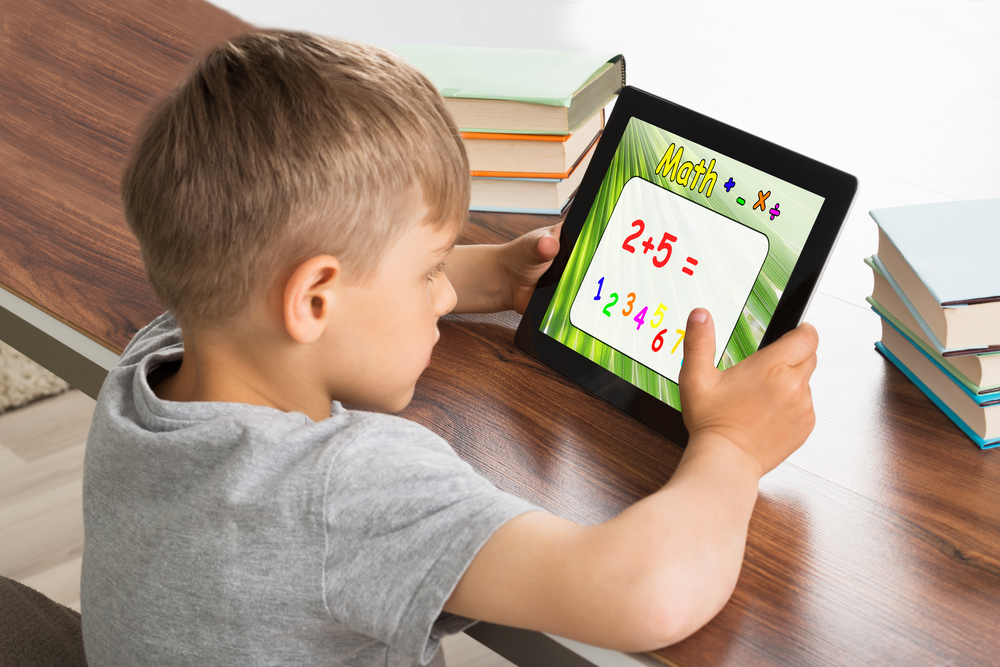


Understanding multiplication and addition at an early age (5-9 years) provides a critical foundation for more complex mathematical concepts. These skills extend far beyond academics, fostering logical thinking and problem-solving abilities that children will use throughout their lives.
Firstly, mastering addition is the gateway to understanding multiplication, often conceptualized as repeated addition (e.g., 3+3+3 is the same as 3x3). Children who grasp this early find it easier to tackle more complex equations and advanced subjects, such as algebra and geometry, later on.
When children understand these concepts, they develop confidence in their mathematical abilities, making them less likely to feel anxious about math. This comfort can translate into a positive attitude towards learning in general, encouraging lifelong educational engagement.
Furthermore, addition and multiplication skills are incredibly practical. From calculating money and managing time to navigating measurements in cooking or building, these fundamental math skills permeate everyday life. Early proficiency helps children become more independent and resourceful.
For parents, engaging in these foundational math skills with their children opens opportunities for bonding and demonstrates the importance of education. For teachers, a strong emphasis on these concepts ensures that students have a sturdy footing as they progress through increasingly challenging material. Ultimately, an early mastery of addition and multiplication sets children up for long-term academic and personal success.








