Understanding patterns Addition Worksheets for Ages 5-9 - Page 2
29 filtered results
-
From - To
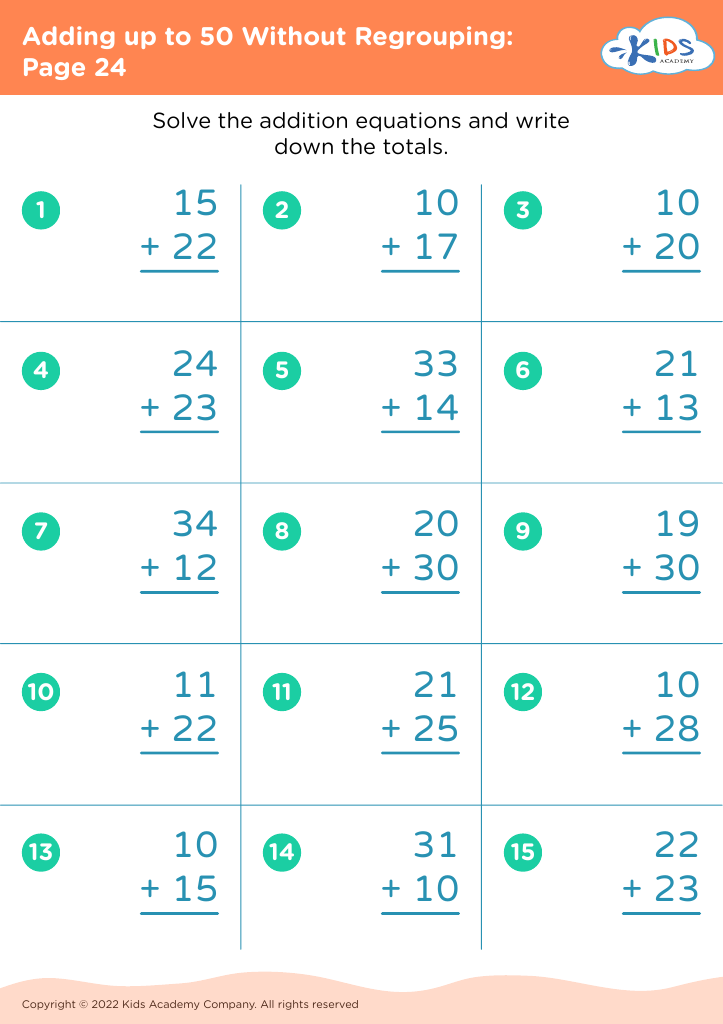
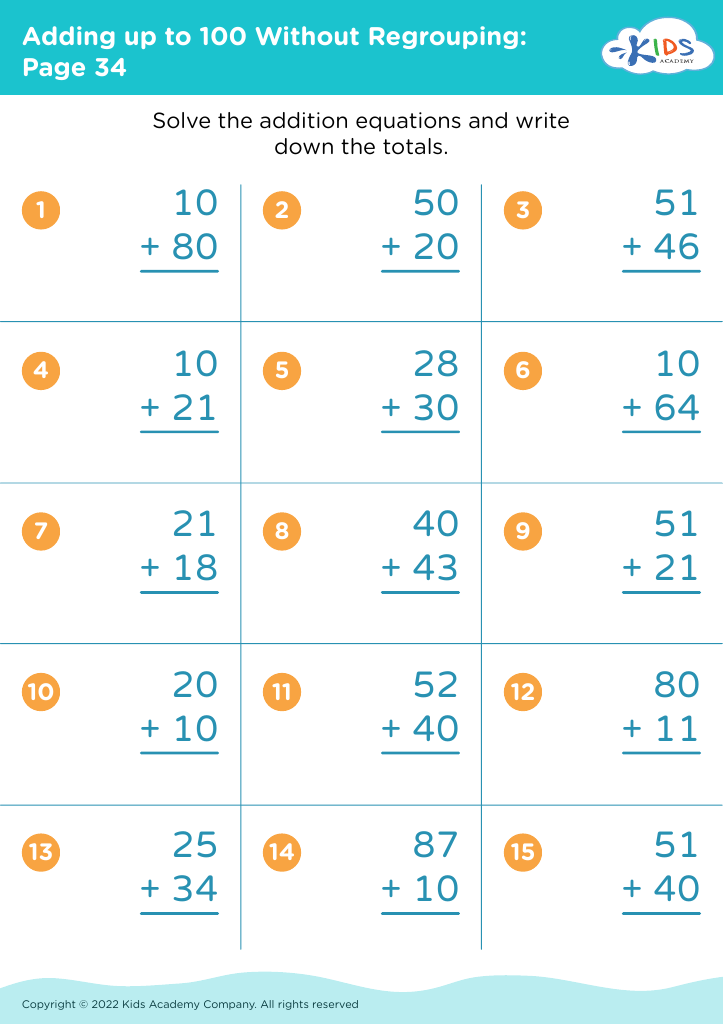
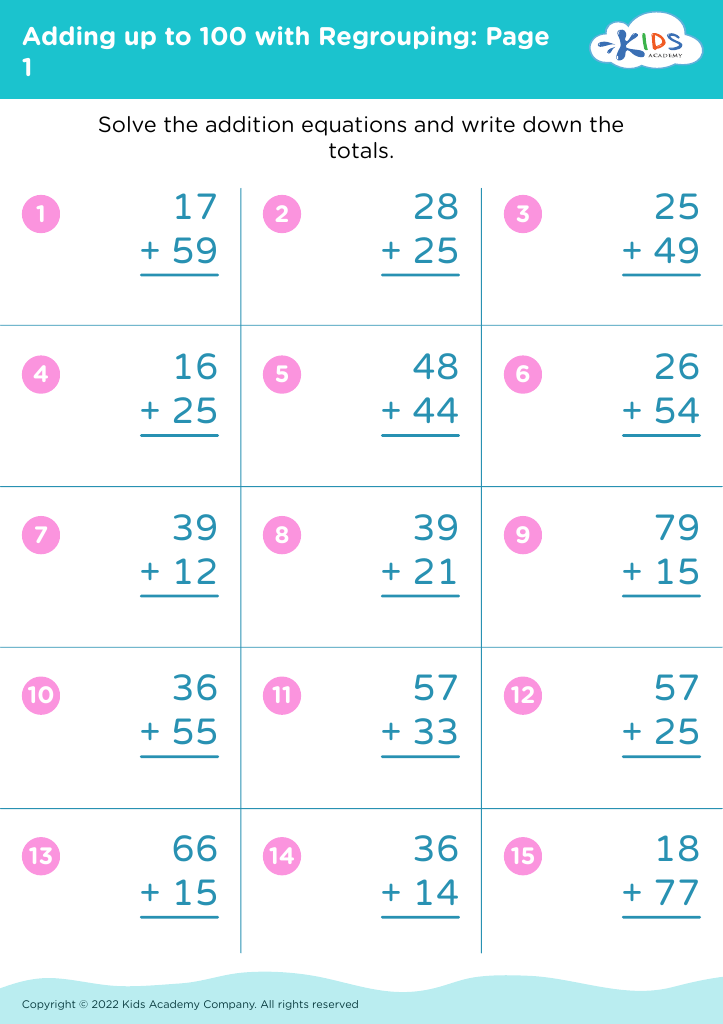
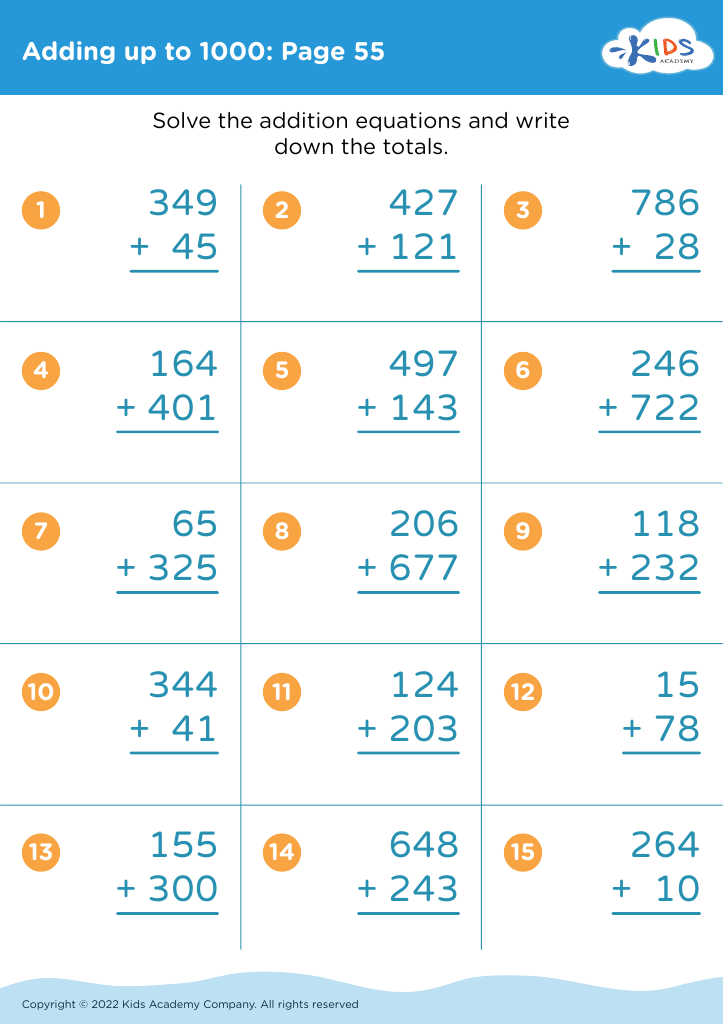
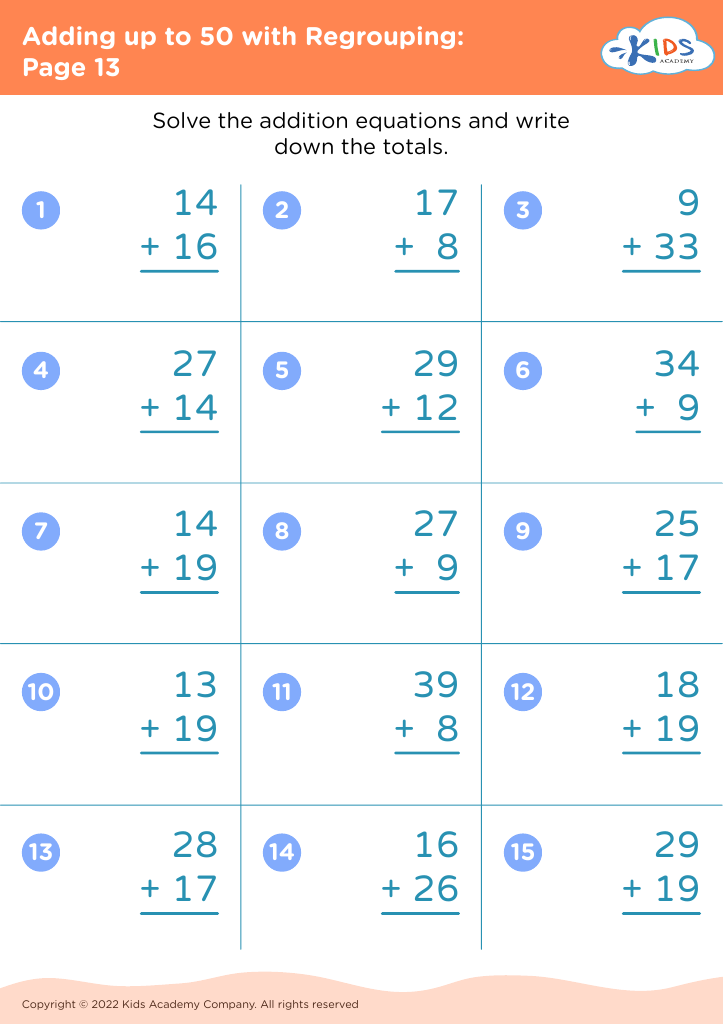






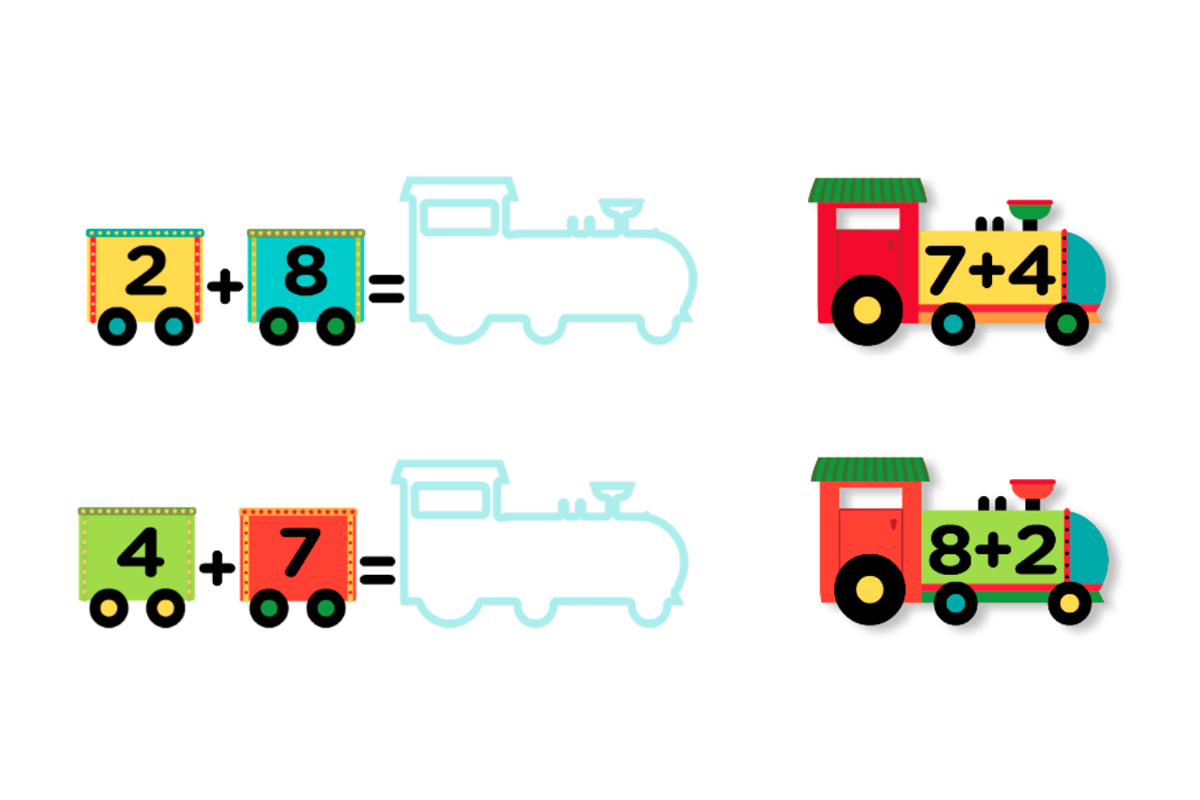

Understanding patterns and addition is crucial for children aged 5-9, as it forms the foundation of their mathematical abilities. Parents and teachers should prioritize this learning because recognizing patterns enhances critical thinking and problem-solving skills. When children identify patterns, whether in numbers or shapes, they learn to predict outcomes and make connections, which are key components of mathematical reasoning.
Moreover, addition is one of the first concepts children encounter in math. Grasping the basics of addition enables them to understand more complex mathematical operations later on, like subtraction, multiplication, and division. Engaging children in activities that combine addition with pattern recognition helps solidify these concepts while keeping learning fun and interactive.
Early mastery of these skills can boost a child's confidence in math, reducing anxiety related to the subject. Furthermore, when parents and teachers collaborate to reinforce these concepts through games, real-life scenarios, and hands-on activities, they create an enriching learning environment. Ultimately, understanding patterns and addition is not just vital for academic success but also for cultivating a love for mathematics that can last a lifetime, supporting children as they navigate their educational journeys.








