
Visual perception improvement Addition Worksheets for Ages 5-9
7 filtered results
Difficulty Level
Grade
Age
-
From - To
Subject
Activity
Standards
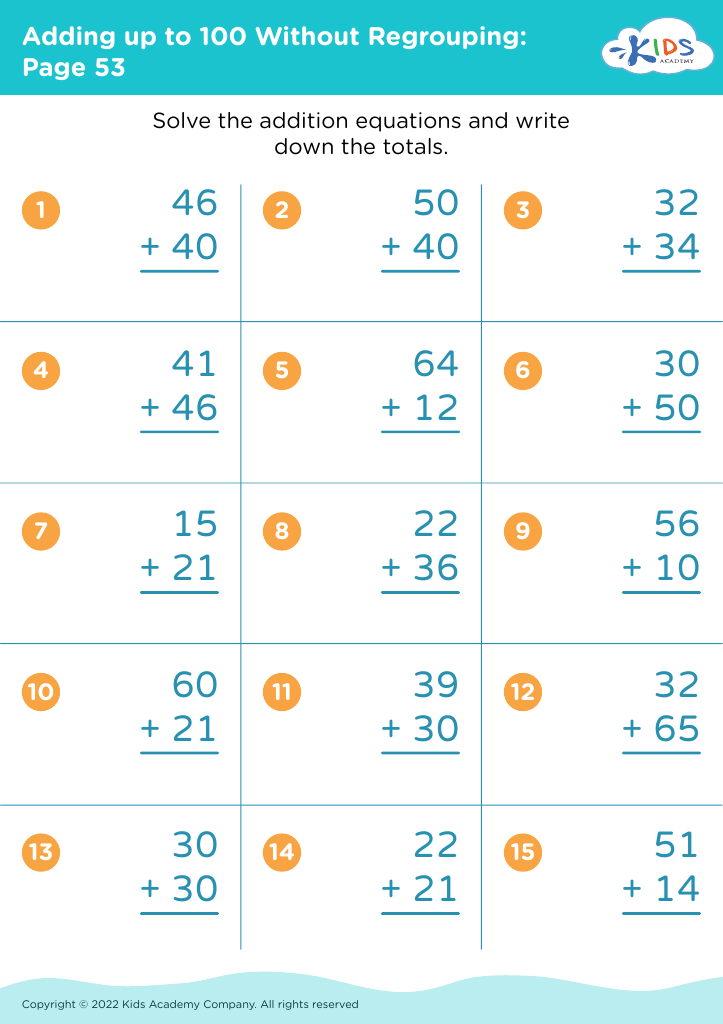
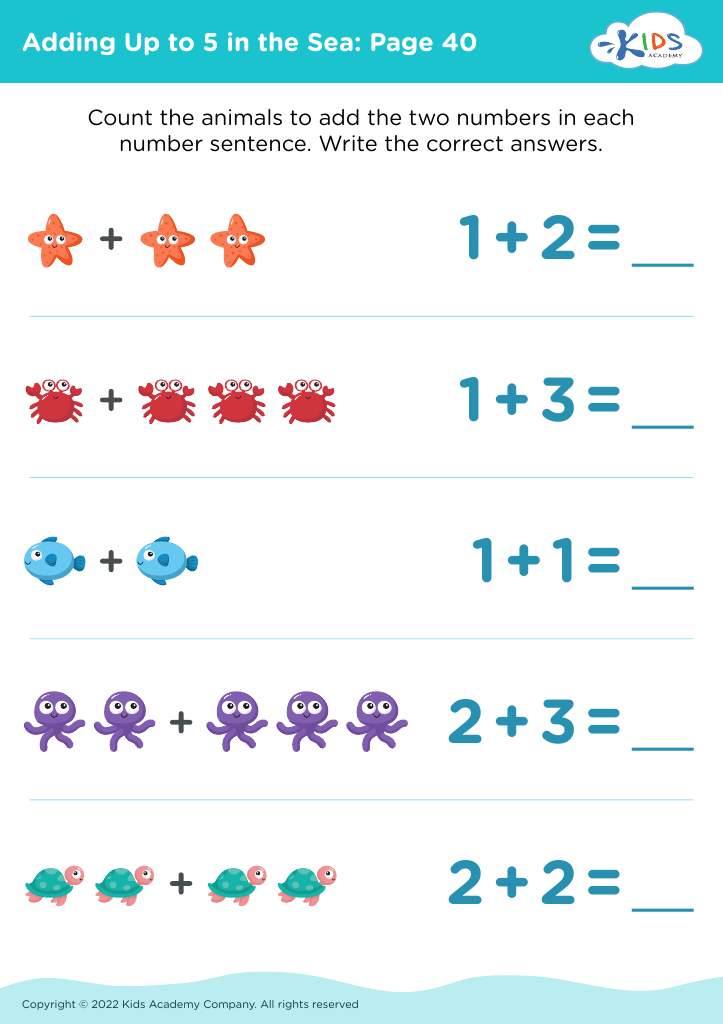
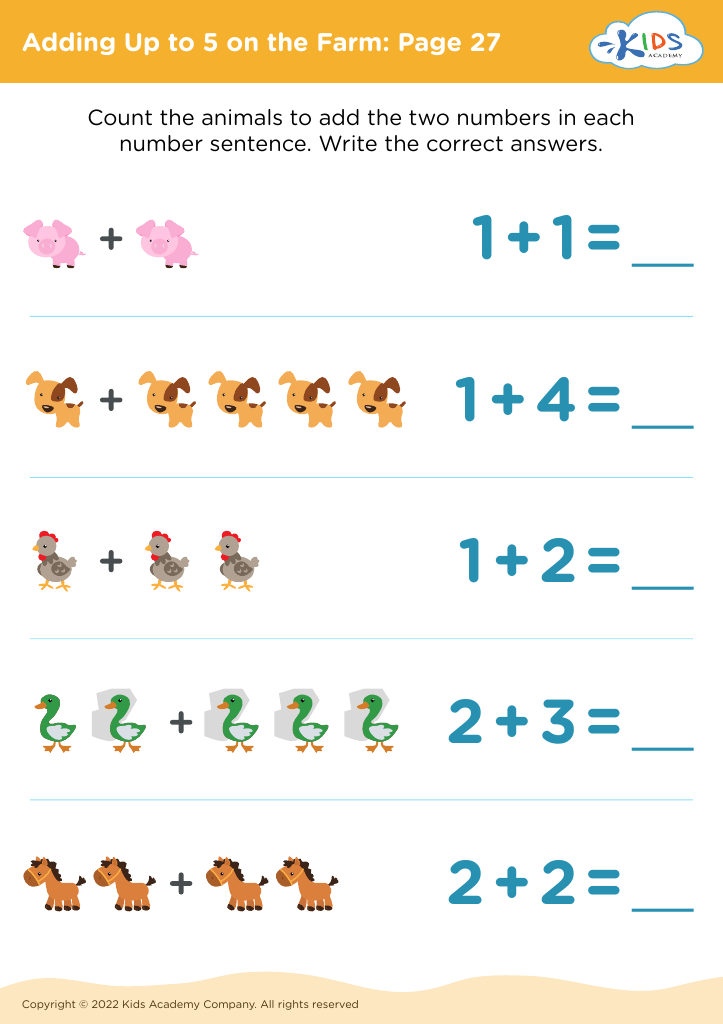
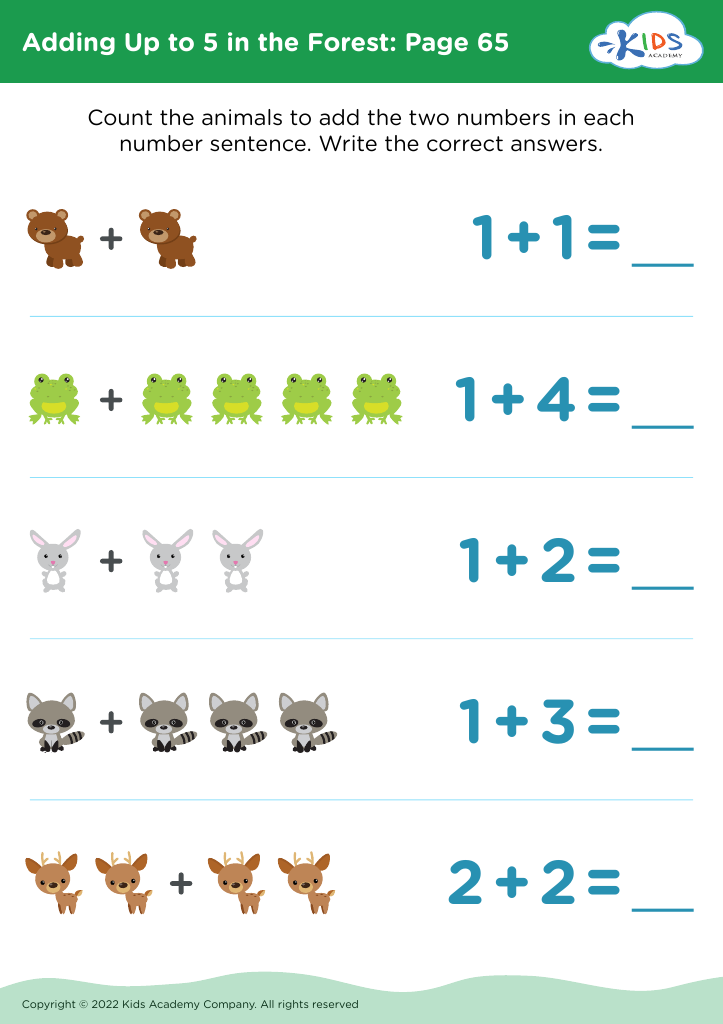
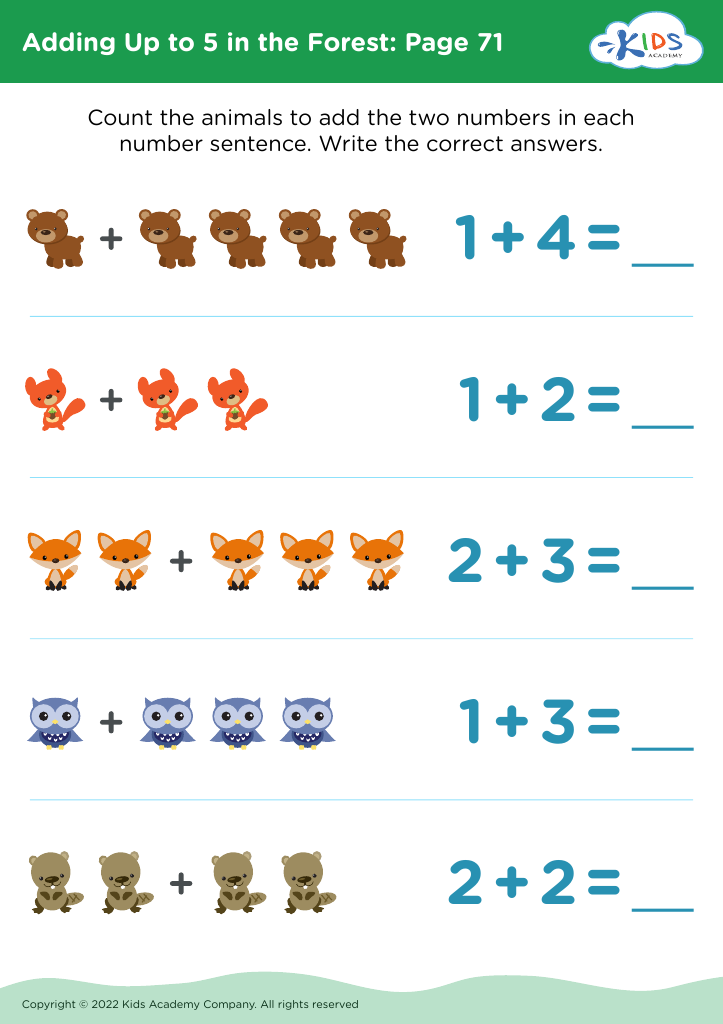
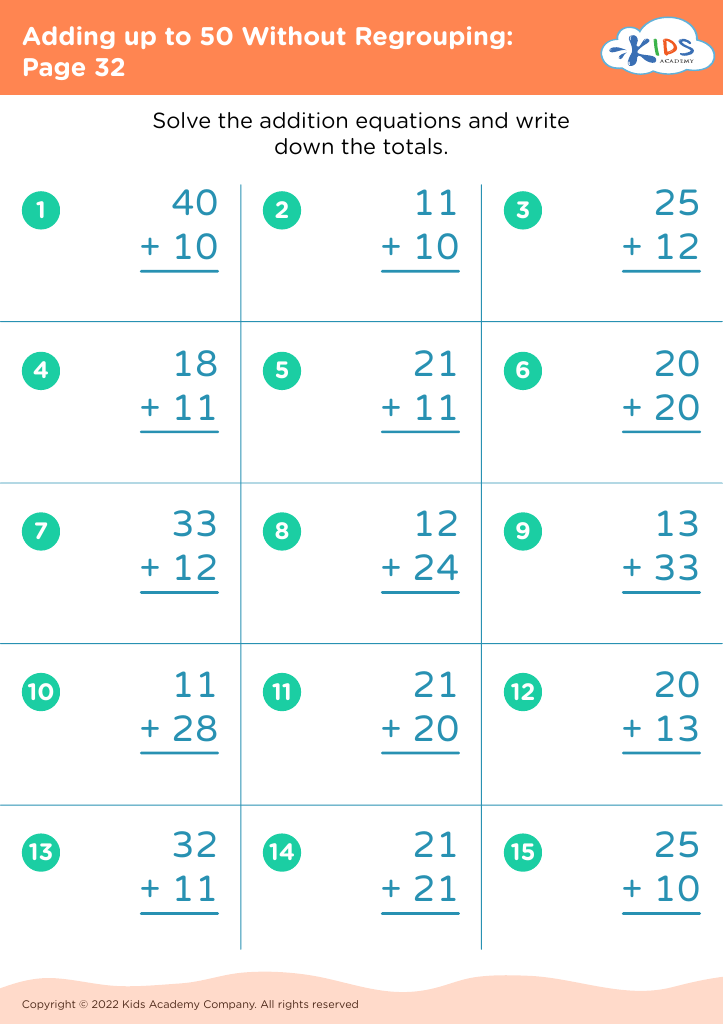
Discover a fun and effective way to enhance your child's visual perception and addition skills with our specially designed worksheets for ages 5-9. These printables blend engaging activities with educational content to help young learners develop keen observation abilities and strong arithmetic foundations. Through colorful illustrations, puzzle-like problems, and interactive exercises, our worksheets not only hone your child's math skills but also boost their visual discrimination and cognitive processing. Foster a love for learning with these unique resources that make math practice enjoyable and rewarding, ideal for supplemental school work or at-home enrichment.
Favorites
With answer key
Interactive

Join Kids Academy for Free
Who is primarily going to use this learning content?








Visual perception plays a crucial role in the cognitive development of children aged 5-9. Parents and teachers should be invested in improving this skill, particularly in the context of addition, as it lays the foundation for success in both academic and everyday tasks.
First, strong visual perception skills help children understand and solve mathematical problems more effectively. At this age, children encounter basic addition, requiring them to recognize number patterns, sequence, and spatial relationships. An improved visual perception enhances their ability to visualize numbers and manipulate them mentally, fostering a deeper understanding of mathematical concepts.
Second, the development of visual perception skills contributes to better reading and writing. Children who can distinguish letters, numbers, and shapes more accurately can decode words and numbers efficiently, promoting literacy and numeracy skills crucial for academic success.
Furthermore, enhanced visual perception aids in other essential activities such as navigating physical spaces, understanding maps, and participating in sports or arts. These skills are vital for children’s growth as they influence their ability to function independently and confidently.
Investing in visual perception improvement for addition tasks thus not merely benefits mathematical abilities but also supports holistic developmental milestones integral to a child’s intellectual and emotional growth, setting the stage for lifelong learning and problem-solving skills.








