Visual Perception Skills Addition Worksheets for Ages 5-9
5 filtered results
-
From - To
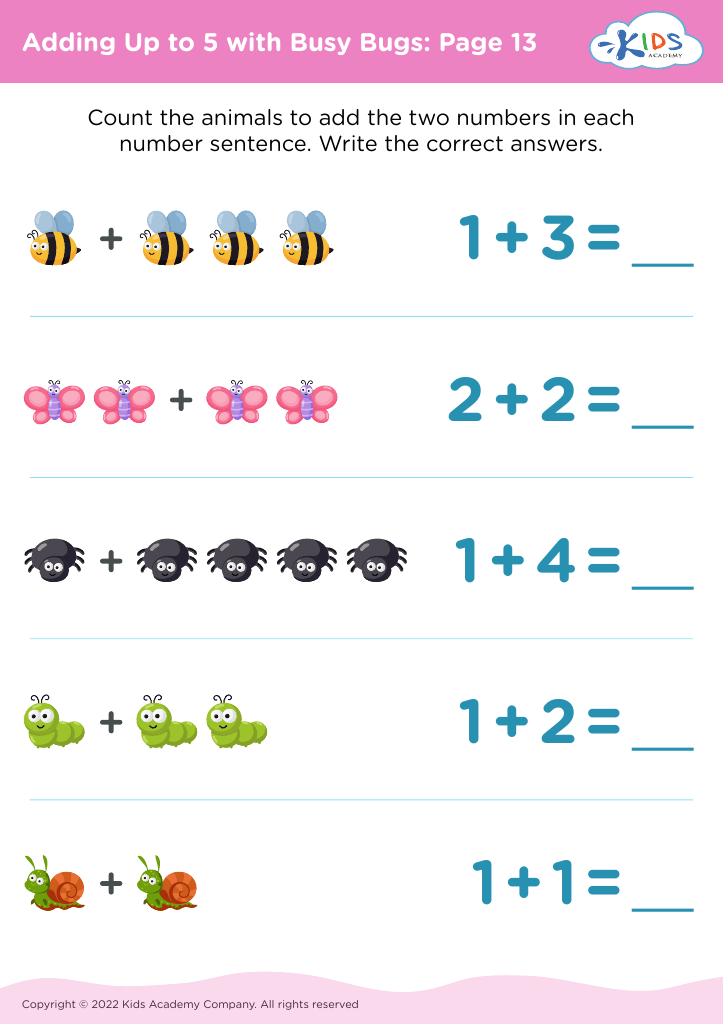
Enhance your child's mathematical journey with our "Visual Perception Skills Addition Worksheets for Ages 5-9." These engaging and educational worksheets are designed to strengthen both addition proficiency and visual perception skills. Children will enjoy interactive and captivating exercises that promote critical thinking, attention to detail, and number recognition. Perfect for young learners, our worksheets provide a solid foundation in math while also honing essential visual skills that are crucial for reading and writing. Dive into a world where learning math becomes fun and effective, making education an enjoyable adventure for your child.
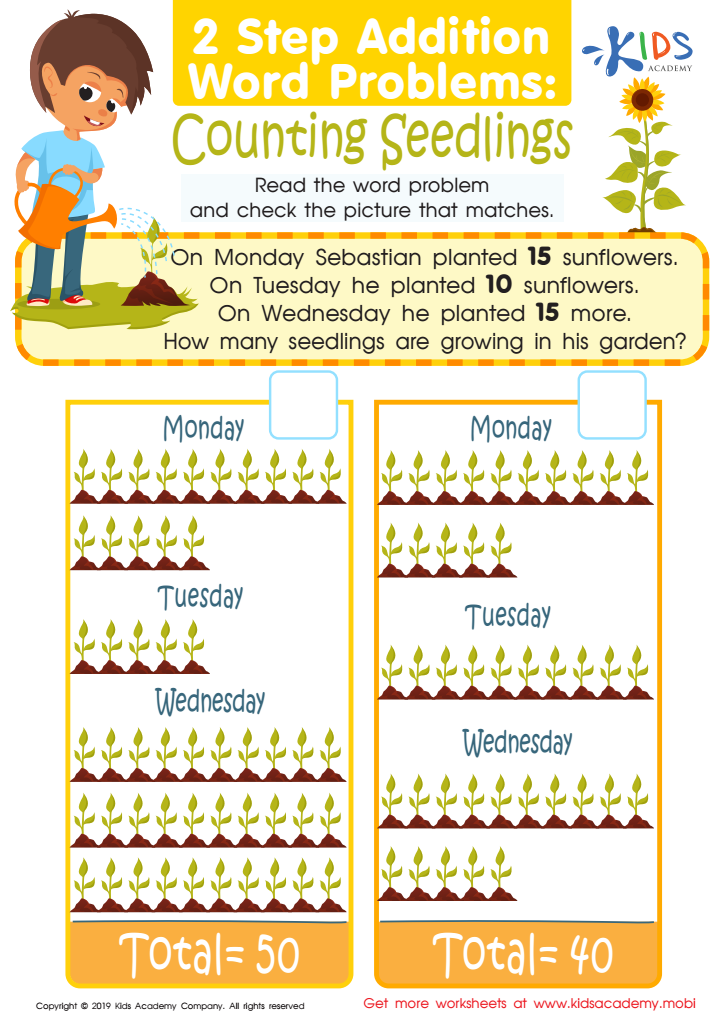
Counting Seedlings Worksheet
 Assign to My Students
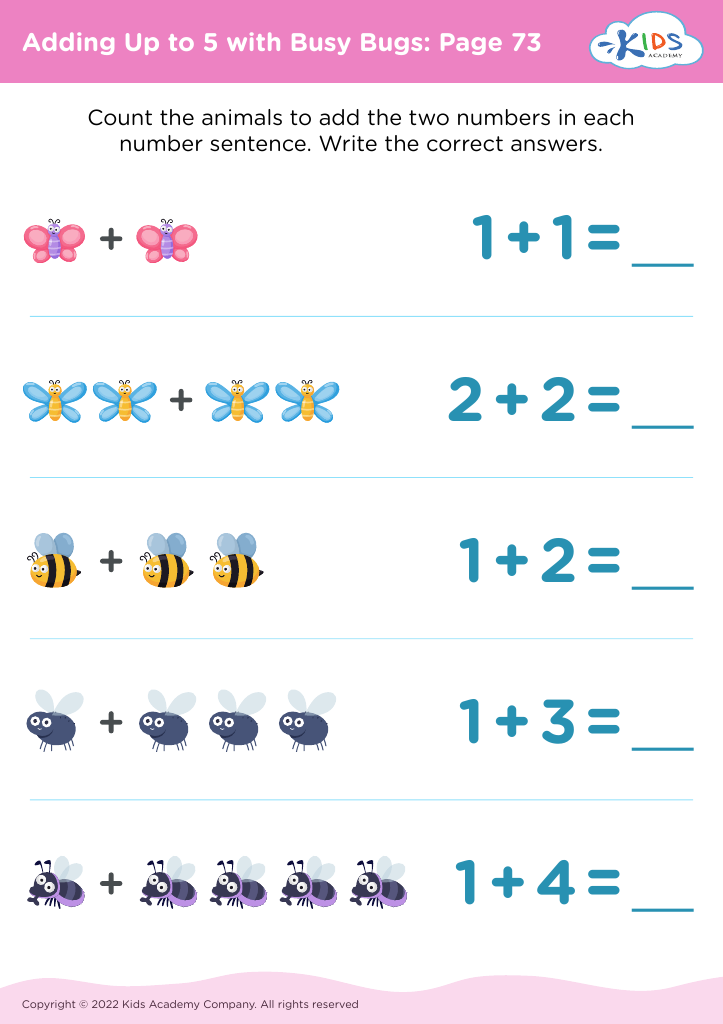
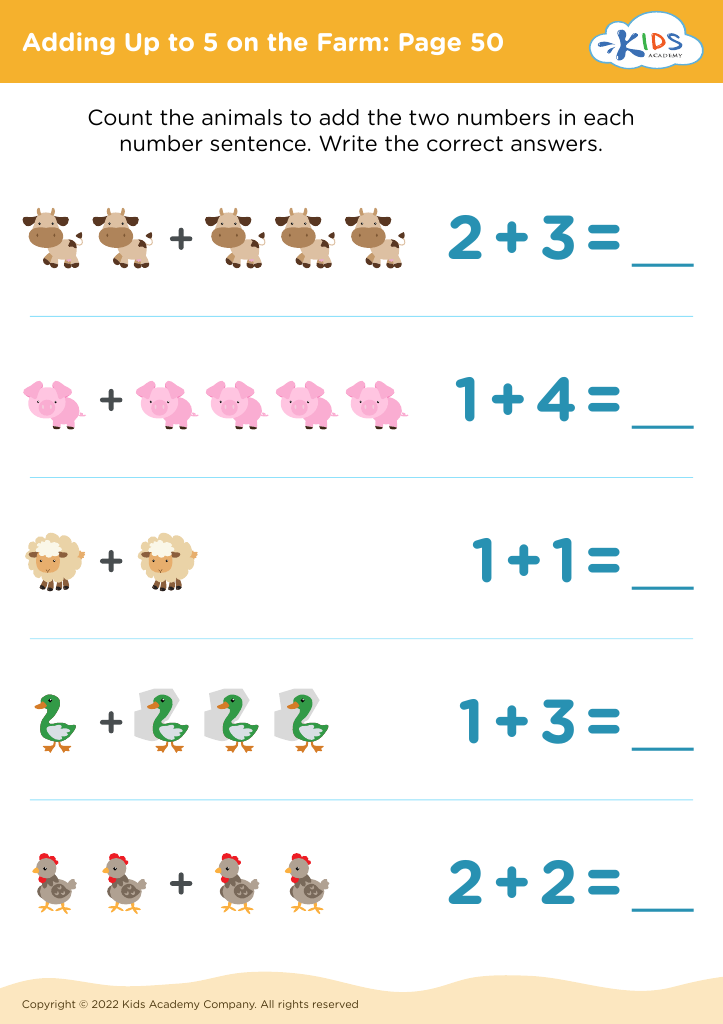
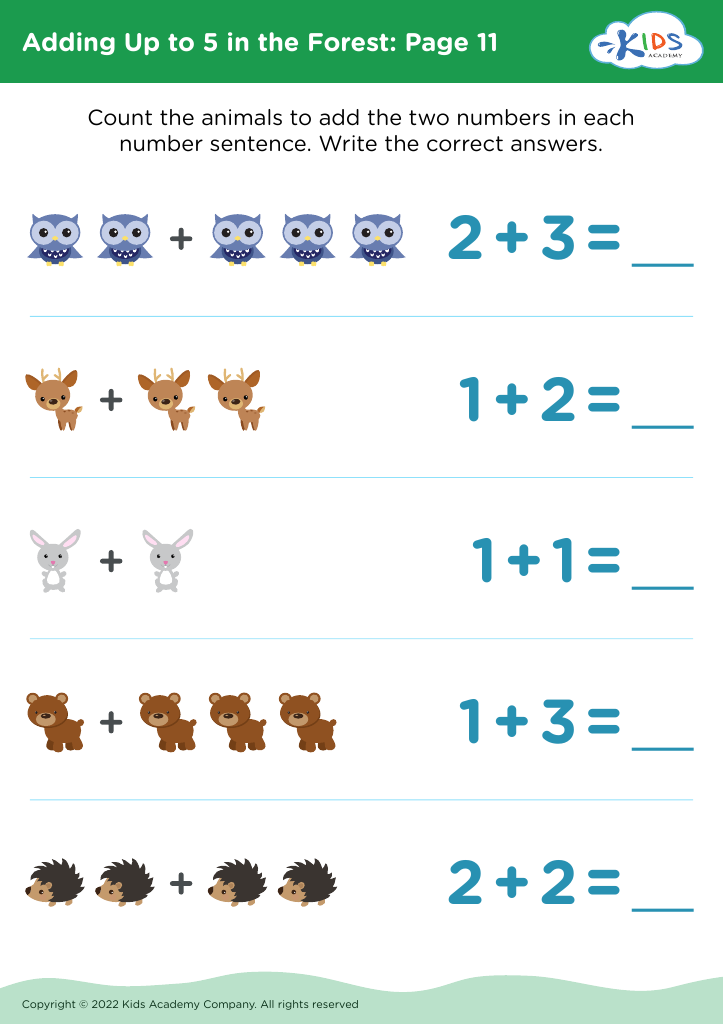



.jpg)




Visual perception skills play a critical role in a child's overall development, especially between the ages of 5-9, when they are in their formative years of learning. These skills are essential for interpreting and understanding visual information, fundamental for reading, writing, and math. When parents and teachers prioritize activities and therapies that strengthen visual perception skills, they set the groundwork for academic success and daily life functionalities.
For example, children with strong visual discrimination can easily identify differences in shapes, letters, and numbers, which is crucial for reading and spelling. Visual memory aids in recalling sight words and math facts, enhancing both reading comprehension and math problem-solving abilities. Additionally, visual-spatial skills help children navigate their environment, manage tasks such as puzzles, and understand concepts such as "before," "after," "above," and "below."
A child’s self-esteem and confidence can also be impacted by their ability to keep pace academically. Children who struggle with visual perception may find tasks more challenging, potentially leading to frustration and avoidance behavior. By making activities that enhance visual perception part of early education, parents and teachers can foster an engaging learning environment that supports holistic development, enabling children to approach academic tasks with greater ease and confidence.








