Categorization skills Numbers Worksheets for Ages 5-9
5 filtered results
-
From - To
Unlock your child's potential with our Categorization Skills Numbers Worksheets, designed specifically for ages 5-9. These engaging and interactive worksheets will help young learners master the essential skill of categorization through fun activities focused on numbers. By sorting, grouping, and identifying numerical patterns, children will enhance their critical thinking and mathematical abilities. Our thoughtfully crafted exercises cater to various learning styles, ensuring that every child can thrive. With colorful visuals and clear instructions, your little ones will enjoy practicing while building a strong foundation for future math skills. Explore our collection today and watch your child's confidence soar!
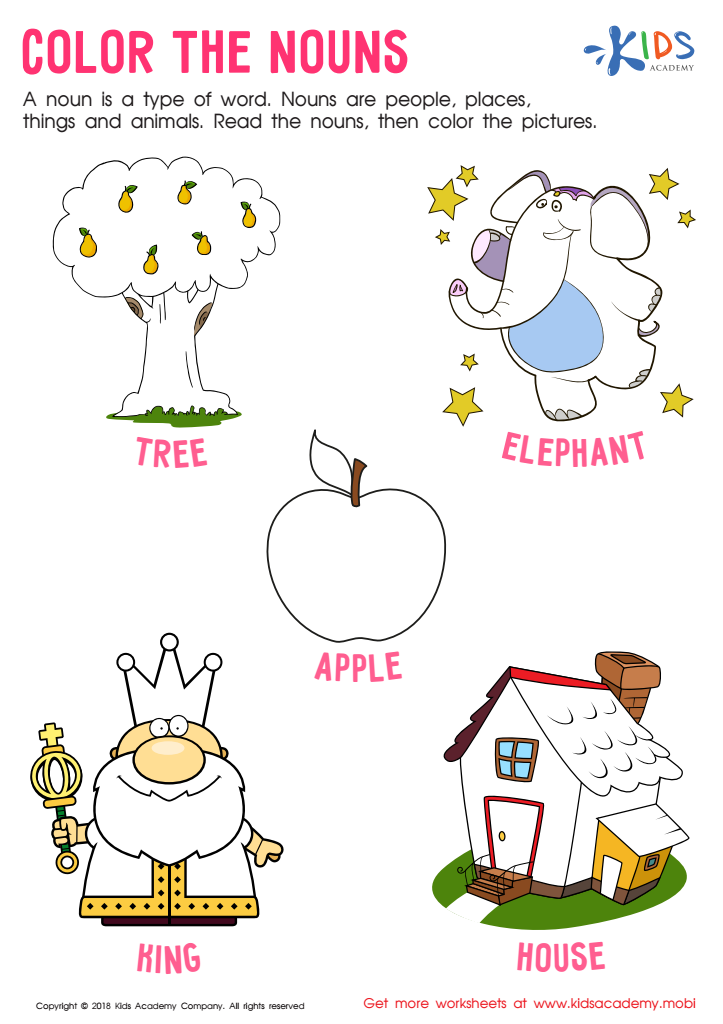
Color the Nouns Worksheet
 Assign to My Students
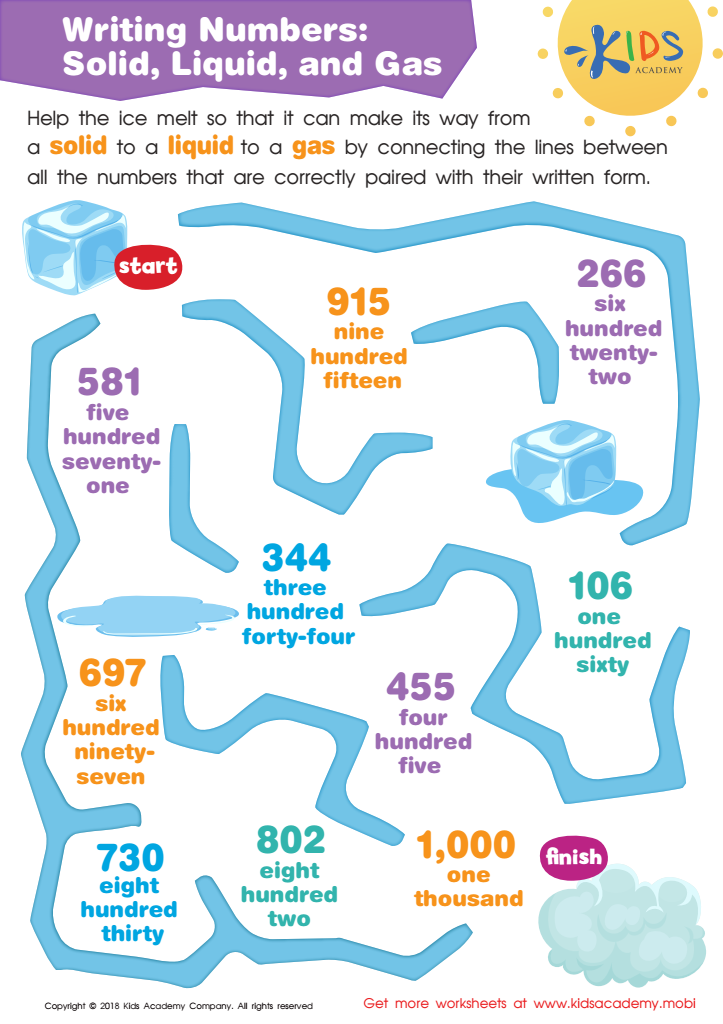
Solid, Liquid, and Gas Writing Numbers Worksheet
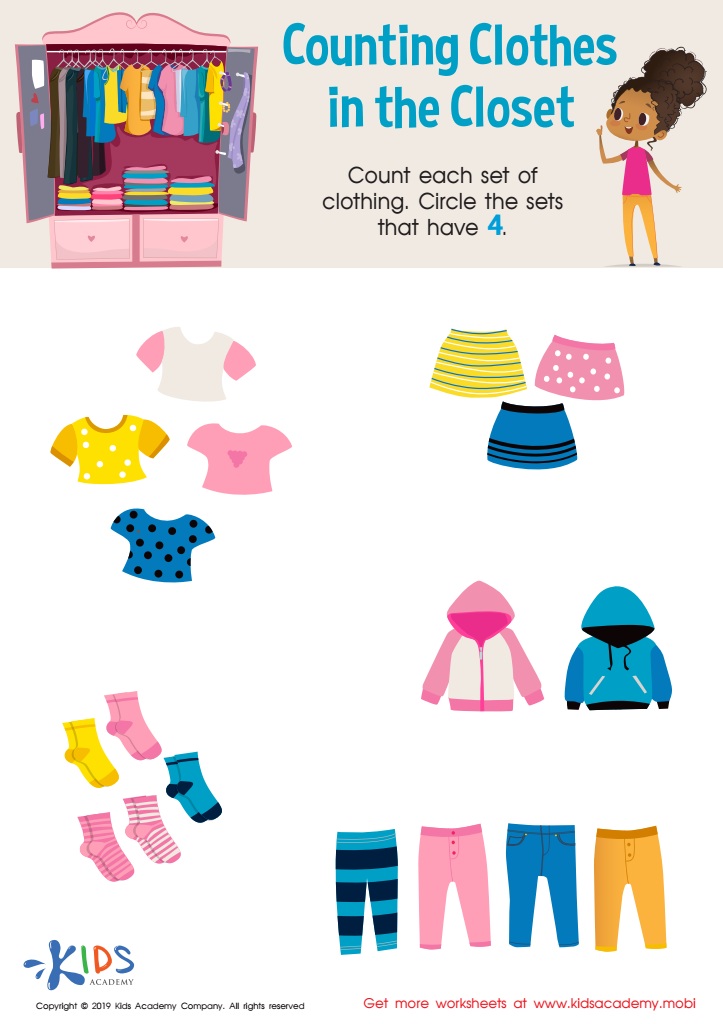
Counting Clothes Worksheet
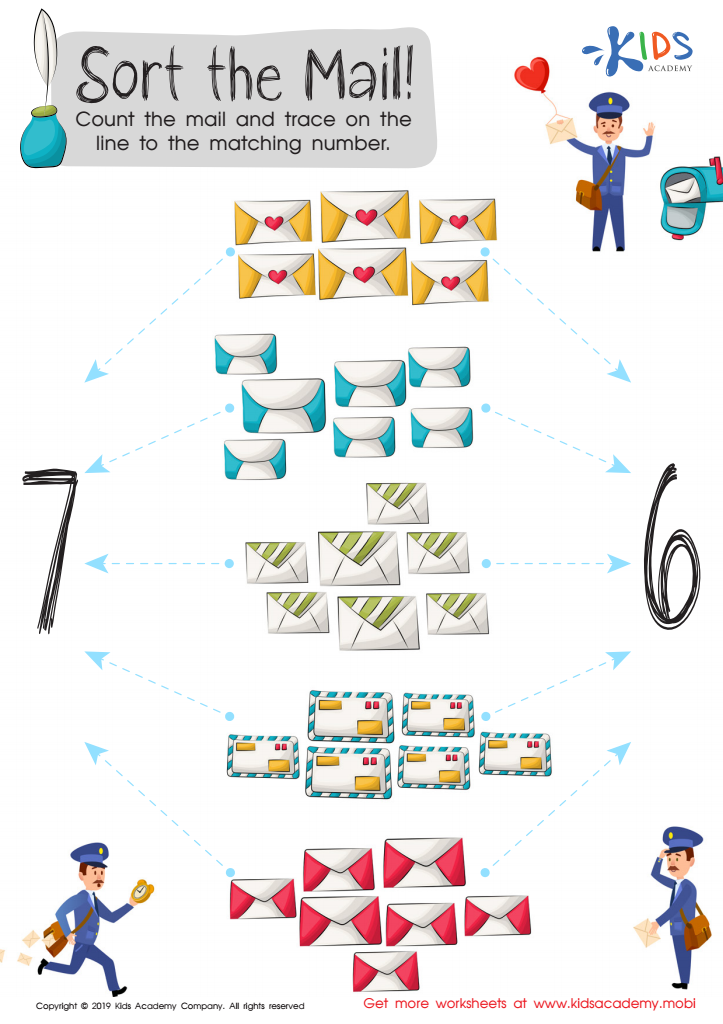
Sort the Mail Worksheet
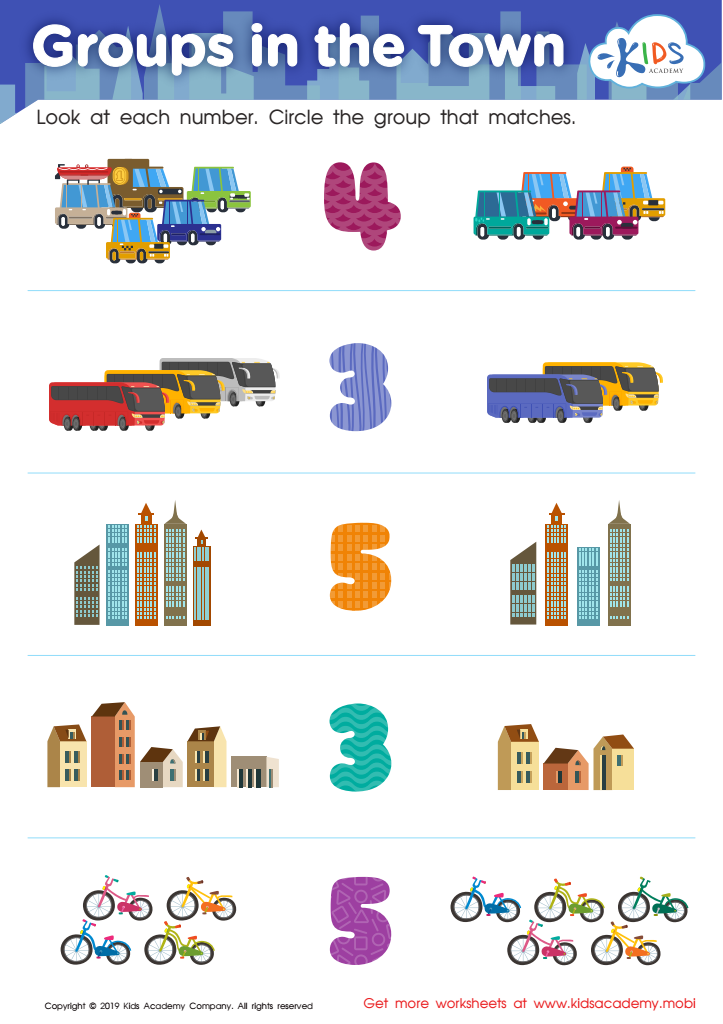
Groups in the Town Worksheet






.jpg)

Categorization skills in children aged 5-9 play a vital role in their cognitive development and understanding of the world around them. As children categorize numbers—recognizing, grouping, and contrasting them—they enhance their ability to identify patterns, relationships, and hierarchies. This foundational skill not only supports mathematical learning but also lays the groundwork for critical thinking.
By grouping numbers, children gain an understanding of quantity, value, and order, which are essential concepts that influence later math competence. For instance, recognizing that groups can show different totals provides a groundwork for addition and subtraction. Furthermore, these skills foster logical reasoning and problem-solving abilities, crucial as children progress in their academic journey.
For parents and teachers, promoting categorization skills means helping children develop not just mathematical fluency but also the confidence to tackle complicated tasks. Engaging children in activities like sorting objects, counting in groups, and recognizing numerical patterns translates into lifelong learning skills. By encouraging these practices at home and in the classroom, adults actively contribute to children's overall cognitive and emotional growth, ensuring they are well-equipped for future challenges in both academic and everyday settings. The significance of incorporating categorization skills during these formative years cannot be understated.








